


The Hidden Treasure: A Personal Journey with Rice Water
I remember standing in my grandma's garden, a riot of colors and fragrances that seemed almost otherworldly. She was a dedicated gardener, her fingers always stained with the rich earth from which she coaxed life. One day, as I sat watching her nurture her beloved plants, she handed me a bowl of cloudy water she had just collected from rinsing rice. "Here," she said, offering it to me like a precious heirloom, "give this to the roses."
I was puzzled. How could the rinsings from rice do anything significant? But trusting her wisdom, I did as she instructed. In a few days, the roses bloomed more vibrantly than ever before. That's when I realized the profound potential of rice water—a simple, unsung hero in gardening. It was like unlocking a secret passage into a world where plants flourished. This story, rooted deep in personal experience, ignited my passion for the integration of natural resources into gardening.
What is Rice Water?
Understanding the Basics
Rice water is the starchy liquid that remains after soaking or cooking rice. For centuries, it has been used as a beauty treatment across Asia, but its potential benefits extend far beyond skin care. The milky liquid, often discarded, is a powerhouse of nutrients rich in vitamins and minerals, making it an excellent, nutrient-rich food for plants.
The Nutritional Components
Rice water contains trace elements from the rice grain, which means it is full of essential amino acids, B vitamins (like B1, B2, B3, and B6), and important minerals such as iron, zinc, and magnesium. This nutrient cocktail can do wonders for your plants, providing them with the sustenance they need to thrive.
Why Use Rice Water in Your Garden?
Environmental Benefits
Using rice water is the epitome of zero waste. By repurposing something usually tossed down the drain, you not only help the environment by minimizing waste but also reduce the need for chemical fertilizers. This approach supports a more sustainable and eco-friendly gardening method that aligns with the natural cycles of growth and replenishment.
Economic Advantages
Why spend money on expensive fertilizers when you have an amazing alternative right in your kitchen? Reusing rice water cuts costs while still delivering outstanding results. You save on buying additional gardening supplies and use what you have at your disposal.
How to Prepare Rice Water for Gardening
Gathering Your Ingredients
To start, you will need uncooked rice and water. While any type of rice will suffice, white rice is typically used due to its commonality and cost-effectiveness.
Steps to Prepare
- Rinse ½ cup of rice in a bowl with 2 to 3 cups of water.
- Swirl the rice around and knead lightly until the water turns milky.
- Strain the rice, capturing the starchy magic liquid in a bowl or jar.
- Optionally, ferment the rice water for a couple of days to enhance its potency. This process increases microbial activity, making nutrients more available to the plants.
Storage Tips
Store your rice water in a sealed container in the refrigerator if you won’t use it immediately. It should keep for around a week. Fermented rice water should be used more quickly or diluted, as it’s much stronger.
Applying Rice Water to Your Garden
For Plants’ General Health
Simply water your plants as usual using rice water, ensuring the soil gets a good soak. This helps in promoting the overall health of your plants by providing essential nutrients and minerals.
Specialized Treatments
Boosting Growth: Apply rice water to young plants or seedlings to encourage strong, vigorous growth. The nutrients act similarly to a fertilizer boost.
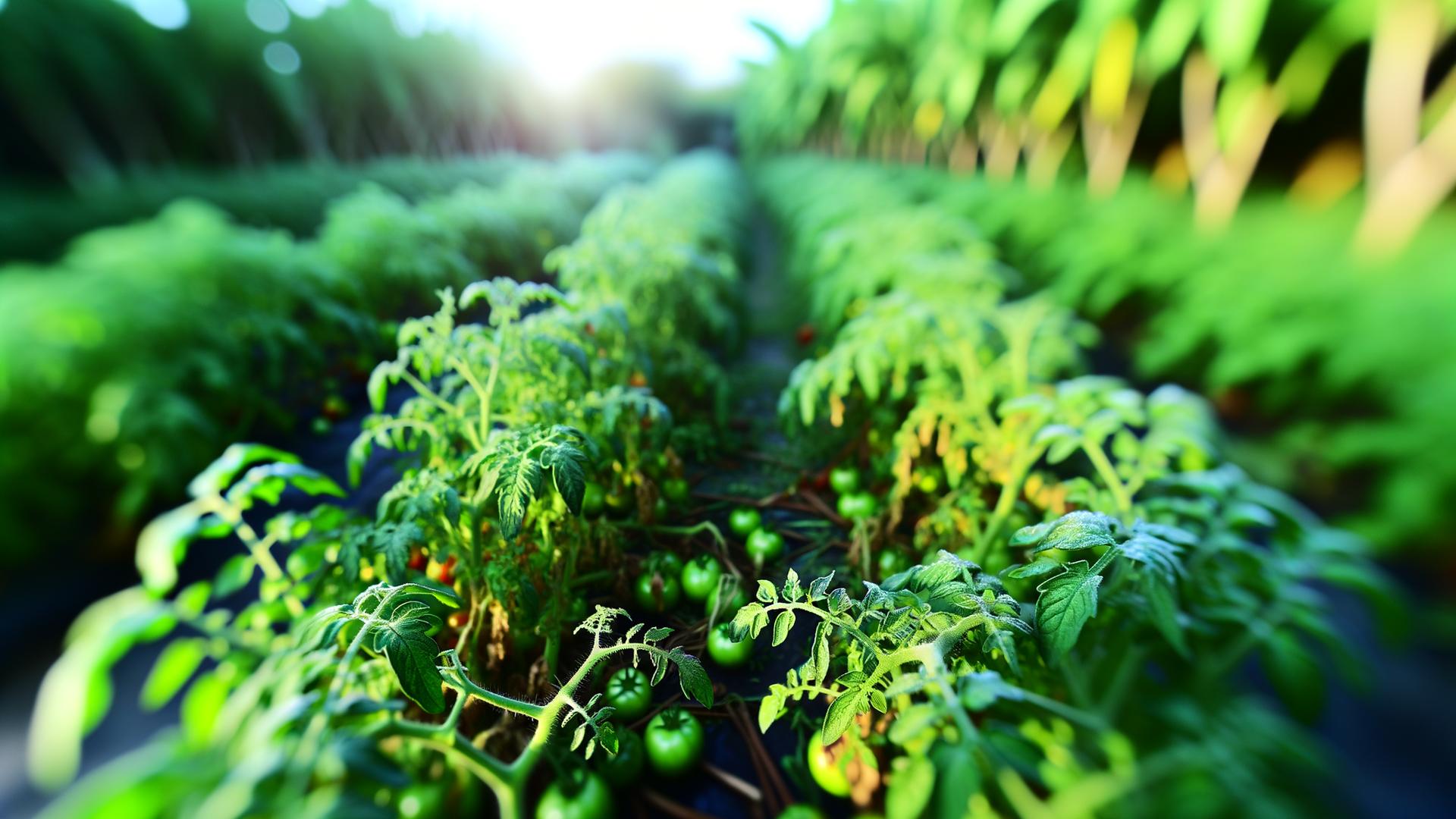
Strengthening Stems: For plants that need support, such as tomatoes or flowering shrubs, a regular diet of rice water can help develop robust stems.
Frequency of Use
For best results, use rice water once a week. Overuse could lead to an imbalance in the soil nutrients. Moderation is key; think of it as part of a balanced diet for your plants.
The Science Behind Rice Water
How Does It Work?
The starches in rice water provide a food source for beneficial soil microorganisms. As these organisms digest the starch, they release nutrients that plant roots can absorb. It’s like feeding the soil itself to build a richer, more fertile garden bed.
Research and Findings
Studies have shown that soil treated with rice water has higher microbial activity and improved nutrient availability. While scientific research into using rice water in gardening is still in its infancy, the preliminary findings and generations of anecdotal evidence suggest clear benefits.
Troubleshooting Common Issues
Over-fermentation
If your rice water has fermented too long and has a strong odor, dilute it with more water before applying to plants. Fermented rice water is potent and should be used with care.
Sensitivity in Plants
Some sensitive plants may not respond well initially to rice water. In such cases, dilute the rice water and gradually introduce it to your gardening routine.
Comparing Alternatives
Rice Water vs. Store-bought Fertilizers
While chemical fertilizers act quickly, rice water provides a steady, natural influx of nutrients without the risk of chemical buildup in the soil. It’s more about long-term health and sustainability.
Rice Water vs. Compost Tea
Both are excellent natural fertilizers. Rice water is easier to prepare and free from kitchen scraps unlike compost tea, but both contribute unique nutrients and benefits to the garden.
Beyond the Garden: Additional Uses of Rice Water
Beauty Treatments
Much like the gardens, your skin can benefit from rice water through improved texture and brightness. Its conditioning properties also extend to your hair, offering a natural sheen.
Cleaning Agent
Rice water can work as a gentle cleaner for household surfaces, offering mild antibacterial properties without harsh chemicals.
FAQs: All You Need to Know
How often should I use rice water on my plants?
It's best to use rice water once a week. Overuse can potentially lead to nutrient imbalances in the soil.
Can I use rice water on all types of plants?
Most plants can benefit from rice water, but it's wise to introduce it gradually, especially for sensitive species.
Should rice water be used fresh or fermented?
Both are beneficial. Fresh rice water is mild, while fermented rice water is more potent and nutrient-rich.
How can I store rice water effectively?
Store it in a sealed container in the refrigerator for about a week.
Is rice water better than chemical fertilizers?
Rice water is a natural, sustainable option and safer for the environment, though it may not act as quickly as synthetic fertilizers.
What is the difference between using white and brown rice water?
Water from brown rice may contain more nutrients, but white rice water is effective and more common.
Can rice water harm my plants?
If overused or not properly diluted when fermented, rice water could harm delicate plants or unbalanced soil ecosystems.
Is rice water safe for indoor plants?
Yes, it is safe and quite beneficial for indoor plants.
How can rice water affect soil pH?
In general, rice water is neutral, so it won't significantly alter soil pH.
Can I use rice water on plants with delicate flowers?
Yes, but always test a small amount first and dilute if necessary to avoid potential damage.
Discussion (0)
No comments yet. Be the first to start the conversation!
Leave a Reply