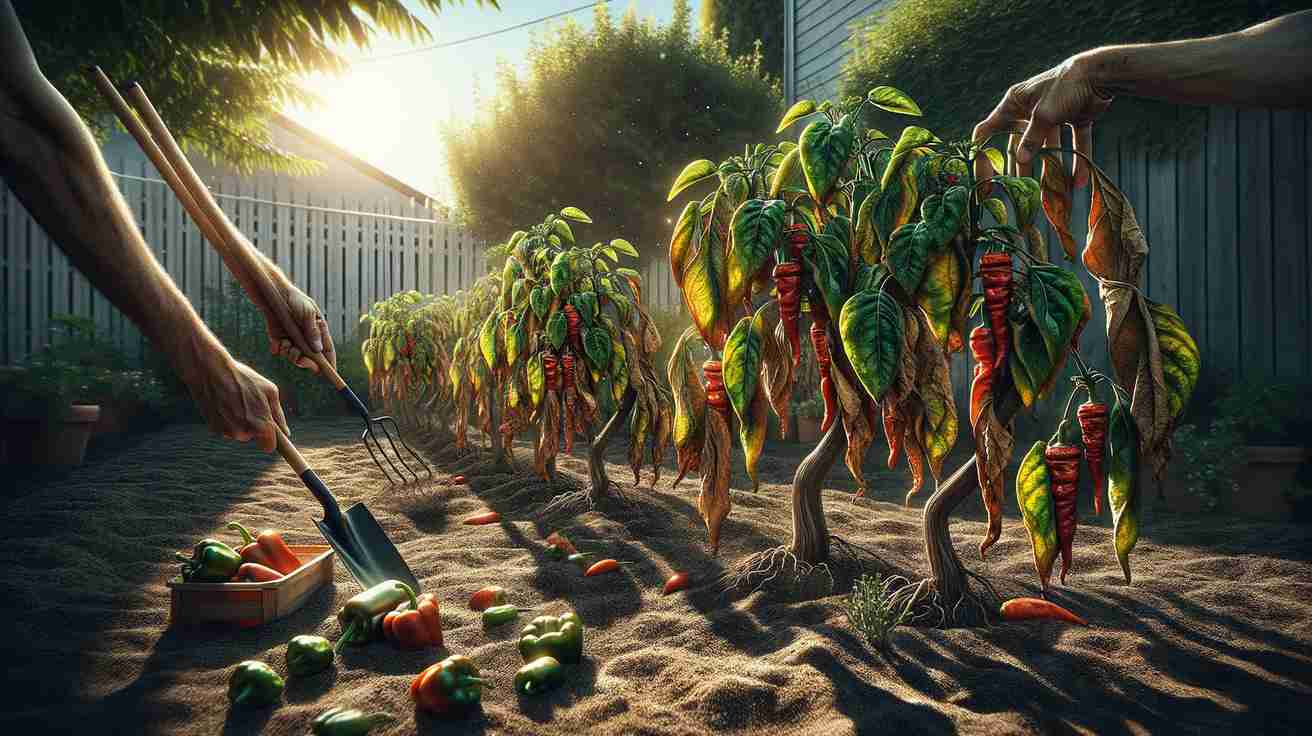
There's nothing more frustrating for a gardener than nurturing pepper plants into healthy, promising specimens, only to see them droop and wilt under the full sun. As a passionate gardener, you might instinctively reach for the watering can, assuming dehydration is the culprit. However, if you've been diligent with your watering schedule, your peppers may be suffering from a different issue entirely. Understanding the true cause of this wilting is crucial to ensuring your bell peppers, jalapeños, or chili varieties thrive in the garden.
Understanding Pepper Plant Physiology
Before addressing the wilting issue, it's important to understand how pepper plants interact with their environment. Peppers, like all plants, engage in a process called transpiration, where they release water vapor from small openings in their leaves known as stomata. This process not only helps the plant cool itself but also facilitates nutrient uptake from the soil.
The Role of Stomata
Stomata open and close to regulate gas exchange and water loss. During the hottest parts of the day, when the sun is blazing, these stomata close to conserve water, causing the plant to appear wilted. This is a natural defense mechanism against excessive water loss and isn't always a sign of distress.
Temporary Wilting vs. Permanent Wilting
It's essential to distinguish between temporary wilting, which occurs during the day, and permanent wilting, which can indicate a more serious problem. Temporary wilting usually resolves itself in the cooler evening hours as the stomata reopen and the plant resumes normal function. Permanent wilting, however, can signal other underlying issues.
Common Causes of Pepper Plant Wilting in Full Sun
While it's easy to blame the sun for causing your pepper plants to droop, several factors could be contributing to this issue. Understanding these causes can help you take the necessary steps to provide your plants with the best care possible.
Soil Composition and Drainage
One of the most overlooked factors in plant health is soil composition. Poorly draining soil can lead to root rot, causing wilting and other symptoms of distress. If your garden soil is heavy in clay, consider amending it with organic matter such as compost or perlite to improve drainage.
Nutrient Imbalance
Pepper plants require a delicate balance of nutrients to thrive. A deficiency or excess of essential nutrients like nitrogen, phosphorus, or potassium can lead to wilting. Conducting a soil test can help you identify nutrient imbalances and amend the soil accordingly.
Root-Bound Plants
If you're growing peppers in containers, they may become root-bound if the pot is too small. This restricts their ability to absorb water and nutrients, leading to wilting. Transplanting your peppers into larger containers can alleviate this issue.
Pest and Disease Issues
Pests such as aphids and diseases like verticillium wilt can also cause pepper plants to wilt. Regularly inspect your plants for signs of infestation or disease, and take action by using organic pest control methods or fungicides if necessary.
Environmental Stressors
Sun Scorch
Pepper plants are sun-loving, but too much direct sunlight, especially in the hottest parts of the day, can cause sun scorch. This condition leads to leaf burn and wilting. Providing some form of shade during the peak sunlight hours can mitigate this issue.
Wind and Heat Stress
Strong winds and high temperatures can exacerbate the wilting problem. Both can increase the rate of transpiration, causing the plant to lose water faster than it can absorb it. Installing windbreaks or providing temporary shade can reduce the impact of these environmental stressors.
Solutions for Preventing Wilting
Proper Watering Techniques
While wilting is not always a watering problem, proper watering techniques are still essential for healthy plants. Water deeply but less frequently to encourage deep root growth. A drip irrigation system can be an efficient way to ensure your peppers receive consistent moisture without the risk of overwatering.
Mulching
Applying a layer of organic mulch around the base of your pepper plants can help maintain consistent soil moisture levels and temperature. This can prevent stress due to rapid changes in environmental conditions.
Optimal Plant Spacing
Ensure your pepper plants are spaced adequately to allow for proper airflow and light penetration. Overcrowding can lead to increased humidity and reduced air circulation, both of which can contribute to wilting and disease.
Shade Solutions
If your garden experiences extreme sunlight, consider using shade cloths or planting taller companions to provide natural shade. This can protect your peppers from the harshest rays and reduce stress.
Monitoring and Maintenance
Regular Inspections
Keep a close eye on your pepper plants, especially during hot weather spells. Regular inspections can help you catch potential problems early and take corrective action before they escalate.
Adjusting Fertilization
Adjust your fertilization schedule based on your soil test results and the growth stage of your plants. Over-fertilizing can be just as harmful as under-fertilizing, leading to nutrient imbalances that cause wilting.
Pest Management
Implement integrated pest management strategies to keep pests in check. Encourage beneficial insects like ladybugs, use organic insecticides, and remove any heavily infested plant parts to maintain plant health.
FAQs
-
Why do my pepper plants wilt during the day but recover at night? Temporary wilting during the day is often due to the plant's natural response to conserve water. It typically recovers when temperatures drop in the evening.
-
How can I tell if my pepper plants are overwatered? Overwatered plants often show signs like yellowing leaves, root rot, and a soggy soil surface. Ensure your soil has good drainage to prevent this issue.
-
What pests commonly affect pepper plants? Common pests include aphids, spider mites, and whiteflies. Regularly inspect your plants and use organic pest control methods to manage infestations.
-
Can I grow peppers in containers, and what size pot should I use? Yes, peppers can thrive in containers. Use a pot at least 12 inches in diameter to ensure adequate space for root growth.
-
What's the best time of day to water pepper plants? Water early in the morning when temperatures are cooler to reduce evaporation and allow the plants to absorb moisture efficiently.
-
How does mulch help prevent wilting? Mulch helps retain soil moisture and regulate temperature, reducing the stress on plants during hot days.
-
What are signs of nutrient deficiency in pepper plants? Common signs include yellowing leaves, stunted growth, and poor fruit production. Conduct a soil test to identify and correct deficiencies.
-
Should I prune my pepper plants to reduce wilting? Pruning can help improve air circulation and reduce humidity around the plant, which may help with wilting issues.
-
How do I prevent sun scorch on my pepper plants? Use shade cloths or plant taller crops nearby to provide partial shade during the hottest part of the day.
-
Can I use chemical fertilizers on pepper plants? While chemical fertilizers can be used, organic options are often better for maintaining soil health and reducing the risk of nutrient imbalances.
Discussion (0)
No comments yet. Be the first to start the conversation!
Leave a Reply