

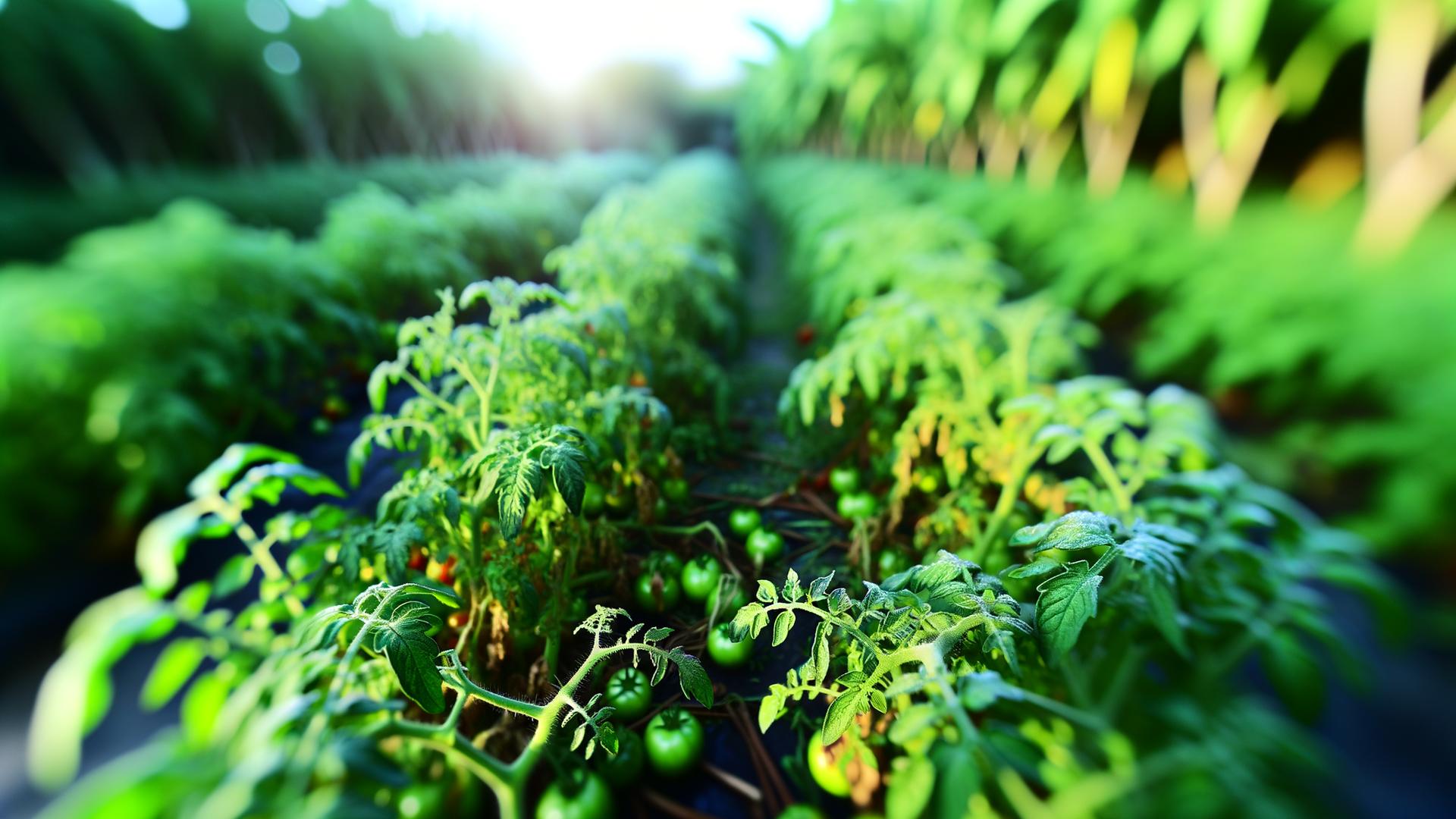

Pepper plants, with their vibrant fruits and glossy leaves, are a favorite among gardeners. However, nothing is quite as disheartening as noticing that your pepper leaves are curling upward. While there are several reasons for this phenomenon, there's one cause that often slips under the radar of even seasoned gardeners. Understanding this elusive problem can be the key to returning your plants to their lush, healthy glory.
Understanding Leaf Curling in Peppers
Pepper leaves curling upward is a distress signal from your plant, indicating that something is amiss. While it may seem like a minor issue, if left unchecked, it can lead to reduced fruit production and an overall decline in plant health. Before diving into the less obvious causes, let's explore the common culprits to better appreciate the one cause most gardeners miss.
Common Causes of Leaf Curling
-
Water Stress: Both overwatering and underwatering can cause leaves to curl. Overwatering leads to root rot, while underwatering causes dehydration, both detrimental to plant health.
-
Pest Infestation: Aphids, thrips, and spider mites are notorious for causing leaf curl as they feed on the sap, weakening the plant.
-
Nutrient Deficiency: Lack of essential nutrients like nitrogen, potassium, and magnesium can lead to malformed leaves.
-
Environmental Stress: Extreme temperatures and wind can also cause leaves to curl as the plant tries to conserve moisture.
While these issues are well-documented, addressing them doesn't always solve the problem. That's where the often-overlooked cause comes into play.
The Overlooked Culprit: Viral Infections
Viral infections are a stealthy adversary in the world of gardening. Unlike pests or nutrient deficiencies, viruses are less visible and often misdiagnosed. Specifically, the Pepper Mild Mottle Virus (PMMoV) is a common yet frequently missed cause of upward leaf curling in peppers.
What is Pepper Mild Mottle Virus?
PMMoV is a member of the Tobamovirus family and primarily affects pepper plants, although it can sometimes impact other members of the Solanaceae family. It is known for causing a range of symptoms, with leaf curling being one of the earliest signs. As the virus progresses, it can lead to mottled leaves, stunted growth, and reduced yields.
How Does PMMoV Spread?
PMMoV is highly infectious and can spread through:
-
Contaminated Seeds: Planting infected seeds is a primary source of virus introduction.
-
Human Activity: Handling infected plants or using contaminated gardening tools can transfer the virus to healthy plants.
-
Contact with Infected Plants: Direct contact between healthy and infected plants, especially in close plantings, facilitates virus spread.
Identifying PMMoV
Recognizing PMMoV early can make a significant difference in managing its effects. Here are some identifying characteristics:
-
Leaf Patterns: Mottling, or a mosaic pattern, often follows the initial leaf curl.
-
Growth Abnormalities: Infected plants may show uneven growth, with some areas stunted and others overgrown.
-
Fruit Deformation: The virus can cause peppers to become oddly shaped or discolored.
Managing and Preventing Viral Infections
Once a plant is infected with PMMoV, there is, unfortunately, no cure. Management focuses on prevention and control to minimize the spread and impact.
Preventive Measures
-
Use Certified Seeds: Always purchase seeds from reputable suppliers who test for viral pathogens to ensure they are virus-free.
-
Practice Crop Rotation: Avoid planting peppers or related species in the same spot consecutively to reduce viral build-up in the soil.
-
Sanitize Tools: Regularly clean gardening tools with a bleach solution to prevent virus transfer.
-
Remove Infected Plants: Promptly remove and destroy any plants showing signs of severe infection to protect the rest of your garden.
-
Control Pests: Manage aphid and other pest populations, as they can act as vectors for various plant viruses.
Managing Infected Plants
-
Isolate Infected Plants: If removal isn't an option, isolate the infected plants to prevent them from touching healthy ones.
-
Enhance Plant Health: Boost overall plant vigor with proper fertilization and watering, which can help plants better withstand infection.
-
Monitor Closely: Keep a vigilant eye on your garden for early signs of viral spread to intervene quickly.
FAQs
-
What are the first signs of PMMoV?
- The earliest signs include upward curling of leaves and a slight mottling or mosaic pattern.
-
Can PMMoV affect other plants in my garden?
- While it primarily affects peppers, it can sometimes spread to other Solanaceae family members, like tomatoes.
-
How can I confirm a PMMoV infection?
- Laboratory testing of plant tissue is the most reliable method for confirming the presence of PMMoV.
-
Is there a treatment for PMMoV?
- There is no cure for PMMoV; management focuses on prevention and controlling the spread.
-
Can PMMoV be transmitted through the soil?
- The virus is not soil-borne but can persist in plant debris and be transferred via contaminated tools and hands.
-
Do all curled leaves indicate PMMoV?
- No, leaf curling can have multiple causes, including pests and nutrient deficiencies. It's important to investigate thoroughly.
-
How often should I sanitize my gardening tools?
- Regularly, ideally after each use, especially when moving between plants.
-
Can composting infected plants spread PMMoV?
- Yes, composting infected plants can potentially spread the virus if the compost doesn't reach high enough temperatures to kill the virus.
-
Are there PMMoV-resistant pepper varieties?
- Some pepper varieties are bred for resistance to common viruses, including PMMoV. Check seed catalogs for resistant strains.
-
What should I do if I suspect PMMoV in my garden?
- Isolate the suspected plants, remove severely infected ones, and implement preventative measures immediately.
Discussion (0)
No comments yet. Be the first to start the conversation!
Leave a Reply