The year is 2026, and patio container gardening has surged in popularity like never before. Whether it's the allure of a verdant oasis in urban settings or the sheer convenience of having fresh herbs and vegetables just outside the kitchen door, more people are turning their patios into small-scale gardens. This gardening trend isn't just about aesthetics; it’s a practical choice for many who want to grow their own food, enjoy seasonal blooms, or simply bring a piece of nature into their everyday lives. In this flourishing era of patio container gardening, certain plants stand out for their ability to thrive in pots while providing substantial yields or breathtaking beauty. Let’s delve into six plants that work hardest in containers, transforming patios from mere outdoor spaces into thriving ecosystems.
The Dynamic Duo: Herbs and Greens
1. Basil – The Mediterranean Marvel
Basil is a quintessential herb that has found its place in countless patios due to its versatility and ease of care. Basil thrives in containers, making it a favorite for many urban gardeners. This herb loves the sun, so place your pot in a sunny spot where it can soak up at least six hours of sunlight a day. Regular pinching back of the leaves not only encourages bushier growth but also ensures a continuous harvest throughout the season.
Basil varieties such as Genovese and Thai add unique flavors to your culinary creations, while purple basil varieties bring an ornamental touch. Remember to water basil consistently; the soil should be moist but never waterlogged. If you notice the leaves starting to wilt, it’s usually a sign that your plant needs a drink.
2. Lettuce – The Cut-and-Come-Again Crop
Lettuce is a fast-growing, cool-season crop that is perfect for container gardening. Varieties such as ‘Butterhead’ and ‘Romaine’ perform exceptionally well in pots. The cut-and-come-again method allows you to harvest leaves while the plant continues to produce more. This makes lettuce a sustainable choice, providing fresh greens for salads and garnishes throughout its growing season.
Lettuce prefers cooler temperatures, so it’s ideal for spring and fall planting. Ensure your containers have adequate drainage to prevent root rot, and keep the soil consistently moist. Shallow pots work well for lettuce, making them perfect for balcony gardens where space is limited.
Fruiting Favorites
3. Tomatoes – The Container Classic
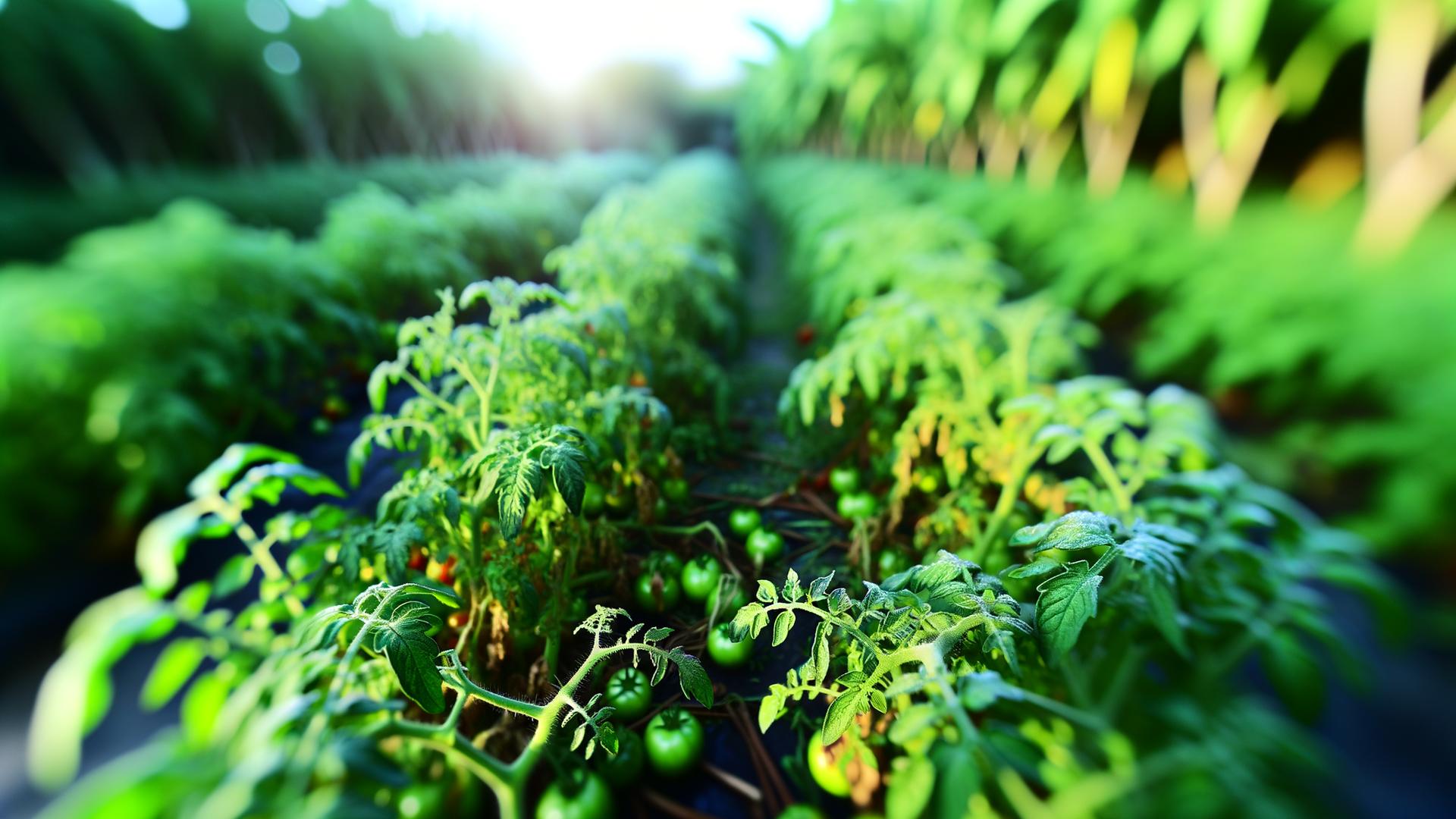
Tomatoes are a staple in container gardening and with good reason. They are adaptable, productive, and can transform any patio into a mini farm. Cherry tomatoes and dwarf varieties such as ‘Patio Princess’ are especially suited for pots. These varieties offer abundant harvests without overwhelming your space.
Tomatoes require full sun, so position your containers accordingly. They are heavy feeders, so regular fertilization with a balanced, water-soluble fertilizer will keep your plants thriving. Support your tomato plants with stakes or cages to keep them upright and maximize airflow, reducing the risk of fungal diseases.
4. Peppers – Colorful and Compact
Peppers, both sweet and spicy, are excellent candidates for container gardening. Bell peppers and jalapeños are popular choices, with compact varieties available that fit snugly in smaller pots. These plants add not only flavor to your dishes but also a splash of color to your patio garden.
Peppers need a warm environment to thrive, so ensure they receive plenty of sunlight. Like tomatoes, they benefit from regular feeding and consistent watering. Keep an eye out for pests such as aphids, which can be easily managed with organic insecticidal soap if necessary.
Ornamental Beauties
5. Petunias – The Cascading Charmers
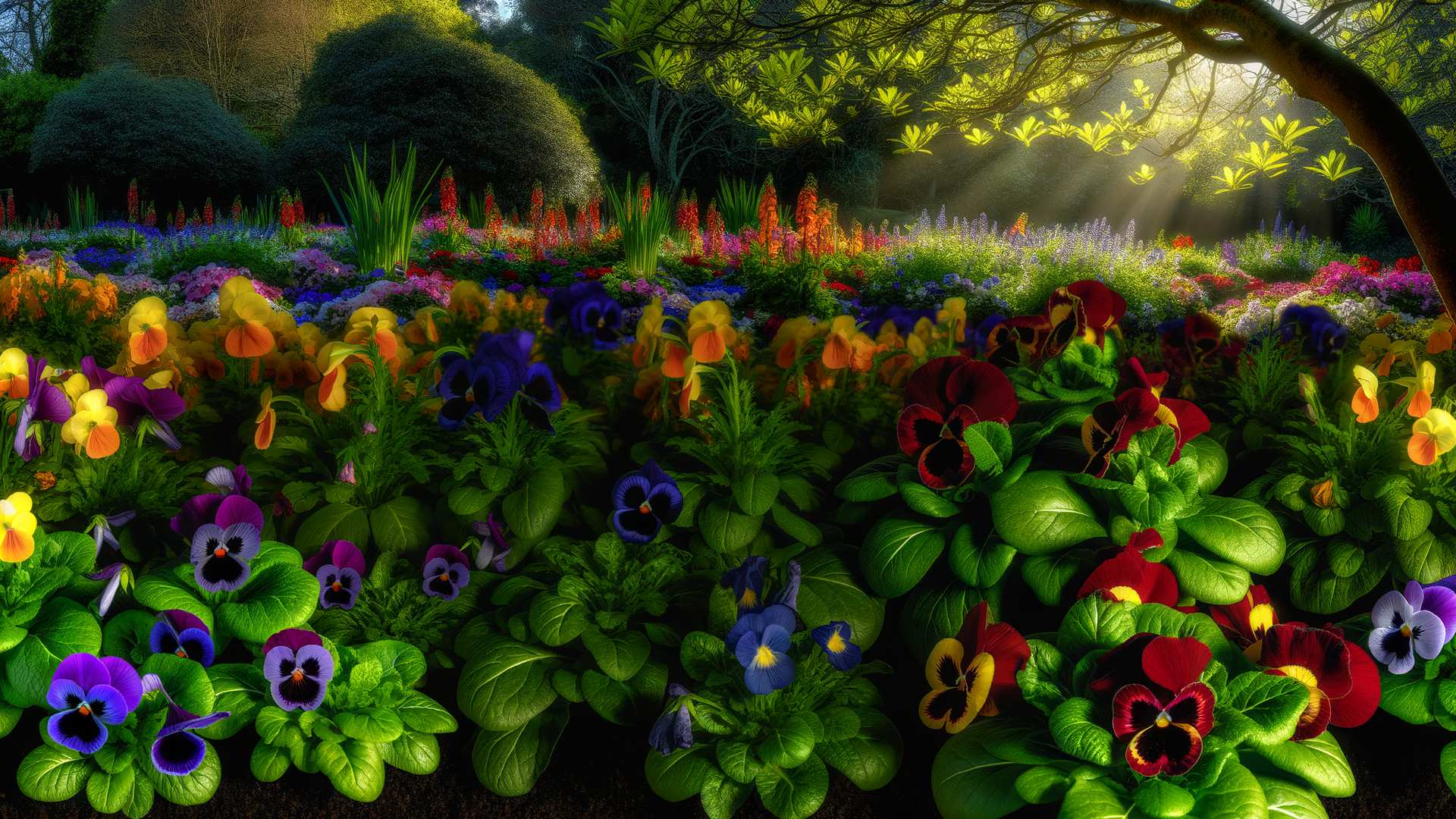
Petunias are beloved for their vibrant blooms and cascading habit, making them a popular choice for hanging baskets and window boxes. They provide long-lasting color from spring through the first frost. Wave petunias are particularly well-suited for containers due to their vigorous growth and profuse flowering.
These plants thrive in full sun and require regular watering, especially during hot weather. Deadheading spent blooms will encourage continuous flowering, ensuring your patio remains a colorful retreat throughout the growing season.
6. Hostas – The Shade Lovers
While many patio gardens bask in sunlight, some benefit from the cool, dappled shade. Hostas are perfect for these environments, offering lush foliage that ranges from deep green to variegated patterns. These hardy perennials are low-maintenance and can add texture and depth to your container garden.
Hostas prefer well-drained soil and consistent moisture. They thrive in partial to full shade, making them ideal for those tricky spots on your patio that receive less direct sunlight. While hostas are generally pest-resistant, watch for slugs and snails, particularly if your containers are placed on the ground.
Practical Tips for Successful Container Gardening
Mastering the art of container gardening involves understanding the unique challenges and needs of your plants. Here are some practical tips to help your patio garden thrive:
-
Choose the Right Container: Ensure your pots have adequate drainage holes to prevent waterlogging. The size of the container should match the plant's root system; larger plants will require bigger pots to accommodate growth.
-
Use Quality Potting Mix: A good quality potting mix is essential for container gardening. It should be lightweight, retain moisture, and provide the necessary nutrients. Consider adding slow-release fertilizers to support long-term growth.
-
Regular Watering: Container plants can dry out more quickly than those in the ground. Regular watering is crucial, especially during hot, dry spells. Consider using self-watering pots or drip irrigation systems for consistent moisture levels.
-
Fertilization: Container plants have limited access to nutrients, so regular feeding is necessary. Use a balanced, water-soluble fertilizer every few weeks to keep your plants healthy and productive.
-
Pest Management: Keep an eye out for pests and address any issues promptly. Integrated Pest Management (IPM) techniques, such as introducing beneficial insects and using organic sprays, can help maintain a healthy garden ecosystem.
FAQs
-
What size container is best for patio gardening?
- The size of the container depends on the plant. Generally, larger plants like tomatoes need pots that are at least 18 inches in diameter, while herbs and lettuce can thrive in smaller containers.
-
How often should I water my container plants?
- Watering frequency depends on the weather and the specific plant. As a rule of thumb, check the soil moisture daily, and water when the top inch of soil feels dry.
-
Can I use garden soil in my containers?
- It's best to use a specialized potting mix for containers. Garden soil can be too dense, leading to poor drainage and compaction.
-
Do I need to fertilize my container plants?
- Yes, container plants benefit from regular fertilization due to limited soil nutrients. Use a balanced, water-soluble fertilizer every 2-4 weeks.
-
How can I prevent pests in my patio garden?
- Practice good garden hygiene, introduce beneficial insects, and use organic pest control methods to manage pest populations.
-
Can I grow root vegetables in containers?
- Yes, root vegetables like carrots and radishes can be grown in containers. Ensure the pot is deep enough to accommodate root growth.
-
What are the best herbs for container gardening?
- Basil, mint, parsley, and thyme are excellent choices for container gardening due to their adaptability and culinary uses.
-
How do I deal with overgrown plants in containers?
- Regular pruning and pinching back of plants will help manage growth and encourage bushier plants.
-
Is it possible to grow fruit in patio containers?
- Yes, dwarf fruit trees and berry bushes can thrive in large containers with proper care and regular feeding.
-
What should I do with my container plants in winter?
- Bring sensitive plants indoors before the first frost. Hardy perennials can often overwinter in containers with some protection, like mulch or moving them to a sheltered location.
Discussion (0)
No comments yet. Be the first to start the conversation!
Leave a Reply