The pendulum of garden design often swings between minimalism and maximalism, and right now, it is decisively in favor of the latter. Maximalist gardens are making a grand comeback, turning heads with their vibrant colors, dense plantings, and eclectic designs. These gardens are more than just spaces—they are immersive experiences that engage all the senses. If you're longing to transform your outdoor space into a lush, living tapestry before summer arrives, here's how to embrace the maximalist trend with style and substance.
Understanding Maximalist Gardens
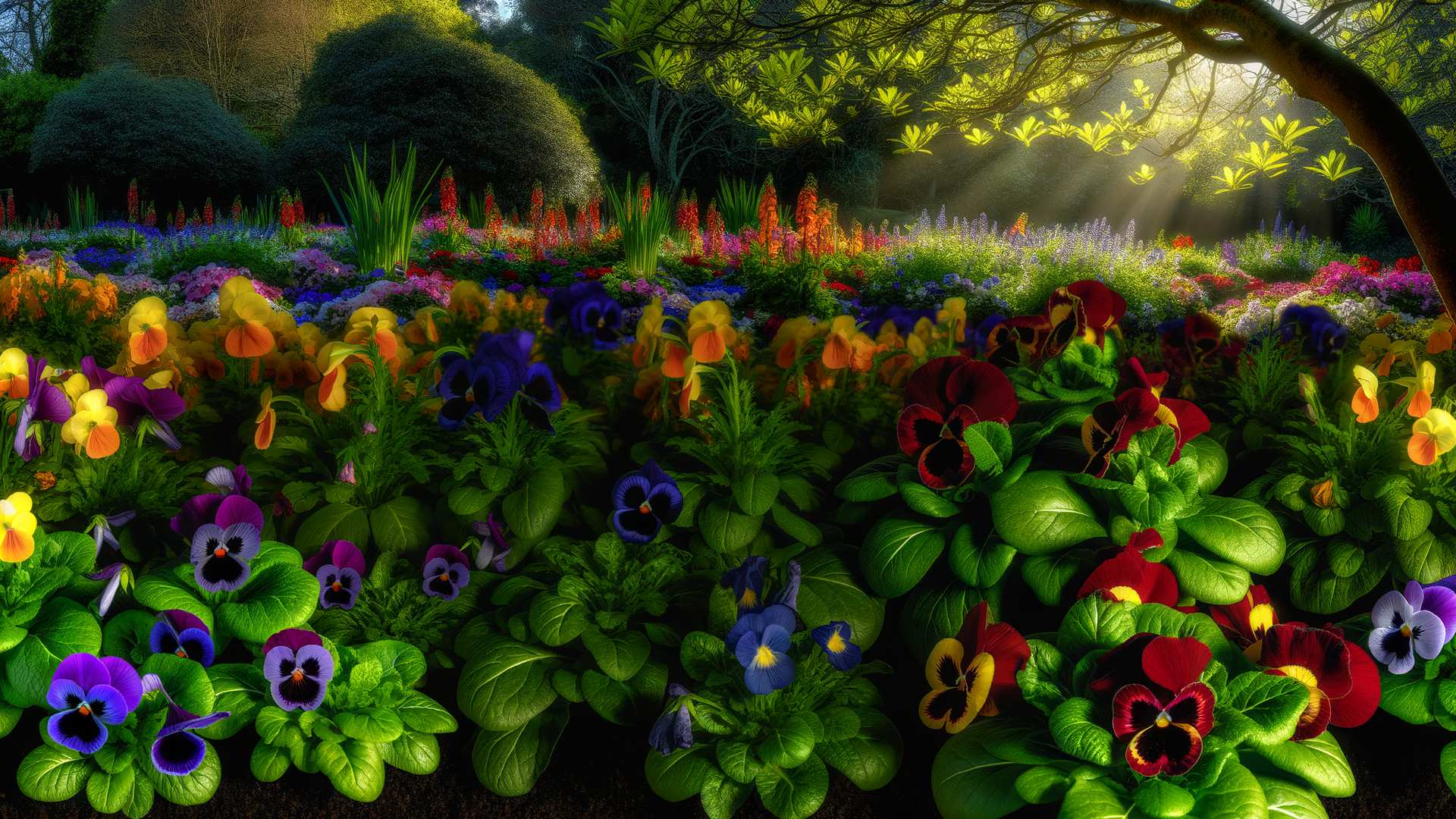
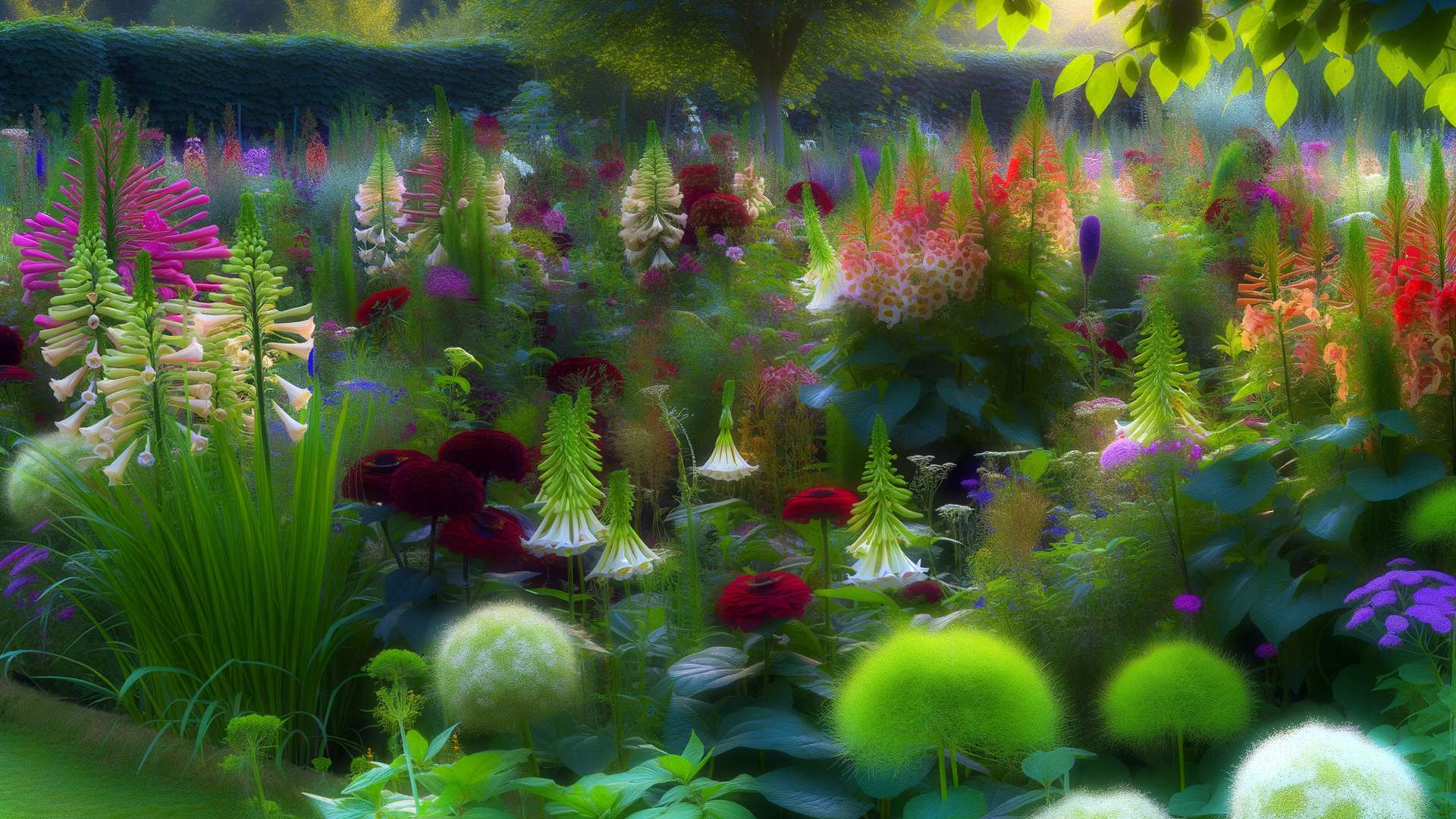
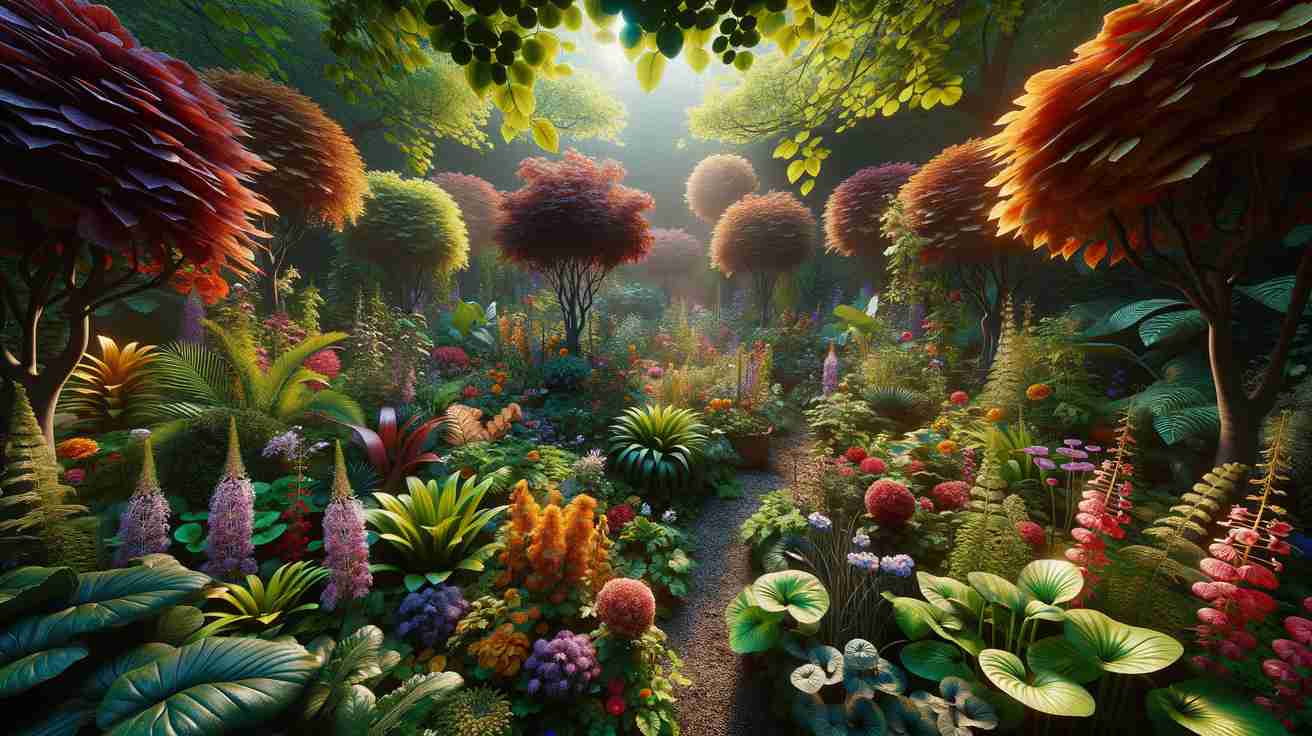
Maximalist gardens are characterized by their abundance. They eschew the sparse, controlled aesthetics of minimalist styles for a more generous, layered approach. In a maximalist garden, every corner is filled with life, texture, and color. These gardens celebrate diversity, mixing and matching plants, colors, and garden ornaments in a way that might seem random but is carefully curated to create a harmonious, albeit busy, landscape.
The Philosophy Behind the Design
Maximalism in gardening is about abundance and diversity, creating a space that feels alive and dynamic. It is a celebration of variety and the unexpected, drawing inspiration from cottage gardens, tropical paradises, and everything in between. This style encourages freedom of expression and personal touches, making each garden unique to its creator.
Planning Your Maximalist Garden
Before diving into planting, it's crucial to have a plan. Maximalist gardens may look spontaneous, but the best ones are the result of careful planning and thoughtful design.
Site Analysis and Preparation
Start by examining your garden space:
- Sunlight: Identify areas with full sun, partial shade, and full shade. This will influence plant selection.
- Soil: Test the soil to understand its pH and nutrient levels. Amend the soil as needed to support a wide variety of plants.
- Climate: Consider your local climate and choose plants that will thrive in your conditions.
Designing for Density and Variety
Maximalist gardens thrive on density and variety. Here are some key considerations:
- Layers: Use vertical space as well as horizontal. Plant ground covers, mid-height plants, and tall specimens to create a layered effect.
- Color and Texture: Incorporate a wide range of colors and textures. Mix foliage types—broad leaves, spiky grasses, and feathery ferns add visual interest.
- Eclectic Mix: Combine annuals, perennials, shrubs, and trees. This not only adds variety but also ensures continuous interest throughout the year.
Creating Focal Points
In a maximalist garden, focal points help draw the eye and provide a sense of direction:
- Sculptures and Ornamentation: Use garden art and sculptures as focal points. These can be classical or whimsical, depending on your taste.
- Water Features: A pond or fountain can be a central feature that attracts wildlife and adds a soothing sound.
- Seating Areas: Create small nooks with benches or chairs surrounded by plants to offer cozy spots for relaxation.
Selecting Plants for a Maximalist Garden
Choosing the right plants is crucial to creating a successful maximalist garden. Here are some strategies:
Embrace a Riot of Colors
Select plants with a wide range of flower colors. Think beyond the classic palette and include unexpected hues to create a vibrant tapestry:
- Bold Blooms: Dahlias, zinnias, and marigolds offer striking colors.
- Pastel Partners: Hydrangeas and peonies provide softer, complementary tones.
- Foliage: Consider plants with colorful leaves like coleus and heucheras.
Mix Different Plant Types
Incorporate a variety of plant types for an engaging display:
- Annuals and Perennials: Use annuals for a burst of seasonal color and perennials for long-lasting interest.
- Shrubs and Trees: Add structure and create microclimates within your garden.
- Climbers: Vines like clematis and wisteria can soften structures and add vertical interest.
Encourage Biodiversity
Maximalist gardens are ideal for supporting biodiversity:
- Pollinator-Friendly Plants: Lavender, echinacea, and salvias attract bees and butterflies.
- Native Species: Incorporate native plants, which are well adapted to local conditions and support local wildlife.
Maintaining Your Maximalist Garden
A lush garden requires ongoing care to keep it thriving and beautiful.
Regular Care and Maintenance
- Watering: Ensure consistent watering, especially during dry spells. Consider drip irrigation to efficiently water dense plantings.
- Pruning: Regularly prune to maintain shape and encourage healthy growth.
- Weeding: Dense plantings can help suppress weeds, but regular checks are necessary to keep them at bay.
Seasonal Tasks
- Spring: Divide perennials and plant new annuals. Check for any winter damage and repair as needed.
- Summer: Deadhead flowers to prolong blooming. Monitor for pests and diseases.
- Fall: Collect seeds for next year, mulch plants to prepare for winter, and plant spring bulbs.
Embracing Change
Maximalist gardens are dynamic, and they will change with the seasons and as plants mature. Embrace this change and allow the garden to evolve naturally. This means sometimes letting plants self-seed or allowing unexpected combinations to develop.
Designing Pathways and Access
Pathways are crucial in maximalist gardens to guide movement and offer different perspectives:
- Curved Paths: Create intrigue with winding paths that lead the eye through the garden.
- Materials: Use natural materials like gravel, bark, or stepping stones to integrate pathways seamlessly into the garden.
- Width: Ensure paths are wide enough for comfortable walking and maintenance.
Accessories and Decor
Maximalist gardens are an expression of personal style, so don't shy away from adding personal touches:
- Lighting: String lights or solar-powered lanterns add magic at night.
- Containers: Use pots and containers to add height and mobility to your plantings.
- Whimsy: Incorporate quirky elements like vintage finds or handmade crafts for character.
FAQs
1. What is the main difference between a maximalist and a minimalist garden?
A maximalist garden is characterized by its abundance of plants, colors, and textures, creating a lush and dynamic space. In contrast, a minimalist garden focuses on simplicity, with fewer plant varieties and a more restrained color palette.
2. How do I choose plants for a maximalist garden?
Select a broad variety of plants, including a mix of annuals, perennials, shrubs, and trees. Consider plant colors, textures, and forms to create a vibrant and engaging garden.
3. How can I make my garden look full without it becoming overgrown?
Plan for layers and ensure each plant has enough space to grow. Regular maintenance, such as pruning and deadheading, will help keep the garden looking tidy and prevent overgrowth.
4. Are maximalist gardens more work to maintain?
They can require more maintenance than minimalist gardens, particularly during the growing season. However, with proper planning and regular care, a maximalist garden can be manageable.
5. Can I have a maximalist garden in a small space?
Absolutely! Maximalist gardens can be adapted to any size. Use vertical planting, containers, and a diverse selection of plants to maximize space.
6. What are some good focal points for a maximalist garden?
Focal points can include sculptures, water features, seating areas, or even a particularly striking plant. Choose elements that reflect your personality and style.
7. How do I incorporate paths into a maximalist garden?
Design paths to wind through the garden, offering different viewpoints and experiences. Use natural materials to blend the paths into the garden seamlessly.
8. What are some must-have plants for a maximalist garden?
Consider bold bloomers like dahlias and zinnias, foliage plants like coleus, and perennial favorites like hydrangeas and lavender.
9. How do I deal with pests in a maximalist garden?
Promote biodiversity to naturally control pest populations. Regularly check plants for signs of pests, and use organic solutions to manage issues.
10. How can I make my maximalist garden sustainable?
Use native plants to support local wildlife, incorporate composting to enrich the soil, and use water-efficient irrigation methods to conserve water.
Discussion (0)
No comments yet. Be the first to start the conversation!
Leave a Reply