For two decades, I've cultivated a passion for growing tomatoes. I've relished the satisfaction of watching tiny seeds transform into lush plants heavy with juicy, ripe fruits. Yet, throughout these years, I made a fundamental mistake: I was watering my tomato plants incorrectly. It was a humbling realization, but one that has since transformed my approach to gardening. Here, I will share the insights learned from this journey, so that you, too, can nurture the healthiest, most productive tomato plants possible.
Understanding Tomato Plant Needs
The Importance of Water
Tomatoes, like all plants, rely on water to transport nutrients, maintain structure, and perform photosynthesis. However, tomatoes have a more nuanced relationship with water than many gardeners assume. Overwatering and underwatering can both lead to a host of problems, including blossom end rot, cracking, and poor fruit development. Understanding the delicate balance required is essential to growing thriving tomato plants.
Soil and Environment
The type of soil and environmental conditions greatly influence how much and how often you should water your tomatoes. Tomatoes prefer well-draining, loamy soil rich in organic matter. Such soil retains moisture while allowing excess water to drain away, preventing the roots from sitting in waterlogged conditions.
The Mistakes I Made
Overwatering
For many years, I assumed that more water meant more growth. I diligently watered my tomatoes every day, ensuring the soil was constantly moist. However, this led to root rot and other moisture-related diseases. I learned that consistently saturated soil deprives roots of oxygen, which is just as critical as water for plant health.
Watering at the Wrong Time
Initially, I would water my plants in the evening, thinking that cooler temperatures reduced evaporation. While this is true, it also increased the likelihood of fungal diseases, as the leaves and soil surface remained damp overnight.
Ignoring Mulch Benefits
I didn’t fully appreciate the power of mulch in regulating soil moisture. Without a protective layer, the soil around my tomato plants dried out quickly under the hot sun, leading to stress and inconsistent watering needs.
The Correct Approach to Watering Tomatoes
When and How Often to Water
The frequency of watering should be adapted to your climate, the growth stage of the plant, and the specific conditions of your garden. Generally, tomatoes need about 1-1.5 inches of water per week, but this can vary. A moisture meter is a valuable tool to determine soil moisture levels accurately. Instead of a strict schedule, water when the top inch of soil feels dry to the touch.
The Best Time to Water
Early morning is the ideal time to water tomatoes. This timing allows the plants to absorb water before the heat of the day and ensures that any moisture on the leaves evaporates quickly, reducing the risk of disease.
Technique: Watering at the Base
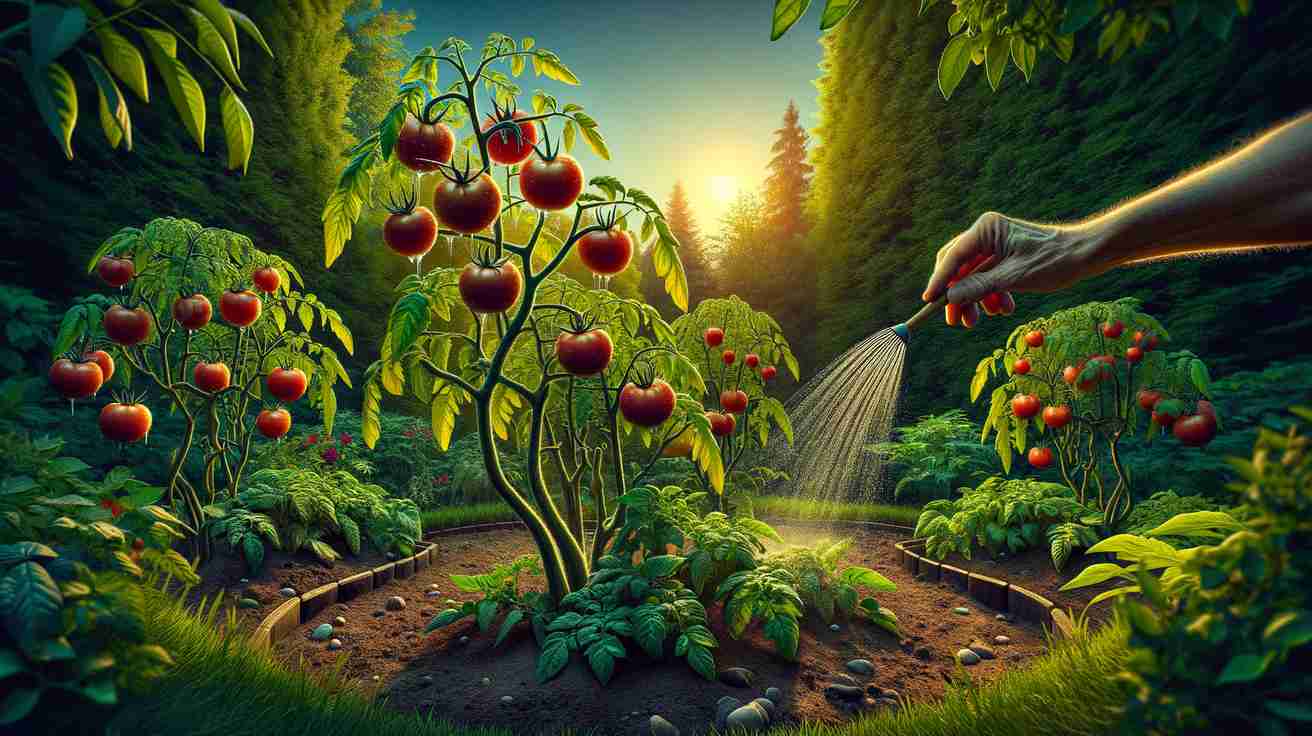
Always water at the base of the plant, directly onto the soil. This directs water to the roots where it’s needed most and minimizes wetting the foliage, which can lead to diseases. Drip irrigation systems or soaker hoses are perfect for this purpose, as they provide consistent moisture directly to the soil.
Mulching: A Gardener's Best Friend
Apply a layer of organic mulch, such as straw or shredded leaves, around the base of your tomato plants. This layer conserves soil moisture, suppresses weeds, and maintains a more consistent soil temperature. As the mulch breaks down, it also enriches the soil with organic matter.
Monitoring and Adjusting
Observing Plant Health
Regularly inspect your plants for signs of overwatering, such as yellowing leaves or wilting despite wet soil. Conversely, drooping leaves with dry soil indicate underwatering. Adjust your watering practices accordingly to meet the plants’ needs.
Seasonal Adjustments
As the season progresses, the watering needs of your tomatoes will change. Young seedlings require more frequent, lighter watering, whereas established plants benefit from deeper, less frequent watering. During fruiting, ensure consistent moisture to prevent cracking and blossom end rot.
Additional Tips for Successful Tomato Growing
Fertilization and Nutrition
In addition to proper watering, ensure your tomatoes receive balanced nutrition. Use a fertilizer high in phosphorus and potassium to support flowering and fruit development. Avoid excessive nitrogen, which promotes leafy growth at the expense of fruit.
Disease Prevention
To minimize disease risk, practice crop rotation and ensure good air circulation around your plants. Prune the lower leaves and any suckers to improve airflow and reduce humidity.
Choosing the Right Varieties
Select tomato varieties that suit your climate and growing conditions. Some varieties are more drought-tolerant or disease-resistant, which can make them easier to care for, especially in challenging environments.
Troubleshooting Common Tomato Watering Problems
Signs of Overwatering
- Yellowing leaves
- Wilting despite wet soil
- Root rot
Signs of Underwatering
- Wilting with dry soil
- Dry, cracking soil surface
- Stunted growth
Addressing Blossom End Rot
Blossom end rot is often a symptom of inconsistent watering. Maintain even moisture levels and ensure adequate calcium in the soil by adding lime or gypsum if necessary.
FAQs
1. How can I tell if my tomato plants need water?
Check the soil moisture by sticking your finger an inch into the soil. If it feels dry, it's time to water.
2. Can I water my tomatoes with a sprinkler?
It's best to avoid overhead watering as it wets the foliage and increases disease risk. Water directly at the base.
3. How do I prevent tomato cracking?
Ensure consistent watering, especially during fruit development, to prevent fluctuations in soil moisture.
4. Is it okay to water tomatoes with tap water?
Yes, but allow tap water to sit overnight to let any chlorine dissipate, especially if your water is heavily chlorinated.
5. Can I use gray water for my tomatoes?
Only use gray water that is free from harsh chemicals and detergents, as these can harm plants.
6. How much mulch should I use around my tomatoes?
Apply a 2-3 inch layer of mulch around the base of your plants, leaving space around the stem to prevent rot.
7. What's the best way to water tomato plants in containers?
Water containers thoroughly until water runs out of the drainage holes, ensuring even moisture distribution.
8. Can overwatering lead to pest problems?
Yes, consistently wet conditions can attract pests like fungus gnats and lead to rot issues.
9. Should I fertilize and water at the same time?
Yes, watering after fertilizing helps nutrients reach the roots and prevents fertilizer burn.
10. What should I do if my tomato plants are wilting?
First, check soil moisture. If dry, water immediately. If wet, improve drainage and reduce watering frequency.
Discussion (0)
No comments yet. Be the first to start the conversation!
Leave a Reply