

In the bustling world of gardening, a quiet revolution is taking place. More and more gardeners are turning to hot composting as a preferred method over traditional cold composting. This shift isn't just a trend; it’s a response to the need for efficiency, sustainability, and the desire to produce rich, fertile compost in a fraction of the time. Let's dig into why hot composting is gaining popularity and why you might want to make the switch.
What is Hot Composting?
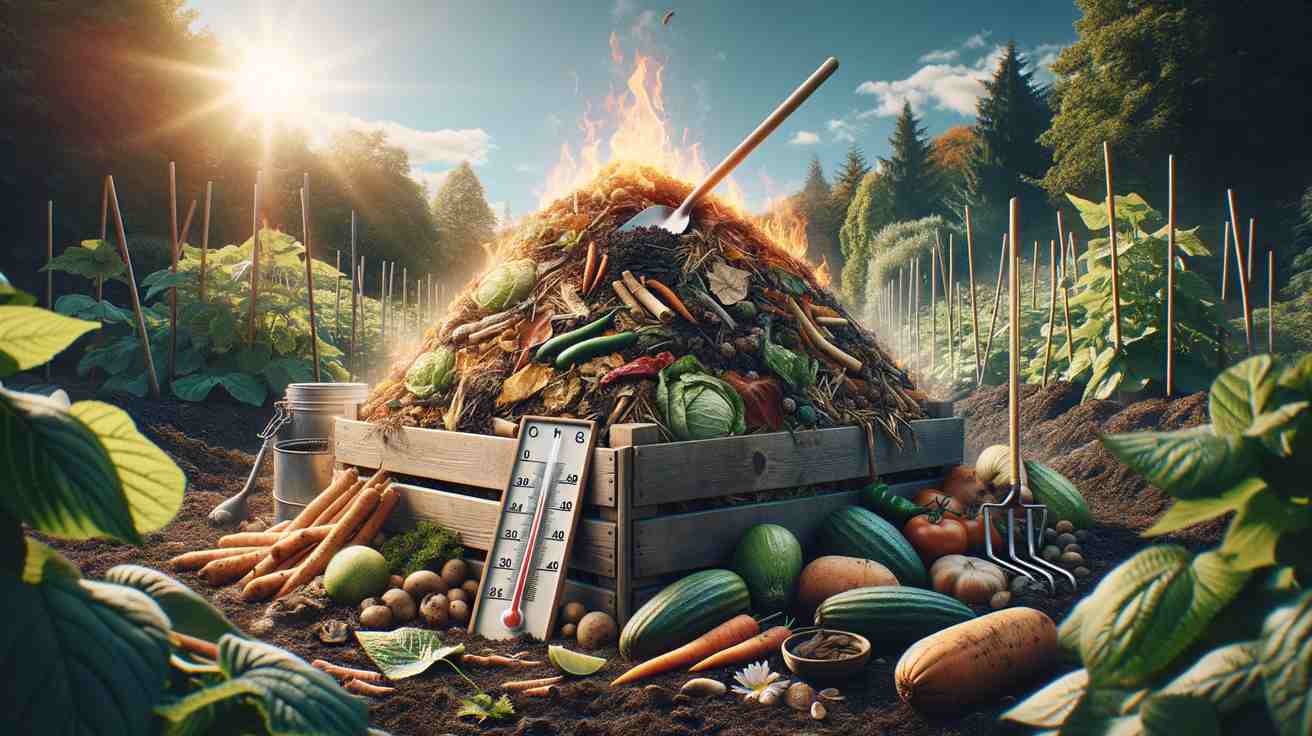
At its core, hot composting is a method that accelerates the decomposition of organic material by maintaining high temperatures, typically between 130°F to 160°F. This heat is generated naturally by the microbial activity within the compost pile. Unlike cold composting, which can take many months to break down materials, hot composting can produce usable compost in as little as 4 to 8 weeks.
How Does Hot Composting Work?
The process begins by creating the right mix of ingredients. A successful hot compost pile requires a balance of green materials (nitrogen-rich) such as grass clippings and kitchen scraps, and brown materials (carbon-rich) like leaves and shredded paper. The magic lies in layering these materials correctly, maintaining the right moisture levels, and ensuring adequate aeration.
-
Layering Materials: Start with a layer of coarse materials like twigs or straw to aid drainage and aeration. Follow this with alternating layers of greens and browns in equal measure.
-
Moisture Content: The pile should be as damp as a wrung-out sponge. Too much moisture can lead to anaerobic conditions, while too little will slow down microbial activity.
-
Aeration: Regular turning of the pile, about once a week, is crucial. This introduces oxygen, which fuels the aerobic microbes responsible for heating the pile.
Benefits of Hot Composting
- Speed: The most compelling advantage is the time it saves. While cold composting can take a year or more, hot composting delivers results in weeks.
- Pathogen and Weed Seed Destruction: The high temperatures achieved in hot composting effectively kill off most pathogens and weed seeds, producing a cleaner compost.
- Volume Reduction: Hot composting reduces the volume of waste more effectively, making it ideal for gardeners with limited space.
Why Gardeners are Switching
The switch from cold to hot composting is driven by practical benefits that align with modern gardening needs.
Sustainability and Environmentally Friendly
Hot composting is a more environmentally friendly option as it reduces methane emissions compared to cold composting. Methane is a potent greenhouse gas, and minimizing its release is beneficial for the environment. Additionally, hot composting enables gardeners to recycle a larger variety of organic materials, thus reducing waste.
Quality Compost
The end product of hot composting is often richer in nutrients. The high temperatures help in breaking down the materials more completely, resulting in compost that is finer and better integrated, enhancing soil health and plant growth.
Space and Efficiency
For urban gardeners or those with limited space, hot composting's ability to quickly reduce waste volume is invaluable. This efficiency means fewer trips to dispose of garden and kitchen waste, and more space for other gardening activities.
How to Get Started with Hot Composting
Hot composting requires a bit more initial effort compared to cold composting, but the results make it worthwhile.
Selecting a Site
Choose a location that gets partial sunlight to help maintain temperature but is not in direct sunlight all day, which could dry out the pile too quickly. Ensure the site has good drainage to prevent waterlogging.
Building a Compost Bin
You can either purchase a commercial compost bin or build your own using pallets or wire mesh. The bin should be large enough to allow the pile to heat up—ideally, at least 3x3x3 feet.
Ingredients and Layering
Collect a variety of green and brown materials. Aim for a ratio of about 2 parts brown to 1 part green material. Avoid adding meat, dairy, or oils, as they can attract pests and create odor problems.
Monitoring and Maintenance
- Temperature Monitoring: Use a compost thermometer to keep an eye on the pile's temperature. Aim for the 130°F to 160°F range.
- Turning the Pile: Turn the pile every 4-5 days to keep it aerated. This can be done with a garden fork or shovel.
- Moisture Check: Add water if the pile feels dry, but avoid making it too wet.
Common Challenges and Solutions
Pile Not Heating Up
If the compost pile fails to heat up, it could be due to insufficient materials, poor aeration, or incorrect moisture levels. Ensure you have the right balance of greens and browns and turn the pile regularly.
Unpleasant Odors
Foul smells often result from anaerobic conditions. Ensure the pile is adequately aerated and not too wet. Regular turning and adding dry browns can help mitigate this issue.
Pest Problems
To avoid pests, ensure that the pile is well-covered and does not include attractants like meat or dairy. A wire mesh can help keep larger animals out.
Conclusion
Hot composting is revolutionizing how gardeners approach composting, offering a faster, more efficient, and environmentally friendly option. By providing rich, nutrient-dense compost in a fraction of the time, hot composting empowers gardeners to enhance their soil health and reduce waste more effectively. With the right setup and maintenance, any gardener can take advantage of this method to create a thriving garden.
Frequently Asked Questions
-
What is the ideal temperature for hot composting?
- The ideal range is between 130°F to 160°F.
-
How often should I turn my compost pile?
- It's recommended to turn the pile every 4-5 days.
-
Can I compost meat and dairy in a hot compost system?
- It's best to avoid these as they can attract pests and create odors.
-
How long does it take to make compost using hot composting?
- Typically, it takes about 4 to 8 weeks.
-
What are the key ingredients for hot composting?
- A mix of green (nitrogen-rich) and brown (carbon-rich) materials.
-
Why is my compost pile not heating up?
- Check the balance of materials, moisture levels, and ensure it's turned regularly.
-
Can hot composting be done in a small garden?
- Yes, but ensure the pile is at least 3x3x3 feet to maintain heat.
-
What should I do if my compost smells bad?
- Turn the pile to aerate it and check moisture levels.
-
Is hot composting safer for the environment?
- Yes, it reduces methane emissions and recycles waste more efficiently.
-
Do I need a special bin for hot composting?
- While you can buy a commercial bin, a simple DIY bin works too.
Discussion (0)
No comments yet. Be the first to start the conversation!
Leave a Reply