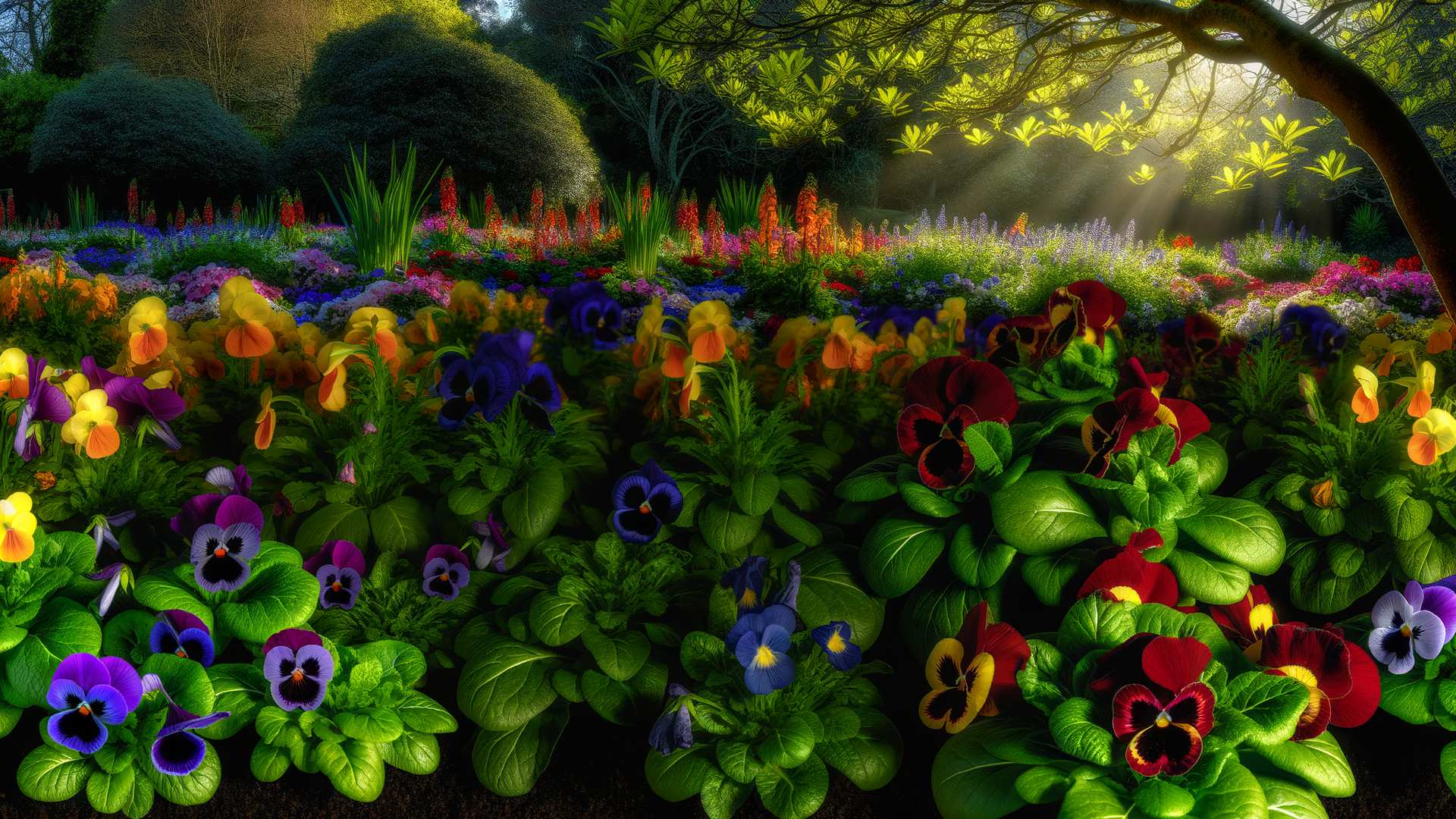
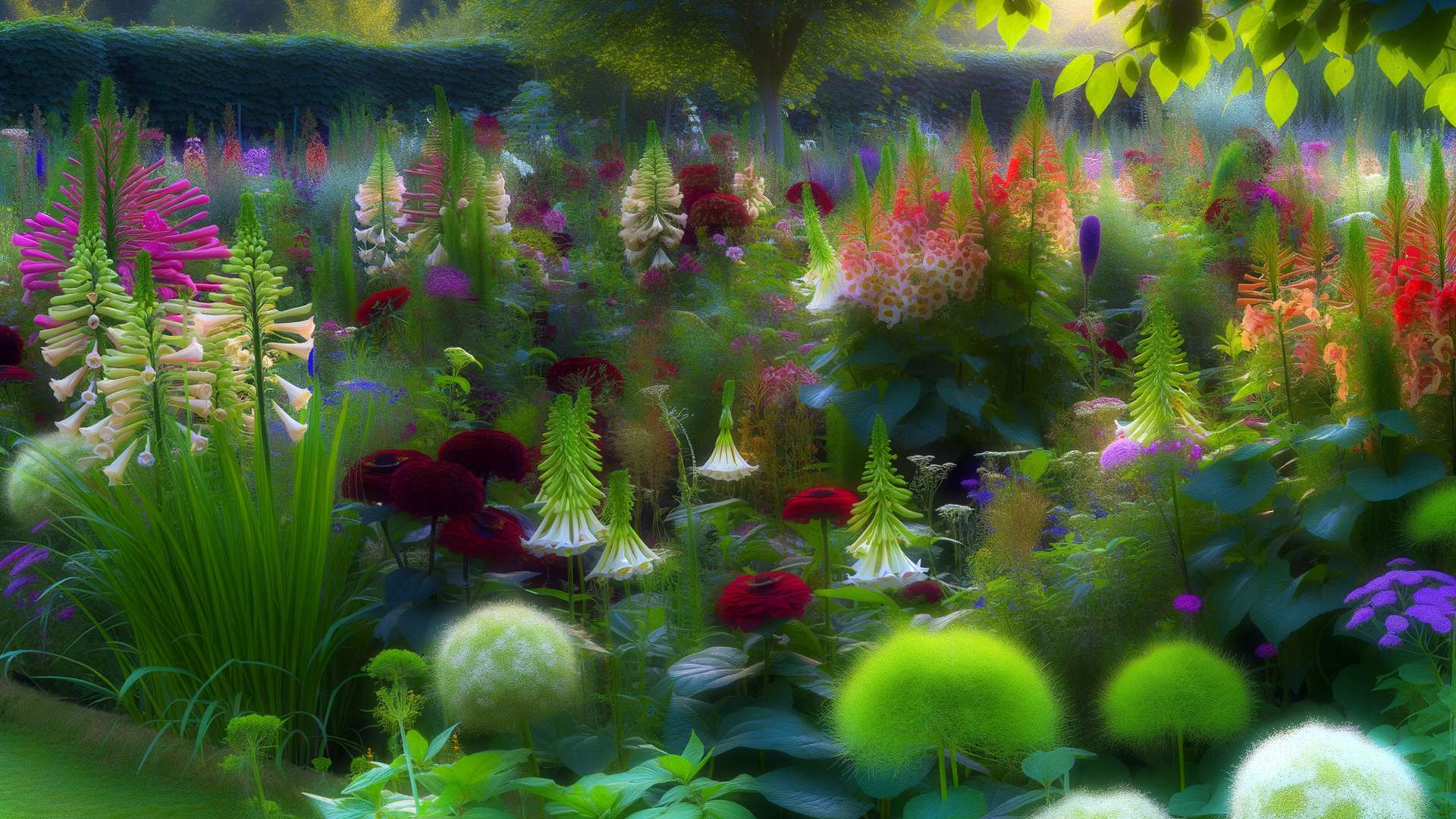

It was a chilly March morning when I first noticed something unusual from my kitchen window. My neighbor, Mrs. Thompson, was already outside, battling the cold with fervent dedication. Her garden, a visual symphony of colors and life, blossomed with a brilliance that defied the early frost. As I watched, I wondered how she achieved such magic in her garden every March. My curiosity piqued, I decided to uncover the secret behind her seemingly perfect garden—and embark on a journey to transform my dull patch into a vibrant paradise.
Understanding the Basics of a Perfect March Garden
Before diving into the specifics, it's essential to understand the foundation of a successful March garden. The change of seasons has its own magic, but it also requires strategic planning and a keen understanding of nature's cues.
Timing Is Everything
One of the most crucial aspects is timing. Mrs. Thompson knew exactly when to start planting to ensure her flowers bloomed magnificently by March. Learning to read your local climate and recognizing the ideal times to prepare and plant can make all the difference.
Soil Preparation
The health of a garden starts from the ground up. Mrs. Thompson spent countless weekends enriching her soil. Rich, well-draining soil is the heartbeat of any thriving garden, and a good soil test can provide invaluable insights into what your plot needs.
Choosing the Right Plants
Selecting the right blend of plants that thrive in early spring is vital. Daffodils, tulips, and crocuses are popular choices for March, adding vibrant colors to any garden.
Strategic Planting Techniques
Once the basics are in place, it's time to delve into the techniques that can set your garden apart.
Layered Planting
Mrs. Thompson’s secret weapon was her knack for layered planting. By placing taller plants at the back and shorter ones at the front, she created a lush, multi-dimensional vista that felt remarkably larger than it was.
Companion Planting
Through years of experience, Mrs. Thompson mastered the art of companion planting—pairing plants that benefit from each other’s presence. This method not only promotes healthier growth but also naturally deters pests.
Implementing an Effective Watering Schedule
Water, the essence of life, is critical to the health of your garden.
Consistency Over Quantity
Mrs. Thompson taught me that it's less about the amount and more about the consistency. Regular, moderate watering, especially during dry spells, encourages roots to delve deeper, anchoring plants firmly against the whims of March weather.
Early Morning Watering
To prevent mold and encourage strong growth, watering your garden in the early morning is ideal. This allows moisture to soak in before the mid-day sun evaporates it.
The Role of Mulching
Mulching acts as an unsung hero, providing protection and nourishment that your March garden needs to thrive.
Organic Mulch Options
Using organic mulches like bark, wood chips, or straw not only retains moisture and suppresses weeds but also enriches the soil as they break down.
The Right Timing
Mulching towards the end of winter helps prepare the soil for the upcoming bloom. Mrs. Thompson would often advise laying mulch just as the first signs of life began stirring in the garden.
Emphasizing Maintenance and Care
Gardening is not just about planting; maintenance plays a crucial role in the ongoing health and beauty of the garden.
Regular Weeding
Weeding is an often underestimated task, but consistent removal of weeds keeps your garden looking tidy and prevents nutrient competition.
Pruning and Deadheading
Regular pruning and deadheading not only enhance the visual appeal but also encourage more substantial and abundant flowering.
Protecting Your Garden from Early Spring Pests
Even the most beautiful gardens face challenges, and pests are unwelcome guests every gardener must confront.
Natural Pest Deterrents
Mrs. Thompson relied on natural deterrents, such as neem oil and garlic sprays, to ward off pests without harming the beneficial insects that contribute to a garden’s health.
Attracting Beneficial Insects
Encouraging the presence of beneficial insects like ladybugs and bees can naturally mitigate pest issues while supporting plant pollination.
Advanced Techniques for the Ambitious Gardener
For those looking to elevate their garden game further, there are advanced techniques that can transform a modest landscape into a horticultural masterpiece.
Greenhouse Implementation
Utilizing a small greenhouse can extend growing seasons and provide a controlled environment ideal for starting plants early.
Vertical Gardening
Vertical gardening is a brilliant way to maximize limited space, offering a fresh perspective on traditional planting by using walls or trellises.
Building a Sustainable Garden
Sustainability is more than a buzzword—it's a practice that ensures your garden thrives for years to come.
Composting
Mrs. Thompson’s garden benefited immensely from composting kitchen waste and garden scraps, enriching her soil and reducing unnecessary waste.
Water Conservation
Implementing rain barrels and choosing drought-resistant plants can promote sustainability, ensuring your garden remains resource-efficient and resilient.
Embracing the Community Spirit
Gardening can be a solitary pursuit, but it can also bring a community together.
Joining Local Garden Clubs
Participating in local garden clubs can provide mentoring opportunities and camaraderie with other passionate gardeners.
Sharing the Harvest
Sharing your garden's bounty with neighbors fosters goodwill and continuous exchange of gardening tips and successes.
Frequently Asked Questions
How can I determine the right planting time for my region?
Research local planting calendars and chat with experienced gardeners in your community to gauge the best times for your area.
What is the best way to test my soil?
Use a soil testing kit or send a sample to a local agricultural extension office for a detailed analysis.
Which plants are best for early spring in cold regions?
Hardy bulbs such as daffodils and crocuses, as well as cold-tolerant vegetables like kale and spinach, are excellent choices.
How do I prevent overwatering my garden?
Invest in a moisture meter to gauge soil hydration levels accurately and establish a watering schedule based on those readings.
What are the benefits of organic mulch over non-organic?
Organic mulch breaks down and enriches the soil, while non-organic mulch, like rubber, doesn’t provide nutritional benefits but can suppress weeds effectively.
Can companion planting really deter pests?
Absolutely! Certain plant combinations can naturally repel pests, reducing the need for chemical pesticides.
What are some common signs of pest infestation?
Look for signs such as chewed leaves, discolored foliage, or a noticeable decrease in plant vigor.
How do I implement vertical gardening in a small space?
Use trellises, wall planters, or hanging pots to maximize vertical space for climbing or sprawling plants.
How can I attract more pollinators to my garden?
Incorporate a variety of flowering plants with staggered bloom times to provide a consistent food source throughout the growing season.
Why is composting beneficial for a garden?
Composting reduces waste, recycles nutrients back into the soil, and improves soil structure and fertility over time.
Discussion (0)
No comments yet. Be the first to start the conversation!
Leave a Reply