Create Your Dream Pollinator Garden This March: Quick Tips to Thrive in 2026!
A Blossoming Passion: My Garden Story
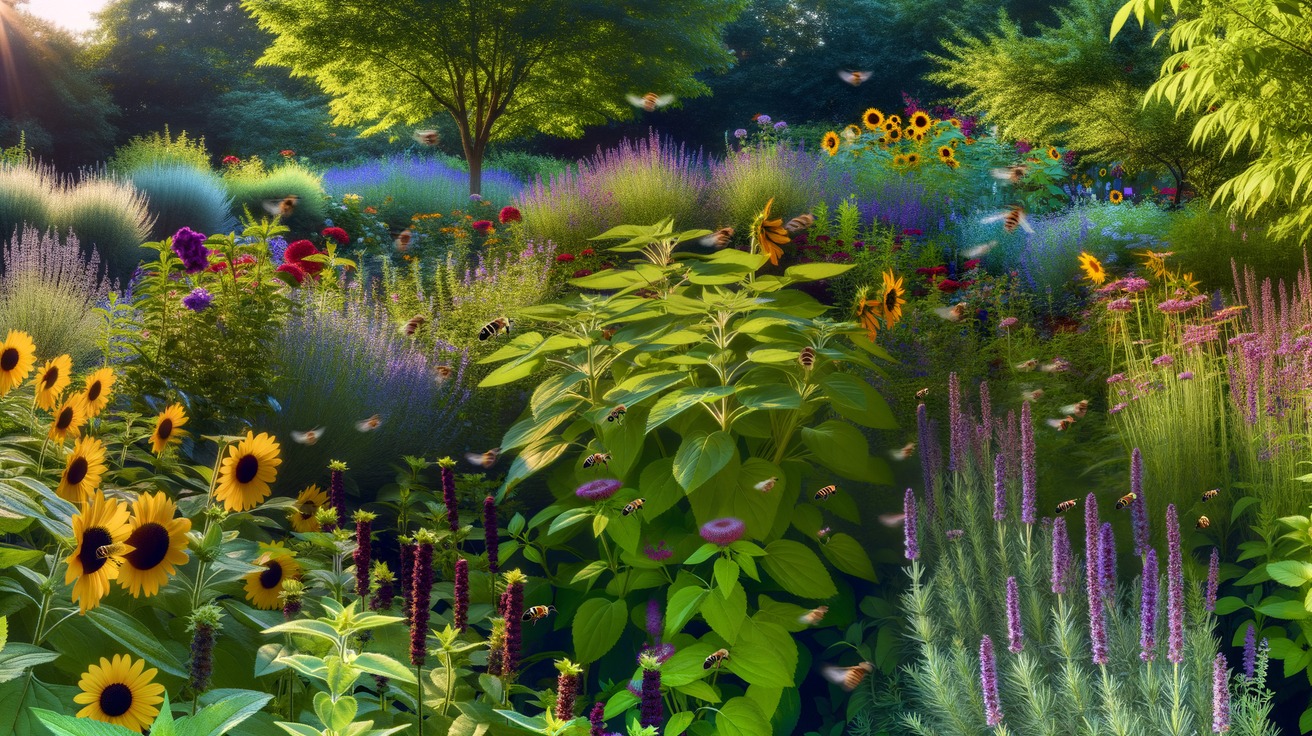
It was a crisp March morning when I first felt the magic of a pollinator garden. The sun had just kissed the horizon, bathing my garden in a gentle orange glow. The air was alive with a melody of buzzing bees and fluttering butterflies. My heart raced with excitement as I watched these tiny creatures dance among the blooms I had nurtured with love and care. Witnessing the sheer vibrancy and life in my garden, I felt an indescribable connection to nature. It was in those moments I realized the profound impact a thriving pollinator garden can have, not just on the ecosystem, but on my spirit.
March 2026 presents a perfect opportunity to start your journey of creating such a magical space. Whether you're a seasoned gardener or a hopeful beginner, crafting your own garden for pollinators can transform your yard into a vibrant haven for bees, butterflies, and birds. Let’s embark on this journey together, where you too can experience the joy and satisfaction of cultivating life and beauty.
Understanding Pollinator Gardens
What is a Pollinator Garden?
A pollinator garden is a specifically designed space that provides a habitat for pollinating insects like bees, butterflies, hummingbirds, and bats. Unlike typical gardens, these spaces focus on promoting biodiversity and support species that are essential for pollination, which is critical for plant reproduction and food production.
Why Are Pollinators Important?
Pollinators are responsible for about one-third of the food we consume. They help fertilize plants, leading to the production of fruits, vegetables, and seeds. The decline of pollinator populations due to habitat loss, pesticides, and climate change highlights the urgent need for dedicated spaces that can provide them with food and shelter.
Planning Your Pollinator Garden
Choosing the Right Spot
Select a location that receives plenty of sunlight, as most pollinator-friendly plants thrive in bright conditions. A spot close to a water source can be beneficial, as many pollinators need water to survive. Ensure the area is also protected from strong winds, which can deter delicate butterflies and bees.
Plant Selection
Native plants are the backbone of a successful pollinator garden. They are adapted to local climates and are more likely to attract native pollinators. Research and choose a variety of plants that bloom at different times throughout the growing season to provide a consistent supply of nectar and pollen.
Recommended Plants for March Planting
- Milkweed: Essential for monarch butterflies.
- Coneflowers: A favorite among bees and butterflies.
- Lavender: Attracts bees and imparts a lovely fragrance.
- Goldenrod: Provides late-season nourishment.
- Bee Balm: A magnet for hummingbirds and bees.
Creating a Design
Design your garden in layers, with taller plants at the back and shorter ones at the front. Include a variety of colors and shapes to attract different species. Provide open spaces for sunlight and areas for windbreaks. Adding sheltering elements like rock piles, logs, or small water features can also enhance your garden's appeal.
Establishing and Caring for Your Garden
Preparing the Soil
Healthy soil is fundamental for a thriving garden. Begin with a soil test to determine nutrient levels and pH balance. Incorporate organic matter such as compost to improve soil structure and fertility. Aim for well-drained yet moisture-retentive soil to support diverse plant life.
Planting Techniques
When planting your selections, group similar species together to aid cross-pollination. Space plants appropriately to allow air circulation and prevent disease. Water your plants immediately after planting, and consider using mulch to retain moisture and suppress weeds.
Maintaining the Ecosystem
Limit pesticide use to protect pollinators. Opt for integrated pest management strategies and encourage natural predators. Regularly deadhead spent flowers to promote continuous blooming. Monitor for diseases and pests, and take action promptly if issues arise.
Embracing Biodiversity
Inviting Beneficial Insects
Apart from pollinators, your garden can become a home for beneficial insects that control pest populations. Encourage the presence of ladybugs, lacewings, and praying mantises by providing appropriate habitats and refraining from harmful pesticides.
Supporting Birdlife
Birds play a pivotal role in the ecosystem and can help manage insect populations. Include bird feeders, nesting boxes, and water sources. Plants like sunflower and coneflower provide natural food sources that attract various bird species.
Ten FAQs About Pollinator Gardens
1. What makes a plant pollinator-friendly?
Pollinator-friendly plants typically have brightly colored flowers with ample nectar and pollen. They are often fragrant, with a structure that facilitates pollinator access.
2. How do I attract specific pollinators like butterflies?
To attract butterflies, include a range of nectar-rich flowers and provide sunny areas for basking. Plant milkweed to support monarch caterpillars.
3. Can I use any flowers in my pollinator garden?
While most flowers offer some benefits, native species are preferred as they are more familiar and accessible to local pollinators. Exotic plants might not provide adequate resources.
4. How large should my pollinator garden be?
Pollinator gardens can vary in size, from container gardens on a balcony to sprawling backyard spaces. The key is diversity and providing continual blooms.
5. Is it necessary to have a water source?
While not essential, a shallow water source is beneficial. Consider a bird bath or shallow dish with stones for insects to land on safely.
6. How can I protect pollinators from pesticides?
Use natural pest control methods and encourage predators. If necessary, apply organic or targeted pesticides during times when pollinators are inactive.
7. What is succession planting?
Succession planting involves planting varieties that bloom at different times to ensure continuous flowering and resources for pollinators throughout the year.
8. Can a pollinator garden improve vegetable yields?
Yes, pollinator gardens increase pollinator activity, which can enhance the pollination of nearby vegetable and fruit plants, improving yields.
9. Should I remove all non-native plants?
Not necessarily. Some non-native plants can still provide resources for pollinators. Balance is key, with a focus on supporting native plant communities.
10. How do I get started if I have never gardened before?
Start small, with a few pots or a small patch of land. Choose easy-to-grow plants like coneflowers or lavender, and gradually expand as you gain confidence and experience.
Discussion (0)
No comments yet. Be the first to start the conversation!
Leave a Reply