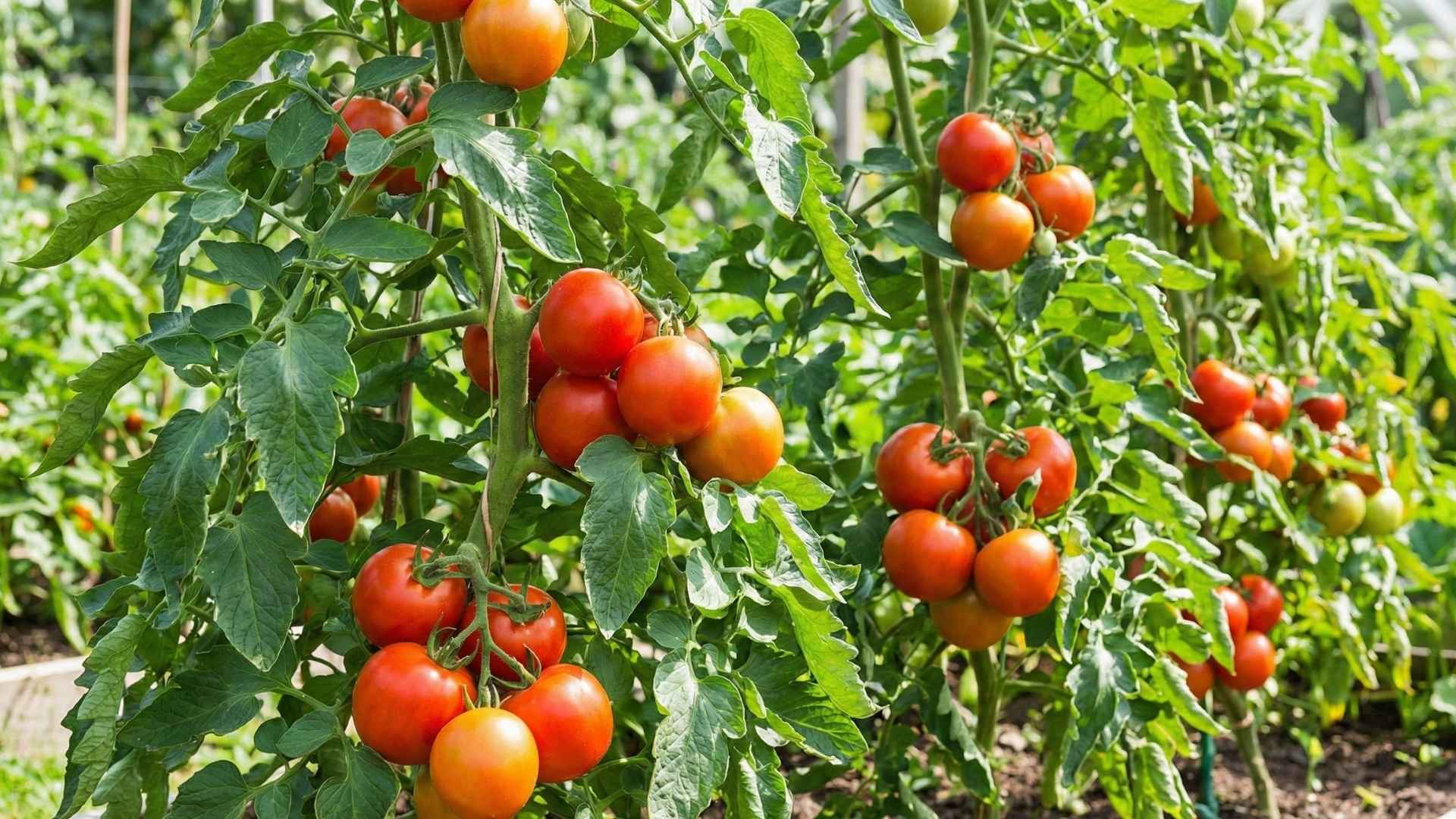
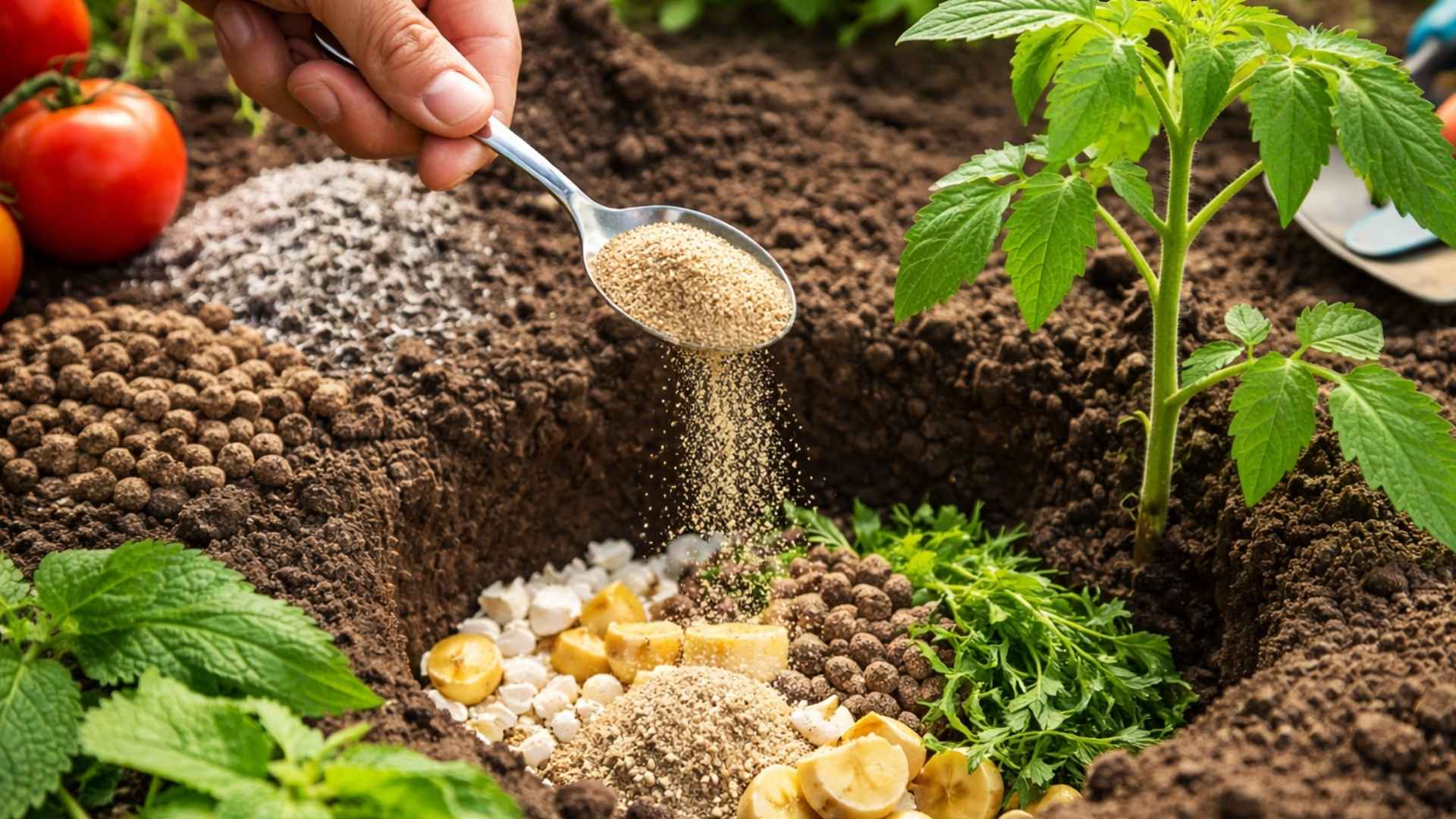
The idea sounds almost too simple: add just one tablespoon of the right natural ingredient into the planting hole, place the seedling, water well — and the plant behaves as if it received a professional boost.
This approach has exploded in popularity because it works with plant physiology and soil biology, not against them. Instead of feeding leaves later, nutrients are placed exactly where young roots can access them from day one.
When done correctly, this method leads to faster establishment, stronger stems, earlier flowering, and longer fruiting — without synthetic fertilizers or expensive products.
Why the Planting Hole Matters More Than Surface Feeding
The first two weeks after transplanting determine how productive a tomato plant will be for the entire season.
At this stage:
- roots are shallow and sensitive,
- nutrient demand is high,
- stress resistance is being programmed.
By enriching the soil directly in the planting hole, nutrients are released gradually in the root zone instead of being washed away from the surface. This creates a localized, biologically active micro-environment that supports root growth and beneficial microbes.
One Tablespoon That Changes Everything: The Core Principle
The key is concentration and balance, not quantity.
A small amount of the right organic material:
- stimulates root branching,
- improves nutrient uptake,
- activates soil life,
- avoids burning or overfeeding.
The planting hole becomes a slow-release nutrient capsule.
Nettle for the Start: Fast Growth and Strong Green Mass
Young nettle is one of the most underestimated planting-hole additives.
Why it works:
- rich in potassium, iron, and trace minerals,
- supports chlorophyll production,
- stimulates early vegetative growth.
How to use:
- finely chop fresh young nettle,
- add 1 tablespoon to the bottom of the hole,
- lightly mix with soil before planting.
This gives tomatoes and peppers a strong, confident start without excessive nitrogen shock.
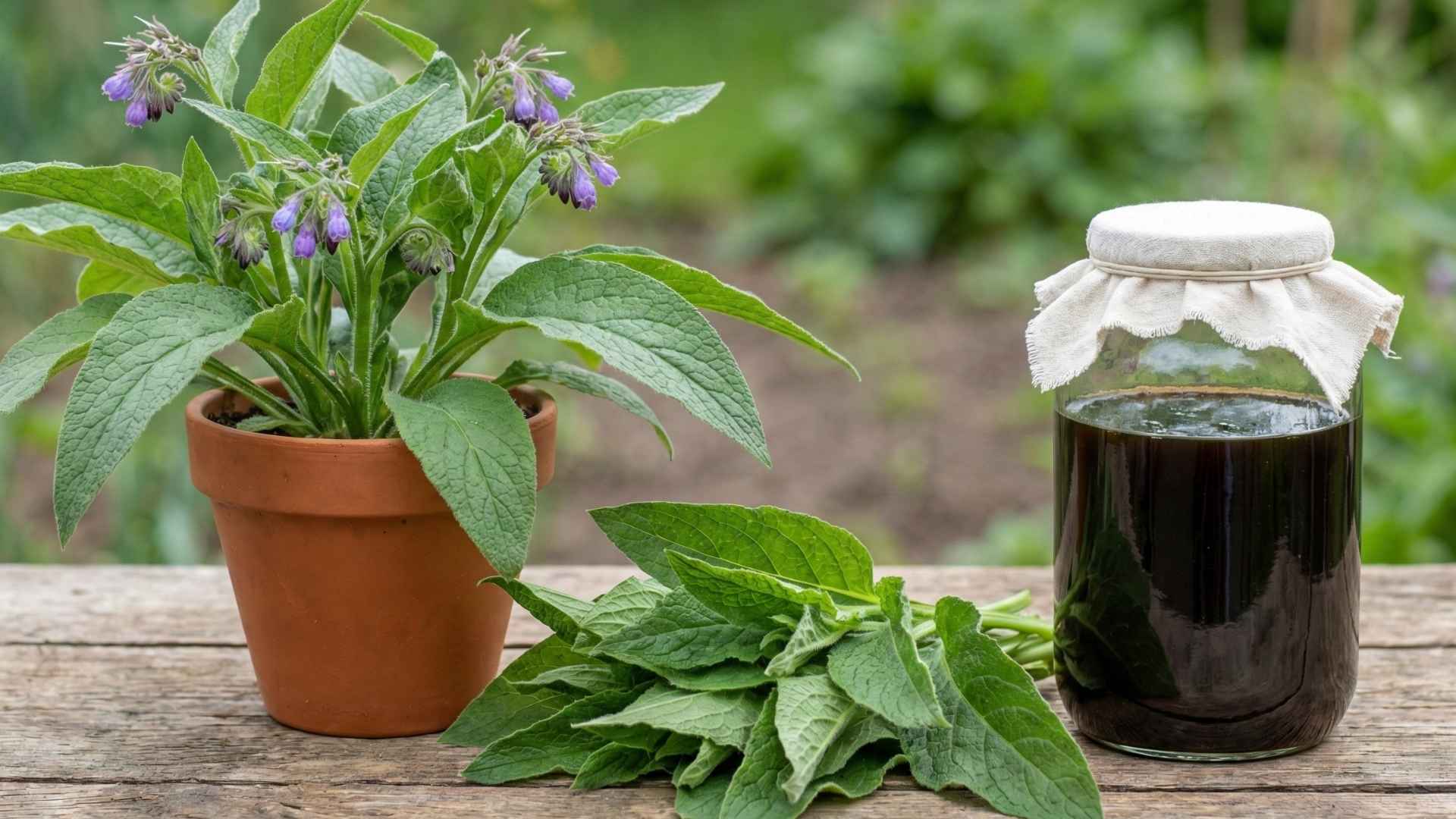
Comfrey for Flowering and Fruit Set
Comfrey plays a different role — and timing matters.
It is especially valuable for:
- flowering initiation,
- fruit formation,
- cell wall strength.
Comfrey leaves contain high levels of potassium and calcium, critical for blossom development and fruit quality.
Best practice:
- use chopped comfrey leaf or root compost,
- apply sparingly (½–1 tablespoon),
- never place directly against roots — mix with soil.
This supports abundant flowering and reduces issues like blossom-end rot later in the season.
Yeast: Awakening Soil Biology
Baker’s yeast does not feed plants directly — it feeds the soil.
Benefits include:
- stimulation of beneficial microorganisms,
- improved nutrient mineralization,
- increased root-zone activity.
Safe method:
- use dry yeast,
- no more than ½ teaspoon per hole,
- always mix with soil and organic matter.
Yeast works best when combined with plant-based additives like nettle or vegetable scraps.
Manure Done Right: Chicken or Cattle
Manure can be powerful — or destructive — depending on preparation.
What works:
- well-composted chicken or cattle manure,
- aged at least 6–9 months,
- finely broken down.
Amount:
- 1 tablespoon mixed thoroughly with soil,
- never fresh manure,
- never in direct root contact.
Properly aged manure provides nitrogen, phosphorus, and organic matter without root damage.
Kitchen Scraps That Actually Belong in the Planting Hole
Not all scraps are equal. Some are genuinely valuable when used correctly.
Recommended:
- crushed eggshells (calcium source),
- banana peel powder (potassium),
- vegetable peel compost (micronutrients).
Avoid:
- citrus peels,
- salty leftovers,
- oily residues.
All scraps must be:
- finely chopped or powdered,
- mixed with soil,
- used in very small quantities.
What Not to Put in the Hole (Common Mistakes)
More is not better.
Avoid:
- fresh manure,
- large chunks of organic matter,
- ash in excess (raises pH too fast),
- synthetic fertilizers at planting.
Overloading the hole can cause root burn, oxygen deprivation, or nutrient lockout.
Results You Can Expect When Done Correctly
Gardeners using this method consistently report:
- faster recovery after transplanting,
- thicker stems,
- deeper root systems,
- earlier flowering,
- extended fruiting into late season.
This is not magic — it is targeted nutrition aligned with plant biology.
FAQ – Natural Planting Hole Fertilizers
1. Can I really use just one tablespoon?
Yes. The effectiveness comes from placement and nutrient density, not volume.
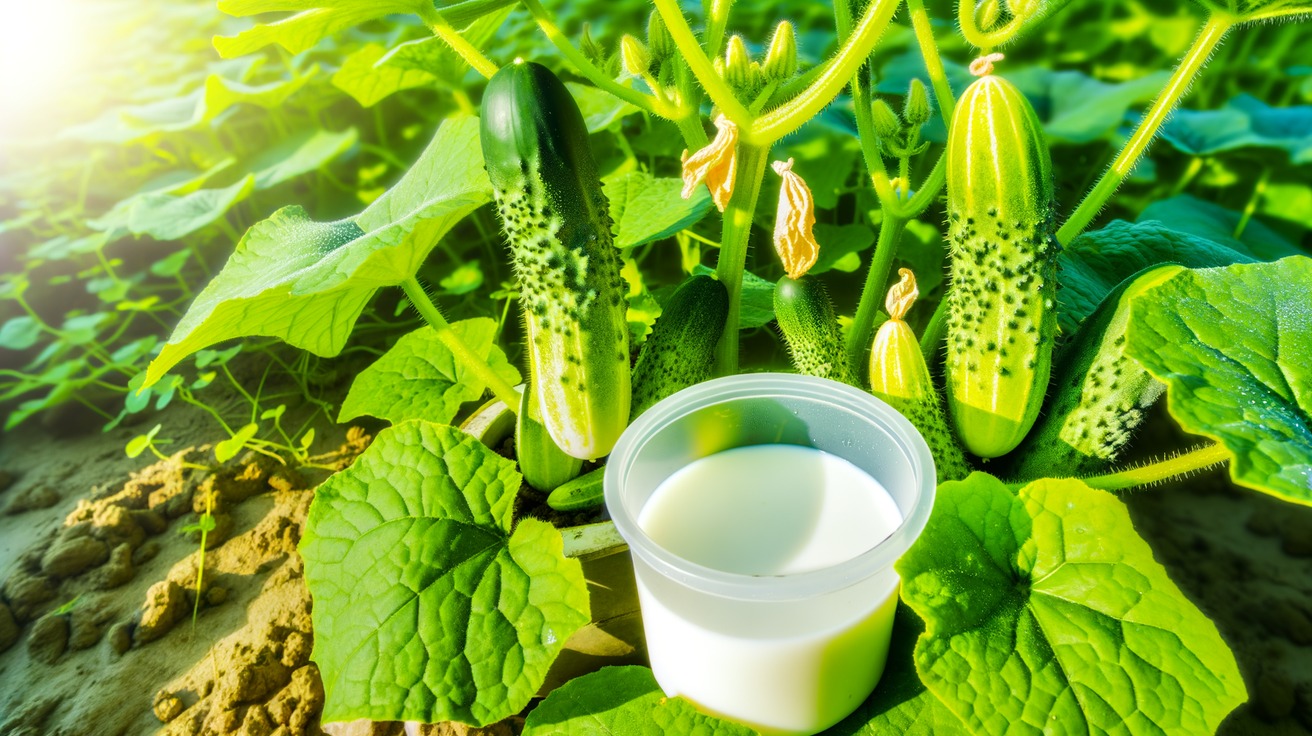
2. Is this method safe for peppers and cucumbers?
Yes. The same principles apply, with slightly reduced amounts for cucumbers.
3. Can I combine nettle and comfrey?
Yes, but keep total quantity small and mix well with soil.
4. Are yeast-based additives mandatory?
No, but they enhance microbial activity when used correctly.
5. Is wood ash a good option?
Only in very small amounts and only if soil is acidic.
6. Can I repeat this later in the season?
This method is for planting time. Later feeding should be done differently.
7. Does this replace compost?
No. It complements compost but does not replace healthy soil structure.
8. Will this affect soil pH?
When used correctly, changes are minimal and localized.
9. Can I prepare planting holes in advance?
Yes, 1–3 days before planting is ideal.
10. Is this suitable for container-grown tomatoes?
Yes, but reduce amounts by half and ensure excellent drainage.
Discussion (1)
THANK's Kamil :)
Leave a Reply