At some point every gardener reaches the same moment of frustration: healthy-looking plants, plenty of leaves, but disappointing yields. Flowers drop, fruits stay small, or growth slows for no obvious reason. That is exactly the stage where many experienced growers reach for a microbial growth booster rather than another standard fertilizer.
This article explains a simple yeast-based solution that has gained attention because of one consistent claim: when used correctly, it can dramatically increase yields of tomatoes, cucumbers, and other vegetables. The method is not about force-feeding plants — it is about activating biological processes in the soil that plants already rely on.
Everything below is rewritten, reorganized, and expanded into a fully original, experience-based guide designed for gardeners who want results without harming soil health.
Why Yeast Can Increase Vegetable Yields
Yeast is not a fertilizer in the classic sense. It does not directly feed plants with large amounts of nitrogen, phosphorus, or potassium. Instead, it works as a biological catalyst.
When introduced into the soil:
- yeast stimulates microbial activity,
- soil organisms become more efficient at releasing nutrients,
- root zones become biologically active,
- plants absorb existing nutrients more effectively.
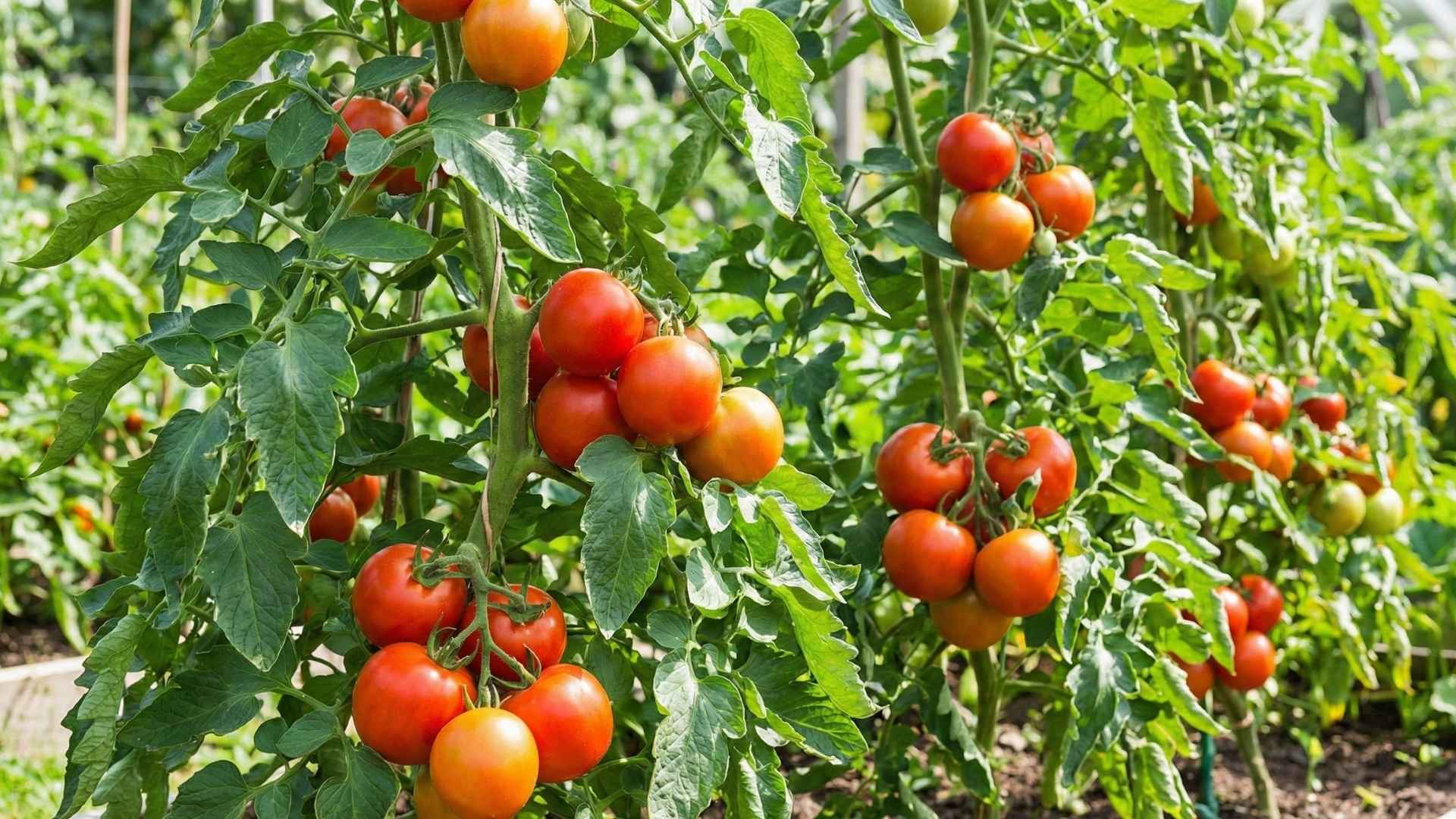
Fast-growing, fruiting vegetables such as tomatoes and cucumbers react strongly because their nutrient demand changes rapidly during flowering and fruit set.
Ingredients: What You Actually Need
The solution is intentionally simple. No exotic additives, no long fermentation.
Required ingredients
- Dry yeast (one standard packet, about 10 g)
- Clean water
- A small amount of sugar (acts as an activation source)
Sugar is not added to “feed plants,” but to wake up yeast activity quickly once mixed.
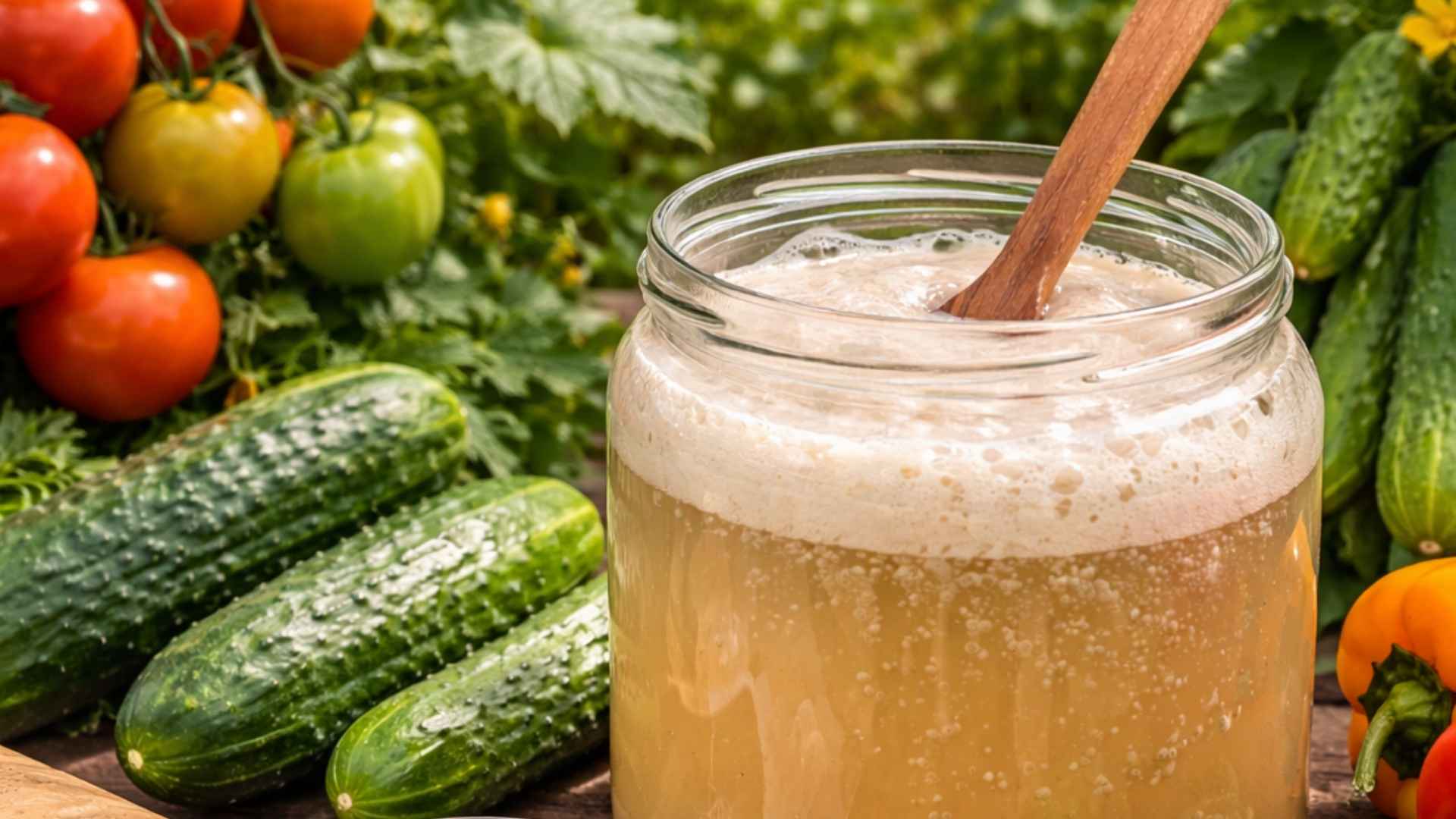
How to Prepare the Yeast Solution Step by Step
- Pour water into a jar or small container.
- Add one packet of dry yeast.
- Add a small amount of sugar (a teaspoon is enough).
- Stir thoroughly until fully dissolved.
- Let the mixture sit for a few minutes.
- Transfer it to a larger container and dilute with water at a ratio of
1 packet of yeast per 1 liter of water.
The solution should be used shortly after preparation. There is no benefit in long storage.
How and When to Apply the Solution
Correct application determines whether this method helps or harms.
Application rules
- Apply only to the soil, never directly on leaves.
- Water the soil next to the plant stem, not on the stem itself.
- Use on established plants, not seedlings.
Frequency
- Once or twice per month is sufficient.
- More frequent use does not improve results and may disturb soil balance.
This solution acts as a supplement, not a daily feed.
Which Plants Benefit the Most
Although often associated with tomatoes, this method is more versatile.
Best responders
- tomatoes,
- cucumbers,
- peppers,
- zucchini and squash,
- flowering vegetables and ornamental plants.
Leafy greens usually show less dramatic response because they rely less on fruiting-stage nutrient shifts.
Why Overuse Is a Common Mistake
One of the biggest risks with yeast-based solutions is enthusiasm-driven overapplication. More does not mean better.
Overuse can:
- temporarily disrupt soil microbiology,
- cause uneven nutrient availability,
- promote excessive leaf growth instead of fruiting.
Moderation keeps the soil ecosystem stable and productive.
Alternating with Other Liquid Fertilizers
To avoid imbalance, experienced gardeners rotate yeast application with other feeds.
A practical rotation example
- Week 1: yeast solution (soil activation)
- Week 3: organic liquid vegetable fertilizer
- Week 5: compost tea or mild mineral feed
- Repeat cycle as needed
This rotation supports both biological activity and nutrient availability without overloading the system.
What Results Gardeners Commonly Notice
When conditions are right, gardeners often observe:
- stronger flowering,
- improved fruit set,
- larger individual fruits,
- more uniform harvests,
- improved plant vigor during peak season.
The effect is not instant like synthetic boosters, but it is noticeable and more stable over time.
Table: Yeast Solution for Vegetables – Quick Overview
| Aspect | Recommended Practice | What to Avoid |
|---|---|---|
| Ingredient ratio | 10 g yeast per 1 L water | Higher concentrations |
| Application | Soil drench only | Leaf spraying |
| Frequency | 1–2 times per month | Weekly use |
| Plant stage | Established plants | Seedlings |
Is This Really Enough to Double Yields?
This method does not break the laws of biology. Yield increase depends on:
- sunlight,
- water,
- soil structure,
- baseline nutrition.
What yeast does is remove bottlenecks. If plants already have good conditions but are underperforming, this activation can unlock growth potential that is already there.
In poor soil or extreme stress conditions, results will be limited.
FAQ – Yeast Solution for Vegetables
1. Can yeast really increase vegetable yields?
Yes, indirectly. It improves soil biology, which improves nutrient uptake.
2. Is sugar necessary?
Only a small amount is needed to activate yeast quickly.
3. Can I use fresh yeast instead of dry?
Yes, but quantities must be adjusted carefully.
4. How fast will I see results?
Visible changes often appear within 7–14 days.
5. Can I apply this to flowers?
Yes, many flowering plants respond positively.
6. Does this replace fertilizer?
No. It supports nutrient use but does not replace feeding.
7. Can this harm soil life?
Only if overused. Proper dosing supports biology.
8. Can I mix yeast with other fertilizers?
Do not mix in the same application. Rotate instead.
9. Is this safe for organic gardens?
Yes, when used responsibly.
10. What is the biggest mistake with this method?
Using it too often and expecting instant results.
Discussion (0)
No comments yet. Be the first to start the conversation!
Leave a Reply