
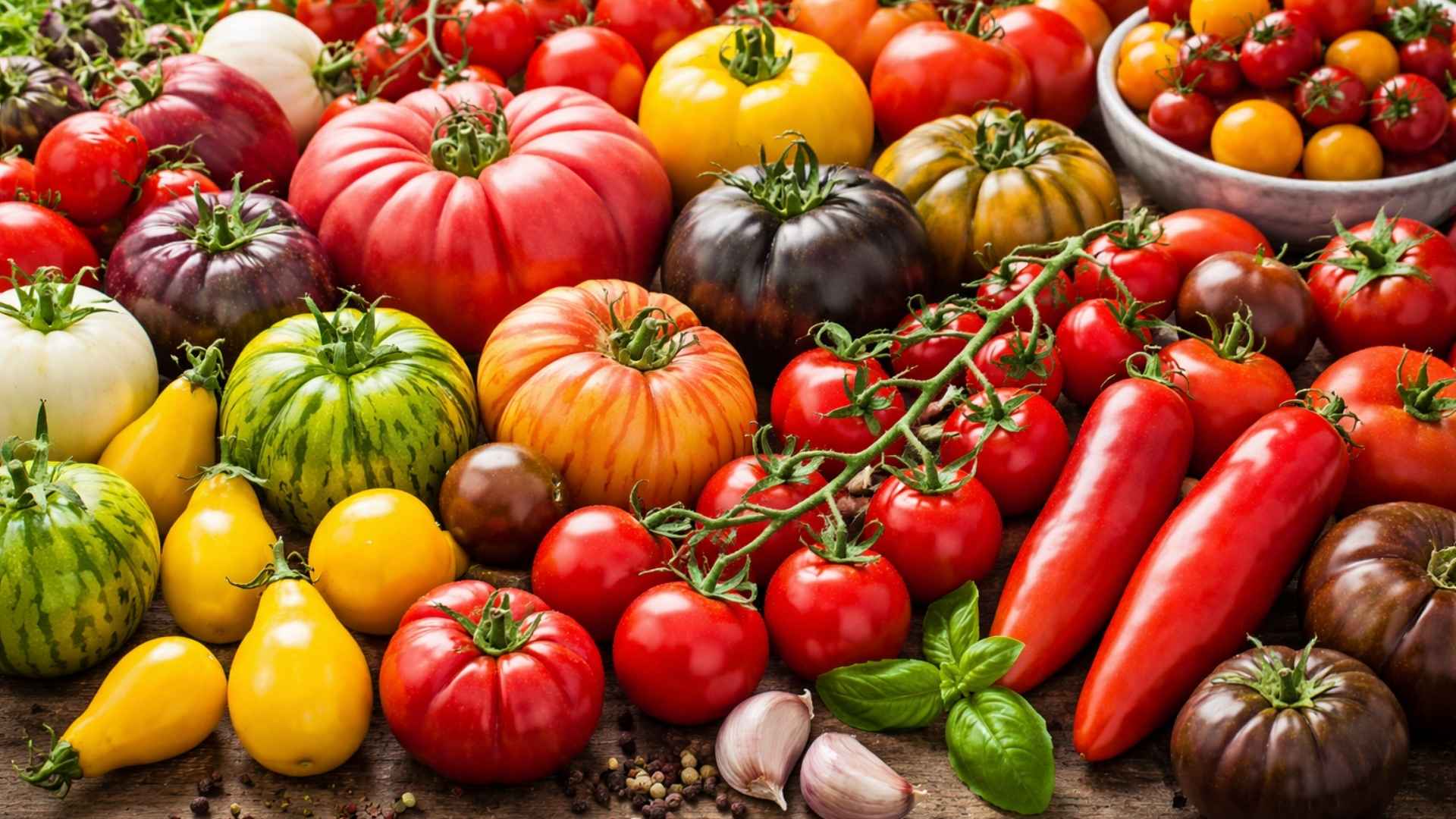
Tomatoes come in an astounding array of types, shapes, and colors, making the world of tomato seed varieties both exciting and a bit overwhelming. From tiny cherry tomatoes that burst with sweetness to hefty beefsteaks that anchor a sandwich, each variety has its own charm. In this comprehensive guide, we organize tomato varieties by type and color, creating an extensive global list that will help you discover new favorites for your garden. Whether you grow in a greenhouse, a simple polytunnel, or open fields, and whether you prefer classic red tomatoes or exotic striped and multicolored fruits, there's something here for every tomato enthusiast.
To give a quick overview, the table below highlights some of the most popular tomato varieties grown around the world, along with their type, color, typical use, and a notable trait.
| Name | Type | Color | Use | Notes |
|---|---|---|---|---|
| Brandywine | Beefsteak (Heirloom) | Pinkish-Red | Fresh slicing | Famous heirloom with rich, classic tomato flavor |
| Sun Gold F1 | Cherry (Hybrid) | Orange | Fresh, snacking | Super-sweet bite-sized fruits, extremely prolific vines |
| Roma | Plum/Paste | Red | Sauces, canning | Classic Italian plum tomato, thick flesh and few seeds |
| Cherokee Purple | Beefsteak (Heirloom) | Purplish-Black | Fresh slicing | Heirloom with dusky dark skin and sweet, smoky flavor |
| Green Zebra | Salad/Striped | Green with stripes | Fresh, salads | Tangy flavor and eye-catching green-yellow striped skin |
| Black Krim | Beefsteak (Heirloom) | Dark Mahogany | Fresh slicing | Ukrainian heirloom with deep color and savory, rich taste |
| San Marzano | Plum/Paste | Red | Sauces, canning | Renowned Italian sauce tomato with dense, flavorful flesh |
| Yellow Pear | Pear/Cherry (Heirloom) | Bright Yellow | Salads, snacking | Small pear-shaped fruits, mild flavor, great in mixed salads |
| Mortgage Lifter | Beefsteak (Heirloom) | Pink-Red | Fresh slicing | Huge fruits developed in the 1930s, known for productivity |
| Costoluto Genovese | Ribbed/Beefsteak | Red | Sauces, fresh | Old Italian variety with heavily ribbed fruit, rich acidic taste |
Greenhouse Tomatoes
Growing tomatoes under glass or plastic provides a controlled environment, and certain varieties excel in these protected conditions. Greenhouse tomato varieties are often bred for disease resistance (like resistance to leaf molds) and the ability to set fruit in lower light or cooler nights. They typically are indeterminate vines that produce continuously and can be trained upward. In a greenhouse, you can grow both flavorful heirlooms and modern hybrids that thrive in the stable humidity and warmth.
-
Shirley F1 – A popular greenhouse hybrid producing heavy trusses of medium-sized red tomatoes. It matures early and delivers uniform, juicy fruits. Plants are disease-resistant and well-suited to cooler climates, making it a top choice in UK greenhouses.
-
Trust F1 – A North American greenhouse standard, known for large clusters of 8–10 oz bright red tomatoes. Fruits are firm, crack-resistant, and ripen uniformly. The indeterminate vines with strong resistance to common greenhouse diseases yield heavily over a long season.
-
Cobra F1 – A premier greenhouse tomato hybrid that bears 6–8 oz perfectly round red fruits. It’s praised for excellent flavor among greenhouse types. Fruits resist splitting and can be picked as full clusters. Vigorous and indeterminate, ideal for high-tech or hobby greenhouses.
-
Bigdena F1 – A high-yielding greenhouse hybrid that produces 8–10 oz deep red tomatoes with superb internal color and taste. The fruits are smooth and blemish-free, and the plant’s vigor means it will keep producing in long-season greenhouse culture.
-
Geronimo F1 – A beefsteak-style greenhouse tomato hybrid that sets extra-large red fruits (10–12 oz or more) on strong vining plants. Bred for greenhouse and high tunnel production, it forms thick fruit clusters. The tomatoes have a classic flavor and good shelf life, making them popular for market growers under cover.
Tunnel-Grown Varieties
High tunnels (polytunnels) provide season extension and weather protection, and some tomato varieties are particularly suited to these conditions. Tunnel-grown tomato varieties often boast good heat tolerance, disease resistance, and sometimes a determinate or semi-determinate habit for a concentrated harvest. These varieties can handle the high humidity and slightly more variable conditions of tunnels compared to greenhouses.
-
Polbig F1 – An early-maturing hybrid that sets fruit well even in cool spring conditions, perfect for unheated tunnels. Produces round red tomatoes of medium size. It’s a determinate bush that gives an early flush of tomatoes, helping you get the first harvest of the season.
-
Red Deuce F1 – A robust determinate tomato bred for high tunnel and field production. It yields large, 8–12 oz red beefsteak-type tomatoes. Red Deuce is valued for its ability to set fruit in heat and for producing a heavy, early crop that’s great for market or canning.
-
Mountain Fresh Plus – Part of the renowned “Mountain” series, this hybrid is adapted to open field and tunnel growing. It produces consistent, mid-sized red slicers (~8 oz) with excellent disease resistance (including blight tolerance). The fruits have a classic acidic tomato flavor and hold well after picking.
-
Oregon Spring – An open-pollinated early tomato that thrives in cooler climates and is well-suited to high tunnels or early outdoor planting. It’s a determinate variety producing 4–6 oz red tomatoes. Oregon Spring sets fruit at lower temperatures, allowing for reliable yields when nights are still chilly.
-
BHN 585 – A heat-tolerant hybrid often grown in southern regions and tunnel environments. It’s a determinate or semi-determinate that pumps out high yields of uniform, round red tomatoes around 7–8 oz. Bred for disease resistance and productivity, it’s a dependable choice where summers are hot or tunnels get steamy.
Raspberry/Pink Tomatoes
Often prized for their sweet flavor and tender texture, pink tomatoes (sometimes called “raspberry” tomatoes, especially in Eastern Europe) are a category known for shades ranging from rosy red to bubblegum pink. These tomatoes typically have thinner skin and a balanced, low-acid sweetness. They include beloved heirlooms and newer hybrids, often used fresh in salads and sandwiches due to their excellent flavor.
-
Brandywine (Sudduth’s) – A legendary heirloom producing large, raspberry-pink beefsteak tomatoes often weighing 1 pound or more. It’s known for its exceptional rich flavor and juicy, tender flesh. The plants are indeterminate, though not heavy yielders, each Brandywine fruit is a triumph of taste.
-
Mortgage Lifter – A giant pink-red beefsteak heirloom developed in the 1930s by a gardener who famously paid off his mortgage by selling the seedlings. Fruits commonly reach 1–2 pounds. They are meaty and sweet with few seeds. Vigorous indeterminate vines produce a good crop of these sandwich-sized tomatoes.
-
Pink Girl F1 – A modern pink hybrid that offers smooth, blemish-free fruits around 6–8 oz. It has a glossy pink-red skin and balanced sweet flavor. Pink Girl is indeterminate and disease-resistant, delivering high yields, which makes it a great choice for those who want the flavor of a pink tomato with the reliability of a hybrid.
-
Oaxacan Pink – An heirloom from Mexico that bears abundant medium-sized pink tomatoes with yellowish shoulders. The fruits have a sweet, fruity taste and firm texture. This variety is adaptable to different climates and performs well in the heat. It adds a beautiful splash of pastel color to salsa and salads.
-
Malinowy Ożarowski – A Polish heirloom whose name translates to “Ożarów Raspberry.” It produces large, round pink tomatoes with a tender skin and aromatic, sweet flesh. The indeterminate vines are vigorous and productive. This variety is very popular in Poland for its delicious flavor in fresh eating and summer salads.
Cherry Tomatoes
Cherry tomatoes are beloved for their bite-size sweetness and prolific production. Cherry tomato varieties come in many colors (red, orange, yellow, black, etc.) but all tend to be small (often 1–2 inches or less) and grow in clusters. They’re ideal for snacking, tossing in salads, or drying. Many cherry types are incredibly vigorous, yielding hundreds of fruits per plant, and some special varieties are known for extreme productivity.
-
Sun Gold F1 – One of the most celebrated cherry hybrids, producing bright orange cherry tomatoes with an exceptionally sweet, almost tropical flavor. The indeterminate vines grow vigorously and yield non-stop all season. Sun Gold’s fruits are thin-skinned and borne in clusters, perfect for eating straight off the vine.
-
Sweet 100 F1 – A classic red cherry hybrid named for its abundant yields (often far more than 100 fruits per plant!). It produces long strands of cherry-red, 1-inch tomatoes. The flavor is sweet-tart and the plants are vigorous. Indeterminate growth allows it to keep climbing and fruiting until frost.
-
Barry’s Crazy Cherry – A unique light yellow cherry tomato famous for its huge clusters of fruit. One truss can hold dozens of pale yellow, oblong cherry tomatoes. Despite the extraordinary yields, the flavor remains sweet and mild. The vines are indeterminate and benefit from strong support to hold up the massive fruit clusters.
-
Black Cherry – An heirloom cherry tomato with deep purple-brown skin. It looks like a miniature black tomato, and its flavor is complex: sweet, juicy, with a hint of rich smokiness. Indeterminate plants produce prolific clusters of these attractive cherries that elevate salads or appetizers with their unusual color.
-
Tommy Toe – A red heirloom cherry from Australia known for its excellent flavor and crack resistance. The fruits are a bit larger than typical cherries, around 1.5 inches, making them great salad tomatoes. Extremely productive and vigorous, Tommy Toe tolerates heat and humidity, which contributes to its reliable yields in many climates.
Cocktail Tomatoes
Cocktail tomatoes are slightly larger than cherries—generally in the 2 to 4 ounce range (golf ball to ping pong ball size). They often grow in attractive clusters and are favored for salads, roasting, and fresh eating. Cocktail tomato varieties are known for juiciness and balanced flavor. They strike a nice middle ground between tiny cherry tomatoes and full-size slicing types, making them versatile in the kitchen.
-
Campari (hybrid) – A well-known cocktail tomato often found in supermarkets (branded as Campari tomatoes). These are bright red, globe-shaped tomatoes about the size of a golf ball. They’re prized for their sweet, juicy flavor and low acidity. Campari plants in gardens produce clusters of 6–8 fruits and are usually indeterminate.
-
Jaune Flammée – A French heirloom cocktail tomato whose name means “Flame Yellow.” It produces beautiful 2–3 oz round fruits that ripen to a deep orange with a hint of red. The flavor is vivid and tangy-sweet with a good acidic balance. High-yielding and indeterminate, Jaune Flammée is excellent for fresh salads and also roasts well, intensifying its sweetness.
-
Mountain Magic F1 – A modern small cocktail/salad tomato bred for disease resistance, including tolerance to late blight. Fruits are red, about 2 oz each, and very crack-resistant. The flavor is sweet and pleasing. Indeterminate vines bear consistently through the season. Mountain Magic is great for growers who want reliable yields of blemish-free salad tomatoes even in challenging conditions.
-
Gardener’s Delight – An old-fashioned open-pollinated tomato from Germany, often classed as a large cherry or small cocktail type. Plants produce prolific clusters of 1–1.5 inch red tomatoes with a rich, sweet flavor. It’s an indeterminate that earned its name because it’s so dependable and productive. Perfect for straight eating or tossing into any dish, truly a delightful variety.
Black, Yellow, White, Green, and Brown Tomatoes
Tomatoes aren’t just red! Gardeners around the world treasure varieties that ripen to unusual colors like deep purple-black, sunny yellow, ghostly white, vibrant green (when ripe), and even chocolatey brown. These colorful tomato varieties often have unique flavor profiles: for example, many “black” tomatoes have a savory, smoky sweetness, while yellow or white tomatoes tend to be milder and low-acid. Growing a rainbow of tomatoes can make your garden and your plate more exciting.
-
Black Krim – A renowned black tomato originally from Crimea (Ukraine) with a rich mahogany-purple hue. This beefsteak variety (8–12 oz) has a bold, slightly salty and smoky flavor with plenty of sweetness. It’s an indeterminate heirloom that performs well in warm climates, and the dark color intensifies with heat.
-
Cherokee Purple – A beloved Cherokee Indian heirloom from Tennessee, USA, bearing large dusky rose-purple tomatoes. Fruits average 10–12 oz and have a very sweet, rich taste with just a hint of tang. The interior is a deep reddish-purple. Indeterminate vines produce moderate but worthwhile yields of these beautiful slicers known for flavor.
-
Lemon Boy F1 – A popular hybrid that produces bright yellow medium-sized tomatoes. Lemon Boy fruits are around 6–7 oz, globe-shaped and uniform. The flavor is lemony sweet with low acidity, making it a hit for those who find red tomatoes too sharp. The indeterminate plants are vigorous and productive, adding a cheerful yellow harvest to the garden.
-
Great White – An heirloom beefsteak that ripens to a creamy white or very pale yellow color. The fruit is large (up to 1 lb) and has a very mild, low-acid taste with hints of citrus and melon. Its flesh is meaty and soft, excellent for fresh eating if you want a sweet tomato without the acidity. The indeterminate vines have potato-leaf foliage and produce best in warm weather.
-
Aunt Ruby’s German Green – A famous green-when-ripe heirloom that produces big, 12+ oz green beefsteaks that blush slightly amber when ripe. Despite the green color, the flavor is outstanding: sweet, slightly spicy, and juicy. Aunt Ruby’s is indeterminate and originated in Tennessee. Slicing into one reveals a neon, lime-green flesh that looks striking on a plate.
-
Kumato – A modern brown tomato hybrid (often sold under the Kumato brand) known for its unique deep brown skin and balanced sweet taste. Fruits are golf ball to tennis ball size and very firm, with a long shelf life. The flavor is richer than a typical supermarket tomato, and it thrives in a range of conditions. While the exact hybrid is proprietary, similar open-pollinated “brown” tomatoes exist for home gardeners seeking that unusual color.
Striped and Multicolor Tomatoes
Some of the most visually stunning tomatoes are those with stripes, streaks, or bi-color swirls. Striped and multicolor tomato varieties offer not only showy looks but often complex flavors. These tomatoes can have two or more colors both on the skin and through the flesh. They range from small striped salad types to huge bi-color beefsteaks. Chefs and tomato lovers adore them for adding a splash of color to caprese salads, salsas, and sauces.
-
Green Zebra – A groundbreaking modern heirloom (bred in the 1980s) known for its green-yellow striped skin. The fruits are small (2–3 oz) and ripen to a chartreuse green with darker green vertical stripes. Green Zebra tomatoes have a zesty, tangy flavor that’s both sweet and sharp. Indeterminate plants produce heavily, and these tomatoes are fantastic for salads or making a green-hued salsa.
-
Tigerella – Also called “Mr. Stripey” in the UK, Tigerella is an eye-catching British heirloom that bears red tomatoes with orange-yellow stripes. Fruits are medium-small (2–4 oz) and fairly early to ripen. The flavor is bright, sweet-tart, and the plants set fruit well even in cooler conditions. Indeterminate and very productive, Tigerella adds visual flair to any salad with its striping.
-
Pineapple – A large bi-color beefsteak that ripens to golden yellow with red marbling through the flesh. Fruits can be huge (up to 2 lbs). When you slice it, the interior displays beautiful swirls of yellow and red. Pineapple tomatoes are sweet and fruity with low acidity, excellent for fresh eating. Indeterminate vines require a long season and reward you with these gorgeous, multi-hued slices.
-
Chocolate Stripes – An heirloom variety with a dramatic appearance: medium-large (8–12 oz) mahogany-red tomatoes marked by vertical dark green stripes. The flavor is superb—rich, sweet, and earthy. Indeterminate and fairly prolific, Chocolate Stripes tomatoes make stunning slicers for sandwiches, showing off streaked patterns both on the skin and through the flesh.
-
Marvel Stripe – A beautiful Spanish-origin heirloom known for its giant yellow-and-red marbled fruits. It produces large beefsteaks (1–2 lbs) that have a mild, fruity sweetness. The skin is yellow with red streaks, and the flesh is marbled with red. Indeterminate plants yield best in warm climates. Marvel Stripe is a showstopper for tomato salads and caprese, where its rainbow interior can shine.
-
Striped Roman – A paste-type tomato that brings stripes to the sauce world. This variety produces elongated red fruits with wavy yellow stripes, looking like a flashy Roma tomato. Each fruit is about 4–6 inches long, with thick, meaty walls and few seeds—great for making sauces or tomato paste. Indeterminate vines offer good yields. Striped Roman’s striking appearance and rich flavor also make it fun for fresh snacking or roasting.
Pear-Shaped (Teardrop) Tomatoes
Pear-shaped tomatoes have a distinct teardrop or pear-like form, often smaller fruits that are popular in salads and snacking. This group includes old-fashioned heirlooms that have been grown for generations for their charming shape. Pear tomatoes are usually small (cherry tomato-sized) and come in various colors, though there are also some larger pear-shaped varieties. They tend to be very productive and are especially fun for kids or market displays due to their shape.
-
Yellow Pear – A classic heirloom cherry tomato dating back to the 1800s, producing bite-sized bright yellow fruits shaped exactly like little pears. The flavor is lightly sweet and mild. Indeterminate vines are extremely productive, yielding hundreds of fruits that are great for tossing into salads or pickling. Yellow Pear tomatoes add a splash of sunny color and are often eaten straight off the vine.
-
Red Pear (Lady Finger) – An heirloom small red tomato shaped like a pear or elongated teardrop. The fruits are usually about 1 inch long, with red skin and a firm, meaty texture. Flavor is sweet with a touch of tang. Indeterminate plants bear heavy crops. These adorable tomatoes are perfect for drying, garnishing dishes, or mixing with other colors in salads.
-
Japanese Black Trifele – A Russian heirloom (despite “Japanese” in the name) that produces medium-sized pear-shaped tomatoes with a stunning blackish-bronze skin. Fruits are around 4–6 ounces. The flavor is rich and savory, comparable to other “black” tomatoes, with meaty flesh excellent for slicing or roasting. Plants are indeterminate and yield well. This variety stands out for its unusual pear shape and dark color combination.
-
Green Pear – A more uncommon pear tomato that ripens green (with a hint of amber when fully ripe). These small fruits have a juicy, sweet flavor with a bit of citrus tang. The skin stays greenish-yellow, making them an interesting addition to cherry tomato mixes. Indeterminate plants produce lots of 1–2 inch pear-shaped fruits. Green Pear tomatoes are not widely known but offer curious gardeners a novel color and shape to try.
Roma/Plum Types
Roma and plum tomatoes are the go-to varieties for sauces, pastes, and canning. They generally have a cylindrical or plum-like shape with dense flesh and fewer seeds, meaning less water content to cook off. Roma tomato varieties (also called Italian plum tomatoes) are determinate or semi-determinate, providing a concentrated harvest ideal for processing. These tomatoes can be eaten fresh too, though their firmer texture and thicker skin make them especially prized for cooking.
-
Roma (Roma VF) – The classic Italian plum tomato. Roma plants are determinate, yielding a heavy crop of egg-shaped red tomatoes typically 2–3 ounces each. The “VF” strain is resistant to Verticillium and Fusarium wilts, improving garden success. Roma tomatoes have thick, meaty walls and mild flavor, perfect for tomato paste, puree, or canning whole. They’re a staple for anyone making their own sauce.
-
San Marzano – A famous heirloom plum tomato from Italy, particularly known as the gold standard for pizza sauce. Fruits are elongated (up to 4 inches), bright red, and pointed at the end. They have very few seeds and a rich, sweet flavor when cooked. Indeterminate vines produce heavily but require a long season. San Marzano tomatoes are prized by chefs and home cooks for making authentic Italian tomato sauces.
-
Opalka – An heirloom paste tomato of Polish origin, distinguished by its long, pepper-like shape (up to 5 inches). The fruits are deep red and very meaty with scant seeds, often described as almost “meatloaf-like” in flesh density. Flavor is sweet and concentrated, ideal for sauce or drying. Indeterminate plants produce a good number of these unique, horn-shaped tomatoes that make sauce preparation a breeze.
-
Amish Paste – A well-known heirloom from Amish communities, often considered one of the best for sauce. It produces 8–12 oz red plum/oxheart-shaped tomatoes with thick, juicy flesh. While meatier than typical slicing tomatoes, Amish Paste also has superb fresh flavor, making it dual-purpose. Indeterminate vines are vigorous. This variety shines in pasta sauces, salsas, and canning recipes thanks to its rich taste.
-
Granadero F1 – A modern hybrid plum tomato bred for reliability and disease resistance. It is a determinate to semi-determinate plant that pumps out lots of uniform, blocky red plum tomatoes (~4 oz each). The fruits resist cracking and blight, and have good flavor for a hybrid paste tomato. Granadero is a great choice if you want a trouble-free, high-yielding paste tomato for heavy canning or market production.
Medium-Fruited Types
Medium-fruited tomato varieties typically produce tomatoes in the range of about 4 to 8 ounces – not too small, not too large. These versatile tomatoes are often round or slightly flattened, and they serve as all-purpose types for slicing, salads, or light cooking. Many classic mid-size tomato varieties are beloved by home gardeners for their balance of flavor, manageable plant habit, and plentiful yields. They can be heirlooms or hybrids and may be determinate or indeterminate.
-
Celebrity F1 – A widely-grown medium tomato hybrid and an All-America Selections (AAS) winner. Celebrity plants are determinate (or semi-determinate) and resistant to many diseases, making them very dependable. They bear loads of 7–8 oz red tomatoes with a well-balanced flavor (if picked fully ripe). It’s a great slicing tomato and also cans well, often recommended for beginners for its reliability.
-
Better Boy F1 – A classic indeterminate hybrid that has been a garden staple for decades. It produces smooth, round red tomatoes around 8 oz with an excellent sweet-acid flavor. Better Boy is known for its high yields and vigor, often producing fruit until frost. It once held a world record for productivity on a single plant, reflecting how prolific it can be in a long season.
-
Moneymaker – An heirloom originally from England, famous as a greenhouse tomato in the early 1900s but now grown outdoors as well. The plant is indeterminate and bears a heavy crop of uniform, bright red tomatoes about 4–6 oz in size. Moneymaker’s flavor is pleasant though somewhat mild. Its real strength is its adaptability and productivity, “making money” for growers by reliably setting fruit even in less-than-ideal conditions.
-
Early Girl F1 – An extremely popular early-season hybrid that lives up to its name by ripening fruit in as little as 50 days after transplanting. Early Girl yields clusters of 4–6 oz round red tomatoes. The flavor is good especially for an early tomato—sweet and slightly acidic. Indeterminate vines keep producing through summer (though many treat it as an early crop). It’s ideal for gardeners in short-season areas or anyone impatient for the first ripe tomato of summer.
-
Thessaloniki – A Greek heirloom that produces red, smooth, round tomatoes about 6–8 oz. This variety is known for thriving in hot weather and resisting sunscald, as it was developed in the sunny climate of Thessaloniki. The flavor is well-balanced, and the tomatoes are very uniform and crack-resistant. Indeterminate plants yield consistently through the season. Thessaloniki is an excellent all-purpose tomato, tasty fresh and suitable for canning too.
Large Beefsteak Types
When it comes to sheer size and classic tomato flavor, the beefsteak reigns supreme. Beefsteak tomatoes are the big, often irregularly shaped tomatoes that can range from 12 ounces to 2+ pounds each. They are usually meaty with lots of flesh, ideal for hearty sandwiches, burgers, and caprese salads. Many beefsteak varieties are heirlooms known for exceptional taste, while some hybrids offer disease resistance with hefty size. Expect indeterminate vines that need strong support to hold up these heavyweights.
-
Beefmaster VFN F1 – A hybrid beefsteak bred for enormous size and improved vigor. Beefmaster fruits commonly weigh 1–2 pounds each and are deep red. The plants are indeterminate and disease-resistant (VFN = resistance to Verticillium, Fusarium, Nematodes), making them easier to grow than some heirlooms. Flavor is solid and mildly sweet. These tomatoes are great for slicing—one slab can cover a whole sandwich.
-
Cherokee Purple – (Also listed under black tomatoes for its color) This heirloom is a large beefsteak as well, with 10–16 oz purplish-pink fruits that have green shoulders when ripe. It’s worth mentioning again for its outstanding flavor—complex sweetness with smoky undertones. Cherokee Purple slices are a showstopper on BLTs and salads. The plant is indeterminate and benefits from good air circulation due to dense foliage.
-
Big Beef F1 – A highly regarded hybrid that combines heirloom flavor with modern disease resistance. Big Beef bears large 10–12 oz deep red beefsteak tomatoes that consistently win taste tests. It’s an indeterminate with a strong disease package (resisting wilt, root rot, etc.) and sets fruit well even in cooler or hotter weather. As the name implies, it delivers big, beefy tomatoes reliably – a favorite for home gardeners seeking a trouble-free yet delicious beefsteak.
-
Paul Robeson – A Russian heirloom named after the American singer and civil rights activist, cherished for its dark, brick-red tomatoes and rich flavor. Fruits average 6–12 oz, not the largest beefsteaks but packed with a savory, almost wine-like sweetness. The color is a dusky red-brown with green shoulders. Indeterminate vines are productive. Paul Robeson tomatoes perform well in cooler summers, and their complex taste makes them sought-after at heirloom tomato tastings.
-
Delicious – A red beefsteak variety that lives up to its name and has a claim to fame: a ‘Delicious’ tomato holds the world record for the heaviest tomato (over 7 lbs!). While your results may not reach record size, this variety regularly produces 1-2 lb flavorful red fruits with very few cracks. The flavor is classic and mild. Indeterminate vines are vigorous. Gardeners prize 'Delicious' both for contests (giant tomato growing) and for plenty of hefty tomatoes for sandwiches and juice.
Salad Types
“Salad” tomatoes often refer to the small-to-medium tomatoes that are ideal for cutting into salads, roughly golf ball to tennis ball sized. They might also be called “saladette” tomatoes or simply small slicers. These varieties often produce abundant fruit and ripen earlier than large types. Salad tomato varieties are great for everyday use – tossing into a bowl with greens, slicing into wedges, or using in recipes that call for a tomato that holds shape. They can include round types or slightly elongated ones that aren’t quite cherry-sized.
-
Stupice – A Czech heirloom that is famously early and productive. Stupice (pronounced stoo-PEECH-ka) plants are small and cold-tolerant, producing clusters of 2-3 inch red tomatoes through a long season. Flavor is excellent for an early small tomato—sweet and tangy. It’s indeterminate (though compact) and sets fruit in cool weather, making it a favorite for short seasons or as a reliable salad tomato in any garden.
-
Glacier – An extra-early tomato from Sweden that’s great for salad use. It’s a determinate/bush plant that can set fruit even in cold conditions. The tomatoes are small, around 2–3 inches, orange-red, and appear as soon as 55 days from transplant. Flavor is good, especially compared to other super-early types, with a nice sweetness. Glacier allows gardeners in cold regions to enjoy homegrown tomatoes in their salads by mid-summer.
-
Tigerella – (Also listed in striped tomatoes) It doubles as a salad tomato due to its small size and vibrant looks. Its red and yellow striped fruits (2–3 oz) enliven any salad bowl. Tigerella’s flavor is zippy and sweet, and it’s productive even when the weather isn’t the hottest. Indeterminate vines require staking. This variety proves that salad tomatoes can be as beautiful as they are tasty.
-
New Girl F1 – A newer hybrid that has been touted as an improved Early Girl. New Girl produces red, round tomatoes about 4–5 oz, with a slightly earlier ripening than Early Girl and better flavor. It’s indeterminate and keeps producing through summer. The tomatoes are uniform and resist cracking. This variety is perfect for a steady supply of salad tomatoes that have a home-grown taste but with hybrid reliability.
-
Julia Child – A lesser-known heirloom named after the famous chef. It produces smooth pinkish-red, 4–6 oz tomatoes that are juicy and flavorful. The fruits have a balanced sweetness that’s lovely in salads or just sliced with a sprinkle of salt. Indeterminate vines produce well. Julia Child tomatoes are a fitting tribute, offering gourmet flavor in a petite salad-sized package.
Drying/Dehydrating Types
Certain tomatoes are particularly suited for drying in the sun or a dehydrator, as they have low moisture and intense flavor that concentrates further when dried. Drying tomato varieties tend to be smaller, plum or cherry types with meaty flesh. When dried, they become sweet, chewy “sun-dried” tomatoes that can be stored or packed in oil. Growing your own drying tomatoes lets you preserve the summer harvest for winter use in pastas, breads, and more.
-
Principe Borghese – The classic Italian drying tomato, traditionally used for making sun-dried tomatoes. It’s a determinate plant that produces loads of small red plum-shaped tomatoes about 1–2 ounces. The fruits have thick flesh and very little juice. They can be picked and dried whole or halved. Principe Borghese tomatoes have a tart, rich flavor that intensifies when dehydrated. They’re also fine for fresh eating, though a bit tangy.
-
Juliet F1 – A versatile grape tomato hybrid that is excellent for fresh eating and superb for drying. Juliet produces clusters of 2-inch long red, elongated cherry tomatoes. They are firm and meaty with a sweet flavor. The indeterminate vines are disease-resistant and insanely productive. Because Juliet’s fruits have thick walls and less gel, they dry into flavorful wrinkled “raisins” of tomato that are perfect for winter stews or snacks.
-
Roma – Yes, the same Roma that’s great for sauce is also used for drying. Its firm, low-moisture flesh means slices or halves of Roma tomatoes dry down to delicious chewy pieces. The determinates yield a large batch at once, which is convenient for running a dehydrator full of tomatoes. Once dried, Roma’s mild flavor becomes concentrated and sweet. They can be stored in olive oil or ground into homemade tomato powder.
-
Thai Pink Egg – An unusual heirloom from Thailand that produces small, rose-pink plum-shaped tomatoes about 1–2 inches long. The fruits have thick skin and firm flesh, allowing them to keep a long time after harvest. That same firmness makes them suitable for dehydrating. When dried, their slightly sweet flavor becomes more pronounced. Thai Pink Egg tomatoes also tolerate heat and drought, often continuing to fruit when others quit, providing plenty to dry.
-
Ararat Flame – A rare variety specifically bred for drying (originating from Armenia). It yields numerous small orange-red tomatoes with an elongated oval shape. The fruits are very firm and sweet, almost date-like when dried. Indeterminate vines are vigorous. Home gardeners who grow Ararat Flame find that it produces some of the tastiest sun-dried tomatoes, with a bright color that remains after drying.
Canning/Paste Tomatoes
For those who love making jars of tomato sauce, salsa, or whole canned tomatoes, the canning/paste category highlights varieties that excel in cooked applications. These tomatoes generally have thick flesh, less juice, and rich flavor that holds up after processing. Many canning tomato varieties are determinate for a big harvest all at once, simplifying bulk picking and preserving. They include heirlooms used in traditional canning as well as modern hybrids bred for industrial processing.
-
Heinz 1350 – A determinate tomato developed by the Heinz company for ketchup and canning. It produces high yields of 6 oz round red tomatoes that ripen mostly in a short window, perfect for one-time harvest and processing. The fruits have concentrated tomato flavor and resist cracking. Heinz 1350 is also disease-resistant. It’s a great choice if you want to grow what the ketchup makers grow, and fill your pantry with sauces.
-
Rutgers – A famous American heirloom from the 1930s, bred as a collaboration between Rutgers University and Campbell’s Soup. It’s a vigorous determinate (or semi-determinate) plant that pumps out 6–8 oz red tomatoes. Rutgers tomatoes have thick walls and a balanced flavor – not too watery – making them excellent for canned crushed tomatoes, juice, or soup. This variety was once the top processing tomato in the world and remains a solid choice for home canners.
-
Amish Paste – (Also listed under plum tomatoes) An heirloom with large, elongated red fruits often reaching 8–12 oz. It’s indeterminate, so it yields over a longer period, but the fruits are so meaty and few-seeded that many consider it for canning as well. Amish Paste tomatoes cook down into a thick, tasty sauce with natural sweetness. They also hold up well when canned as chunks or sauce, delivering old-fashioned flavor.
-
Costoluto Genovese – An Italian heirloom notable for its heavily ribbed, scalloped red fruits. The tomatoes are medium-sized (about 7–8 oz) and very juicy with high acidity. Traditionally used both for fresh eating and for making sauces, Costoluto Genovese’s shape traps flavorsome pulp in each rib. When cooked, it yields a rich, aromatic sauce or soup, albeit with a bit more simmering due to juiciness. Indeterminate vines ensure a steady supply for small-batch canning across the season.
-
Viva Italia F1 – A hybrid paste tomato that offers improvements in disease resistance and plant vigor. Determinate plants produce uniform, egg-shaped red tomatoes (~3–4 oz) that are easy to peel and process. The tomatoes have a good balance of sweetness and acidity for sauce. With a concentrated fruit set, you can harvest a bumper crop and turn it into tomato paste or canned sauce in one go. Viva Italia is often recommended for gardeners who want a trouble-free, high-yield paste variety.
Pepper-Shaped Tomatoes
Pepper-shaped tomatoes are those that resemble bell peppers or bull’s horn peppers in form. Some are even hollow like a bell pepper, making them great for stuffing, while others are simply elongated and blocky or lobed. Pepper-shaped tomato varieties can be a fun departure from typical round tomatoes, and they often have thick walls and mild flavor. This category includes some oxheart types and specialized “stuffing” tomatoes bred to have a cavity inside.
-
Striped Cavern – A striking stuffing tomato that looks like a red bell pepper with yellow streaks. The fruits are medium-sized, blocky, and hollow inside with only a small cluster of seeds, so you can easily stuff them with fillings or salads. The flesh is firm and moderately sweet. Indeterminate plants yield a good number of these novel tomatoes. Striped Cavern tomatoes are wonderful for decorative dishes—imagine a striped tomato cup filled with couscous or tuna salad.
-
Yellow Stuffer – As the name suggests, this is a yellow tomato that mimics the shape of a bell pepper. It’s an heirloom that produces medium-large, lobed yellow fruits with a mostly hollow interior. The walls are thick and crisp. While not especially flavor-packed raw (they’re mild), they shine when baked or roasted with a savory stuffing, since they hold their shape well. Determinate plants give a flush of these unique tomatoes ideal for an eye-catching side dish.
-
Hungarian Heart – A pink-red oxheart heirloom that often has a pointed, pepper-like bottom. Fruits are large (up to 1 lb) and heart-shaped, with dense, meaty flesh and very few seeds. The flavor is sweet and luscious, excellent for sauces or slicing. Indeterminate vines yield heavily. While not hollow, Hungarian Heart’s elongated shape and huge size prompt some to include it in “pepper-shaped” categories. It’s fantastic for cooking down into a thick sauce or cutting into meaty wedges.
-
Cuor di Bue – An Italian oxheart variety whose name means “Heart of Ox,” often considered in the pepper/oxheart group. It produces large, stout, elongated red fruits with a pointed tip, resembling a bull’s heart or a blunt pepper. The flesh is extremely meaty with rich flavor, ideal for sauces, roasting, and sandwiches. Indeterminate plants are vigorous. Cuor di Bue tomatoes are a staple in Italy for making passata (tomato puree) due to their hearty, nearly seedless flesh.
Date-Shaped (Elongated Grape-like) Tomatoes
Sometimes called “grape tomatoes” due to their shape and size, date-shaped tomatoes are small and elongated, looking like large grapes or dates. They typically have firm flesh and sweet flavor, making them wonderful for snacking, roasting, or drying. Elongated cherry tomatoes have become very popular because they often have a higher flesh-to-juice ratio than round cherries, meaning more concentrated flavor in each bite. They also tend to be crack-resistant and hold longer after harvest.
-
Juliet F1 – A top-performing elongated cherry/grape tomato hybrid. Juliets are about 2 inches long, red and tapered like a small plum. They have a sweet flavor and very solid, meaty texture. The indeterminate vines produce impressive clusters and are disease-resistant. Juliet tomatoes are known for not splitting and for lasting a long time after picking. They are fantastic fresh in salads, and also one of the best for oven-roasting or drying because they retain texture and flavor.
-
Santa F1 – Often credited as the original grape tomato introduced to the market, Santa brought the “grape tomato” craze to the US from Taiwan. The fruits are small, oval red tomatoes, around 1 inch long. They are crisp, sweet, and have a remarkably long shelf life. Indeterminate vines are vigorous and high-yielding. Santa’s bite-size, date-shaped tomatoes are perfect for kids’ snacks or cherry tomato medleys, and their firm texture holds up in pasta salads.
-
Blush – An artisan heirloom-like variety that produces gorgeous yellow tomatoes with pink streaks in an elongated grape shape. Each fruit is about 2 inches long. The flavor is very sweet and fruity, delighting tomato aficionados. Indeterminate plants bear trusses of these little beauties. Blush tomatoes are wonderful for fresh eating—people liken the taste to fruit candy. They also look dazzling when dried or pickled, as their color intensifies.
-
Datterino – Named after the Italian word for “little date,” Datterino tomatoes are a class of mini-plum tomatoes highly regarded in Italy. Typically, they are red or orange, about 1–1.5 inches long, with a sweet, rich taste. There are various strains (open-pollinated or hybrid) of Datterino grown in Mediterranean climates. These tiny date-shaped tomatoes are often used by chefs in gourmet salads, quick sauces, or simply eaten fresh with mozzarella. They encapsulate the idea that big flavor can come in small packages.
-
Sugary F1 – A unique pink-red grape tomato that won an AAS award for its extraordinary sweetness. Sugary’s fruits are oval with a pointed end (resembling a big date or tear drop) and have a high sugar content that gives them a candy-like taste. The semi-indeterminate plant has a slightly dwarfing habit but produces heavily. Fruits have a slight golden glow over the pink-red skin. This variety is perfect for those who want an ultra-sweet small tomato for fresh eating or dehydrating into sweet tomato treats.
Conclusion
Tomato enthusiasts have an almost limitless palette of varieties to try — from hefty beefsteaks dripping with juice to tiny cherries that pop in your mouth like candy, and from solid paste tomatoes for your sauces to eye-catching stripes and colors for your salads. This global list of tomato varieties by type and color is a starting point for exploring the diversity available to gardeners. Every tomato has a story, a purpose, and a place in the garden.
If your favorite tomato variety wasn’t mentioned, it just goes to show how wonderfully diverse tomatoes are. Feel free to join the conversation and share your own top tomato picks in the comments. Gardeners everywhere would love to hear about the varieties you cherish, and your suggestion might just become someone else’s next must-grow tomato!
FAQ: Tomato Varieties and Growing Tips
Q: What is the difference between heirloom and hybrid tomato varieties? A: Heirloom tomatoes are open-pollinated varieties passed down through generations, valued for their flavor and history. They tend to breed true from seed. Hybrid tomatoes are the result of controlled cross-breeding of two different parent varieties, often labeled F1. Hybrids are developed for specific traits like disease resistance, uniformity, or higher yield. While hybrids can be very productive and resilient, their seeds won’t reliably produce the same tomato if saved. Heirlooms often offer superior flavor and unique shapes/colors, but may lack some disease resistances.
Q: Which tomato varieties are best for growing in a greenhouse? A: In greenhouses, indeterminate varieties that thrive in protected conditions work best. Hybrids like Trust F1, Shirley F1, or Cobra F1 are specifically bred for greenhouse performance, with resistance to leaf mold and the ability to set fruit with less pollination assistance. They produce trusses of medium-large tomatoes reliably. You can also grow heirlooms like Brandywine or Cherokee Purple under glass, but they might need more care. The key is to choose indeterminate, disease-resistant types and be prepared to support and prune them as they can grow very tall in greenhouse conditions.
Q: Do different colored tomatoes taste different? A: Yes, to an extent color often correlates with flavor profiles. Red tomatoes typically have a classic sweet-acidic tomato taste. Black or purple tomatoes (dark reds) often have a rich, smoky sweetness and lower acid. Pink tomatoes tend to be sweet and mild, slightly less acidic than reds. Yellow and orange tomatoes are usually milder and fruitier, with lower acidity (some describe them as almost citrusy or melon-like). Green-when-ripe tomatoes can be surprisingly sweet or tangy and bright. White tomatoes are very low-acid and can taste subtle or even slightly sweet. These are general trends — individual varieties can always surprise you, and growing conditions also affect flavor.
Q: What are the best tomato varieties for making sauces or paste? A: Plum or paste tomatoes are ideal for sauces because they have more flesh and less juice. Famous heirlooms like San Marzano and Amish Paste are top choices for rich, thick sauce. Hybrids such as Roma VF or Granadero F1 yield lots of uniform paste tomatoes for canning. Varieties like Opalka (with its long, pepper-shaped fruits) and Heinz 1350 (developed for ketchup) are also excellent for cooking. These tomatoes cook down faster with great concentrated flavor. For a really thick homemade paste, you might try Principe Borghese or Juliet — they’re small but drying or roasting them first yields incredibly intense tomato flavor for sauces.
Q: How can I tell if a tomato variety is indeterminate or determinate? A: Check the seed packet or variety description: it will usually specify indeterminate or determinate. Determinate tomatoes grow to a set height and produce most of their fruit in a short window — their growth habit is bushy. They often have names hinting at compact size or early harvest (like “Bush Early Girl” or “Roma VF”, which is determinate). Indeterminate tomatoes keep vining and can grow very tall, flowering and fruiting continuously until frost. Many heirlooms and large-fruited types are indeterminate. If not labeled, clues can be fruiting pattern: if a variety is known for one big crop or is recommended for canning, it’s likely determinate. If it’s a long-season slicer or cherry that “produces all summer,” it’s indeterminate. In practical terms, determinate types need less staking and pruning, while indeterminates often need tall supports and pinching of suckers for best results.
Q: What tomato varieties do well in containers or small spaces? A: Look for terms like dwarf, determinate, or patio in the variety description. Some great container tomatoes include Patio (a small determinate that stays under 2 feet tall), Tiny Tim or Micro Tom (very dwarf cherry tomatoes), and Bush Early Girl (a compact early determinate). Cherry tomatoes like Tumbling Tom or Hundreds and Thousands are cascading types perfect for hanging baskets. Even indeterminate cherries like Sun Gold can be grown in large pots if given a tall stake or cage. The key is choosing varieties that have a bush habit or keeping vigorous ones well-pruned and supported.
Q: How do I choose tomato varieties that suit my climate? A: Consider your season length and typical weather. In short-summer or cool climates, choose early-maturing varieties like Early Girl, Stupice, Glacier, or cherries that ripen quickly. These will set fruit in cooler temperatures. In very hot or humid areas, look for heat-tolerant or disease-resistant varieties (often hybrids like Heatmaster, Solar Fire, or disease-resistant lines like Celebrity and Big Beef). If you have a long, warm growing season, you can try late-maturing but delicious heirlooms like Brandywine or Mortgage Lifter that take time to bear. Also consider disease pressures: for example, if blight is common, look for resistant hybrids (mountain series, Defiant PhR, etc.). Gardeners in the tropics often do well with cherry tomatoes and locally bred varieties that can handle extreme heat and rain.
Q: What’s the difference between cherry tomatoes and grape tomatoes? A: Cherry tomatoes are usually round and about 1 inch or less in diameter, known for their burst of juice and sweetness. Grape tomatoes (date-shaped) are more oblong, resembling the shape of a grape or date. They typically have thicker skin and flesh, and slightly less water content, which makes them crunchier and gives them a longer shelf life. Flavor-wise, many cherry tomatoes are very sweet, whereas grape tomatoes, while sweet, often have a touch more moderate flavor. In recipes, they’re quite interchangeable, but grape tomatoes hold up better in pasta salads or roasting, whereas cherry tomatoes are beloved for fresh snacking due to their juicy pop.
Q: Should I prune or pinch off tomato suckers? A: Indeterminate tomatoes often benefit from pruning the suckers (the side shoots that sprout between the main stem and a leaf). Removing suckers helps direct the plant’s energy into fewer, stronger stems and can improve airflow, leading to less disease and larger fruit. Many gardeners pinch off suckers on indeterminate vines to keep plants manageable and encourage bigger tomatoes. Determinate (bush) tomatoes, however, should not be heavily pruned. They have a predetermined number of stems and fruit, and excessive pruning can actually reduce their yield. It’s best to only remove any suckers below the first flower cluster on determinate varieties and let the rest grow. Always use clean hands or pruners to avoid spreading disease when pinching off tomato suckers.
Q: Any tips for maximizing tomato yields and health while growing? A: Absolutely! First, choose the right varieties for your area as mentioned above. Then, make sure to plant them in well-draining soil enriched with compost. Provide plenty of sunlight (tomatoes love full sun). Support indeterminate plants with stakes, cages, or trellises and remove the lower leaves to prevent soil-borne diseases. Water consistently at the base of the plant to avoid fungal issues (avoid overhead watering if possible). Mulch around the base to conserve moisture and keep the soil evenly damp. Feed your tomatoes: they are heavy feeders, so use a balanced fertilizer or tomato-specific feed especially once flowering and fruiting. Finally, watch for pests or disease early—staking and good airflow help, and you can use organic sprays if needed (like neem oil for pests, or copper fungicide for blights). With care and a suitable variety, you’ll be rewarded with a bountiful harvest of delicious tomatoes.
Share Your Favorite Greenhouse Tomato Varieties
No list of greenhouse tomatoes is ever truly complete. Around the world, growers cultivate local selections, rare hybrids, regional favorites, and long-forgotten heirlooms that never make it into seed catalogs or commercial rankings.
If you grow a greenhouse tomato that:
- performs exceptionally well under glass or plastic,
- delivers outstanding flavor or yield,
- shows strong resistance to disease or stress,
- or simply deserves more attention,
we invite you to share its name and a short note in the comments.
Real grower experience helps expand this guide into a living, global reference built on practical results rather than marketing claims. Your recommendation may help another gardener discover their next top-performing greenhouse tomato.
Discussion (3)
Brooklyn F1 the best tometoes!
Rosamunda
Maxim F1 - greate tomatoes! ;)
Leave a Reply