The Enigmatic Carolina Reaper Red
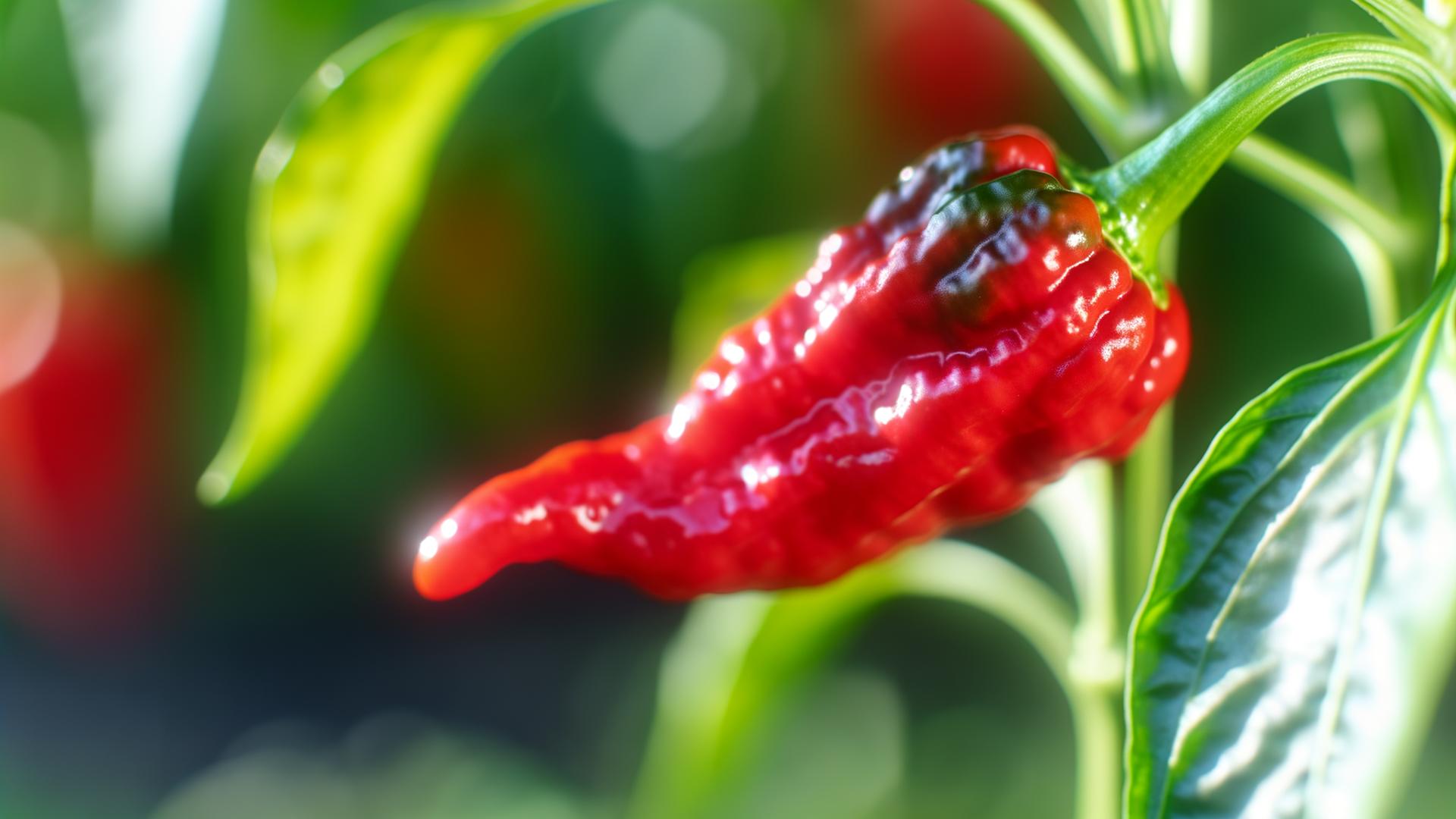
Imagine a pepper so potent, even the brave hesitate — the Carolina Reaper Red. Crowned as one of the world's hottest peppers, it dances on the palate as much as it tickles the adventurous spirit of any die-hard chili fan. Born from the union of a Pakistani Naga and a Red Habanero, this fiery gem is the brainchild of Ed Currie from the Puckerbutt Pepper Company. But what makes this pepper not only hot but a cherished plant among chili aficionados around the globe? Let’s venture into its fiery world, explore its alluring charm, and understand how to cultivate it to perfection.
Cultivation Requirements for Carolina Reaper Red
Cultivating the Carolina Reaper is more akin to nurturing a temperamental yet rewarding child — attention, love, and the right conditions are key.
Climate and Soil
The Carolina Reaper hails from warm, humid regions, manifesting a particularly picky taste in meteorological preferences. It thrives best in environments akin to its South Carolinian roots, where temperatures hover between 70°F and 85°F (21°C to 29°C). While it loves the sun, the plant appreciates some afternoon shade to prevent leaf scorch under intense heat.
When it comes to soil, this pepper is a gourmand, savoring well-draining, nutrient-rich soil. Aim for a pH balance ranging from 6.0 to 6.5. A good mix of sandy loam infused with organic matter is the elixir for healthy development. Consider enriching the soil with compost or well-rotted manure before planting, enhancing both drainage and nutritional content.
Sowing and Planting
Start your seeds indoors about 8-10 weeks before the last frost date. Being a heat-lover, the Carolina Reaper seeds demand a consistent warm temperature of around 75°F to 90°F (24°C to 32°C) for germination, which could take 14 to 30 days. Patience is a virtue in this process.
Once the seedlings sprout and showcase 2-3 leaves, they can begin the next phase: hardening off. Introduce them to longer spells outside, gradually increasing exposure to direct sunlight and reduced temperature controls. This toughening process ensures robust, adaptable plants ready for their outdoor adventure.
Transplanting should occur when all risk of frost has vanished. Space out your peppers about 18 to 24 inches apart, ensuring each receives a generous flow of sunlight and breeze. The plants may grow between three to four feet tall, so to maximize growth and fruit production, proper spacing cannot be overstated.
Watering and Feeding
While the Carolina Reaper cherishes warmth, it does not appreciate being parched. A regular watering regime is vital, keeping the soil consistently moist yet never waterlogged. Aim to water in the early morning, allowing foliage to dry by evening, thus minimizing disease risks.
Feeding these plants is crucial. Incorporate a balanced fertilizer high in potassium and phosphorus, essential for flower and fruit production. Begin a regular feeding schedule with a diluted fertilizer solution every two weeks, starting once the seedling establishes itself in the garden bed or pot. Opt for fertilizers labeled for peppers or blooming vegetables for best results.
Care and Maintenance
Cultivating a legendary chili like the Carolina Reaper demands hands-on care and meticulous maintenance practices, a journey that pays off with fiery treasure.
Pruning and Staking
Pruning is essential in fostering bushier plants that yield heartily. Once your plants have acclimated outdoors and grow atop their stake supports, consider pinching back growing tips to encourage additional side shoots. This tactical trimming aids in preventing taller, spindly plants prone to breakage in strong winds.
Given their height potential, staking or caging your plants is a worthwhile effort. Support structures not only prevent bending from heavy fruit but also improve air circulation, reducing the likelihood of diseases developing.
Pest Control and Diseases
In the flora kingdom, the Carolina Reaper has its share of admirers and adversaries. Aphids, spider mites, and whiteflies are common attackers. Introduce beneficial insects such as ladybugs or apply neem oil solutions regularly to ward off these nuisances. Ensure the ground remains free of weeds, which could harbor pests or compete for resources.
In terms of diseases, watch out for blossom end rot or pepper mild mottle virus. Managing water stress minimizes blossom end rot’s occurrence while ensuring sanitation and isolation of affected plants helps control viral threats.
Harvesting the Inferno
After months of nurturing, it’s time to reap the fruits of your fiery labor. When vibrant red, the Carolina Reapers are ready for harvest. This stage is not only ideal for flavor but also displays a Scoville heat unit high, measuring at an average of 1,641,183 SHU. With gloves donned — trust us, you’ll need them — pluck the peppers gently to avoid damaging the plants.
Post-harvest, the Reapers can be used fresh, dried, or preserved. While caution is advised when handling, their culinary versatility is undeniable. From hot sauces to spicy rubs, they make fiery enhancements to a variety of dishes.
Embracing the Legend
Planting the Carolina Reaper is no small feat; it’s a cultivation journey that binds you to a legacy of spice and zest. Its challenges reward with tales of glory and flavors that defy imagination. By respecting its needs and embracing patience as your guide, you can uncover this pepper’s full potential and redefine what it means to grow heat.
What is the best climate to grow Carolina Reaper Red?
The Carolina Reaper Red thrives best in warm, humid climates with temperatures ranging from 70°F to 85°F (21°C to 29°C).
How long does it take for Carolina Reaper seeds to germinate?
Carolina Reaper seeds typically take 14 to 30 days to germinate under consistent, warm conditions of 75°F to 90°F (24°C to 32°C).
What type of soil is optimal for Carolina Reaper?
A well-draining, nutrient-rich soil with a pH balance between 6.0 and 6.5 is optimal. Adding organic matter like compost improves health and yield.
How often should Carolina Reaper plants be watered?
They require consistent moisture, watering early in the morning to keep the soil moist but not waterlogged, while avoiding wet foliage by nightfall.
What kind of fertilizer is recommended for Carolina Reapers?
A balanced fertilizer rich in potassium and phosphorus is recommended. Use diluted solutions biweekly once the plant is established.
How can I protect my Carolina Reaper plants from pests?
Introduce beneficial insects such as ladybugs and apply neem oil solutions to control common pests like aphids and spider mites.
When is the best time to harvest Carolina Reaper peppers?
Harvest when the peppers are fully red, which is when they display the peak flavor and heat.
What are common diseases that affect Carolina Reaper plants?
Blossom end rot and pepper mild mottle virus are common issues. Manage water stress and conduct rigorous sanitation to prevent these diseases.
Do I need to stake Carolina Reaper plants as they grow?
Yes, staking or caging provides support against strong winds and helps maintain air flow to deter diseases.
What should I wear when handling Carolina Reaper peppers?
Always wear gloves when handling the peppers as their high heat can cause severe irritation to skin and eyes.
Discussion (0)
No comments yet. Be the first to start the conversation!
Leave a Reply