Why Your Tomato Plants Are Turning Yellow and Wilted: Solutions You Must Try!
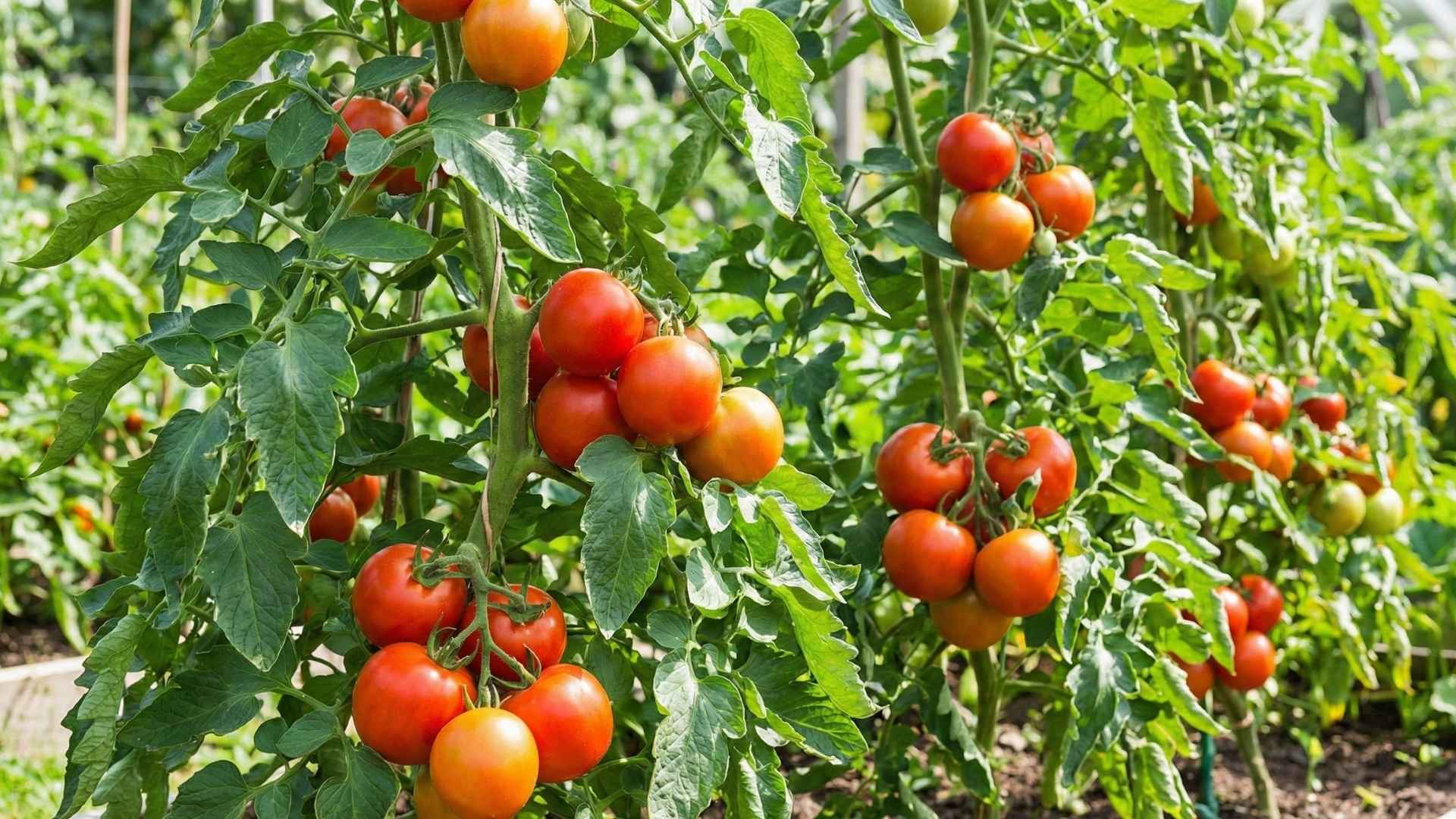
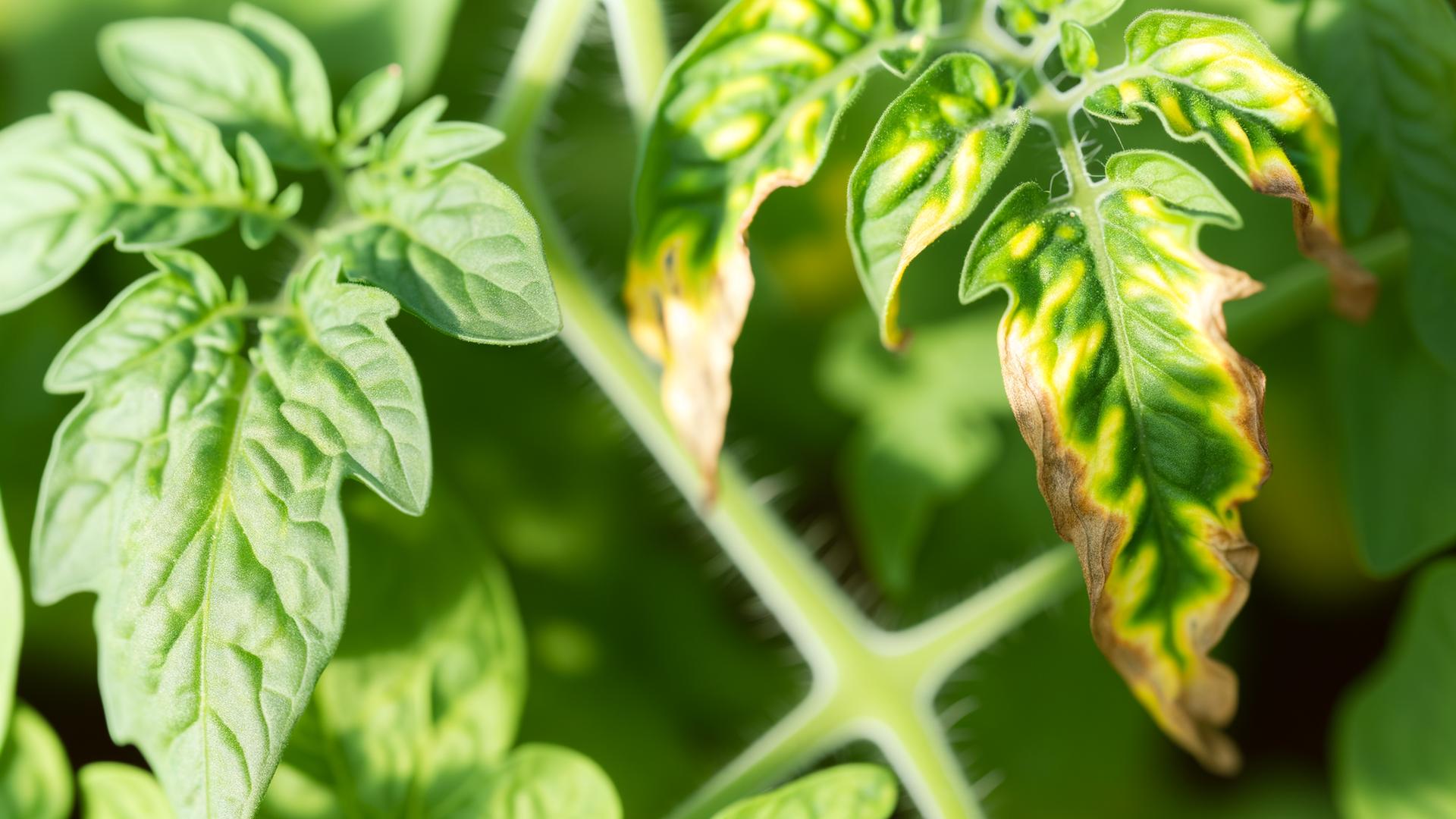
In the lush world of gardening, few things are as satisfying as growing your own tomatoes. As the warm sun cradles the ripe fruit on swaying green vines, one can almost taste the summertime sweetness that these ruby red gems promise. However, there's nothing more disheartening than wandering out to your garden only to find yellowing leaves and wilting vines that were vibrant just days before. If this is a scene all too familiar, don't despair! Together, we'll explore the reasons behind this transformation and remedy your woes so your tomato plants can flourish once more.
Understanding the Problem
Before diving into the solutions, let's unravel the mystery behind the yellowing and wilting of tomato plants. Several factors, ranging from environmental conditions to diseases and pests, can contribute to this unsightly situation.
Nutritional Deficiencies
Tomato plants sometimes struggle to access essential nutrients, often leading to yellowing foliage. The most common deficiency is nitrogen, an essential nutrient for lush, green growth.
Watering Issues
Both overwatering and underwatering can cause your tomato leaves to turn yellow and droop. Finding the right balance is crucial.
Soil Compaction
Compacted soil can restrict root growth, leading to poor nutrient absorption and oxygen deprivation.
Pests and Diseases
A variety of pests—such as aphids and whiteflies—and diseases like fusarium wilt or early blight could be the culprits behind the yellowing.
Environmental Stress
Unusual temperatures and placement may be stressing your tomato plants, causing them to signal distress through yellowing.
Solutions to Revive Your Tomato Plants
Below are tried-and-true solutions designed to tackle the spectrum of issues that may plague your tomato plants. Choose the remedy that aligns with your plant's specific symptoms and watch them bounce back to life.
Revitalizing Through Feeding
Checking Nutrient Levels
To determine if a nutritional deficiency is to blame, start by testing your soil. Home test kits can help you identify what your soil lacks so you can amend it accordingly.
Fertilizing for Success
- Nitrogen Deficiency: Use a balanced, organic fertilizer high in nitrogen to rejuvenate yellow leaves. Fish emulsion can be particularly effective.
- Calcium Deficiency: Prevent blossom-end rot—characterized by yellowing and wilting—by supplementing with calcium-rich amendments like crushed eggshells or bone meal.
Mastering the Art of Watering
Finding the Perfect Balance
Ensuring your tomato plants receive the right amount of water is a delicate dance:
- Underwatering: If your soil is bone dry, gradually increase watering frequency. Ensure deep watering by letting water soak through the roots deeply.
- Overwatering: If the soil is soggy, reduce watering and improve drainage by amending soil with compost or perlite.
Tackling Soil Compaction
Aeration and Amendments
- Breaking the Compaction: Gently till the soil around your plants, being careful not to disturb the roots. Incorporate organic matter such as compost to improve drainage and nutrient access.
Dealing with Pests and Diseases
Organic Pest Control
- Natural Allies: Introduce beneficial insects like ladybugs to keep pests like aphids in check. For a boost, neem oil can deter unwanted invaders without harming your plants.
- Insecticidal Soaps: For heavier infestations, a gentle insecticidal soap can safely eradicate pests.
Disease Management
- Fusarium Wilt: Choose disease-resistant varieties and ensure proper crop rotation. Remove and destroy infected plants promptly.
- Early Blight: Apply a copper-based fungicide, if detected early, and ensure proper air circulation around plants.
Managing Environmental Stress
Optimal Plant Placement
- Sunlight Needs: Tomato plants thrive in full sun, so relocate any plants languishing in the shade.
Temperature Considerations
- Frost Protection: In cooler climates, use row covers to protect against unexpected frosts.
- Heat Management: Mulching with organic materials can maintain soil moisture and stymie overheating.
Preventive Measures for a Healthier Future
While reviving your stressed tomato plants is a rewarding achievement, maintaining ongoing health ensures delicious harvests season after season. Consider these preventative actions for long-term success:
Companion Planting
Strategically plant companions like basil and marigolds to deter pests and boost plant health.
Regular Monitoring
Conduct weekly garden check-ins to catch any emerging issues early.
Healthy Practices
Rotate crops every year to prevent soil depletion and disease buildup.
Frequently Asked Questions
1. Do yellowing tomato leaves always indicate a problem?
Not necessarily. Older leaves may naturally yellow and die off, but new or numerous yellow leaves can be a sign of distress.
2. How often should tomato plants be watered?
Water deeply but infrequently, typically every 5-7 days, adjusting for rainfall and temperature.
3. Can I save a tomato plant with severe fusarium wilt?
Unfortunately, plants with severe fusarium wilt may not be salvageable. It's best to remove and dispose of them to prevent further spread.
4. Is it safe to use chemical fertilizers on tomato plants?
It's generally safe if used correctly, but organic fertilizers are kinder to the environment and promote healthier soil.
5. Can wilting be reversed?
If caught early and the cause addressed (such as watering issues or temporary stress), wilting can often be reversed.
6. What's the best mulch for tomato plants?
Organic mulches like straw, wood chips, or compost work well for tomato plants, retaining moisture and providing nutrients.
7. Is transplant shock a reason for yellowing?
Yes, newly transplanted tomatoes may experience some yellowing due to stress but should recover with proper care.
8. Can tomatoes recover from an aphid infestation?
Yes, tomatoes can recover from aphids. Removing aphids manually or employing natural predators will aid recovery.
9. How do I identify nitrogen deficiency in leaves?
Leaves with nitrogen deficiency typically yellow from the tip inward, affecting older leaves first.
10. How can I deter birds from damaging tomato crops?
Try using bird netting or reflective tape to scuttle bird interest in your ripening tomatoes.
Discussion (0)
No comments yet. Be the first to start the conversation!
Leave a Reply