
Introduction: The Tale of the Rotting Tomato
Once upon a time, in gardens sprawling with cheerful green leaves and vibrant blooms, an insidious invader quietly struck. The tomato, often the crown jewel of any home garden, would suddenly show dark, sunken spots, leaving gardeners heartbroken. This is the tale of the dreaded tomato blight, a common nemesis for both novice and seasoned gardeners. But fear not, for this guide will arm you with the knowledge to identify, prevent, and cure this common garden ailment.
Understanding Tomato Blight
The Blight Epilogue: What is it?
Tomato blight is a term used for several diseases caused by fungi or bacteria that affect tomato plants. The most notorious blighters are Early Blight and Late Blight. Each has distinct characteristics, but the end result can be devastating if not properly managed.
Early Blight
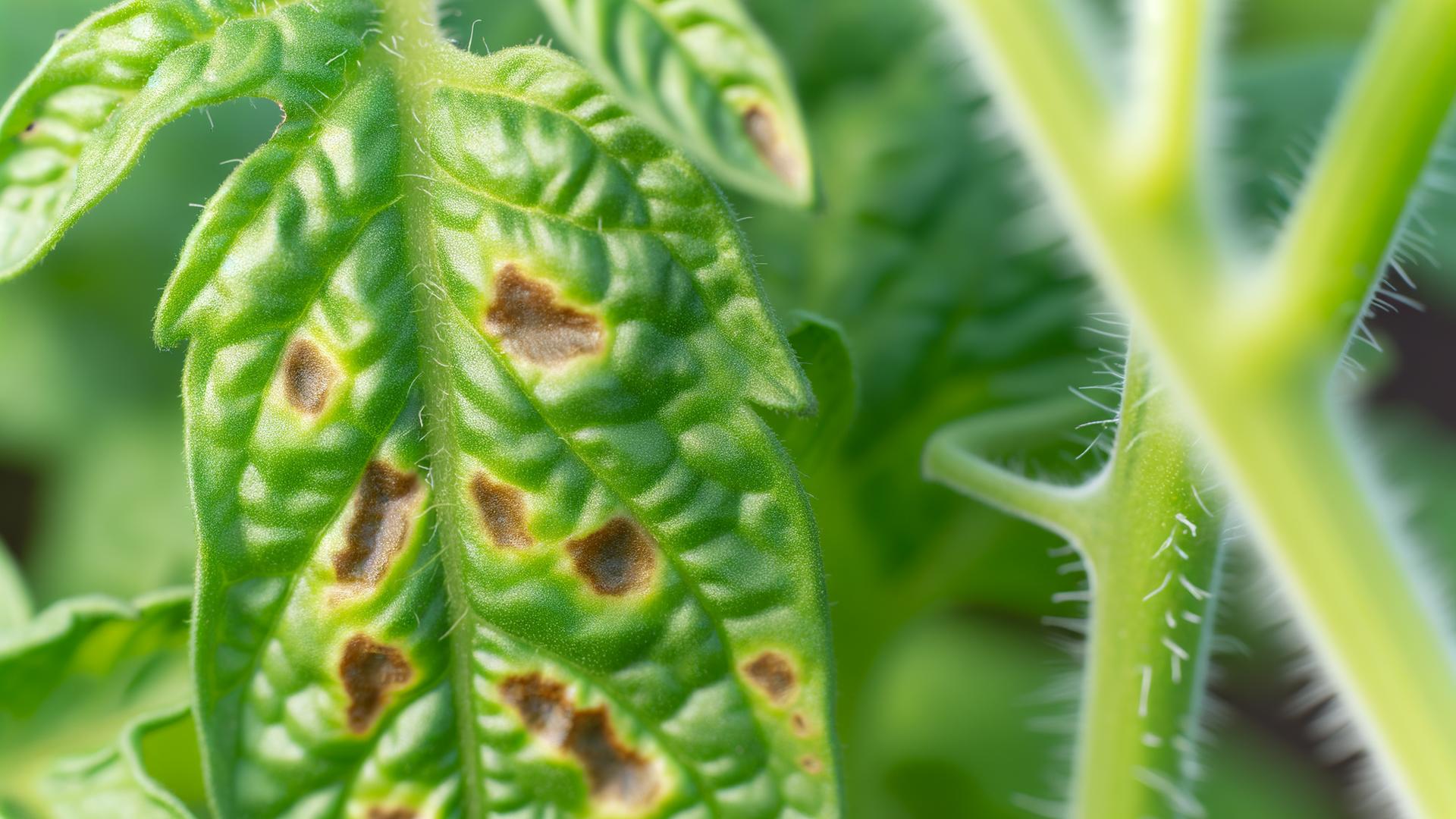
This type of blight is caused by the fungus Alternaria solani. It typically appears in warm, wet conditions and manifests as small brown spots on older leaves, eventually leading to concentric rings that give a target-like appearance. These spots can coalesce, causing the leaves to turn yellow, wither, and die.
Late Blight
Caused by the infamous Phytophthora infestans—yes, the same culprit responsible for the Irish Potato Famine—Late Blight thrives in cool, moist conditions. This blight presents as large, dark spots on leaves and fruit. When unchecked, it rapidly spreads, causing entire plants to collapse into blackened, inedible mush.
The Blight Chronicles: Spotting the Symptoms
Signs of Early Blight
- Spot the Spot: Look for small, dry brown lesions on the oldest leaves.
- Concentric Circles: These lesions develop ring-like structures.
- Leaf Drop: Infected leaves turn yellow and fall off prematurely.
- Fruit Rot: Infection can spread to the fruit, causing dark sunken spots.
Signs of Late Blight
- Water-soaked Lesions: Dark, rapidly expanding spots on leaves that appear water-soaked.
- Fruit Mayhem: Greasy spots on green and ripe tomatoes that turn brown and rot.
- Stem Strikes: Dark brown or black streaks appear on stems.
Preventive Measures: Warding Off the Blight
Choosing Resistant Varieties
Planting blight-resistant tomato varieties is one of the best defenses. Varieties like Mountain Magic, Defiant, and Jasper have shown resilience against both Early and Late Blight.
Cultivation Techniques
- Crop Rotation: Avoid planting tomatoes in the same spot year after year. This reduces the chances of soil-borne pathogens causing a repeat attack.
- Proper Spacing: Allow adequate space between plants. This ensures good air circulation and reduces humidity levels that favor fungal growth.
- Mulching: Use organic mulch to prevent soil from splashing onto the leaves, which can carry disease spores.
- Timely Watering: Water at the base of the plant early in the morning, avoiding wetting the leaves.
Good Hygiene Practices
- Clean Tools: Sanitize gardening tools to avoid transferring spores from plant to plant.
- Remove Debris: Get rid of plant debris and weeds where spores can overwinter.
- Pruning: Remove lower leaves to prevent pathogens from splashing up from the soil.
Combating the Blight: Steps to Recovery
Organic Remedies
- Copper Fungicide: An effective organic treatment for both Early and Late Blight.
- Neem Oil: Use as a preventative and early-stage treatment.
- Baking Soda Spray: Create a mixture with water and dish soap to limit fungi spread.
Chemical Warfare
For severe cases, you may need to resort to synthetic fungicides. Products containing chlorothalonil or mancozeb are effective but should be used judiciously.
Monitoring and Maintenance
- Regular Check-ups: Frequently inspect your plants for any signs of blight.
- Prompt Action: At the first sign of spotting, remove affected leaves and apply treatments.
- Favorable Conditions: Maintain optimal growing conditions, such as balanced soil pH and nutrient levels, to strengthen plant immunity.
FAQ: Your Tomato Blight Questions Answered
-
What is the best way to water tomatoes to prevent blight? Water at the base of the plant early in the morning to keep foliage dry and reduce humidity.
-
Are blight-resistant tomatoes completely immune to blight? No, they are not immune but have a significantly reduced risk and impact of infection.
-
Can I save a plant that's already heavily infected with blight? It's tough if the infection is severe. Consider removing and destroying the plant to prevent spreading.
-
Is blight only a problem for tomatoes? No, it also affects other members of the nightshade family like potatoes.
-
How quickly can blight spread in the garden? Very quickly, especially in conducive weather conditions. Daily monitoring is essential.
-
Can blight affect indoor or container-grown tomatoes? Yes, if conditions like humidity and airflow are not carefully controlled.
-
Does cooking blighted tomatoes make them safe for consumption? It's advised not to consume any visibly infected fruits as they can harbor harmful toxins.
-
How do I dispose of infected plants? Do not compost them. Bag and discard them with the trash or burn them if allowed.
-
Can blight spores survive winter? Yes, especially in plant debris or unturned soil.
-
Are there any biological controls for tomato blight? Beneficial microorganisms like bacillus subtilis can reduce disease pressure.
Conclusion: Restoring Tomato Glory
The battle against tomato blight may seem daunting, yet with knowledge and vigilance, your tomatoes can thrive. By understanding the nature of these fungal foes, employing preventive tactics, and taking swift action at the first sign of trouble, you can protect your cherished garden gems from an untimely demise. Remember, gardening is as much about triaging these challenges as it is about celebrating the harvest. So, gear up and give those tomatoes the fighting chance they deserve!
Discussion (0)
No comments yet. Be the first to start the conversation!
Leave a Reply