
The First Morning of Spring: Awakening Your Lawn
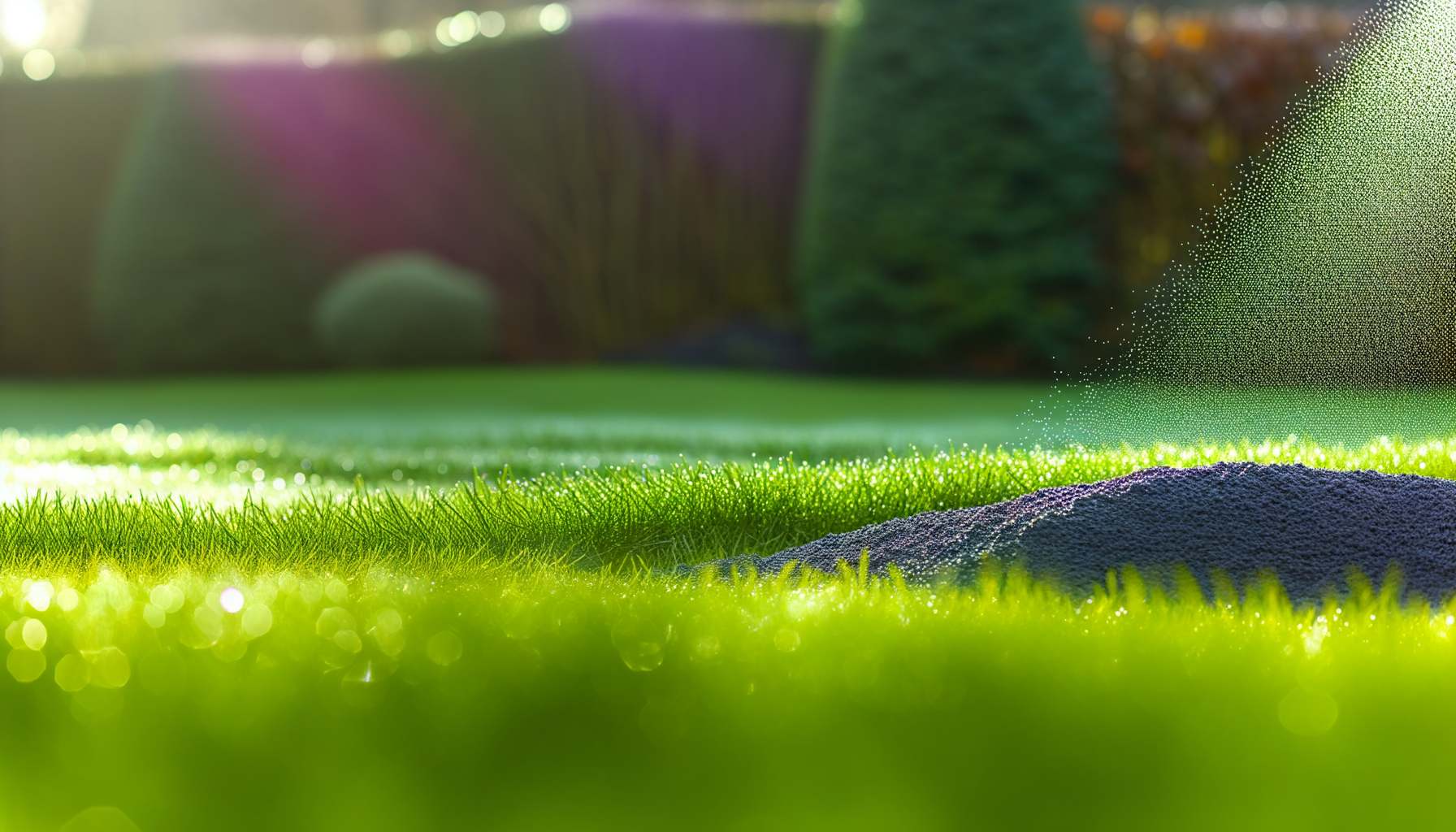
Imagine stepping outside on the first morning of spring. The crisp air carries a hint of warmth, while early sunlight casts a golden sheen on the dew-dipped grass—only it isn’t quite the luscious green you yearn for. Instead, the lawn is a quilt of browns and tired greens, a stark reminder of winter's grip. Every passionate gardener knows what this means: it's the prime moment to start preparing for a lush, vibrant yard. Just like a painter with a blank canvas, you're ready to revive your outdoor palette. But where should you start? The answer lies in understanding the science of fertilizing your lawn at just the right time.
Why Fertilization Matters
Every gardener dreams of a pristine, green lawn, yet getting there requires more than just hope. Fertilization is about providing the essential nutrients that your grass craves after a long, nutrient-depleting winter. Nitrogen, phosphorus, and potassium are the three vital nutrients that promote healthy growth, vibrant color, and strong root development. Without these, grass struggles to flourish, much like a marathoner running without food.
The Role of Fertilization in Lawn Care
- Nitrogen: Encourages lush, green growth.
- Phosphorus: Supports the development of strong roots and seedlings.
- Potassium: Aids in disease resistance and stress tolerance.
When to Fertilize Your Lawn in Spring
Timing is everything when it comes to effective fertilization. Apply it too early, and you'll waste precious nutrients on dormant grass; too late, and the grass might not recover fully from the winter stress.
Monitoring Soil Temperature
One of the most reliable ways to determine when to fertilize is by monitoring the soil temperature rather than relying solely on the calendar. Soil warmth is crucial as it ensures that the grassroots can absorb the nutrients.
The Secret 10-Degree Rule
Ah, the "10-degree rule" — it's my little insider tip that’s taken my lawn from drab to fab numerous times. When soil temperature consistently holds at around 50°F (10°C), it signals that your grass is waking up from dormancy. At this stage, your lawn is primed and ready to assimilate the nutrients from fertilizer, allowing for optimal growth.
Regional Considerations
Different regions experience the arrival of spring at various times. Keep these tips in mind:
- Northern climates: Typically, you'll look to fertilize in mid to late April.
- Midwestern climates: Fertilizing around early to mid-April is generally ideal.
- Southern regions: Spring often arrives sooner, so aim for early March.
How to Fertilize Your Lawn
The method of fertilizer application is as important as timing. Here’s a step-by-step approach to ensure even distribution and nutrient availability.
Tools and Techniques
-
Choose the Right Fertilizer:
- Look for a fertilizer with a higher nitrogen content.
- Use a slow-release formula for sustained nutrient availability.
-
Set Up the Spreader:
- A broadcast spreader is ideal for large lawns.
- A drop spreader offers precise application for smaller areas.
-
Application:
- Walk at a steady pace and maintain consistent rhythm to ensure even coverage.
- Overlap slightly between passes to avoid strips of unfertilized lawn.
-
Post-application Care:
- Water the lawn lightly after fertilizing to help dissolve and seep nutrients into the soil.
- Avoid heavy watering as it can cause run-off and waste nutrients.
Common Fertilizing Mistakes to Avoid
Even experienced gardeners make mistakes, so here are a few common pitfalls to steer clear of:
- Over-fertilizing: Can cause "fertilizer burn," leading to brown patches.
- Ignoring manufacturer’s instructions: Always follow the product guidelines for optimal results.
- Skipping Soil Testing: Understanding your soil’s current nutrient level is key in selecting the right fertilizer blend.
FAQs About Spring Lawn Fertilization
-
When should I start fertilizing my lawn in the spring?
- Begin fertilizing when soil temperatures reach about 50°F (10°C).
-
Why is nitrogen important in lawn fertilizers?
- Nitrogen encourages lush, green growth, making it crucial for aesthetic appeal.
-
How often should I fertilize my lawn throughout the year?
- Generally, 2 to 4 times a year is recommended, depending on the grass type and soil condition.
-
Can I use a generic fertilizer for my lawn?
- While possible, using a specialized lawn fertilizer is best due to its specific nutrient mix.
-
What is fertilizer burn?
- It's a condition caused by over-fertilizing, leading to brown, scorched grass patches.
-
Is it necessary to water my lawn after fertilizing?
- Yes, light watering helps nutrients to absorb into the soil effectively.
-
How do I test my lawn's soil temperature?
- Use a soil thermometer, inserting it at least 3 inches deep for an accurate reading.
-
Should I mow my lawn before or after fertilizing?
- Mow before fertilizing to ensure nutrients reach the soil more efficiently.
-
Can early spring frosts affect fertilization?
- Late frosts can impact absorption, so it's best to wait until you’re past any frost risk.
-
What should I do if it rains right after I fertilize?
- Light rain is beneficial, but heavy rain might wash away the nutrients, requiring a possible reapplication.
Discussion (0)
No comments yet. Be the first to start the conversation!
Leave a Reply