A Journey to My Tomato Paradise
I still vividly remember the scent of fresh tomatoes hanging in the summer air of my grandmother’s backyard. Every May, it seemed her garden was in glorious competition with the sun, bursting with the vibrance of ripening tomatoes. Grandma never missed a planting season; she knew exactly when to whisper back to nature's rhythms to get the luscious bounty that left her grandchildren's faces streaked with juice and delight. This sensory tapestry, woven from those sun-drenched, red-tinged cotton summer days, inspired my own quest for a tomato bounty every May.
From that seed of inspiration came years of trial and error, patience, and the unyielding spirit to understand when to sow those first seeds of opportunity. Here, I share with you not just steps or dates, but a soulful journey towards achieving your own May garden bounty of tomatoes.
Understanding the Tomato Timeline
Timing is Everything
The key to a successful tomato harvest lies in timing – the intricate dance between sowing the seeds and the warming whispers of spring. Planning ahead is critical; this isn't just about pushing seeds into the soil but about syncing with nature's grand schedule.
Starting Indoors: The Beginning
For most climates, beginning indoors is your best bet. About 6-8 weeks before the last expected frost, set your seeds in trays or small pots. This controlled environment protects the tender nascent phases of growth and allows you to nurture until it's time for the great outdoors.
Monitoring Mother Nature
Understanding the Last Frost Date is essential. The seeds of information often lie with your local agricultural extension office or gardening community data. Your goal is to transplant your thriving seedlings after the last frost threat has melted away, usually sometime in mid to late spring.
Prepping for Planting
Seed Selection: Choose Your Variety
Choosing the right variety is like picking the perfect canvas. Consider the time to maturity; early-season varieties like ‘Early Girl’ or ‘Stupice’ are excellent choices for a head-start in cooler climates. Conversely, mid to late-season varieties can thrive under prolonged sunny spells.
Soil and Location: The Right Foundation
Tomatoes crave well-drained soil rich in organic matter. A mix of compost and aged manure shapes a nourishing bed. Armed with a pH value of 6.0 to 6.8, tomatoes love slightly acidic soil. Choose a spot in your garden that receives full sunlight, ideally 6-8 hours a day.
The Transplanting Moment
Once the weather forecast aligns with your plans, and the soil speaks of warmth when you touch it, it’s time! Remember to harden off your seedlings - introduce them gradually to the outdoors over a week or two. This crucial acclimation fosters resilience.
Nurturing the Growing Seedlings
Watering Wisely
Tomatoes require consistent moisture. Water thoroughly but not excessively – deep watering once a week usually suffices. The idea is to saturate the root zone without waterlogging, encouraging strong roots as the central network for your garnet jewels.
Fertilization: Feeding for Growth
Every plant hungers for nutrients. Post planting, initiate fertilization using a balanced liquid fertilizer rich in phosphorus – crucial for strong root systems. As the plant enters the fruiting stage, shift to a fertilizer higher in potassium and phosphorus.
Pruning and Staking: Support and Shape
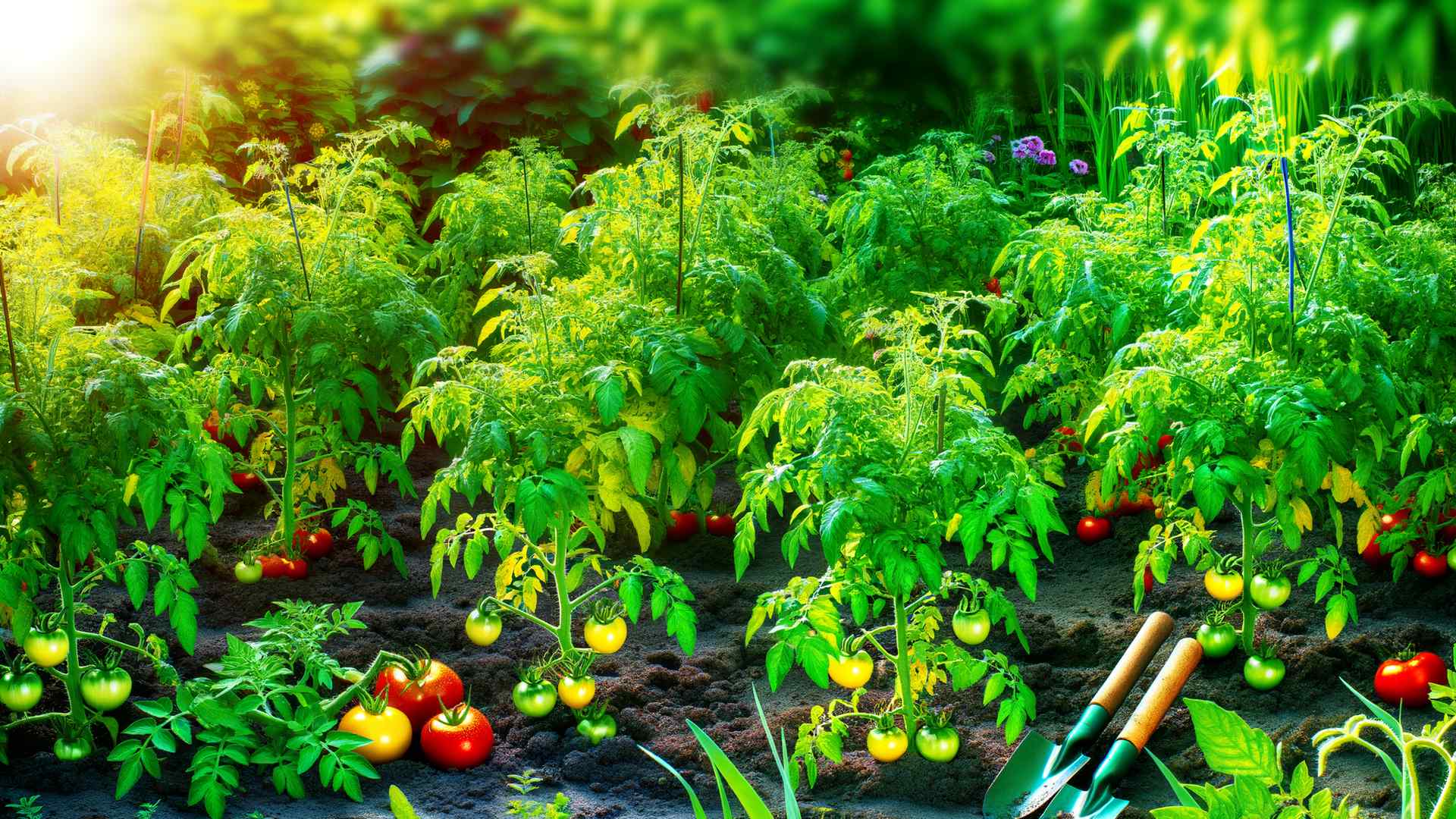
Pruning your tomato plants and providing adequate support through staking or caging is vital. Remove the suckers, those small shoots that emerge at the junction of the stem and a branch leaves, diverting energy from potential fruit. Staking prevents sprawling, keeping plants tidy and disease-free while allowing for impressive vertical growth.
Harvesting the Tomato Treasure
Picking the Perfect Fruit
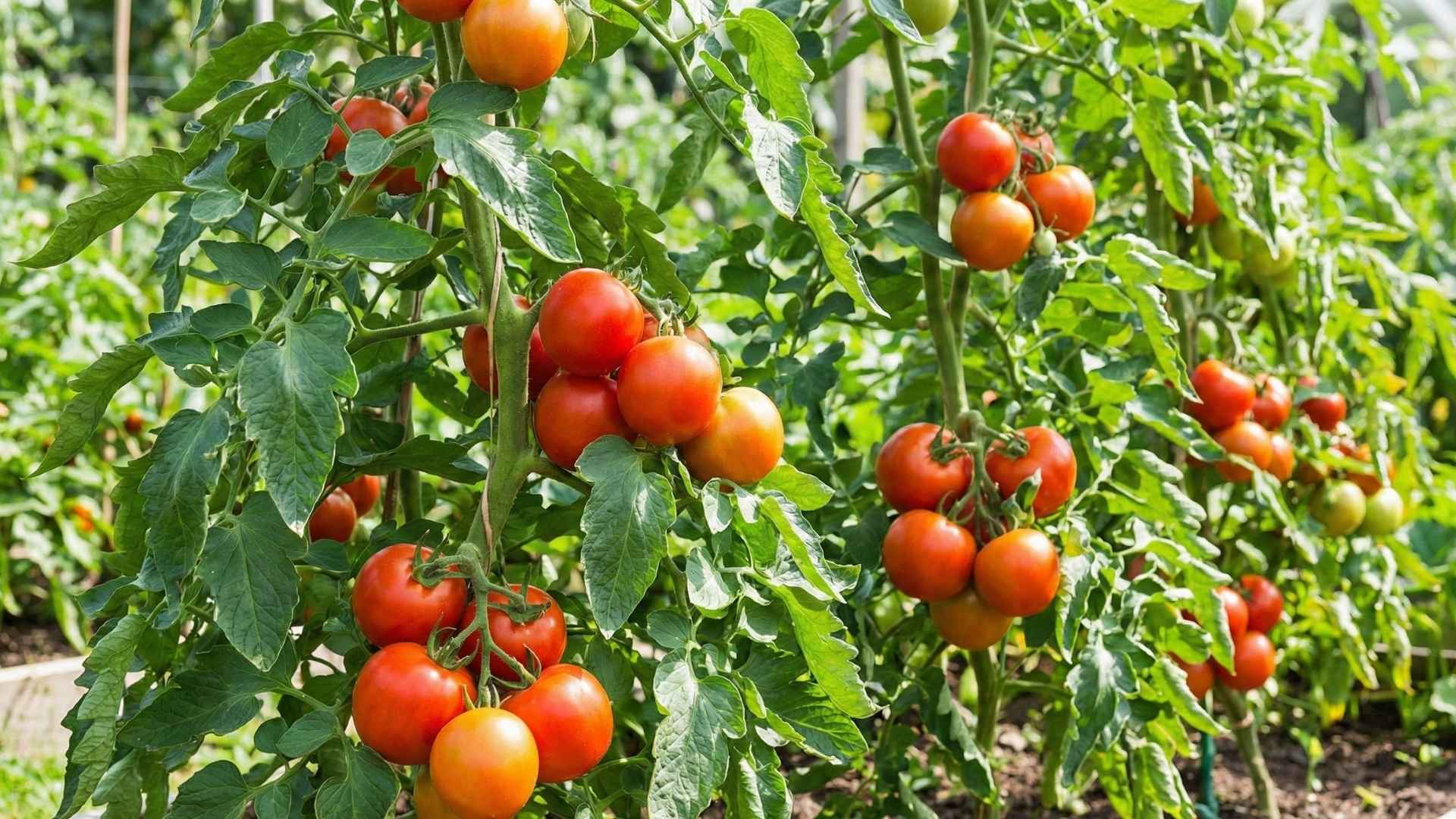
When the golden moment arrives, the trick is recognizing true ripeness. Look for a vibrant red (or appropriate varietal color), a slight give under gentle pressure, and a sweet fragrance indicative of maturity. Timing these harvests can maintain a bounty without overwhelming the kitchen counter.
Storage Solutions
After picking, store your tomatoes at room temperature for optimal flavor. Avoid refrigeration – it can mute the taste. If you've gathered a massive haul, consider canning, drying, or freezing for long-term enjoyment of your velvety summer triumph.
Celebrating a May Garden Bounty
With the hard work behind you, there is immense satisfaction in preparing a summer dish crowned by your homegrown tomatoes. Whether it’s a crisp salad, a luscious marinara sauce, or just a simple snack sprinkled with salt, remember this: you are participating in a time-honored tradition of cultivating joy from the earth.
FAQs
What is the best month to start growing tomatoes indoors?
Typically, it’s best to start growing tomatoes indoors about 6-8 weeks before the last expected frost date in your area. This generally falls around February or March.
How do I know when to transplant my tomato seedlings outside?
Transplant your seedlings when the threat of frost has passed and nighttime temperatures are consistently above 50°F (10°C). Typically, this is around mid to late spring.
Can I plant tomatoes directly in the garden?
In warm climates, yes. However, in cooler climates, it's advisable to start indoors and transplant later to give your tomatoes a head start.
What soil conditions do tomatoes prefer?
Tomatoes thrive in well-drained, fertile soil rich in organic matter, with a slight acidity and a pH of 6.0-6.8.
How often should I water my tomato plants?
Water deeply and consistently, usually once a week, ensuring that the soil is moist but not waterlogged.
Should I prune my tomato plants?
Yes, pruning the suckers is beneficial for redirecting energy towards fruit production and keeping plants healthy and less prone to diseases.
How can I support my tomato plants?
You can use stakes, cages, or trellises to keep your tomato plants upright, ensuring better sun exposure and air circulation.
When are tomatoes ready for harvest?
Timing is variable, but tomatoes are typically ready for harvest when fully colored and slightly soft to the touch, suggesting full ripeness and flavor.
What should I do with excess tomatoes?
Tomatoes can be stored at room temperature or processed through canning, drying, or freezing for year-round enjoyment.
How can I prevent diseases in my tomato plants?
Ensure proper spacing, consistent watering routines, and apply organic mulch. Rotate crops annually to minimize disease exposure.
Discussion (0)
No comments yet. Be the first to start the conversation!
Leave a Reply