A Tale of Two Gardens: The Fertilizer Chronicles
In the quiet town of Hargrove, nestled between rolling hills and serene rivers, lived a passionate gardener named Emily. With every sunrise, she would wake to the symphony of chirping birds and the rustling of leaves. Her heart danced with every petal that unfolded in her modest garden – her slice of paradise. But one year, a peculiar challenge emerged. Her prized tomatoes grew half-heartedly while the roses wilted more than they bloomed.
Frustrated, she turned to her neighbor, Mr. Thompson, an elderly man with weathered hands and a garden overflowing with life. With a knowing smile, he spoke of the magical duo that was often misunderstood: Nitrogen and Potassium. It was then that her journey into the art and science of fertilization truly began.
The Building Blocks of Plant Nutrition
Before delving into the nitty-gritty of when to fertilize with nitrogen versus potassium, it's essential to grasp their roles in plant health.
Understanding Nitrogen
Nitrogen is the lifeblood of chlorophyll, the molecule essential for photosynthesis, which feeds the plant. Without it, leaves yellow, growth stunts, and the vigor of plants diminishes. For Emily, this was the elixir of life her tomatoes desperately needed.
Potassium: The Unsung Hero
Potassium, on the other hand, is like the plant's personal trainer, beefing up its stress tolerance, improving fruit quality, and elevating disease resistance. In Emily’s garden, her beleaguered roses were craving this very nutrient.
When to Fertilize with Nitrogen
Signs Your Garden Craves Nitrogen
As Emily learned, reading her garden's needs was akin to learning a new language. Here are the signs she discovered which indicated her plants needed a nitrogen boost:
- Yellowing Leaves: Especially older leaves, starting from the tips.
- Stunted Growth: A notable lack of new shoots or reduced leaf size.
- Poor Fruit Production: A sparse yield from tomato plants.
The Optimal Time for Nitrogen Fertilization
Timing is everything when it comes to applying nitrogen. Here is the guidance Emily received:
- Early Growth Stages: Most plants require a surge of nitrogen during their early growth to fuel rapid development.
- Post-Harvest for Perennials: For plants like fruit trees, a nitrogen boost after harvesting helps replenish nutrients.
How to Apply Nitrogen
Emily had numerous options for applying nitrogen. Here's how she mastered the skill:
- Compost: A natural and gradual nitrogen source.
- Fish Emulsion: Ideal for quick uptake.
- Nitrogen-Rich Chemical Fertilizers: For precise and quick boosts, especially before heavy growth phases in spring.
When to Fertilize with Potassium
Recognizing Potassium Deficiency
Emily learned that potassium deficiency was not as glaring as nitrogen but equally crucial. The symptoms included:
- Browning Leaf Edges: Also known as marginal burn.
- Weak Stems: Plants easily toppled or broken.
- Poor Flower Bloom: Flowers that struggled to open fully.
Timing Potassium Applications
Knowing when to fertilize with potassium empowered Emily’s roses to flourish:
- Before Blooming Season: For flowering plants, preemptive potassium application boosts blooms.
- Fruit Development: In fruiting plants, potassium is critical from fruit set to maturity.
- Mid-Summer for Perennials: To enhance stress tolerance during peak heat.
Techniques to Apply Potassium
Emily found several ways to deliver potassium to her garden:
- Wood Ash: A natural source of potassium for organic gardeners.
- Potassium Sulfate: For situations needing a fast-acting approach.
- Granulated Potassium Fertilizers: Ideal for controlled and uniform distribution.
The Symbiotic Balance
Nitrogen and Potassium Together
Emily realized that the dance between nitrogen and potassium wasn’t about choosing one over the other but balancing both:
- Vegetable Gardens: Here, a bit more nitrogen can spur veggie growth, but adding potassium ensures robust fruit set and disease resistance.
- Flower Gardens: Potassium takes precedence to amplify flower quality and vibrancy while nitrogen aids plant foliage.
Avoiding Over-fertilization
Like all good things, too much of a nutrient can be detrimental. Over-fertilizing with nitrogen leads to:
- Excessive Vegetative Growth: At the expense of fruits and flowers.
- Increased Susceptibility to Pests: Tender new growth can attract aphids and other pests.
Conversely, too much potassium can:
- Interfere with Other Nutrients: Making it harder for plants to absorb magnesium and calcium.
- Alter Soil pH: Leading to potential nutrient lockout.
Emily's Garden Reborn
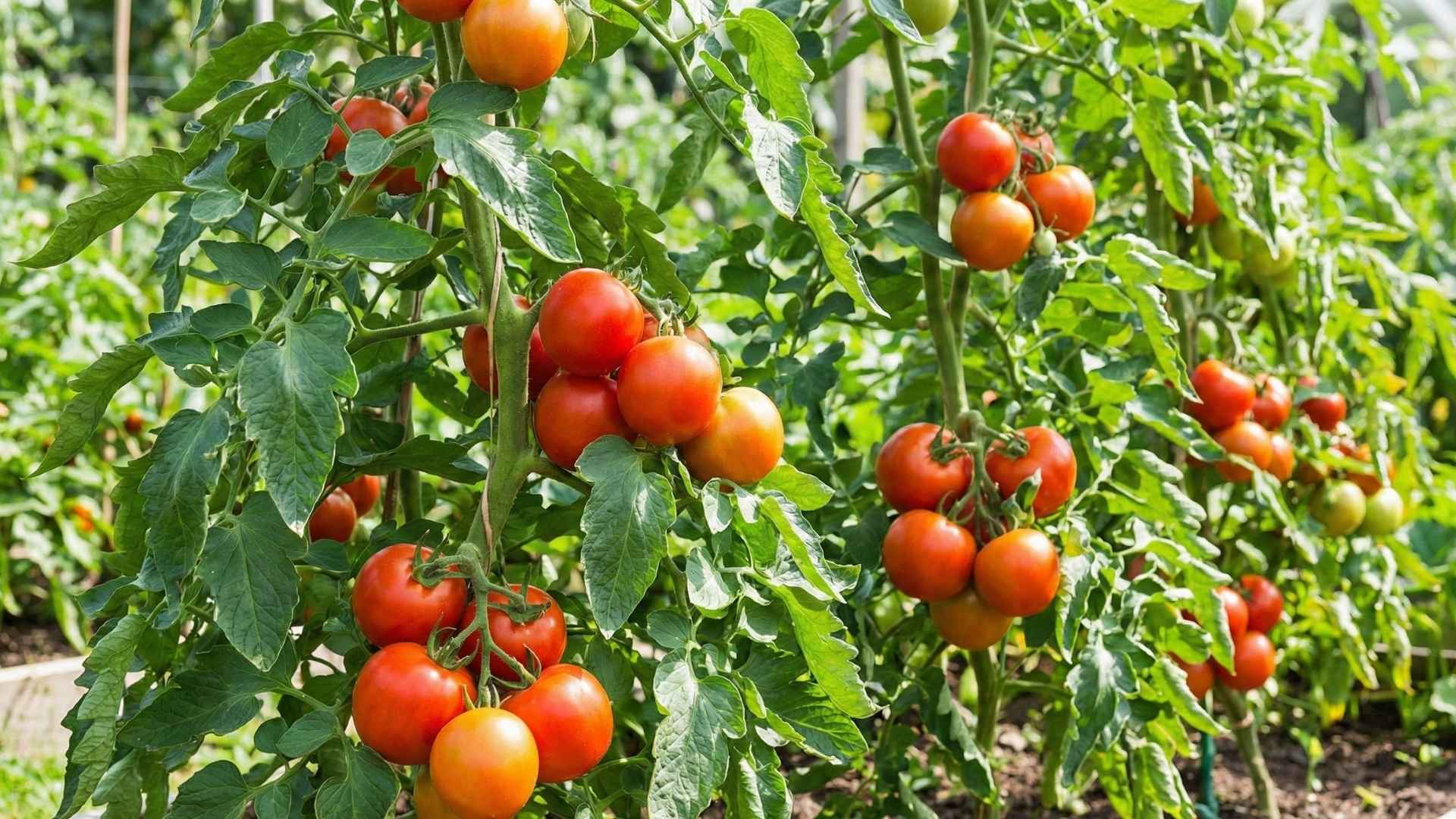
Armed with her newfound knowledge, Emily’s garden underwent a transformation. By precisely timing and balancing her applications of nitrogen and potassium, her garden exploded with health and vitality. Tomatoes gleamed like small suns, and roses stood tall, their aromas intoxicating the evening air. Emily’s heart swelled with the joy of stewardship over her corner of the earth.
FAQ Section
1. What happens if I over-fertilize with nitrogen?
Over-fertilization with nitrogen can lead to excessive leafy growth, reduced fruit production, and increased susceptibility to pests.
2. Can I use wood ash as a potassium source for all plants?
Wood ash can be used as a potassium source but should be applied cautiously due to its high pH, which may not suit acid-loving plants.
3. How often should I apply potassium to my flowering plants?
Applying potassium once at the start of the blooming season is usually sufficient, but check your specific plant’s needs.
4. Are there organic options for nitrogen fertilization?
Yes, organic options include compost, manure, and fish emulsion, which provide a slower and more sustainable release of nitrogen.
5. Can too much potassium decrease nitrogen uptake?
Excessive potassium can indeed interfere with the uptake of other nutrients, including nitrogen, leading to imbalances.
6. What are quick nitrogen sources for emergencies?
In emergencies, urea and ammonium nitrate are fast-acting nitrogen sources that plants can quickly absorb.
7. Is potassium deficiency common in garden soils?
It depends on the soil type. Sandy soils often have less potassium, making deficiency more common compared to clay soils.
8. Should nitrogen be applied in colder months?
It's generally advised to avoid applying nitrogen in colder months when plant uptake is minimal and the risk of leaching is high.
9. How can I test my soil's nutrient levels?
A soil test kit or a professional lab test can help determine your soil's nutrient levels and pH balance.
10. Do different plants have unique nitrogen and potassium needs?
Yes, plants like tomatoes may require more nitrogen than flowering perennials, which may thrive with higher potassium applications.
Discussion (0)
No comments yet. Be the first to start the conversation!
Leave a Reply