The Old Orchard Tale
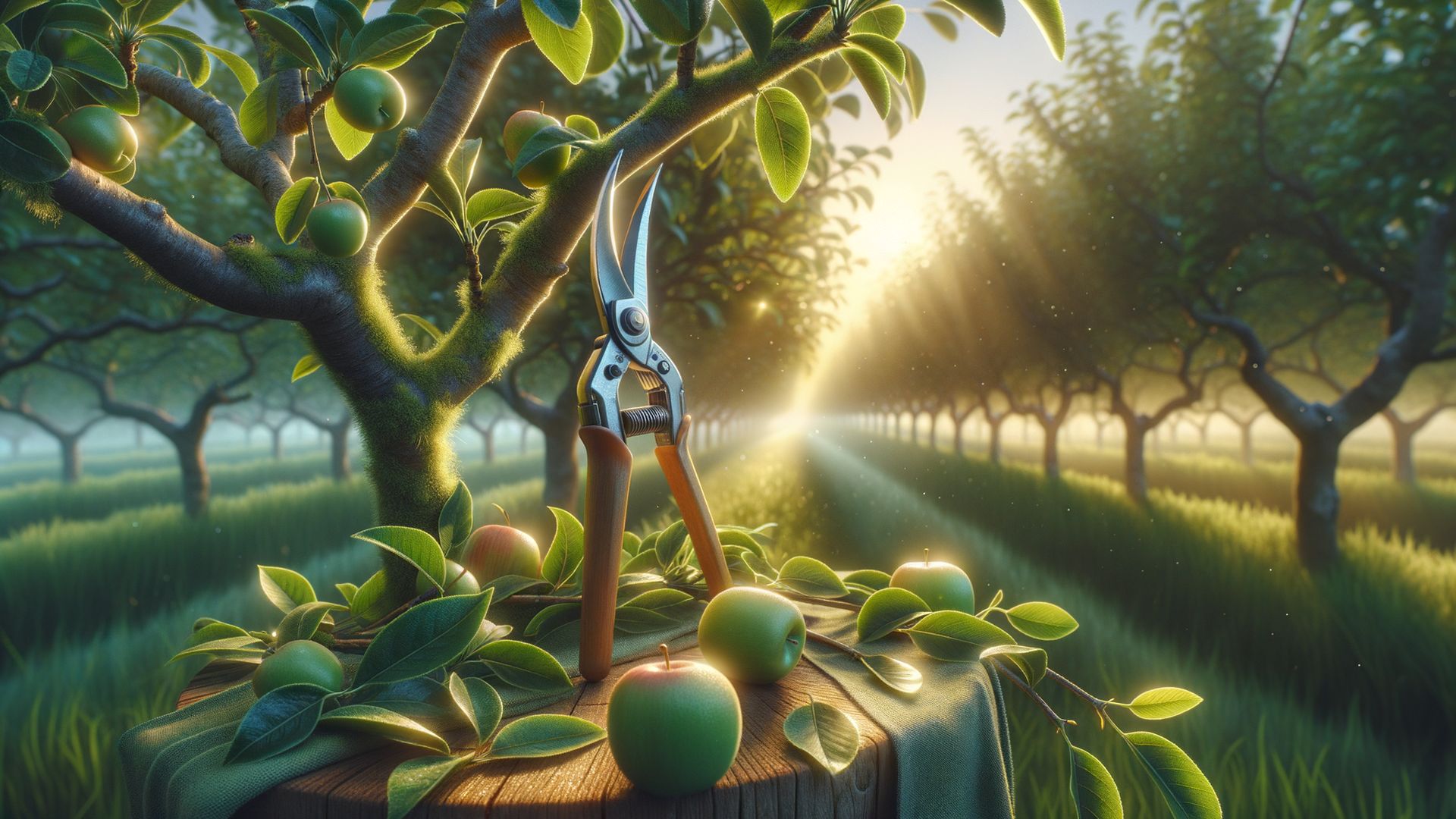
Once upon a time, tucked away in the heart of a fertile valley, there stood a venerable old orchard that had seen generations pass. The trees were flanked by the whispers of the wind, and their branches embraced the sky in a labyrinthine dance. I remember visiting this orchard as a child with my grandfather, who would impart his wisdom about the sacred art of pruning. "Each snip is a promise of vitality and bounty," he'd say, ensuring that every cut was both purposeful and kind. As we ambled beneath the ancient boughs, he explained how pruning was more art than science, a practice that speaks a universal language of growth and renewal.
Understanding Pruning Basics
Before delving into when to prune your fruit trees, it's essential to grasp the why. Pruning is a fundamental horticultural practice that helps:
- Enhance air circulation, reducing the risk of diseases.
- Increase sun exposure, which subsequently boosts fruit production and fruit quality.
- Control the size and shape of the trees, making them easier to manage.
- Remove dead or diseased wood, which can inhibit the tree's overall health.
- Encourage the growth of strong, productive branches.
Now comes the crux: the optimal timing for pruning. Understanding your trees' specific needs means offering them the care they deserve, just like my grandfather taught me with each careful cut.
When to Prune Fruit Trees
Winter Pruning: The Dormant Phase
The most common time to prune most fruit trees is during the dormant season, which typically stretches from late winter to early spring, before buds break into bloom. The trees are asleep, and the absence of foliage allows you to see the tree’s structure clearly, making it easier to identify which branches to remove. This phase focuses on:
- Apple and pear trees benefit the most from winter pruning.
- It stimulates vigorous growth when the growing season starts, improving the tree's vigor.
- Prune on a mild, dry day to prevent infection and ensure clean cuts.
Summer Pruning: Controlling Growth
Occasionally, summer pruning, performed in the late summer, becomes necessary to control excessive growth and improve fruit exposure to sunlight. This is especially true for:
- Stone fruit trees like cherries and plums, which are susceptible to fungal infections if pruned in the wet season.
- It focuses on maintaining the tree shape and sizes during their growing season.
- It helps prevent overcrowding and increases fruit quality.
Specific Timing for Other Trees
- Figs and Mulberries: Prune in late winter or very early spring.
- Citrus Trees: Preferably after the danger of frost has passed and once fruit is harvested.
- Grapes: Late winter to early spring, when the vine is dormant but before sap flows.
Step-by-Step Pruning Guide
Preparing to Prune
- Gather Your Tools: Ensure you have sharp and clean pruning shears, loppers, or saws.
- Sanitize Your Tools: To prevent disease spread, clean your tools between trees.
Pruning Steps
- Remove the 3 D's (Dead, Diseased, and Damaged branches): This is always the first step in your pruning journey.
- Identify the Central Leader: For most trees, this should be your primary structure.
- Thin out Crowded Areas: Improve ventilation by removing branches that cross or rub against each other.
- Cut Back to the Outward-Facing Bud: Encourage new growth to spread outward.
- Shape the Tree: Aim for a balanced structure; this typically means an open-center shape for stone fruits and a pyramid for pome fruits.
- Consider Shoot and Water Sprouts: Remove vigorous shoots and sprouts that compete with your efforts to shape the tree.
Common Mistakes to Avoid
- Over-pruning: Removing too much can stress the tree and reduce fruit yield.
- Improper Timing: Pruning at the wrong time can lead to infections or unwanted growth.
- Ignoring Young Trees: Neglecting early years of training can lead to structural problems.
- Leaving Stubs: Make clean cuts without leaving stubs that can harbor pests.
Frequently Asked Questions
-
Can I prune fruit trees in the fall?
- Generally, it's not recommended as it stimulates new growth that can be damaged by winter frost.
-
How often should I prune my fruit trees?
- Annually, particularly when the tree is young to establish the desired shape and structure.
-
Is it bad to prune when it's wet?
- Yes, wet conditions can lead to disease spread.
-
What is the best tool for pruning?
- Sharp bypass pruners are versatile and efficient for smaller branches.
-
Do all trees require the same type of pruning?
- No, each species has specific needs, particularly regarding timing and techniques.
-
What if I make a mistake while pruning?
- Trees are resilient. Minor errors can be corrected in the next cycle.
-
Why is my tree not producing fruit after pruning?
- This could be due to over-pruning or incorrect timing.
-
Should I remove suckers and waterspouts?
- Yes, they compete for resources and are usually non-productive.
-
Can I prune with a chainsaw?
- Only for large, mature cuts on older trees; otherwise, use more precise tools.
-
How do I sanitize my tools?
- Wipe with a solution of bleach and water to kill pathogens.
Discussion (0)
No comments yet. Be the first to start the conversation!
Leave a Reply