
Unlock the Secrets: Why Your Tomato Plants Have Those Mysterious Leaf Spots!
Gardening is a passion for some and a therapy for others. The act of planting, nurturing, and watching your plants grow gives a profound sense of fulfillment. But, just when your tomato plants start to flourish, you notice those unsettling leaf spots, as though a tiny artist has splashed them with a paintbrush. If you’ve ever gazed at these mysterious marks in bewilderment, you’re not alone. Let’s unravel this conundrum together, diving into the potential causes, and solutions, with storytelling flair and an engaging twist.
The Tale of Timmy the Tomato Gardener
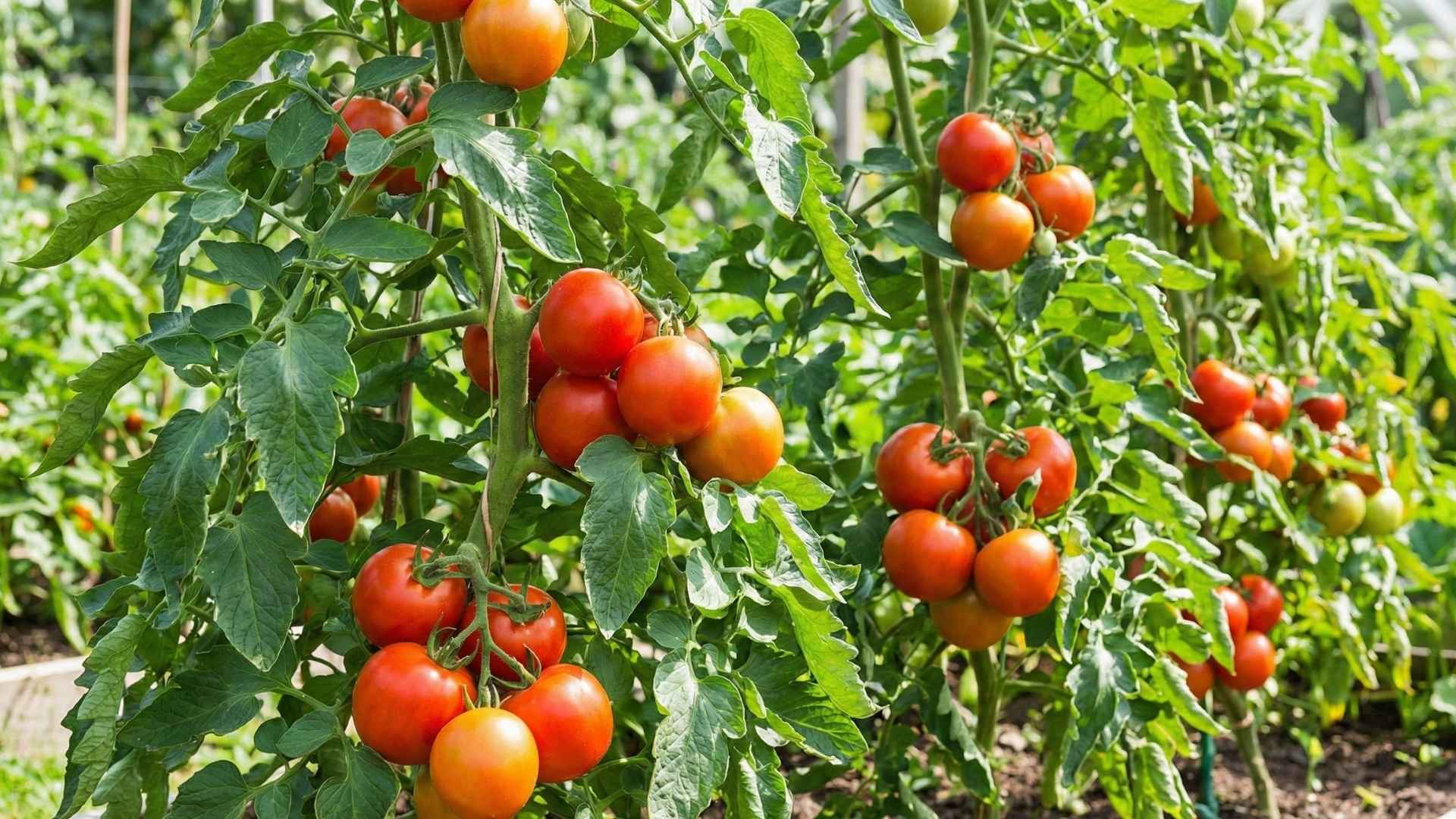
Once upon a time, in the quaint town of Greendale, there lived a gardener named Timmy who had the greenest of thumbs. Every spring, his garden blossomed with colorful blooms and lush greenery. His pride and joy, however, were his tomato plants that stood tall in the corner of his garden, catching the sun’s golden rays. But one fateful morning, as Timmy strolled around with his steaming cup of coffee, he noticed the unsightly leaf spots blemishing his vibrant tomato plants.
Bewildered, Timmy pondered, “What could be stealing the beauty from my beloved plants?” He set off on a quest for answers, seeking advice from fellow gardeners, books, and the eclectic world of the internet. Soon, Timmy discovered that these spots were not as mysterious as they first appeared. They were messages from the plants, each spot with a story to tell.
Understanding the Culprits: Fungal Foes and Bacterial Bandits
As Timmy delved deeper, he realized that his tomato plants were potentially battling an unseen enemy. He identified several perpetrators, each leaving tell-tale signs on the leaves.
Septoria Leaf Spot: The Silent Invader
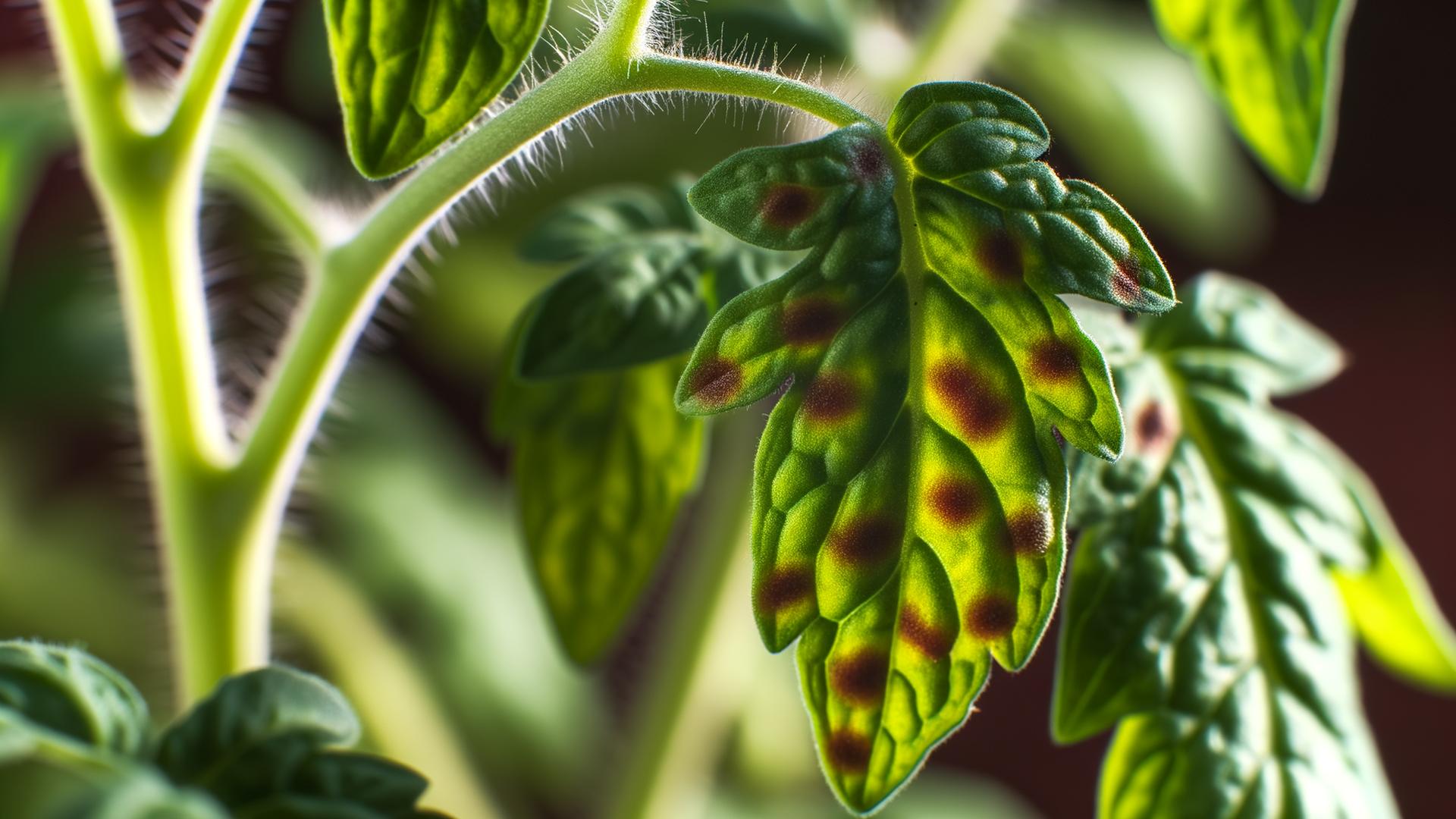
Septoria leaf spot, infamous amongst gardeners, is a fungal disease that thrives in warm, damp environments. It begins its assault as small, dark watery spots on older leaves, gradually developing into circular marks with gray centers and darker edges. Armed with this knowledge, Timmy decided that it was time to take action before the disease could spread.
Early Blight: The Classic Offender
Early blight, caused by the fungus Alternaria solani, was another possible invader. This notorious disease often manifests as bullseye-patterned spots with a concentric ring-like structure. Timmy learned that early blight tends to affect older leaves first; if left unchecked, it can lead plants on a withering path to destruction.
Late Blight: The Cunning Deceiver
Late blight, caused by the pathogen Phytophthora infestans, also loomed as a shadowy possibility. Unlike its predecessor, late blight doesn't restrict its affection to leaf spots; it spreads ambition across stems and fruits, causing havoc in its wake. Its waterlogged appearance can be mistaken for other issues, which makes it a truly cunning deceiver.
Bacterial Spot: The Unseen Assassin
Yet another suspect crept into Timmy’s consideration - bacterial spot disease. This villain is not a fungus but a bacterial infection that thrives in warm, moist environments, spreading via water splash. The spots it crafts are small, greasy, and tan, often mistaken for their fungal cousins. Guided by this knowledge, Timmy realized the importance of correctly identifying the cause to deploy the proper countermeasure.
Enlisting Natural Allies: Practical Solutions
Armed with a diagnosis checklist, Timmy sprang into action, gathering resources and allies that Mother Nature provides.
Proper Spacing and Pruning
The wisdom among seasoned gardeners enthused Timmy about the importance of air circulation. “Tomato plants need to breathe,” they said. Overly dense foliage creates a moist paradise for fungi and bacteria. With this in mind, Timmy pruned his plants, ensuring adequate spacing and removing the bottom leaves to prevent splash-up of soil that often harbors pathogens.
Mulching and Watering Techniques
Timmy learned the art of mulching to conserve soil moisture and deter unwanted splash. Applying a generous layer of organic or synthetic mulch under tomato plants served as a protective barrier. Moreover, his watering techniques shifted, focusing on ground-level irrigation to keep leaves dry.
Organic Sprays and Home Remedies
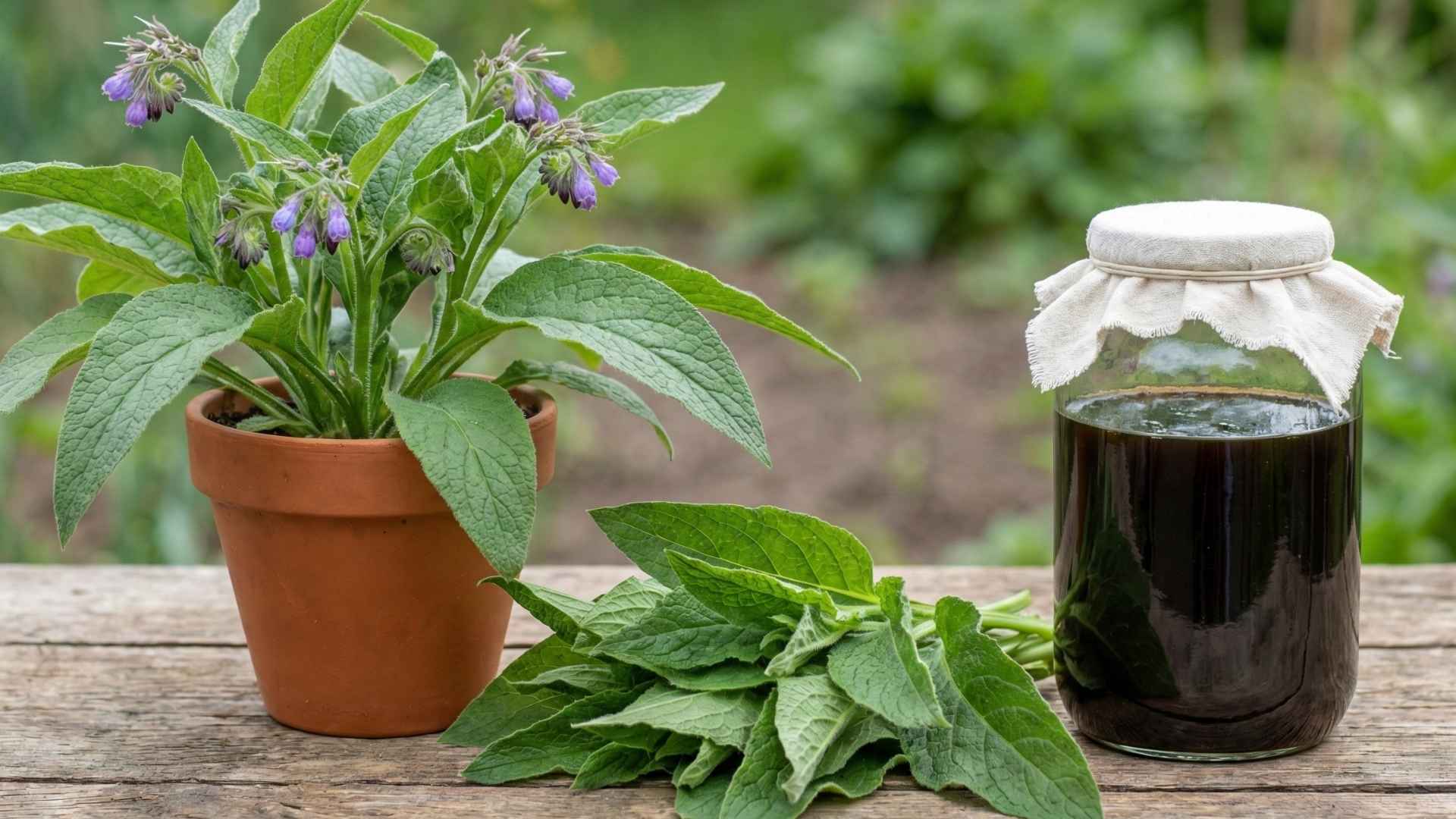
In his steadfast approach to eco-friendly gardening, Timmy explored organic sprays. Baking soda solutions, neem oil, and compost tea became his allies. These concoctions were sprayed diligently, warding off prospects of further fungal growth and suffocating bacterial miscreants.
Crop Rotation and Resistant Varieties
A wise gardener once whispered, “Prevention is the best cure,” and Timmy took it to heart. Instead of depending solely on after-the-fact remedies, he planned for the future by rotating crops and selecting resistant tomato varieties, fortifying his garden against future blight.
Embracing the Science: Innovative Practices
As Timmy continued his quest for knowledge, he stumbled upon some astounding scientific advancements that could revolutionize his gardening experience.
Beneficial Microbes and Biocontrol Agents
Harnessing nature’s undercurrents, Timmy discovered beneficial microbes as microscopic guardians ready to annihilate pathogens. Trichoderma, Bacillus subtilis, and others promised a natural way to control fungal outbreaks, a science-backed shield for his tomatoes.
Monitoring Devices and Tech Aids
In an age of technology, Timmy explored innovations such as soil moisture probes and weather apps that kept him informed about environmental conditions favoring disease. He embraced digital gardening as a tool to anticipate and counter potential challenges.
The Gardener’s Reflection: Wisdom from the Journey
As the season transitioned, Timmy’s tomato plants began to bear juicy, healthy fruit, having overcome their earlier battle. He reflected on his journey and noted that much like life, gardening teaches patience and persistence. Each spot, leaf, and drooping stem became a mentor, guiding him to become a more observant and resourceful gardener.
Timmy's tale inspired countless other gardeners in Greendale, transforming how they viewed their plant’s health - as not just a trial but an intriguing conversation with nature.
FAQs: Demystifying Tomato Leaf Spots
-
What causes leaf spots on tomato plants? Leaf spots can be caused by fungal diseases like Septoria leaf spot, early and late blight, or bacterial infections such as bacterial spot.
-
How can I prevent leaf spots on my tomato plants? Ensure proper spacing, practice crop rotation, select resistant varieties, and use organic fungicides and bactericides effectively.
-
Can leaf spots affect the fruit of tomato plants? Yes, diseases like late blight can affect not just leaves but also stems and fruits, rendering tomatoes unfit for consumption.
-
Are there any natural remedies for treating leaf spots? Yes, solutions like neem oil, baking soda sprays, and compost tea can help mitigate leaf spot diseases.
-
Should I remove the spotted leaves from my tomato plants? Removing heavily infected leaves can help prevent the spread of the disease to healthy parts of the plant.
-
How does mulching help with leaf spot issues? Mulching prevents water splash-up which is a common way for soil-borne diseases to reach leaves.
-
Is it necessary to use chemical fungicides on my tomato plants? While chemical fungicides can be effective, they should be used judiciously and as a last resort, preferring organic and natural methods instead.
-
What are some resistant tomato varieties I can plant? Varieties like Mountain Magic, Jasper, and Legend are known for their disease resistance qualities.
-
How do weather conditions affect leaf spot diseases? Warm and humid conditions promote the growth and spread of fungal and bacterial diseases.
-
Can tech tools really help me prevent tomato plant diseases? Yes, tools like moisture sensors and weather forecasting apps can help you monitor and manage conditions that lead to leaf spots.
Discussion (0)
No comments yet. Be the first to start the conversation!
Leave a Reply