A Blooming Journey: My Tale with Hibiscus Rosa-Sinensis
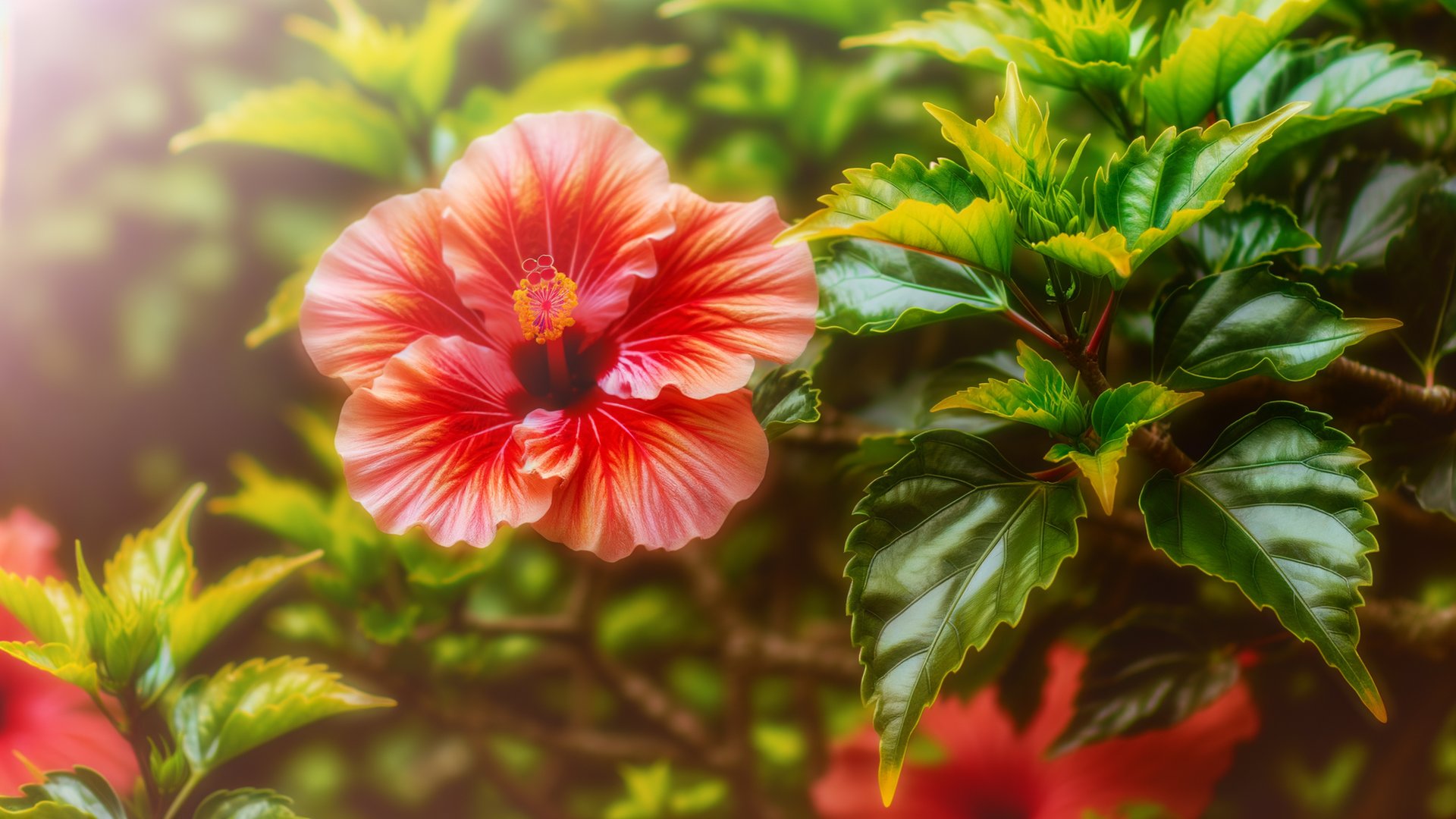
I remember the first time I encountered the Hibiscus rosa-sinensis. It was a crisp sunny morning in March, and I was visiting my grandmother's house. As I stepped into her lush garden, the vibrant scarlet blooms of the hibiscus caught my eye. My grandmother, a passionate gardener herself, noticed my fascination and shared her admiration for this mesmerizing plant. Each blossom, she explained, was a work of art painted by nature. That day, my journey of growing and loving hibiscus began, inspired by her wisdom.
Years later, every hibiscus bloom in my garden is a sweet reminder of those cherished moments with my grandmother. The timeless beauty of the Hibiscus rosa-sinensis never fails to captivate me, and I am excited to share this passion, along with its care secrets and fascinating facts, with you.
Understanding Hibiscus Rosa-Sinensis
Origins and Background
Native to the warm, tropical climates of Asia, the Hibiscus rosa-sinensis, also known as the Chinese Hibiscus, has a rich history deeply rooted in various cultures. Revered for its large, vibrant flowers, the plant holds symbolic meanings ranging from delicate beauty to courage and love.
Botanical Characteristics
The Hibiscus rosa-sinensis belongs to the Malvaceae family. Its captivating flowers, available in shades of red, pink, orange, yellow, and even bi-color, usually have a prominent central stamen. These plants can grow in hardiness zones 9 to 11, reaching heights of 4 to 10 feet with a spread of 3 to 6 feet when matured.
Essential Care Tips for Hibiscus
Sunlight and Placement
Full Sun Exposure: Hibiscus thrives in full sun. Ensure your plant receives at least 6 to 8 hours of direct sunlight daily to encourage prolific blooming. If you notice your plant isn’t flowering, it might be yearning for more light.
Indoor Safety Zone: If you reside in colder climates, consider potting your hibiscus. This allows you to move it indoors during freezing temperatures, ensuring it survives the winter months unscathed.
Water and Soil
Consistent Moisture Levels: Hibiscus plants favor evenly moist soil. Water the plant thoroughly, allowing excess water to drain, and refrain from letting it sit in standing water to prevent root rot.
Ideal Soil Type: For optimal growth, use well-draining potting soil rich in organic matter. A slightly acidic pH of 6.0 to 6.5 enhances nutrient availability.
Fertilizing the Plant
Balanced Nutrition: Hibiscus is a heavy feeder. Use a balanced, slow-release fertilizer with equal parts nitrogen, phosphorous, and potassium to support its demanding growth cycle. Fertilize every 4 to 6 weeks during the growing season.
Micronutrients Boost: Occasionally, supplement your hibiscus with iron and magnesium to prevent nutrient deficiencies that cause yellowing leaves.
Pruning and Maintenance
Strategic Pruning: Pruning is crucial for shaping, renewing, and encouraging bushy growth. Perform light pruning after blooming ends in fall, and more thorough pruning in early spring before the growth season begins.
Inspect Regularly: Vigilantly inspect for pests such as aphids, spider mites, and whiteflies. Commercial insecticidal soaps or neem oil can effectively manage infestations.
Propagation Techniques
Stem Cuttings
One of the simplest and most reliable ways to propagate Hibiscus rosa-sinensis is through stem cuttings. Choose healthy, semi-hardwood cuttings of about 4 to 6 inches in length.
Steps for Success:
- Preparation: Remove all but the top leaves and dip the cut end in rooting hormone.
- Potting: Plant the cutting in a pot with a mixture of peat moss and perlite.
- Moisture: Maintain humidity by covering the pot with a plastic bag.
- Roots Development: Keep the cutting in indirect light until roots form, usually within 6 to 8 weeks.
Grafting
Grafting is ideal for combining desirable traits from different hibiscus varieties. This advanced method might require practice and a steady hand but greatly rewards with diverse blooms.
Fascinating Facts about Hibiscus
Cultural Significance
Hibiscus flowers are revered for their beauty and utility. In Hawaii, they are the state flower and symbolize delicate, fragile beauty. Meanwhile, in China, they represent fame, wealth, and glory.
Medicinal Uses
In traditional medicine, hibiscus has played a crucial role. It is commonly used in teas to manage blood pressure, relieve constipation, and boost heart health due to its antioxidant properties.
Hibiscus Tea
The tangy, cranberry-like flavor of hibiscus tea, also called Agua de Jamaica, is both refreshing and healthful. It is caffeine-free and packed with vitamin C and anthocyanins.
FAQs About Hibiscus Rosa-Sinensis
Can I grow hibiscus indoors?
Yes, hibiscus can be grown indoors in containers, provided they receive ample sunlight or supplemental grow lights.
Why are my hibiscus leaves turning yellow?
Yellowing leaves may be a sign of overwatering, nutrient deficiency, or pest infestation. Adjust your watering schedule and check for insects.
What is the best temperature for hibiscus?
Hibiscus thrives in temperatures between 60°F to 90°F. Protect them from frost, which they cannot withstand.
How often should I water hibiscus?
Water your hibiscus when the topsoil feels dry. In hotter months, it may require daily watering.
Can hibiscus plants survive winter?
Hibiscus cannot survive extended freezing temperatures. If grown in pots, bring them indoors during winter or cover with a thick layer of mulch.
Is hibiscus toxic to pets?
While generally safe, some varieties can cause mild stomach upset in pets if ingested. Consult a vet for pet-specific advice.
How do I revive a dying hibiscus?
Check for overwatering, pests, or nutrient deficiencies. Trim away dead parts and ensure adequate sunlight and fertilization.
How long do hibiscus flowers last?
Each hibiscus flower typically lasts 1 to 2 days, but the plant continuously produces blooms throughout the growing season.
Can I use tap water for my hibiscus?
Hibiscus is sensitive to alkaline water. If your tap water is too hard, consider using rainwater or distilled water.
What are common hibiscus pests?
Aphids, mealybugs, and spider mites are common pests. Regularly inspecting and treating affected areas helps in managing infestations.
Discussion (0)
No comments yet. Be the first to start the conversation!
Leave a Reply