
Uncover the Shocking Truth Behind White and Yellow Patches on Your Tomatoes
Imagine stepping into your garden, eagerly anticipating the harvest of your perfectly ripened tomatoes, only to find puzzling white and yellow patches marring their skin. This sight can throw any gardener into a whirlwind of confusion and concern. What causes these blemishes? Are your dream tomatoes doomed, or is there a way to salvage them and address the root of the problem? Let us embark on a journey to uncover the tantalizing mysteries behind these unwelcome tomato visitors and find solutions to ensure your tomato plants thrive.
The Tale of the Tomato: A Brief Introduction
Tomatoes, those luscious red jewels, have found an eternal place in our culinary realm, from luscious sauces to refreshing salads. But when white or yellow patches appear, it signals an issue that requires immediate attention. To tackle this, it's essential to understand the possible causes so that you can take appropriate steps to prevent and treat it. Let's dive deeper.
White Patches on Tomatoes: An Uninvited Guest
White patches on tomatoes can be disconcerting. Here, we explore some possible causes and solutions:
Sunscald: A Burn Under the Sun
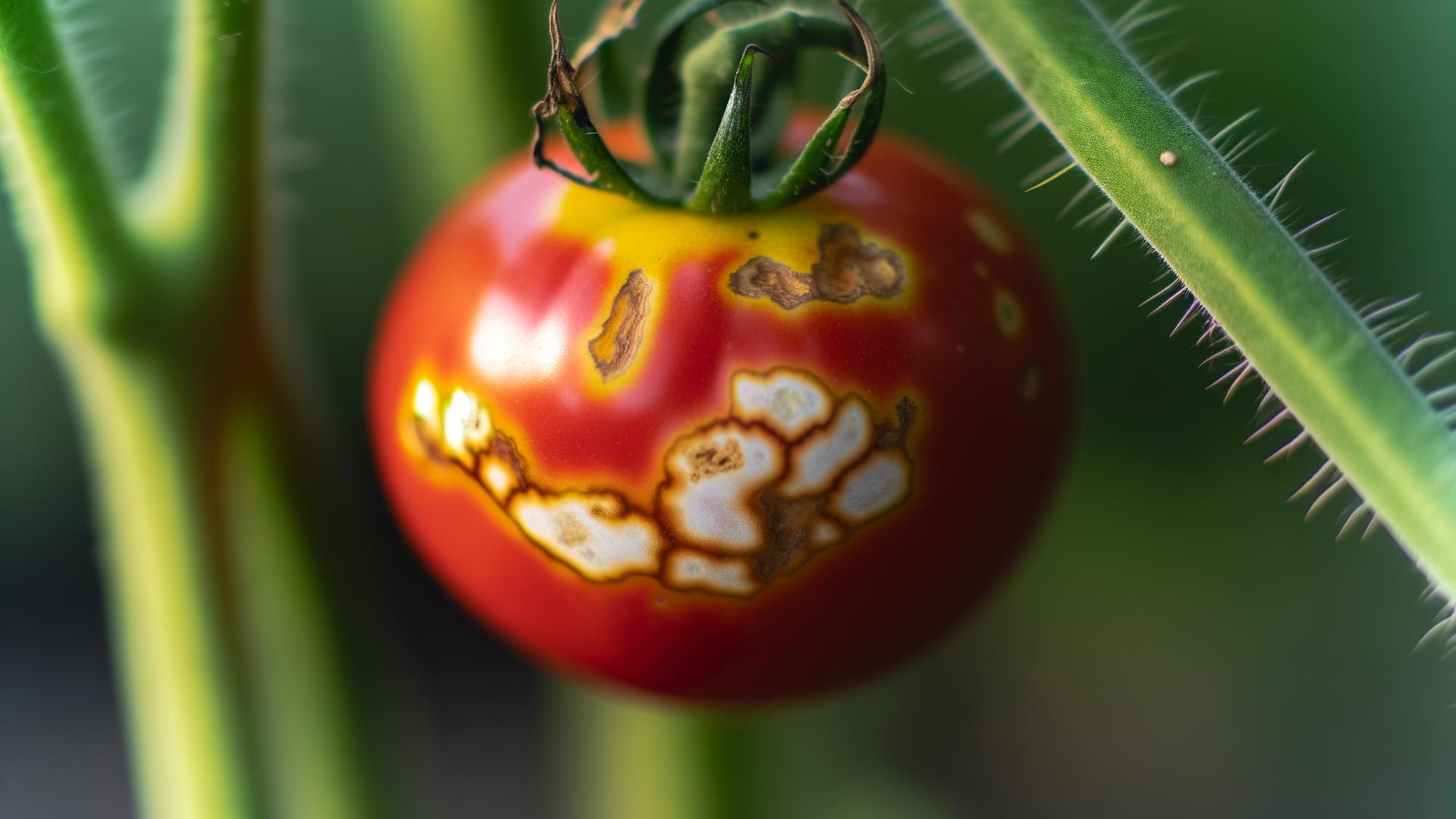
The culprit is often excessive direct sunlight, leading to sunscald. This condition results in white, blistered patches on the tomato's surface, making them look bleached and sometimes leathery. It occurs when plants that are not accustomed to intense sunlight are suddenly exposed to it.
Solution: Introduce shade structures or cloth to diffuse intense sunlight, especially during peak hours. Gradually acclimate tomato plants to increased sunlight exposure, a process known as "hardening off," to prevent sudden sun exposure, reducing the risk of sunscald.
Powdery Mildew: The Sly Spore
Powdery mildew is a fungal disease that adorns your tomatoes with white patches. These patches can blanket the entire leaf surface and fruit, hindering growth.
Solution: Improve air circulation by spacing plants properly and pruning excess foliage. Consider using organic fungicides or neem oil as preventive measures. Ensuring that your plants are well-nourished can also boost their disease resistance.
Edema: The Swelling Story
Sometimes, white patches on tomato fruits can be an indicator of edema, a physiological disorder caused by irregular water absorption. Excess water causes cells to burst, leading to the formation of white patches.
Solution: Maintain consistent watering schedules to avoid sudden influxes of water. Ample drainage and an appropriate soil mix can also prevent these water-related issues.
Yellow Patches on Tomatoes: The Color of Concern
Yellow patches could stem from different reasons than their white counterparts. Let's explore them further:
Nutrient Deficiency: A Hunger Unfulfilled
When tomato plants suffer from a lack of essential nutrients, especially nitrogen or potassium, yellow patches can appear on the leaves before migrating to the fruits.
Solution: Regular soil tests can help identify deficiencies early on. Amend the soil with balanced fertilizers or organic compost to ensure your tomatoes receive the nutrients they need.
Viral Infections: A Microscopic Menace
Tomato plants are susceptible to several viral infections such as the tomato yellow leaf curl virus, which can lead to yellow patches on the fruit.
Solution: Remove and dispose of infected plants immediately to prevent spread. Employ crop rotation and mulching as preventive strategies for future seasons. Regular health checks for pest vectors such as whiteflies can help nip the problem in the bud.
Insect Infestation: The Pest Problem
Certain insect infestations, particularly from aphids or whiteflies, can lead to yellow stippling or patches on leaves and fruits as they suck the plant's vital sap.
Solution: Use insecticidal soaps, natural predators like ladybugs, or introduce beneficial companions like marigolds to combat and control pest populations.
Safeguarding Your Tomatoes: Preventive Measures
Preventing issues before they arise is always the better strategy. Here are some preventive measures that will help keep your tomato plants healthy and your fruits free from unwelcome spots:
Regular Inspections
Diligently monitor your plants for any early signs of distress or infestations. Regular inspections can allow for swift action and remediation.
Implement Companion Planting
Companion planting, such as adding basil or marigold near tomatoes, can repel pests and reduce the risks of disease. These plants contribute not only to plant health but also enhance flavor, adding a synergistic touch to your garden.
Rotation and Respite
Avoid planting tomatoes in the same soil consecutively to reduce soil-borne diseases. Plan your garden layout to rotate crops year to year, allowing the soil to recover and break pest cycles.
Hydration Harmony
Monitor and adjust your watering habits according to weather conditions. A deep, less frequent watering routine is more effective than shallow daily watering. Consistent moisture is key, avoiding both drought and flooding scenarios.
Soil Enrichment
A rich, well-drained loamy soil with ample organic matter ensures robust plant health. Be diligent about soil amendments and conditioning before planting, giving your tomatoes the perfect foundation to thrive.
Empower Your Tomatoes: Gardening Best Practices
Adopting certain best practices can empower your tomatoes and bolster their chances against developing white or yellow patches.
Pruning and Trellising
Prune unnecessary suckers that consume plant energy but do not bear fruit. Trellis your plants for better air circulation and sun exposure, reducing the probability of diseases.
Mulching
Apply organic mulch around the base of tomato plants. This helps in retaining soil moisture, keeping weeds at bay, and regulating soil temperature.
Controlling Plant Density
Overcrowding fosters poor airflow and a higher risk of disease. Ensure ample space between plants to facilitate air movement and light penetration.
Monitoring Fertilization
Over-fertilizing tomatoes, especially with nitrogen, can lead to lush foliage but stunt fruit growth. Be methodical with fertilizer applications and maintain a balanced nutrient regimen.
Predatory Allies
Encourage beneficial predatory insects in your garden, such as ladybugs and spiders. These natural allies help maintain a balance, keeping harmful pests in check.
Conclusion: Unleashing the Tomato's True Potential
Solving the mystery of white and yellow patches on your tomatoes is attainable with a little detective work. By understanding the causes, implementing preventive measures, and paying attention to best gardening practices, you can keep your tomato plants healthy and bountiful. Adapting to these practices ensures a harvest that is as joyful as it is plentiful. Here's to a garden brimming with vibrant tomatoes, free from blemishes and full of flavor!
Frequently Asked Questions
1. Can white or yellow patches on tomatoes make them unsafe to eat?
White or yellow patches due to sunscald or nutrient deficiencies do not inherently make tomatoes unsafe to eat. However, ensure there is no underlying disease before consumption.
2. How do I differentiate between sunscald and fungal infections on my tomatoes?
Sunscald usually results in smooth, bleached patches, often in sections exposed to intense sunlight. Fungal infections may have a powdery, raised appearance and could appear on shaded sections as well.
3. How effective is baking soda in treating powdery mildew?
Baking soda can be used as a natural remedy by creating a mixture with water and applying it to affected areas, though results may vary based on severity and application frequency.
4. What is the best way to test my soil for nutrient deficiencies?
You can purchase a home soil test kit or contact local agricultural extensions for detailed soil analysis to understand nutrient deficiencies and pH imbalances.
5. Can overwatering lead to white patches on tomatoes?
Yes, overwatering especially in conditions that cause edema can result in white patches due to cellular bursting.
6. How can I switch to organic pest control methods effectively?
Integrate pest deterrent plants, encourage natural predators, and consider neem oil or insecticidal soap sprays as organic pest control methods.
7. Are certain tomato varieties more resistant to patch problems?
Heirloom tomatoes and specially bred resistant hybrids can be more resilient to certain environmental stresses and diseases but should be chosen based on regional adaptability.
8. Can poor air circulation contribute to fungal problems?
Definitely. Poor circulation fosters humid conditions conducive to fungal growth. Pruning and proper spacing can improve airflow significantly.
9. Why does trellising help in preventing patches on tomatoes?
Trellising lifts plants off the ground, allows better sunlight distribution, and improves airflow, which curtails moisture accumulation and pathogen spread.
10. When is the optimal time to plant tomatoes to avoid patch issues?
Depending on your climate, planting after the last frost date and gradually exposing seedlings to outdoor conditions minimizes stress and reduces patching issues.
Discussion (0)
No comments yet. Be the first to start the conversation!
Leave a Reply