Uncover the Shocking Secret Behind the Dark Bull's Eye on Your Tomatoes!
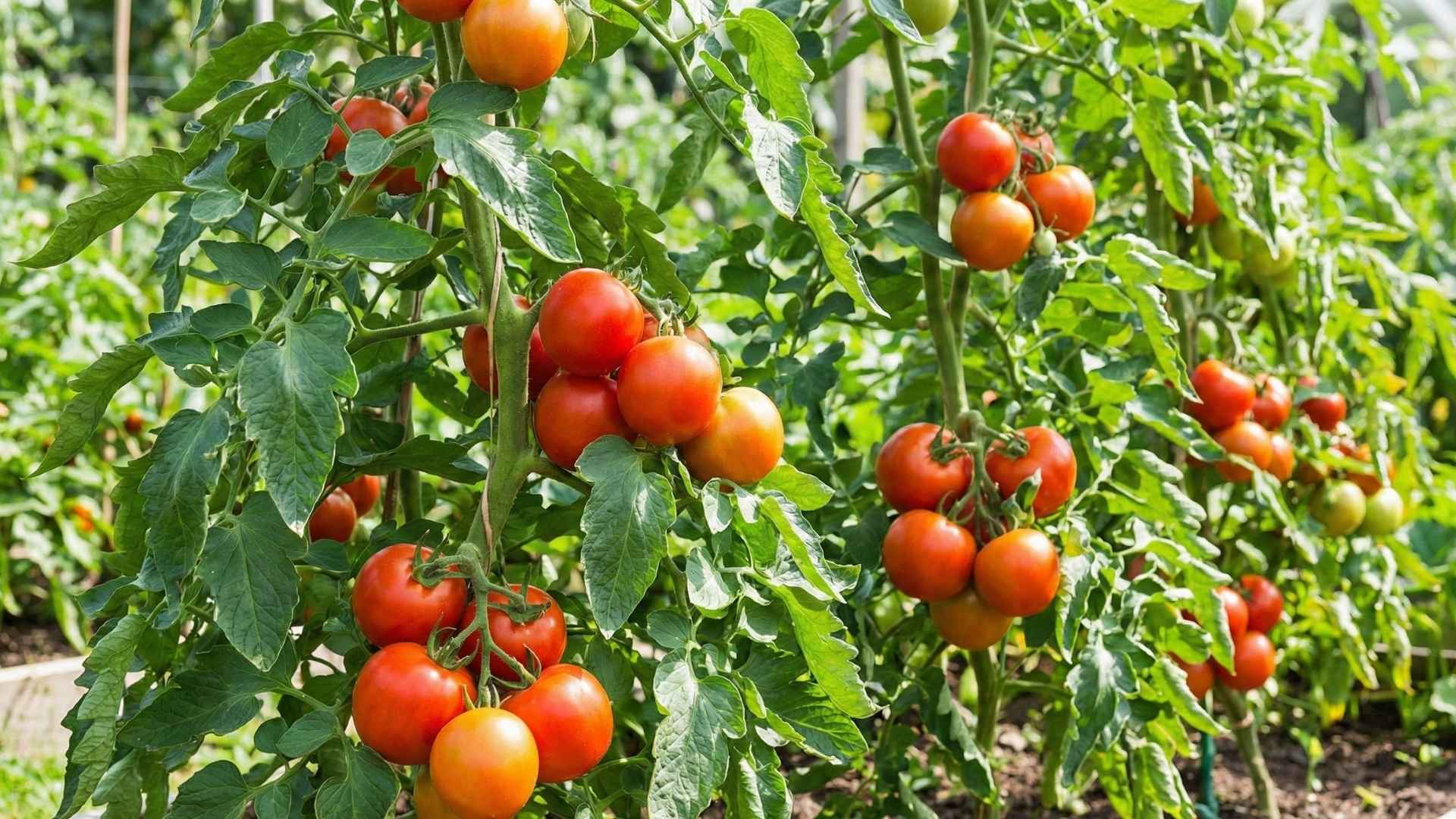
Once upon a time in the quiet town of Greenfield, every summer morning was accompanied by birds chirping and the scent of fresh tomatoes wafting through the air. These tomatoes, plump and ripe, were the pride of every gardener until an unexpected menace made its way into their cherished gardens. Dark bull's eye marks started appearing on those luscious red orbs, leaving gardeners puzzled and perturbed. Even the most seasoned growers were taken aback, their knowledge seemingly inadequate against this elusive adversary. Little did they know, this was not the end but a new beginning to their tomato-growing chronicles.
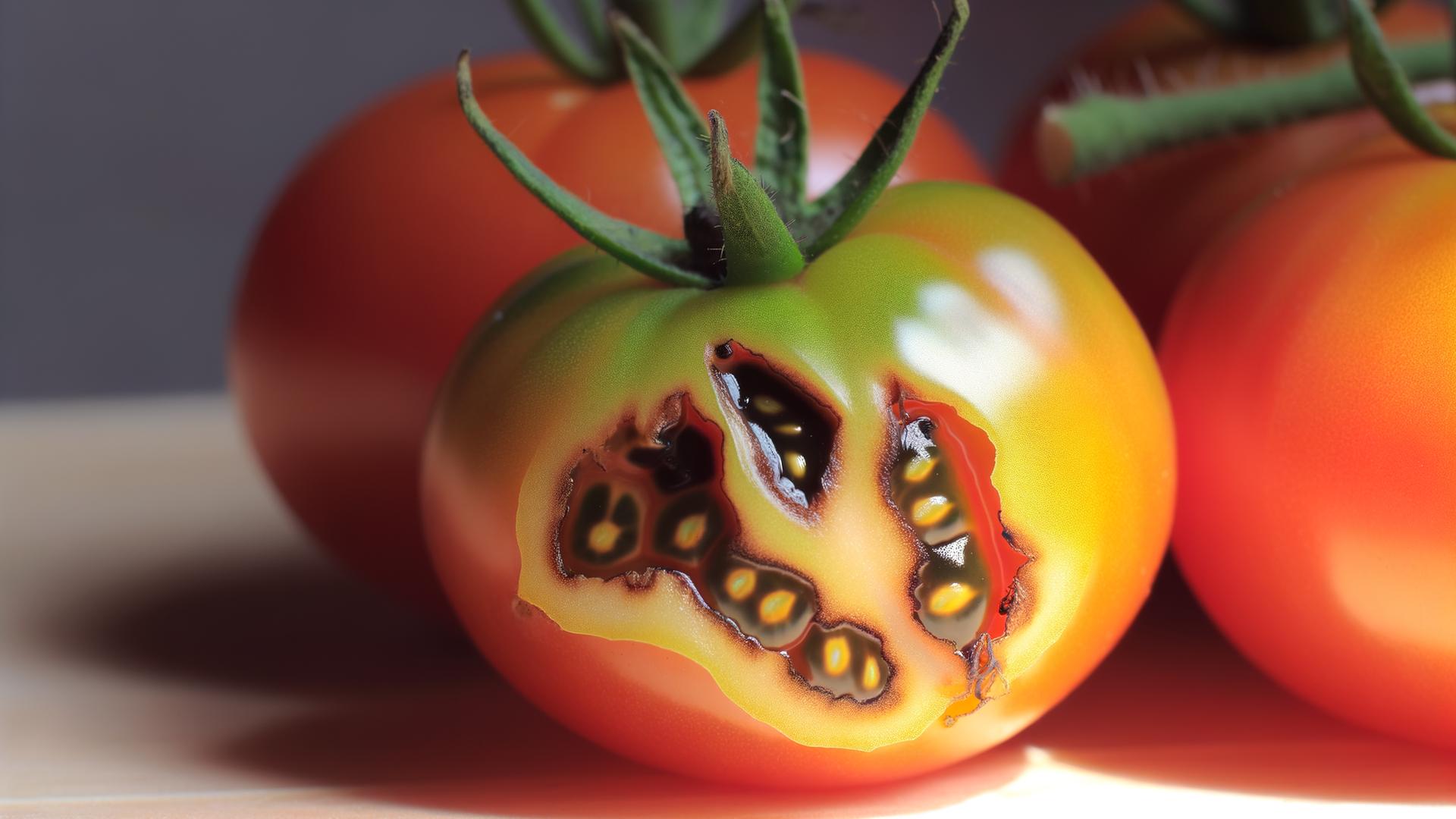
The culprit? Blossom end rot, a mysterious condition that draped those vibrant fruits with marks reminiscent of ominous bull's eyes. As the gardeners embarked on a quest to rid their crops of this blemish, they unearthed secrets deep-rooted in the art and science of gardening. Today, we delve into the intriguing tale of these dark bull's eyes and the path to salvation for your prized tomatoes.
What is Blossom End Rot?
Blossom end rot is a disconcerting condition that affects tomatoes, peppers, and other fruits. It begins as a small water-soaked patch at the blossom end of the fruit, which gradually turns brown and forms a sunken, leathery, dark bull’s eye. As the condition progresses, these unsightly spots grow larger, often leaving you to discard the damaged fruits.
The root of the problem lies beneath the surface, quite literally, as blossom end rot is caused by a calcium deficiency within the plant. This deficiency is not necessarily due to a lack of calcium in the soil; rather, it's often the result of inconsistent watering, which hampers the transport of calcium to the fruit.
The Journey of Calcium: Why Your Tomato Needs It
Picture calcium as a wise old sage, guiding your tomato plant towards maturity. It helps in building strong cell walls, akin to laying bricks for a solid structure. When calcium isn't delivered properly, those cell walls weaken, making the fruit more susceptible to blossom end rot.
In the vibrant dance of nutrients beneath the soil surface, calcium is the gentle yet firm partner that ensures harmony. While present abundantly in most soils, its journey into plants is complex. Any imbalance or disruption, like erratic watering, can break this fluid relationship, leading to deficiency despite plenty existing around the plant roots.
The Role of Water in Preventing Blossom End Rot
Water is the unseen hero in this tale. It acts as a faithful transporter, ferrying calcium from the soil to the plants. Inconsistent watering -- whether too much or too little -- disrupts this transport. Imagine a bustling river suddenly drying up or turning into a flood; both severely impact the lands they touch. Similarly, your plant’s roots suffer, and calcium’s journey gets stalled, thwarting the growth of your precious tomatoes.
Tips for Consistent Watering:
- Regular Schedule: Water your plants on a consistent schedule, ideally allowing the top 1-2 inches of soil to dry out between waterings.
- Mulching: Use mulch to maintain soil moisture, reducing evaporation and minimizing moisture fluctuations.
- Drip Irrigation: Consider drip irrigation systems for a steady and even water supply directly to the roots.
Soil Health: The Foundation for Robust Plants
Healthy soil is like a perfectly composed symphony, with calcium playing the crucial note. It’s essential to start with understanding your soil's pH and nutrient composition. Most vegetables, including tomatoes, prefer slightly acidic to neutral soil (pH 6.0 to 7.0).
How to Manage Soil for Optimal Calcium Uptake:
- Soil Testing: Conduct a soil test to determine pH and existing nutrient levels.
- Lime Addition: If your soil is too acidic, add lime to raise the pH and improve calcium availability.
- Organic Matter: Incorporate organic compost to enhance nutrient levels and soil structure.
- Gypsum: Apply gypsum specifically to increase calcium without altering soil pH.
Picking the Right Tomato Varieties for Your Garden
While nurturing our beloved tomatoes back to health, why not consider they're resilient varieties as allies? Choosing tomato varieties less prone to blossom end rot can help avert disappointment.
Varieties Less Prone to Blossom End Rot:
- Roma Tomatoes: Known for their meatier flesh, these tomatoes are less prone to rot.
- San Marzano Tomatoes: Another Roma-type variety, appreciated for their deep flavor and rot resistance.
- Cherry Tomatoes: Smaller fruits mature faster, reducing the risk of end rot.
Gardening Practices for Prevention
Delving into practical gardening, let’s explore tactics to sidestep the notorious bull's eye.
Essential Gardening Practices:
- Consistent Watering: As previously discussed, ensuring steady moisture levels is paramount.
- Balanced Fertilization: Avoid excessive nitrogen fertilizers which promote leafy growth at the expense of fruits.
- Pruning: Regular pruning increases airflow and reduces competition for nutrients.
- Companion Planting: Strategically plant companions such as basil to improve growth conditions and deter pests.
When Nature Needs a Helping Hand: Supplementing Calcium
Despite all efforts, sometimes your plants might still crave a direct calcium boost. Enter fertilizers and supplements as lifesavers.
Practical Calcium Supplements:
- Calcium sprays: Foliar sprays provide immediate calcium during crucial growth stages.
- Bone meal and Eggshells: Incorporate these into the planting hole as a natural solution.
- Liquid Lime: Useful in acute situations, this fast-acting mix reaches deficient tissues quickly.
Recognizing and Rectifying the Early Signs
A vigilant guardian’s eye ensures timely action.
Early Symptoms of Blossom End Rot:
- Watery Spots: Initial tiny patches on the fruit's bottom.
- Spot Expansion: These spots grow progressively into dark lesions.
- Cracking: In severe cases, affected areas may begin to crack.
Confrontation through Treatment: What to Do if You Spot Blossom End Rot
Upon spotting these ominous signs, fear not. With the right approach, you can salvage your beloved crop.
Immediate Action Plan:
- Remove Affected Fruits: Immediately discard damaged fruits to prevent wastage of nutrients.
- Amend Soil: Apply lime or gypsum to the soil, enriching it with essential calcium.
- Improve Watering Practices: Re-evaluate your system to ensure even moisture distribution.
Integrating Knowledge: Creating a Robust Tomato Ecosystem
As the tale of the bull’s eye unfolds, it becomes evident that success lies in understanding the intricate balance of natural elements. This balance, when nurtured, transcends the growing season and transforms gardening into a perennial art form.
Embrace each season with informed enthusiasm, sprinkling wisdom along with seeds. Allow each experience to fertilize your gardening practice, and let every bull’s eye mark narrate a story of resilience and growth.
FAQs
1. What causes blossom end rot?
Blossom end rot is caused by a calcium deficiency within the plant, often due to inconsistent watering or poor calcium transport in the plant.
2. Can blossom end rot spread from fruit to fruit?
No, blossom end rot is not contagious and will not spread from one tomato to another.
3. Is there a variety of tomato that is resistant to blossom end rot?
Yes, certain varieties like Roma and cherry tomatoes are less susceptible to blossom end rot.
4. How can I prevent blossom end rot?
Maintain consistent watering, balance soil nutrients, and supplement calcium if needed.
5. Can mulch help prevent blossom end rot?
Yes, mulch helps in retaining soil moisture, reducing fluctuations and promoting calcium uptake.
6. Should I remove affected fruits?
Yes, removing affected fruits prevents wastage and directs nutrients to healthy fruits.
7. Can eggshells help with blossom end rot?
Eggshells can provide a slow-release source of calcium when mixed into the soil.
8. Is foliar spray effective for treating blossom end rot?
Foliar sprays can provide immediate relief by supplementing calcium directly to the plant leaves and fruits.
9. Do I need to test my soil regularly?
Regular soil testing helps in understanding nutrient levels and pH, aiding in effective garden management.
10. What role does fertilization play in preventing blossom end rot?
Balanced fertilization avoids excessive nitrogen, which can exacerbate blossom end rot by promoting vegetative growth over fruit development.
Discussion (0)
No comments yet. Be the first to start the conversation!
Leave a Reply