Uncover the Secret: Why Your Tomato Leaves Have Brown Spots and How to Fix Them!
Tomatoes, those juicy gems of the garden, often find themselves plagued by a seemingly enigmatic villain: brown spots on their luscious green leaves. While these spots might seem innocuous, they are a telltale sign of deeper troubles brewing in your tomato patch. Let's embark on a journey to uncover the secrets behind these spots and explore how to rejuvenate your tomato plants to their verdant glory.
The Journey Begins: Recognizing the Problem
Picture this: a sun-dappled garden, alive with the promise of a bountiful tomato harvest. One morning, as you stroll among your plants, you're greeted by the sight of brown spots marring their leaves. Alarm bells ring—what exactly are these spots trying to tell you?
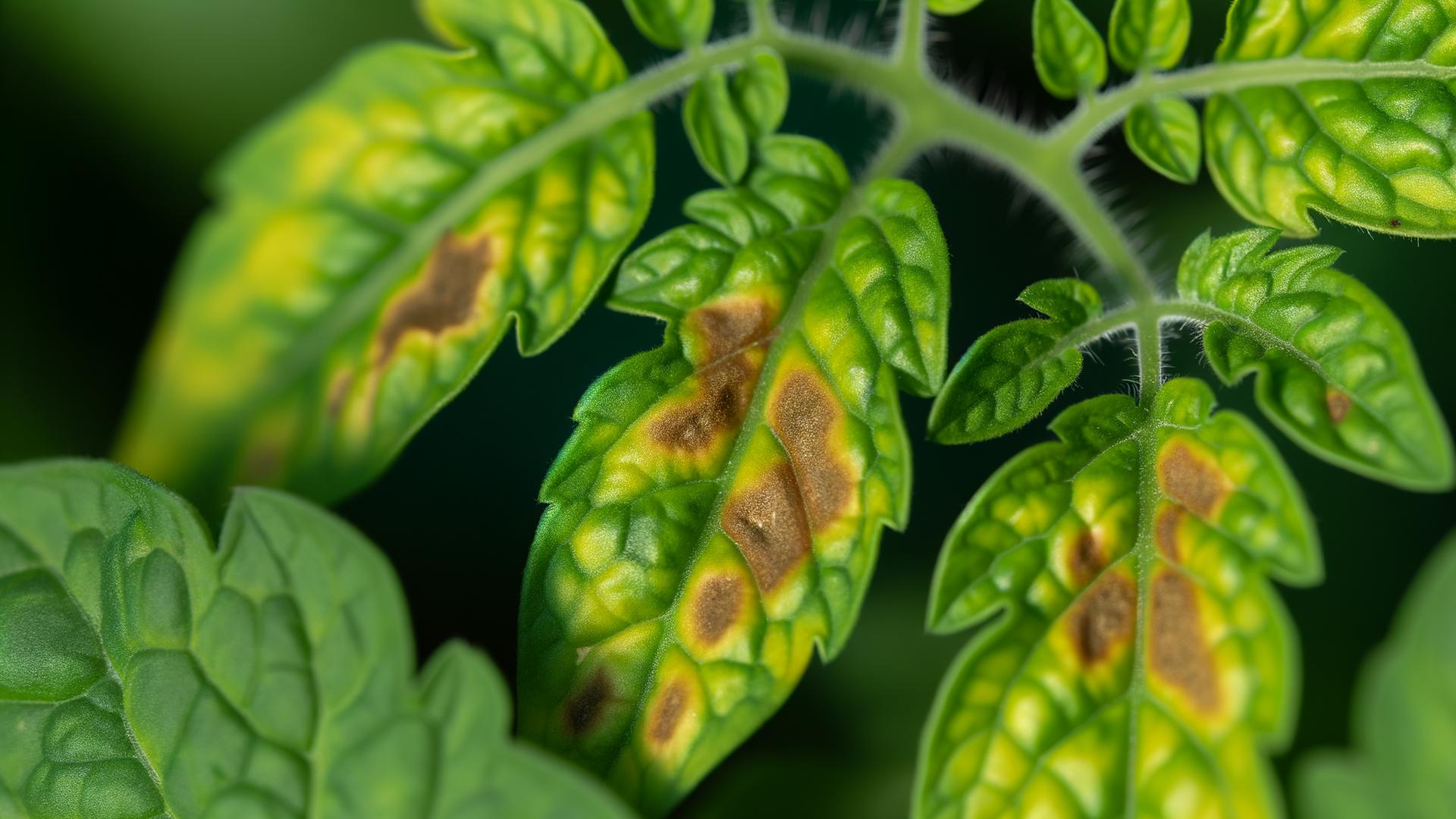
Brown spots on tomato leaves can signal a variety of issues. From fungal infections and bacterial blights to nutrient deficiencies and pest invasions, these spots are essentially a distressed call from your plants. Identifying the root cause is the first step on the path to healing.
Common Culprits Behind Brown Spots
Let's take a closer look at some of the usual suspects:
Septoria Leaf Spot
One of the most notorious fungal infections, Septoria leaf spot, manifests as small, water-soaked, circular spots with dark borders. Over time, the spots dry up, turning a desolate brown. This disease thrives in warm, damp conditions—like a sneaky villain lurking after summer rains.
Early Blight
Early blight is another fungal foe, presenting itself as dark concentric rings surrounded by yellow halos on the lower leaves. This infection not only creates brown spots but can also lead to leaf drop, exposing your tomatoes to sunscald.
Bacterial Leaf Spot
Meet another adversary: bacterial leaf spot, characterized by small, angular lesions that can turn black and crusty over time. Unlike fungal diseases, this spot is often transmitted through seeds or splashing water, making it a tricky problem for gardeners.
Nutrient Deficiencies
Brown spots aren’t always a sign of disease. Sometimes, they cry out for a nutritional boost, often due to potassium or magnesium deficiencies. Without these vital nutrients, leaves may develop spots and begin to yellow at the edges.
Pest Trouble
And then there are the garden intruders. Pests like spider mites and leaf miners can leave marks in your verdant tapestry. These critters drain the life from your plants, leaving behind clustered brown spots, akin to the aftermath of a tiny invasion.
Solutions and Strategies: Bringing Your Garden Back to Life
Now that we've lifted the veil on potential causes, let's dive into strategies for restoring your tomatoes to their former vitality.
Fungal Diseases: Septoria and Early Blight
-
Pruning and Cleanup: Keep your garden tidy! Remove affected leaves and any plant debris that can harbor fungal spores.
-
Proper Watering: Water at the base, avoiding splashes that could spread disease. Invest in soaker hoses or drip irrigation to nurture the soil, not the leaves.
-
Fungicide Application: If the disease takes a stronghold, consider organic fungicides like copper sprays. Always follow the label instructions for safe use.
-
Crop Rotation: Practice crop rotation by moving your tomatoes to different parts of your garden each season. This minimizes the recurrence of previous infections.
-
Spacing and Airflow: Ensure good plant spacing to allow air circulation, discouraging the damp conditions fungi love.
Bacterial Leaf Spot: An Armored Defense
-
Seed Selection: Start with certified disease-free seeds. This reduces the likelihood of introducing bacterial blight to your garden.
-
Copper Sprays: Just like fungal infections, copper-based treatments can help manage bacterial spots.
-
Avoid Overhead Watering: Opt for ground-level watering methods to prevent the spread of bacteria.
Nutrient Deficiencies: Feeding the Foliage
-
Soil Testing: Before jumping to conclusions, test your soil. Kits are readily available and offer deep insights into nutrient imbalances.
-
Balanced Fertilizers: Adjust your soil with balanced fertilizers. Pay special attention to potassium and magnesium levels.
-
Organic Matter: Incorporate compost into your soil to boost nutrient availability and improve plant health.
Pest Control: Fortifying Your Fort
-
Natural Predators: Introduce beneficial insects like ladybugs and lacewings to control pest populations.
-
Neem Oil Treatments: Use neem oil sprays to deter pests. This organic option won't harm the beneficial fauna in your garden.
-
Regular Inspections: Regularly check your plants for signs of pests. These diligent inspections are the best preventative measure you can take.
A Seasonal Checklist for Healthy Tomato Plants
A critical component of a flourishing tomato garden is knowing what tasks to perform and when. Here’s a seasonal checklist to guide you:
Spring: Starting Strong
- Soil preparation: testing and amending.
- Seed selection and starting indoors.
- Planting seedlings outdoors after frost.
Summer: Nurturing and Observing
- Regular watering, focusing on mornings.
- Mulching to retain soil moisture and control weeds.
- Consistent monitoring for pests and diseases.
Fall: Wrapping Up and Preparing
- Harvesting the rest of your crop.
- Removing plant debris and cleaning tools.
- Planning crop rotation and adding compost.
Winter: Planning and Reflection
- Reviewing the past season: successes and lessons learned.
- Planning new varieties and ordering seeds.
- Sharpening and oiling gardening tools.
FAQs: Common Queries from the Tomato Patch
-
Why are the spots mostly on the lower leaves?
These areas are most susceptible to fungal diseases like early blight and septoria, which spread from the soil during rainfall or watering.
-
Can tomatoes with brown-spotted leaves be eaten?
Yes, as long as the fruit itself is healthy and unaffected. The spots aren't harmful to humans.
-
Do brown spots spread to the fruit itself?
While they primarily affect foliage, neglect can lead to weak plants, affecting fruit health.
-
Are there resistant tomato varieties?
Yes, many tomato varieties have been bred for disease resistance. Check seed packets for identifiers like “VFN-resistant” (Verticillium, Fusarium, Nematodes).
-
Should I fertilize my plants if I notice brown spots?
Only if a soil test indicates a deficiency. Over-fertilization can exacerbate problems.
-
What's the best time to water tomatoes?
Early morning is ideal, reducing the likelihood of disease and promoting soil drying.
-
Can I compost leaves with brown spots?
It's best to avoid composting diseased plant material as it could spread pathogens.
-
How often should I rotate my tomato crops?
Every 3–4 years. This practice disrupts disease and pest cycles.
-
Do companion plants help prevent diseases?
Yes, companions like basil and marigolds can deter pests and improve overall plant health.
-
Is there a one-size-fits-all solution for brown spot prevention?
Unfortunately, no. An integrated approach considering prevention, monitoring, and tailored intervention yields the best results.
As our exploration comes to a close, remember that gardening is as much about adaptation and learning as it is about harvests. Discovering why your tomato leaves develop brown spots is a lesson in listening to your garden and responding with care. By understanding and acting mindfully, you can ensure a future filled with abundant, vibrant tomatoes.
Discussion (0)
No comments yet. Be the first to start the conversation!
Leave a Reply