The Bloom That Changed My Life
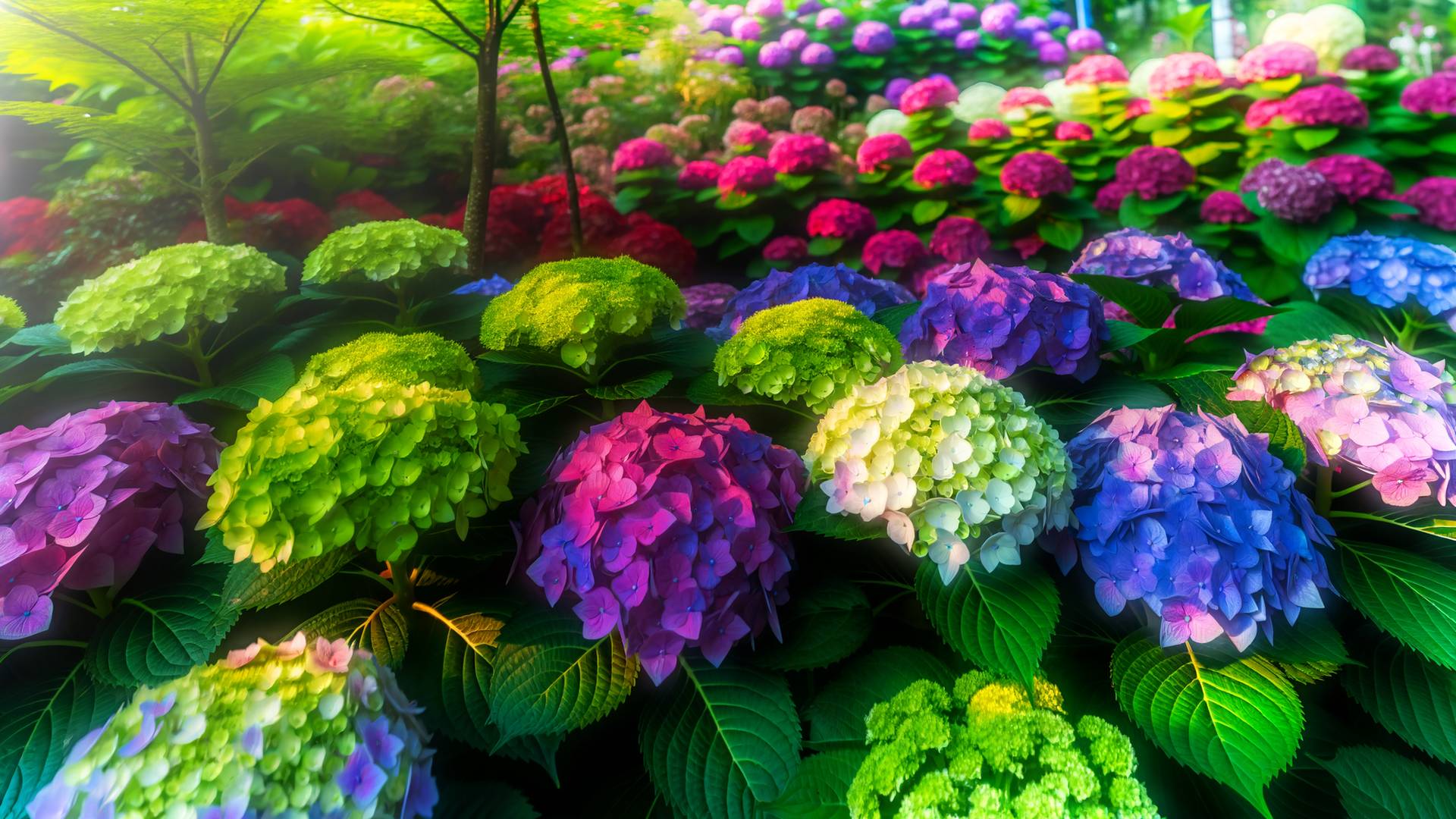
It was a sunny morning, the kind where the light caresses each leaf and petal in my small patch of paradise—a modest garden that served as a respite from my bustling city life. I was sipping my morning tea, when a neighbor stopped by, beaming with excitement. She had just returned from a weekend trip to a famous flower show and had a surprise for me. Out of her bag, she pulled what looked like a bouquet of pastel perfection. It was a cluster of hydrangeas, each bloom boasting multiple hues, from soft blues to vibrant pinks, all within the same inflorescence.
From that moment on, I was hooked. As the weeks passed, I found myself captivated by the transformation of these blooms, and how they seemed to have a life of their own, changing colors as the soil shifted between acidity and alkalinity.
My love affair with hydrangeas was born that day, and it has since transformed not just my garden, but my entire approach to gardening itself. If you're considering adding a touch of whimsy and a splash of color to your green space, join me on this journey through the world of hydrangeas, and discover how these versatile plants can change your garden—and perhaps your life.
Introduction to Hydrangeas
What Makes Hydrangeas Unique?
Hydrangeas are beloved across the globe for their spectacular blooms and versatility. One of the intriguing characteristics of these plants is their ability to change color based on the soil pH. Acidic soil results in blue flowers, while alkaline conditions produce pink blooms. This remarkable feature not only allows for a dynamic garden display but also offers endless experimentation opportunities.
A Brief History of Hydrangeas
Native to Asia and the Americas, hydrangeas have been cultivated for hundreds of years. Originally admired for their aesthetic appeal in Japan, these plants made their way to Europe in the 18th century and have since become a staple in gardens worldwide. Their ability to flourish in a variety of climates and conditions has only added to their popularity.
Popular Hydrangea Varieties
Bigleaf Hydrangea (Hydrangea macrophylla)
Bigleaf hydrangeas are perhaps the most iconic, known for their large, rounded flower clusters and vibrant color range. They are a gardener’s favorite due to their adaptability and the unique color-changing aspect.
- Sub-varieties: Lacecap and mophead types add variety within this category.
- Color Changes: Easily manipulated by adjusting soil pH levels.
Panicle Hydrangea (Hydrangea paniculata)
Panicle hydrangeas are hardy and versatile, thriving in full sun to partial shade. Their cone-shaped blooms set them apart, adding vertical interest to the landscape.
- Stunning Varieties: 'Limelight' and 'Pee Gee' are particularly admired for their impactful displays.
- Bloom Season: Generally from midsummer into autumn, offering a longer season of interest.
Smooth Hydrangea (Hydrangea arborescens)
This variety, including the well-known 'Annabelle', is celebrated for its adaptability and large, round blooms. The flowers start off green, transforming to white and eventually fading back to a light green, providing a stunning seasonal display.
- Ideal Conditions: Prefers partial shade and thrives in a range of soil types.
- Notable Traits: Hardiness and ease of care make them a great choice for beginners.
Oakleaf Hydrangea (Hydrangea quercifolia)
Named for their oak-like leaves, this variety adds a touch of elegance and texture to any garden. Their blooms shift smoothly from white to pink as they age.
- Unique Feature: Striking foliage that turns deep shades of red, orange, and purple in the fall.
- Best Use: Perfect for woodland gardens or shaded borders.
Mountain Hydrangea (Hydrangea serrata)
Known for their lacecap flower arrangements and delicate appearance, mountain hydrangeas are a more compact alternative to the bigleaf varieties.
- Habitat Preference: They thrive in cool, mountainous areas.
- Fall Interest: Beautiful fall foliage offers an additional layer of interest beyond their blooms.
Tips for Growing Hydrangeas
Selecting the Right Location
Hydrangeas generally prefer conditions that offer morning sun with afternoon shade. These conditions help prevent their leaves from wilting in the intense midday heat.
- Soil Requirements: Well-draining soil is essential for healthy growth.
- Plant Spacing: Ensure adequate space between plants to promote air circulation and reduce fungal diseases.
Watering and Fertilization
Consistent moisture is key for hydrangeas. They require more water than most garden plants, particularly in the heat of summer.
- Watering Tips: Deep, infrequent watering is ideal to encourage strong root systems.
- Fertilization Schedule: A balanced, slow-release fertilizer applied in spring will promote lush growth and prolific blooms.
Pruning Practices
Pruning hydrangeas depends heavily on the type. For best results, prune after flowering to avoid cutting off next year’s buds.
- Bigleaf and Mountain Hydrangeas: Prune in late summer after they bloom.
- Panicle and Smooth Hydrangeas: These can be pruned in late winter or early spring.
Managing Pests and Diseases
While hydrangeas are relatively hardy, they can fall victim to certain pests and diseases.
- Common Pests: Watch out for aphids, spider mites, and slugs.
- Disease Prevention: Powdery mildew and leaf spot can be managed through proper spacing, watering, and removing fallen leaves.
Creating the Perfect Hydrangea Garden
Designing with Color
Leverage the color-changing magic of hydrangeas to build a dynamic and ever-changing garden landscape. By manipulating the soil pH and planting a combination of varieties, you can orchestrate a symphony of color that evolves throughout the growing season.
Seasonal Transformation
Incorporate hydrangeas to ensure your garden has something to offer in every season. Their blooms transition through various hues in summer and fall, while their skeletal remains stand strong against the backdrop of winter's stark minimalism.
Hydrangeas in Containers
For urban gardeners or those with limited space, growing hydrangeas in containers is a fabulous option. Consider dwarf varieties and ensure the pots have good drainage to mimic ideal soil conditions.
FAQs About Hydrangeas
1. Can hydrangeas grow in full sun?
Yes, but panicle hydrangeas are best suited for full sun. Other varieties generally prefer partial shade to protect them from the intense midday sun.
2. How do I change the color of my hydrangeas?
Adjust the soil pH: more acidic soil will produce blue flowers, while alkaline soil will promote pink blooms. Use a soil pH test kit to monitor changes and apply sulfur or lime as needed.
3. Are hydrangeas toxic to pets?
Yes, all parts of the hydrangea plant, particularly the leaves and flowers, contain cyanogenic glycosides, which are toxic to cats, dogs, and horses.
4. When is the best time to plant hydrangeas?
Early spring or late fall is ideal for planting hydrangeas, giving them time to establish roots before the extremes of summer or winter.
5. Do hydrangeas require a lot of maintenance?
While they require regular watering and a little vigilance against pests and diseases, hydrangeas are generally low-maintenance plants.
6. Can hydrangeas be grown indoors?
Hydrangeas can be grown indoors temporarily during their blooming season. Ensure they have plenty of bright light and maintain consistent moisture in their soil.
7. How long do hydrangea blooms last?
Depending on the variety and care, hydrangea blooms can last from several weeks to a few months, gradually shifting colors over time.
8. Why are my hydrangea leaves turning brown?
Browning can be a sign of several issues, such as overwatering, underwatering, or mineral deficiency. Check the plant's watering schedule and soil nutrients.
9. Can I propagate hydrangeas from cuttings?
Yes, hydrangeas are easily propagated by taking softwood cuttings in early summer and placing them in a mix of sand and peat moss to encourage root growth.
10. What should I do with hydrangeas in winter?
Prune back dead branches and add a layer of mulch around the base to protect roots from frost. Most varieties will thrive with minimal winter care.
Discussion (0)
No comments yet. Be the first to start the conversation!
Leave a Reply