From Trash to Treasure: My Journey with Kitchen Scraps
Once upon a time, I gazed at my forlorn garden, lamenting over wilted leaves and stunted growth, despite trying every commercial fertilizer available. I longed for lush, thriving plants but was disheartened by a lack of success. As I sat peeling a banana one afternoon, the idea struck me like a lightning bolt. Could these kitchen scraps be the secret to the verdant oasis I dreamed of? That was the beginning of an exciting journey to transform waste into nitrogen-rich fertilizer and, ultimately, a flourishing garden.
Understanding Nitrogen's Role in Gardening
Why Nitrogen Matters
Nitrogen is the lifeblood of plants. It's a critical component of chlorophyll, the green pigment in plants responsible for photosynthesis. This magical process converts sunlight into the energy that fuels plant growth. Without sufficient nitrogen, plants exhibit yellowed leaves and stunted growth, unable to realize their full potential.
Identifying Nitrogen-Deficient Plants
Recognizing the signs of nitrogen deficiency is key to nurturing a healthy garden. Look out for:
- Pale or yellowing leaves, especially in older foliage
- Slow growth and weak stems
- Poor fruit and flower production
By diagnosing these symptoms early, you can rapidly address the issue using natural, homemade remedies.
How Kitchen Scraps Transform into Fertilizer
The Science Behind Composting
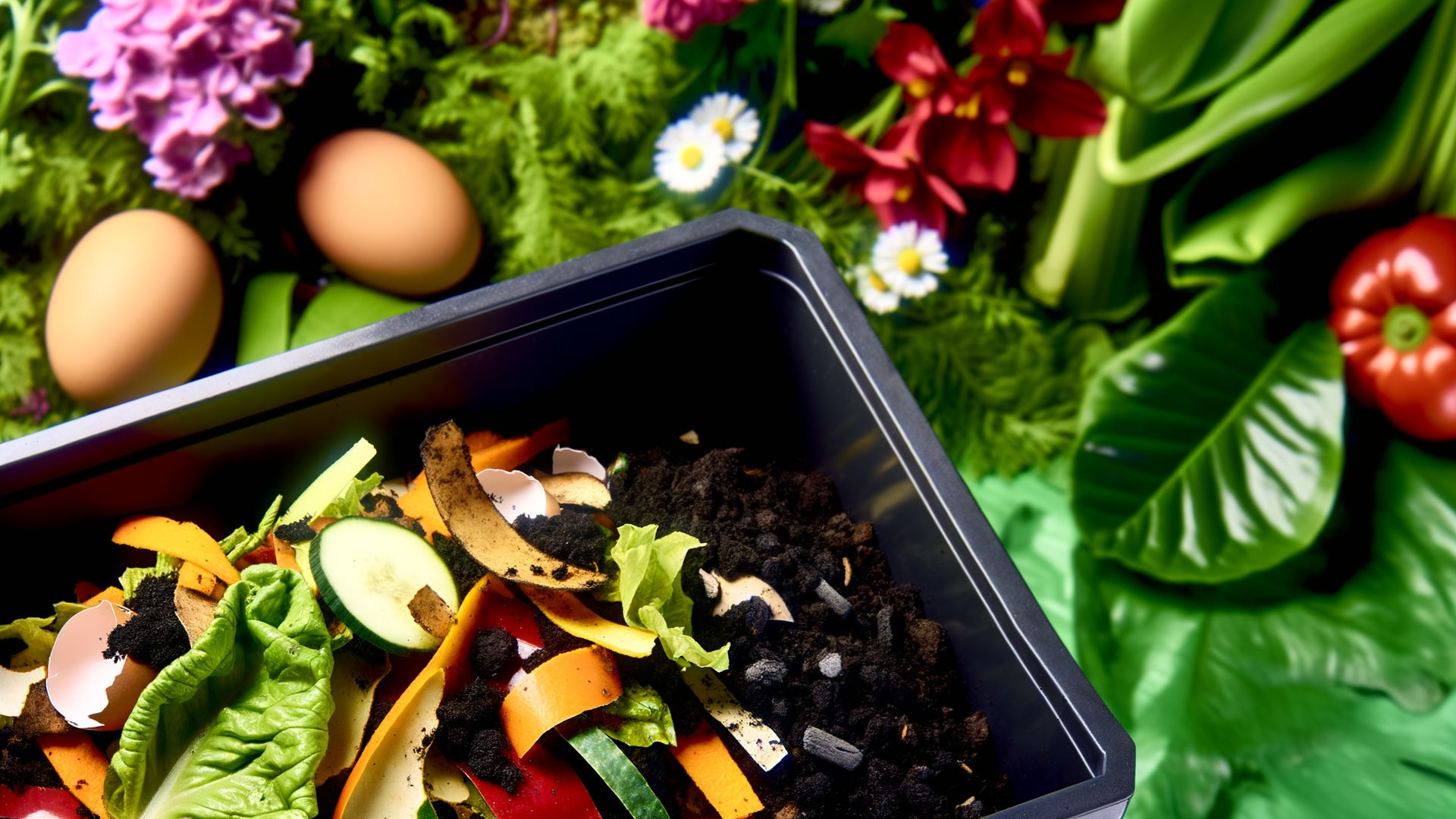
Composting kitchen scraps isn't merely about throwing banana peels and eggshells into a bin and hoping for the best. It's a natural decomposition process that effectively recycles organic matter, transforming it into nutrient-dense humus. Microorganisms break down the materials, with nitrogen being a crucial element released during this process.
Key Components of Successful Compost
To create the ideal compost, it's essential to maintain a balance between green and brown materials. Green materials, like fruit and vegetable scraps, contribute nitrogen, while brown materials like dry leaves and twigs, offer carbon. The perfect compost pile should have a 30:1 carbon-to-nitrogen ratio, which accelerates decomposition and results in rich, organic fertilizer.
Utilizing Common Kitchen Scraps
Fruit and Vegetable Peels
Instead of discarding those orange peels or potato skins, add them to your compost pile. These kitchen scraps are rich in both nitrogen and other micronutrients vital for plant health.
Coffee Grounds
Coffee enthusiasts, take note! Coffee grounds are a treasure trove of nitrogen, easily incorporated into compost or directly applied to the soil. However, it's essential to use them in moderation to avoid acidic soil conditions.
Eggshells
While not a direct nitrogen source, eggshells add calcium to your compost, benefiting root development and reducing soil acidity. Crush them before adding to speed up decomposition.
Bananas and Banana Peels
The humble banana is packed with potassium, vitamins, and, most importantly, nitrogen. Keep those banana peels in your kitchen scrap collection for future compost cuddling.
Step-by-Step Guide to Creating Nitrogen-Rich Fertilizer
Building Your Compost Bin
Choosing the right bin doesn't have to be expensive or complicated. Here’s how to start:
- Select a Location: A shady, easily accessible spot in your garden is ideal.
- Choose or Build a Bin: You can purchase a compost bin or DIY with materials like wooden pallets or wire fencing.
- Ensure Proper Ventilation: Maintaining good airflow is critical to the composting process, preventing foul odors and encouraging microbial activity.
Collecting and Layering Scraps
- Start with Browns: Lay a foundation with sticks or dry leaves to encourage airflow.
- Follow with Greens: Add a layer of kitchen scraps, keeping variety in mind for balanced nutrients.
- Repeat Layers: Continue layering, allowing natural organisms to take charge.
Maintaining Moisture and Turning the Pile
A compost pile is akin to a living organism. It needs care and attention:
- Moisture: Ensure the pile is as damp as a wrung-out sponge. This sustains microbial life.
- Airflow: Turn the pile every few weeks. This aeration speeds decomposition and prevents unpleasant odors.
Recognizing Finished Compost
Compost is ready when it resembles rich, dark soil, free of identifiable scraps. This process usually takes 2 to 6 months, depending on environmental factors and the materials used.
Direct Application of Specific Kitchen Scraps
Creating a Banana Peel Fertilizer Tea
Steep banana peels in water for a few days, then use the nutrient-rich "tea" to water plants. This method gives them an immediate nutrient boost.
Coffee Ground Application
Spread a thin layer of coffee grounds around your plants or mix them into the soil. Avoid piling too thickly to maintain healthy soil structure and prevent nitrogen loss.
The Benefits of Homemade Fertilizer
Cost-Effective Gardening
By turning kitchen scraps into fertilizer, you're cutting down on gardening expenses while reducing household food waste. It's a beneficial cycle for your wallet and the environment.
Sustainable Practices
Sustainability isn't just a buzzword; it's a way of life. Composting empowers you to be part of the solution, not the pollution. Plus, it enriches your soil, making plants more resilient long-term.
Tailored Nutrients for Your Plants
With homemade fertilizer, you're in control. You can tweak the compost recipe based on plant needs, such as adding more coffee grounds for nitrogen-hungry vegetables or more banana peels for flowering plants.
Addressing Common Challenges in Composting
Odor Control
Odor can deter novice gardeners, but it's usually an indication of imbalance. Maintaining the correct ratio of greens to browns and ensuring proper aeration will help manage this issue.
Pest Prevention
While kitchen scraps might attract pests, there are ways to prevent this nuisance. Regularly turning the compost and keeping meat or dairy products out of the pile can mitigate infestations.
Speeding Up the Composting Process
Want faster results? Shred larger scraps into smaller pieces, increase pile temperature by adding more greens, or use a compost accelerator product to expedite decomposition.
Frequently Asked Questions
1. Can I use all kitchen scraps in my compost?
Not all! Avoid composting meat, dairy, and oil as they can attract pests and create unpleasant odors.
2. How can I tell if my compost is too wet?
If you pick up a handful and water drips from it, the compost is too wet. Add dry materials like straw or shredded paper to balance moisture levels.
3. What's the best way to deal with fruit flies in the compost?
Fruit flies thrive in overly moist environments. Turn the pile more frequently to aerate and adjust moisture levels.
4. Can composting help reduce my carbon footprint?
Absolutely! Composting reduces methane emissions from landfills and lowers your reliance on chemical fertilizers.
5. How long does it take for kitchen scraps to turn into finished compost?
Typically, 2 to 6 months, depending on pile size, materials, and environmental conditions.
6. Is it necessary to add earthworms to my compost?
Not necessarily. However, they can accelerate the process by improving aeration and breaking down materials more quickly.
7. Can I compost citrus peels?
Yes, but in moderation. Citrus peels are acidic, which can affect pH balance if used excessively.
8. How do I know if my compost is nitrogen-rich?
A rich, earthy smell and the presence of worms and insects usually indicate nitrogen-friendly conditions.
9. Is it okay to compost colored paper or cardboard?
Avoid using glossy or heavily inked paper, as they might contain toxins that hinder compost quality.
10. Can I compost during winter months?
Yes, but the process is slower due to lower microbial activity. Insulating the pile with straw can help retain heat.
Discussion (0)
No comments yet. Be the first to start the conversation!
Leave a Reply