A Dance with Nature: Embracing Bamboo's Resilience
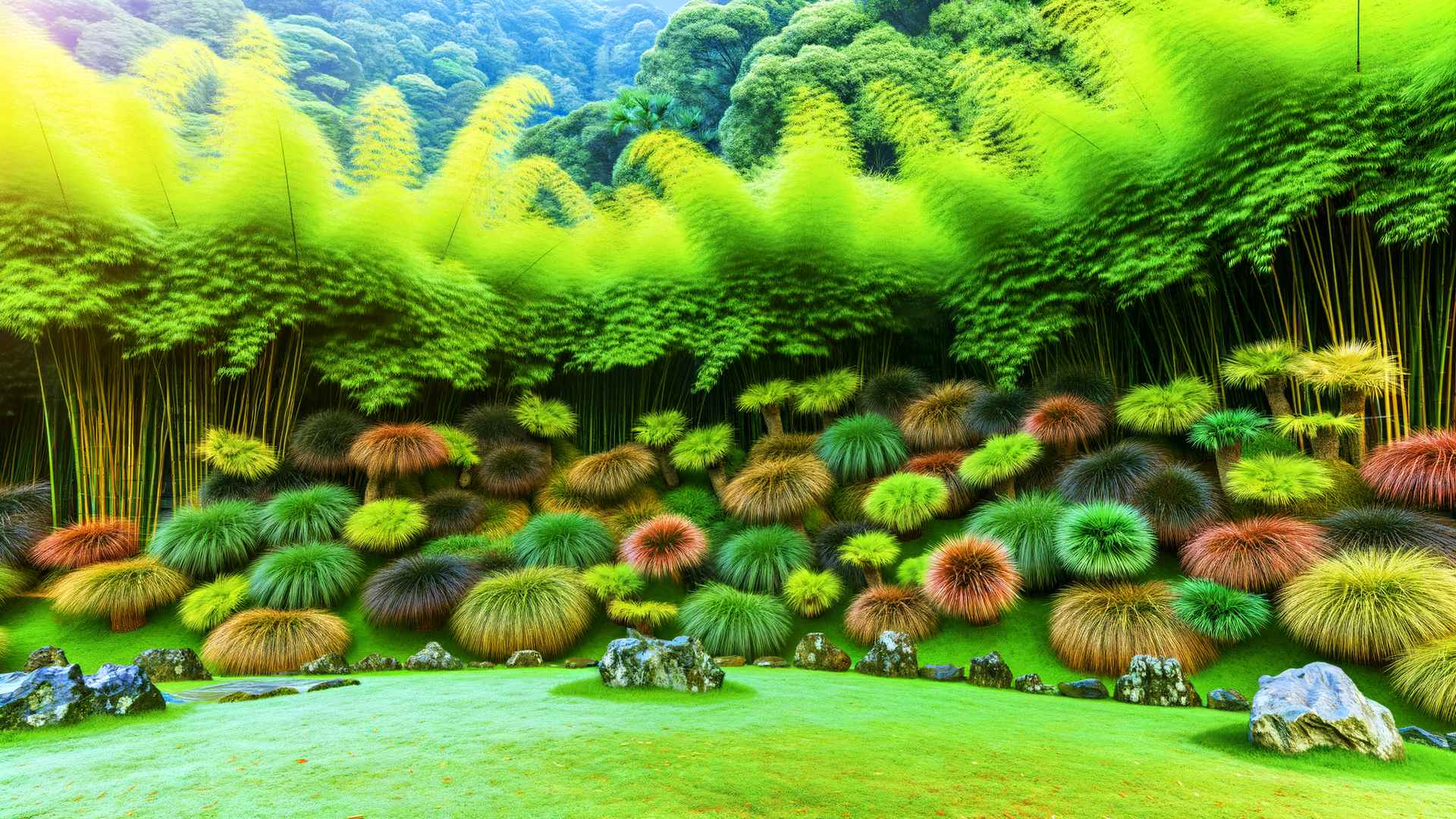
I remember the first time I stumbled upon bamboo. It was on a trip to Kyoto, where the famous bamboo groves seemed to move of their own accord, swaying gently with the wind and whispering secrets from ages past. There, standing amid the towering stalks, I felt a deep connection to this ancient plant. It represented resilience, beauty, and an unparalleled strength that even the coldest of winters could not diminish. Years later, I felt that familiar tug of curiosity as I transitioned my own garden into a haven of flora that could weather the harshest winters. In doing so, I discovered not only bamboo's aesthetic charm but also its incredible ability to withstand frost. Let me share with you some of the top frost-resistant bamboo varieties that will not only survive but thrive and beautify your garden.
Understanding Bamboo's Resilience
What Makes Bamboo Frost-Resistant?
Bamboo is celebrated for its flexibility and strength, both literal and metaphorical. But what truly sets it apart in colder climates is its natural antifreeze—a unique cellular structure that protects it from damage when temperatures plunge. Bamboo's ability to stay evergreen through snow and ice makes it an ideal choice for gardeners in colder regions.
Differences Between Bamboo Varieties
Not all bamboo is created equal. While some prefer sun-drenched tropics, others are genetically predisposed to withstand frost. Understanding these differences allows you to choose varieties that align with your local climate and design aspirations.
Top Frost-Resistant Bamboo Varieties
1. Fargesia Robusta
Fargesia Robusta is a clumping bamboo native to the high altitudes of China, where it often thrives amid snow and ice. Its upright growth habit, defined by slender, bright green canes, makes it perfect for hedges. Robust at temperatures down to -10°F (-23°C), it offers not only resilience but also grace with its small leaves that dance in the slightest breeze.
2. Phyllostachys Aureosulcata (Yellow Groove Bamboo)
Recognizable by the characteristic yellow stripe that runs down each green cane, Phyllostachys Aureosulcata adds a splash of color even to the grayest of winter days. This bamboo can endure temperatures of -15°F (-26°C) and is rather fast-growing, making it a favorite among those looking to quickly establish a natural privacy screen.
3. Fargesia Rufa (Green Panda Bamboo)
Known as Green Panda Bamboo, Fargesia Rufa is adored for its tolerant nature and adaptability. This variety does well in both sun and shade, and its dense foliage provides excellent coverage. With the ability to withstand temperatures as low as -20°F (-29°C), it’s no surprise that this bamboo is a popular choice for landscapes aiming to achieve a zen-like tranquility.
4. Phyllostachys Nigra (Black Bamboo)
Characterized by its stunning black culms, Phyllostachys Nigra is as much a conversation starter as it is a robust garden element. It withstands temperatures to -5°F (-21°C) and brings a touch of drama and sophistication. Over time, the canes darken to a deep, rich black that contrasts beautifully with fresh green foliage.
5. Sasa Veitchii (Kumasasa Bamboo)
For gardeners desiring a ground cover bamboo, Sasa Veitchii delivers with its broad leaves and cascading, low-growing nature. Remarkably resilient to cold—it can flourish in temperatures dipping as low as -10°F (-23°C)—this bamboo shines in winter when its leaf edges turn creamy white.
Tips for Cultivating Frost-Resistant Bamboo
Soil and Watering Requirements
To cultivate healthy bamboo, ensure your soil is well-draining yet moisture-retentive. While bamboo can endure drought once established, they perform best with regular watering, especially during dry spells. Incorporate organic matter to boost soil fertility naturally.
Planting and Location
Select a location with at least partial sun exposure, and protect your bamboo from harsh north winds. If you're planting clumping varieties, ensure adequate space for their natural growth habit. For spreaders, consider root barriers to maintain order in your garden paradise.
Winter Protection Strategies
In extremely harsh climates, you might consider mulching heavily with organic materials in late fall to insulate the root system. For new plantings, additional measures such as wrapping with burlap or providing windbreaks can offer valuable protection.
The Aesthetic Value of Bamboo
Creating Privacy and Borders
One of bamboo’s greatest strengths is its ability to act as a natural screen. With minimal care, you can cultivate a living fence that offers privacy and a sound buffer, enriching your outdoor sanctuary with rustling leaves and waving stalks.
Enhancing Biodiversity
By incorporating bamboo, you invite a host of beneficial wildlife—birds, insects, and other native species that contribute to a vibrant eco-system. Bamboo creates a beautiful synergy, offering shelter and food to its animal visitors.
FAQs
1. How tall can frost-resistant bamboo grow?
Most frost-resistant bamboo can reach between 10 to 20 feet, although some, like Phyllostachys varieties, can grow taller in ideal conditions.
2. Can bamboo still thrive in pots or containers?
Yes, many bamboo varieties, especially clump-forming types like Fargesia, can be successfully grown in pots, allowing them to be moved indoors or into sheltered areas during extreme weather.
3. How do I manage bamboo spread?
Use physical barriers or cultivate clumping bamboo species that naturally limit their own spread, thus simplifying garden maintenance.
4. Is there a way to change the color of my bamboo's stalks?
The color is a natural characteristic and doesn't change significantly, but environmental factors like sunlight can enhance the depth of naturally occurring colors.
5. What should I do if my bamboo is suffering from frost damage?
Trim back damaged leaves and culms in spring. With adequate care, healthy roots will produce new growth.
6. Are there any pests that target bamboo more than other plants?
Bamboo is generally hardy, but aphids and scale insects can occasionally cause issues. Natural predators and horticultural oils are effective treatments.
7. How often should I water my bamboo during winter?
Reduce watering in winter as the plant's growth slows. Only water during extended dry spells when the soil is not frozen.
8. Can frost-resistant bamboos survive extreme heat?
Many frost-resistant bamboos are also heat-tolerant, thriving in a wide range of climates, although they may require more water and shading under intense sun.
9. Does bamboo attract certain types of wildlife more than others?
Bamboo's dense foliage and stalks provide excellent shelter and food sources for wildlife like birds and beneficial insects.
10. Is bamboo a sustainable choice for my garden?
Absolutely, bamboo is one of the most renewable resources available, growing rapidly and offering long-term environmental benefits.
Discussion (0)
No comments yet. Be the first to start the conversation!
Leave a Reply