
A Personal Touch: The Story Behind the Snake Plant Revival
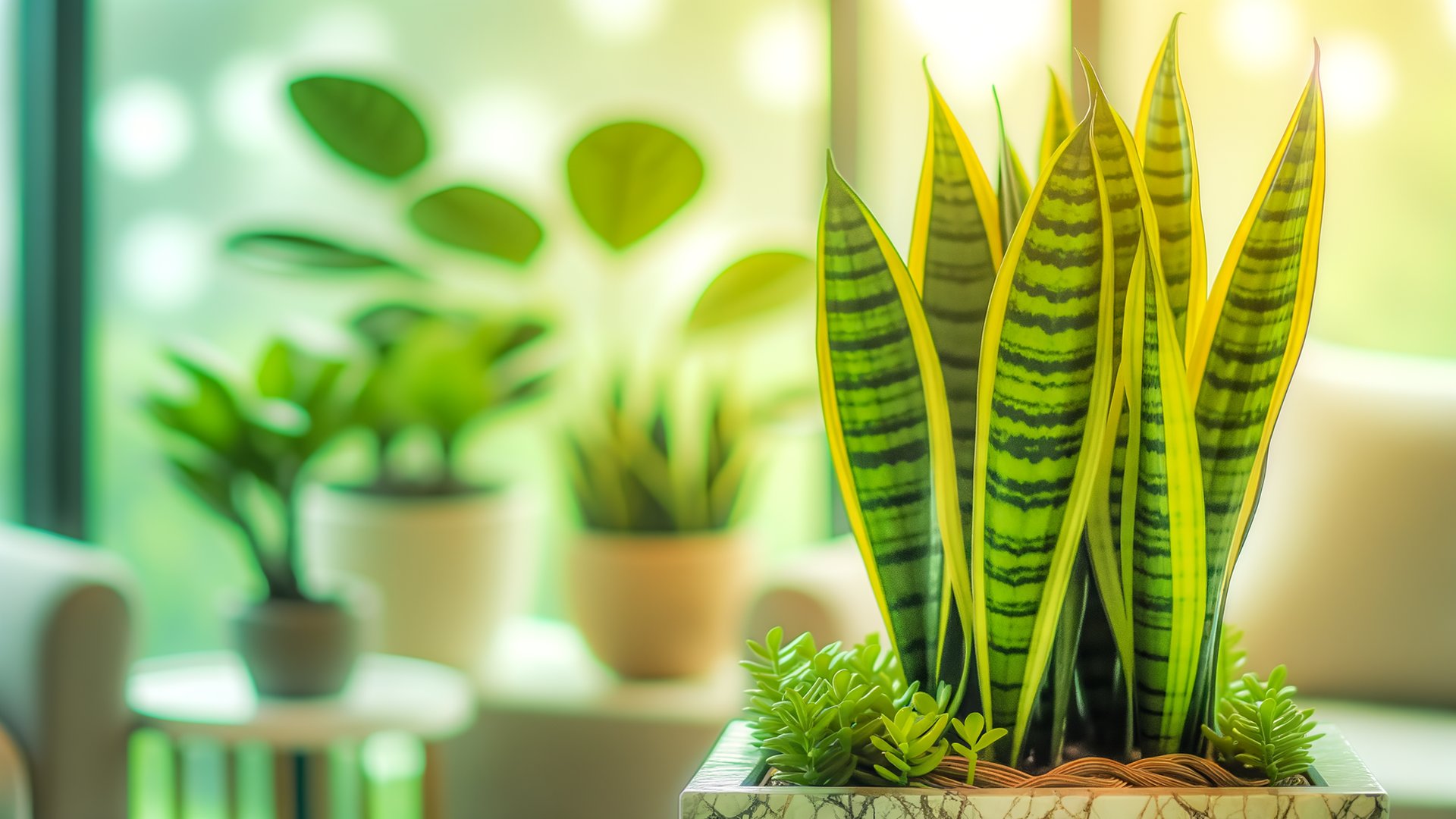
There it was, sitting in the corner of my living room—a snake plant (Dracaena trifasciata) with droopy leaves, losing its vibrant pattern, a faint shadow of its once glorious self. I had always prided myself on my green thumb, finding joy in nurturing my plants into full, flourishing spectacles. But this snake plant, once the centerpiece of my indoor garden, seemed determined to test my skills.
Every time I gazed at it, my heart sank a little more. Memories of my grandmother flooded in, of her teaching me how to tend to these resilient plants, ensuring they flourished in the scorching summer sun or through the wintry frost of our little hometown. I could almost hear her soothing voice guiding me, "Remember, dear, snake plants are like us—strong, but even we need a little help sometimes."
Determined to honor her memory and revive my languishing houseguest, I set off on a mission. And in the end, it took a bold, unconventional trick to breathe life back into it. Here's how I transformed my stagnant snake plant into a living testament to resilience.
The Snake Plant's Plight: Identifying the Problem
Understanding the Basics
Snake plants, known for their hardiness and adaptability, thrive on neglect. It might seem counterintuitive, but overcare is often the snake plant's downfall. Overwatering, poor lighting, and confined spaces can contribute to a decline in health.
Common Signs of Distress
- Yellowing leaves: Too much water or poor drainage.
- Droopy appearance: Often due to inadequate light or water issues.
- Brown tips: A clear sign of dry air or inconsistent watering.
- Stagnant Growth: A lack of new shoots or leaves.
Identifying the issue is the first step in reviving your dying plant. Knowing these signs provides a foundation on which you can build your plan to restore its vitality.
The Bold Trick: Bottom Watering
Why Bottom Watering?
It was while sipping tea and leafing through my grandmother's old gardening journal that I stumbled upon the method of bottom watering. This technique allows plants to absorb moisture from their roots upward, encouraging healthier and more robust growth.
How to Execute Bottom Watering
- Select a Container: Choose a tray or shallow basin larger than the base of your plant's pot.
- Fill with Water: Pour in enough water to cover the bottom inch or so of the pot.
- Set and Wait: Place the plant in the container, allowing it to soak up water at its own pace. Check after 15-30 minutes.
- Drain Excess: Once your snake plant has had its fill, remove it from the water and let it drain thoroughly.
The results can be transformative, infusing the plant with a new lease on life, visible within just a few days.
Supporting the Revival: Additional Care Tips
Perfect Light
Snake plants adore indirect sunlight but can tolerate low light environments. Optimizing their surroundings with balanced light exposure ensures robust growth and vibrant colors.
Embrace the Right Soil
Utilize a well-draining soil mix, ideal for succulents. This adjustment prevents waterlogging and allows a thriving root system.
Regular Repotting
Over time, snake plants become constrained by their pots. Regular repotting every 2-3 years encourages ongoing growth and revitalization.
Pruning and Maintenance
Regularly remove dead or diseased leaves. Pruning not only enhances appearance but redirects vital nutrients to healthier sections of the plant.
Embracing the New Growth: After Care
Monitor Progress
Keep an eye on your plant's growth following any intervention. Look for signs of new shoots or leaves as a direct indication of successful revival.
Balanced Feeding
Incorporate a balanced fertilizer schedule during growing seasons. This nurtures the plant's newfound vitality without overwhelming its system.
Patience and Consistency
Every plant's journey to recovery is unique. With consistent adherence to care routines and patience, success is assured.
Frequently Asked Questions (FAQs)
What causes snake plants to become stagnant?
Snake plants often stagnate due to overwatering, lack of sunlight, improper drainage, or restricted root growth within the pot.
How can I tell if my snake plant is overwatered?
Overwatered snake plants exhibit yellow leaves, mushy stalks, or a musty smell from the pot.
What is the best light condition for snake plants?
Snake plants thrive in bright, indirect sunlight, but they are also adaptable to low light conditions.
How often should I water my snake plant?
Water your snake plant every 2-3 weeks, allowing the soil to completely dry out between waterings.
Can I revive my snake plant with bottom watering alone?
Bottom watering is effective, but combination care involving appropriate lighting, potting, and occasional feeding ensures full revival.
Is bottom watering suitable for all plants?
Many indoor plants benefit from bottom watering, especially those prone to root rot from surface watering.
How long should my snake plant soak during bottom watering?
Allow your plant to soak for approximately 15-30 minutes. Adjust based on individual plant needs.
When should I repot my snake plant?
Repot your snake plant every 2-3 years or when you notice roots crowding or poking through drainage holes.
Can I prune damaged leaves?
Yes, pruning damaged or dying leaves redirects nutrients to healthier parts, promoting overall plant health.
What type of soil is best for a snake plant?
Use well-draining soil mixes like cactus or succulent blends to prevent waterlogging and encourage healthy growth.
Discussion (0)
No comments yet. Be the first to start the conversation!
Leave a Reply