An Unexpected Journey: How Chives Became My Gardening Muse
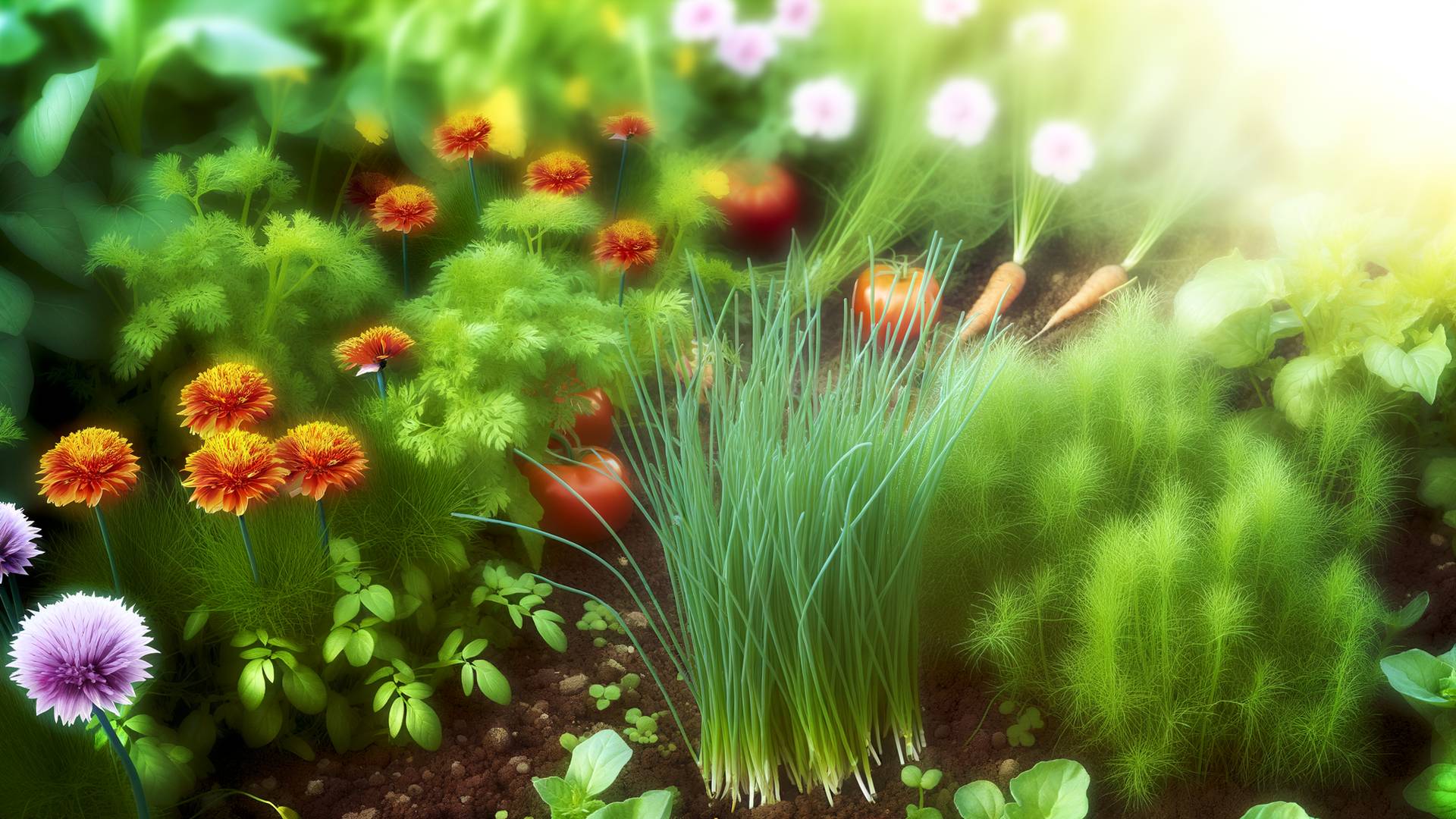
One spring morning, I found myself in the patchy remnants of my garden, staring at a small clump of chives that had unexpectedly survived the winter frost. It was an unusual situation, given that many of my other plants had returned to the earth, leaving little more than memories behind. Yet, there stood the chives, proud and defiant, their thin green shoots a vibrant promise of renewal. As a passionate gardener but an ardent procrastinator when it came to planning, I found inspiration in these hardy herbs.
That year, I decided to build my garden around these resilient chives. I was determined to create a harmonious ecosystem that celebrated their persistence and charm. Little did I know, this decision would lead me on a journey of discovery, teaching me more about plant companionship than any book or workshop had ever done.
The Magic of Companion Planting
Companion planting is the art of strategically placing different plants together to create a mutually beneficial environment. Companion plants assist one another by either providing shelter, enhancing growth, or deterring pests. The benefits are abundant, but the trick is knowing which plants get along best.
Why Chives?
Chives are more than just a garnish for your baked potato; they are a dynamic addition to the garden. These hardy perennials are part of the allium family, which includes garlic, onions, and leeks. They possess a strong scent that can repel garden pests. They are also simple to grow, making them ideal for both seasoned gardeners and beginners.
Benefits of Growing Chives
- Pest Control: Their slightly pungent aroma is a natural deterrent for aphids, beetles, and certain types of flies.
- Pollinator Attraction: The pink-purple blooms attract butterflies and bees.
- Culinary Use: A wonderful herb to snip fresh for your salads, soups, or scrambled eggs.
- Low Maintenance: Once established, chives need minimal attention.
Perfect Plant Partners for Chives
Having established why chives are a great choice for any garden, let's delve into what you should consider planting alongside them. The right companions not only enhance the chives' qualities but also promote a healthy and thriving garden.
1. Carrots
Chives and carrots are a classic pair in the gardening world. Chives help to deter pests such as aphids and carrot rust flies that can devastate a carrot crop. In return, the carrots' deep roots help to break up the soil, making it easier for smaller plants like chives to thrive.
2. Roses
Not just limited to the vegetable garden, chives can be a secret weapon for roses. Planting chives near roses can help protect these beautiful blooms from black spot disease and aphids. Plus, the scent is a divine combination!
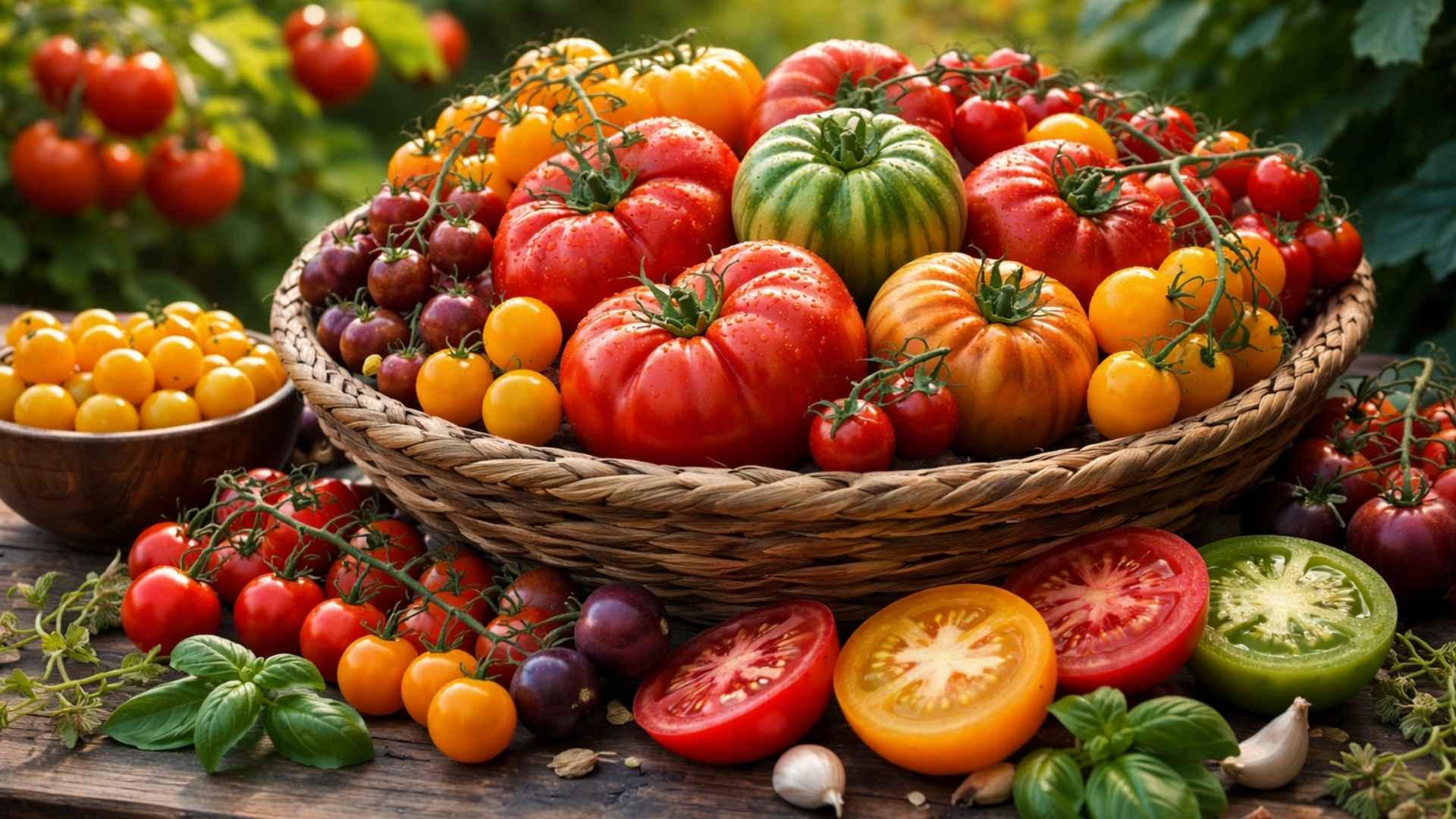
3. Tomatoes
Tomatoes benefit from the presence of chives, which can help to ward off common pests that plague tomato plants, such as spider mites and aphids. Additionally, chives act as a natural fungicide, reducing the chances of blight.
4. Strawberries
This pairing is as delightful to the eyes as to the taste buds. Chives help to repel insects that carry plant viruses, a common threat to strawberries. Additionally, the complementary colors between the chive blossoms and strawberry fruits create a stunning visual display.
5. Apples
Chives can help to combat the notorious apple scab disease. Try planting chives around the base of your apple trees to help protect against this common fruit tree ailment. Plus, the tall chive flowers can add a lovely touch of elegance at the base of your tree.
6. Brassicas
The Brassica family, which includes cabbages, broccoli, and Brussels sprouts, can truly benefit from having chives nearby. The herb acts as a deterrent to cabbage moths and other pests that love to feast on these nutritious vegetables.
7. Snapdragons
Snapdragons, with their bright, cheery flowers, attract pollinators that will also visit the chive blossoms. This creates a buzzing, biodiverse environment while the chives deter harmful pests from these flowers.
8. Peppers
Peppers enjoy the protective embrace of chives, which guard against aphids and ants. The slight elevation from the chive's bloom can also create a lovely layering effect when planted with shorter pepper plants.
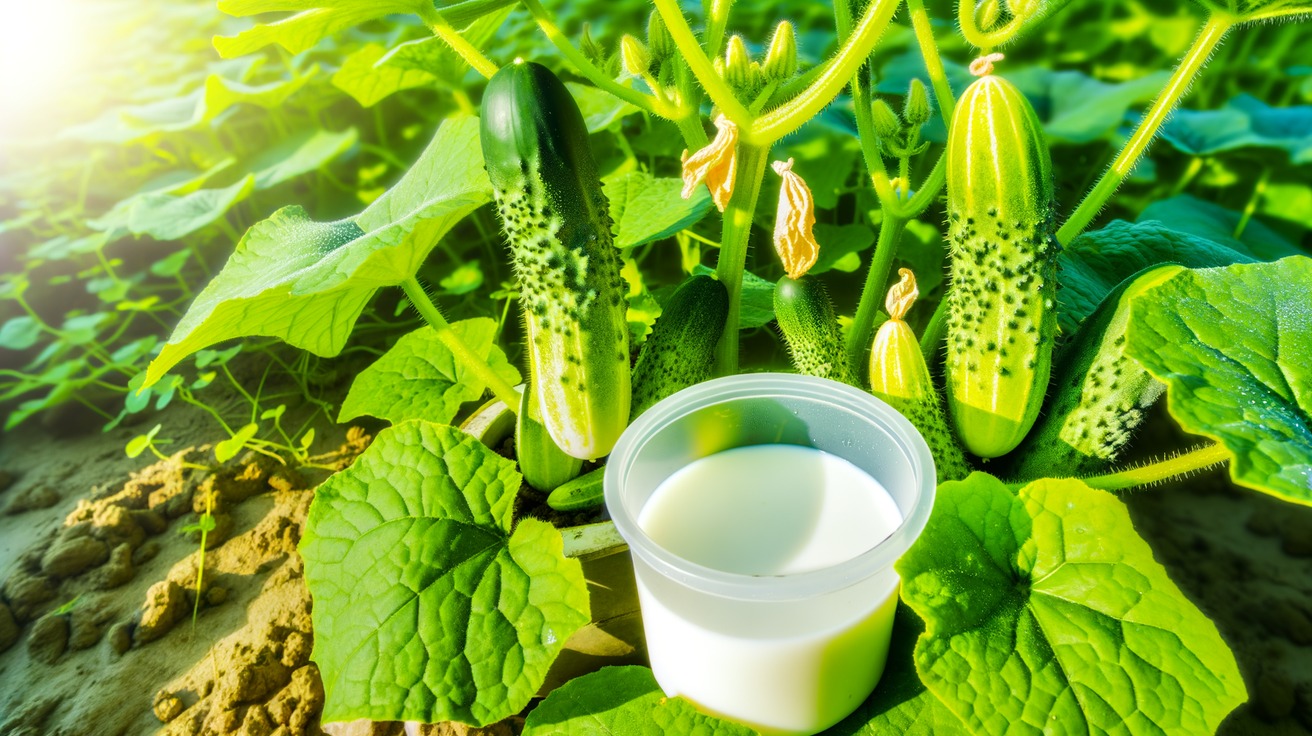
9. Cucumbers
The cool, refreshing nature of cucumbers blends perfectly with chives. When planted together, chives help to control pests like aphids and cucumber beetles.
10. Lettuce
Lettuce makes an excellent partner with chives because both thrive in similar growing conditions. Chives keep aphids away, and their colorful blooms add visual interest to a lush leafy green patch.
FAQs About Growing Chives with Other Plants
1. Can chives grow in a pot with other plants?
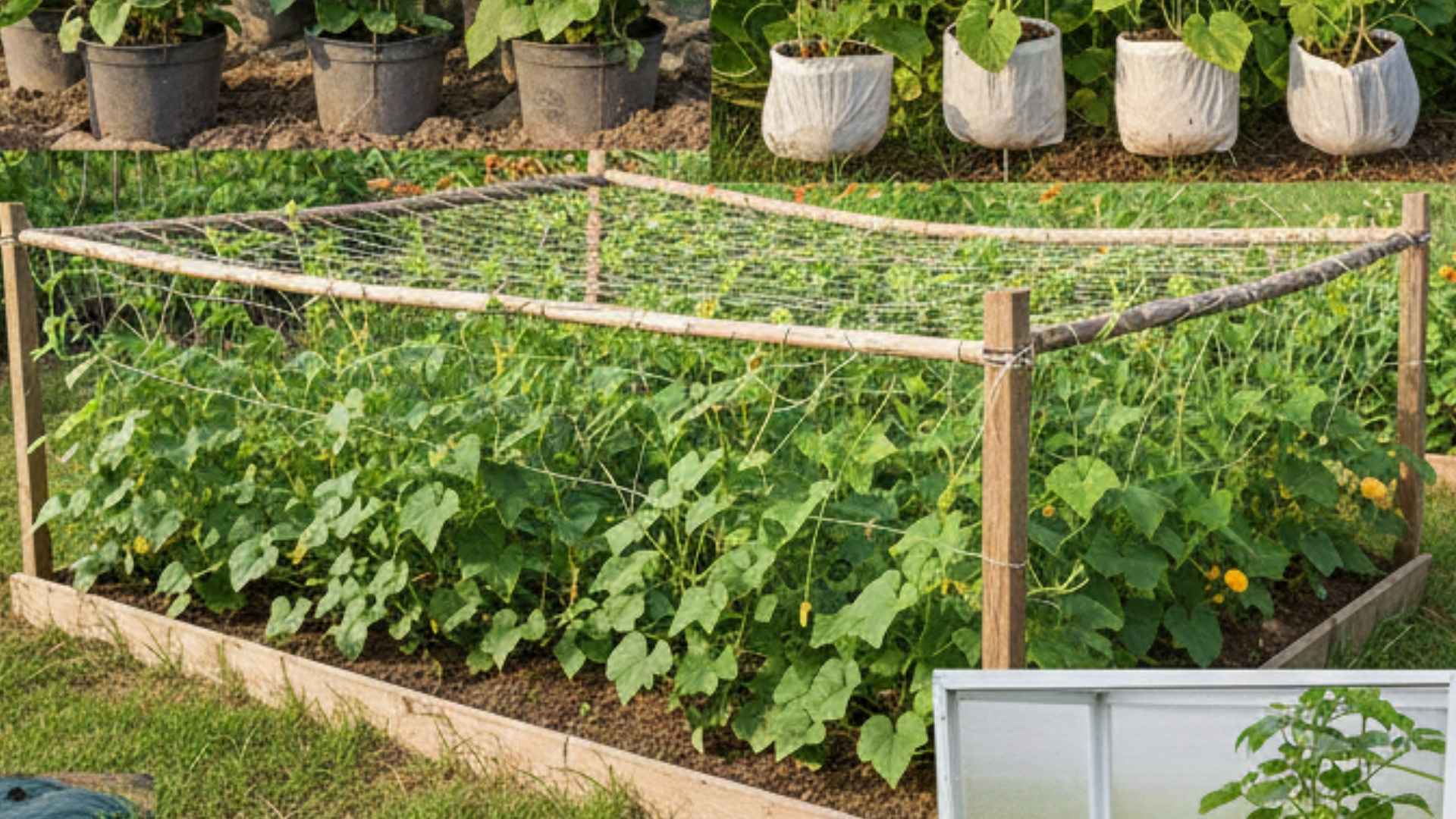
Yes, they can! When planted in containers or pots, chives do well with herbs like parsley and cilantro. They enjoy the company and share similar requirements for sunlight and water.
2. How far should chives and their companion plants be spaced?
Spacing can vary depending on the companion plant. However, a general rule is to give each plant enough room to grow without competition; usually, 6-8 inches apart is sufficient.
3. Do chives attract any pests themselves?
Chives are generally pest-repellent, but they can occasionally attract thrips or other small insects. Regular monitoring and proper care should minimize these issues.
4. Can chives negatively impact any plants?
While versatile, chives should not be planted near beans and peas as they can stunt these legumes' growth.
5. How do you care for chives?
Chives require full sun and well-drained soil. Water them regularly, especially during dry spells, and divide clumps every few years to maintain plant vigor.
6. What time of year is best to plant chives?
Plant chives in the spring. They require only a short time to establish roots and begin to flourish.
7. Can chives survive the winter?
Yes, chives are perennials and can survive cold climates. The tops will die back, but they'll re-emerge in the spring.
8. How often should I harvest chives?
Harvest consistently throughout the growing season; doing so encourages further growth. Simply snip the leaves about 1 inch from the soil.
9. Can I use chives' flowers in cooking?
Absolutely. Chive blossoms offer a mild onion flavor and can be used in salads or as garnish.
10. Do chives need pruning?
Pruning encourages growth. Trim the flowers if you don't want them to seed, or if you're aiming to maintain a neat garden appearance.
Conclusion
Growing chives alongside complementary plants creates a balanced, thriving garden ecosystem. From pest control to enhanced beauty, the benefits are clear. As gardeners, we strive to nurture life, and through companion planting, we allow each plant to play its part in an orchestra of growth and harmony. Remember, a garden with chives is a garden with flair, function, and flourishing friendship.
Discussion (0)
No comments yet. Be the first to start the conversation!
Leave a Reply