

OMG! You Won't Believe What These Bizarre Deformed Tomatoes Reveal!
Once upon a time, in a little corner of the gardening universe, there existed a phenomenon so bewildering that it caused even the most seasoned gardeners to scratch their heads in disbelief. Meet the bizarre world of deformed tomatoes—twisting, bulging, and spiraling into forms as unpredictable as the weather itself. But deep beneath their quirky appearances, these tomatoes conceal secrets that offer profound insights into the complexities of gardening as well as the whimsical side of nature.
The Curious Case of Deformed Tomatoes
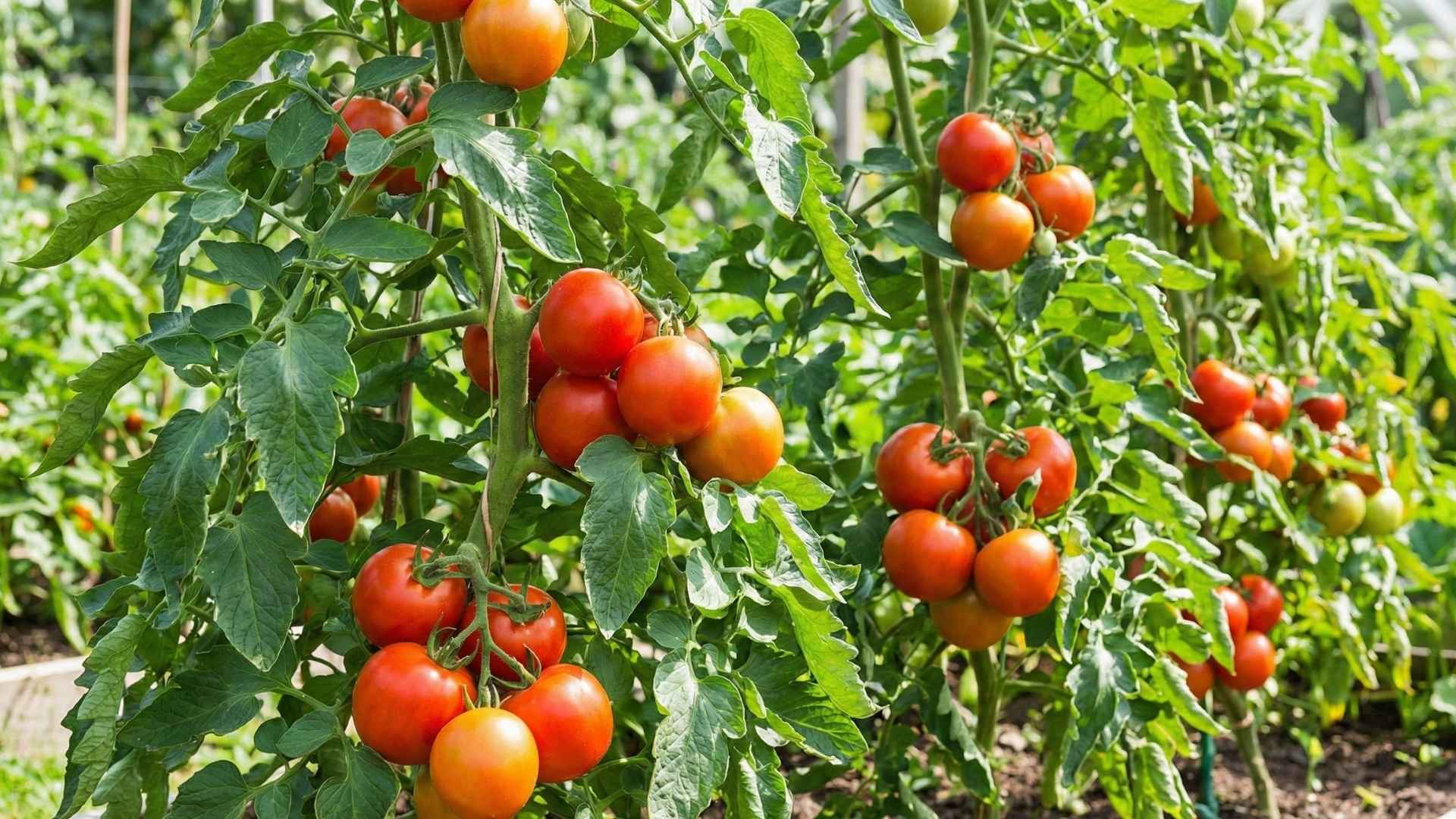
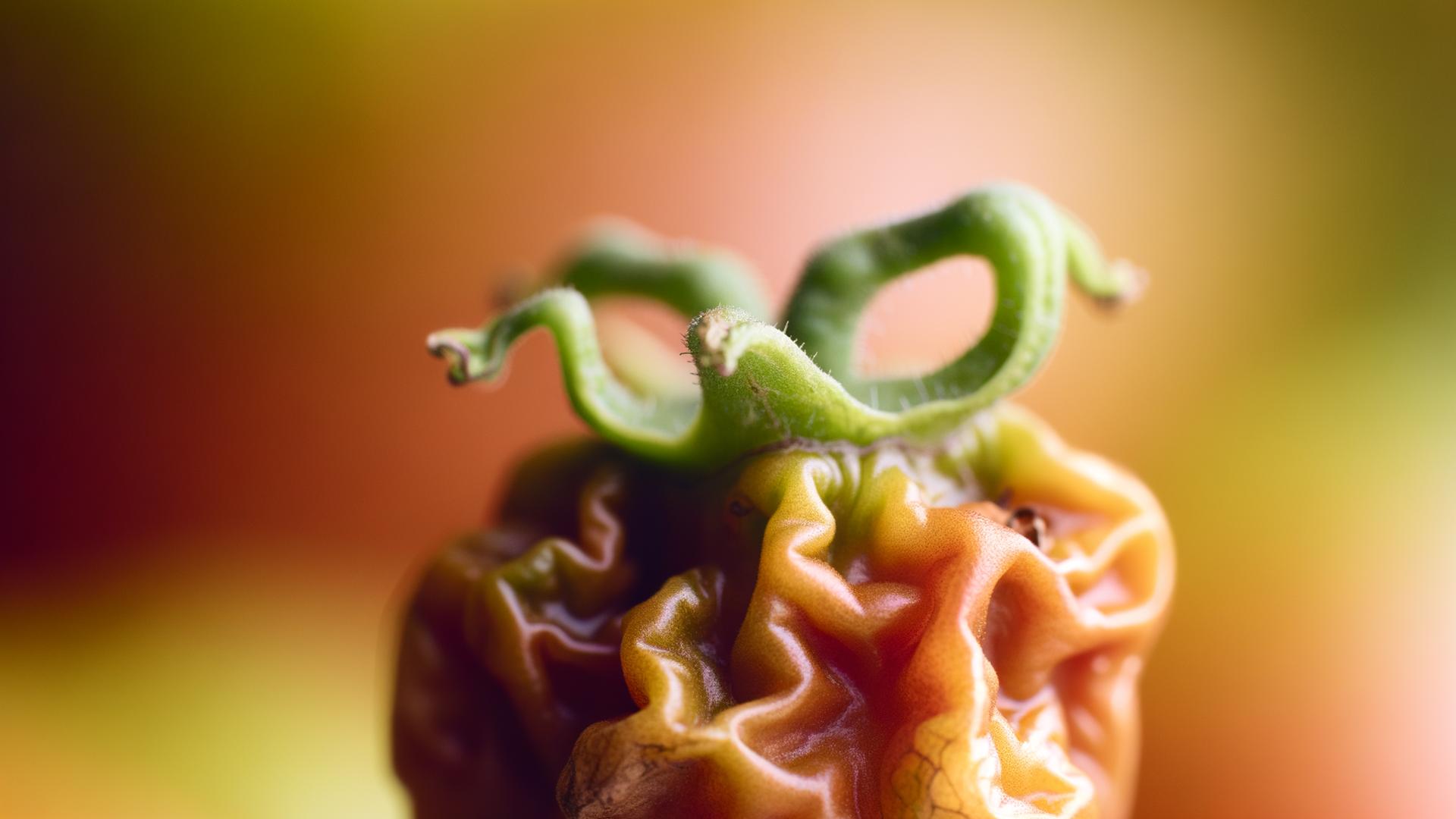
Imagine walking through your garden one sunny morning, your eyes scanning the flourishing tomato plants. Among the lush greenery and clusters of crimson wonders, you catch sight of a particularly peculiar specimen—a tomato that looks more like a sculpture than a fruit. Its surface is contorted, with odd growths protruding from unexpected angles. Some have noses like a cartoon character, while others embrace a more abstract form. Though amusing at first glance, these deformities reveal much more about their environment than meets the eye.
The Science Behind the Shapes
At the heart of these shapes lies a tapestry of growth influenced by genetics, environmental conditions, and unforeseen occurrences in your garden. Deformed tomatoes often result from abnormal pollination processes, which can be affected by weather conditions. For instance, if the weather is unseasonably cool or hot, it can influence the structure and growth of the flower, leading to misshapen fruits. This oddity could pose as a sign, a whisper from nature about the garden’s microclimate and the stresses it endures.
Pollination: The Invisible Sculptor
Nature employs some invisible artisans, such as wind or bees, to assist in the creative process. When pollination doesn’t happen evenly across the tomato blossom, it may cause some parts of the fruit to develop more robustly than others, leading to comical, peculiar protrusions. Inadequate pollination can be accentuated by humidity levels and the presence (or absence) of pollinators.
Factors Contributing to Tomato Deformities
1. Temperature Fluctuations
Tomatoes, much like fairytale Goldilocks, prefer conditions that are "just right." Extreme temperatures can disrupt fruit formation. When it's too cold, especially under 55°F (13°C), the pollen becomes less viable, affecting fruit development. Conversely, excessive heat over 85°F (29°C) can cause pollen to dry out too quickly or scorch the tender parts of the plant.
2. Nutrient Imbalance
Vegetables are the epitome of "you are what you eat," and tomatoes are no exception. When they lack essential nutrients such as calcium, nitrogen, and potassium, their development could warp, leading to deformities. Calcium deficiency is notably infamous, resulting in blossom end rot—a condition where the fruit’s bottom turns black and sunken.
3. Pest Intrusions
Nature's symphony includes an ensemble of pests that are all too willing to partake in the garden orchestra. Tomato fruitworms, aphids, and stink bugs might feast on your precious crops, causing scars and unusual growths as the tomatoes struggle to heal around the damage.
4. Herbicide Damage
In gardens where chemical herbicides linger in the breeze, deformed tomatoes can serve as an indicator of contamination. Tomatoes are especially sensitive to herbicides that may drift from neighboring lawns or even from the compost being unknowingly poisoned with residual chemicals.
A Deep Dive into Tomato Varieties
Heirlooms' Eccentricities
Not all tomato deformities are cause for worry, however. Some heirloom varieties, with names as colorful as their appearances—Ugly Ripe, Mortgage Lifter, or Costoluto Genovese—are prized for their distinctive forms. These treasures from the past remind us that perfection lies not in shape but in taste and nostalgia.
The Modern Hybrids
While heirloom varieties may charm you with their quirks, hybrid tomatoes aim for uniformity but sometimes falter, producing unexpected shapes in the journey of innovation. Exploring both heirloom and hybrid paths reveals the wonderful diversity among tomato cultivars, each with its unique story and growth patterns.
Gardening Practices to Prevent Deformities
Prudent Planting
-
Timing is Everything: Planting tomatoes after the last frost when the soil is warm can prevent the shock of cold, avoiding stunted or abnormal growth.
-
Choosing the Right Spot: Place your tomatoes in a location with ample sunlight and well-drained soil. Monitoring their exposure to combined factors of wind and shade will help maintain a balanced environment.
Ensuring Optimal Pollination
Create a garden atmosphere that encourages pollinators such as bees. Planting flowers and herbs that attract these helpful creatures will boost the pollination process, minimizing the likelihood of oddly shaped fruits.
Tailored Fertilization
Feeding your plants with a balanced, all-natural fertilizer rich in essential nutrients is pivotal. Conducting a soil test reveals the garden’s specific needs, preventing nutrient-related deformities through informed fertilization.
Embracing Tomato Deformities
Despite your best efforts, tomatoes may still meander in unexpected directions. Embrace the charm of nature’s creativity by incorporating deformed tomatoes into your culinary adventures. Slice and dice them for sauces, soups, or salads—your imagination (and taste buds) will thank you!
FAQ: Solving The Mysteries of Deformed Tomatoes
-
What causes the crinkly shape on some tomatoes?
- This is often a result of irregular pollination, possibly due to inconsistent temperatures or insufficient pollinator activity.
-
Can tomato deformities affect the nutritional value of the fruit?
- While the shape may be different, the nutritional content generally remains unaffected, provided the fruit is free from disease.
-
Are deformed tomatoes safe to eat?
- Yes, they are safe and typically taste the same as their more conventionally shaped counterparts.
-
What can I do to prevent pest-related deformities?
- Introduce integrated pest management practices, such as using neem oil or introducing beneficial insects like ladybugs to combat pests naturally.
-
How does weather impact tomato growth?
- Extreme temperatures influence pollen viability, impacting proper fruit development which can result in deformities.
-
What role do genetics play in producing deformed tomatoes?
- Some tomato varieties, particularly heirlooms, naturally tend to produce irregular-shaped fruits.
-
Should I remove deformed tomatoes from the plant?
- Only remove them if they're severely damaged or diseased; otherwise, they can mature normally and be harvested for consumption.
-
Can I use seeds from deformed tomatoes for future planting?
- Seeds from deformed fruits will typically produce normal plants unless the deformity was caused by genetic factors inherent to the variety.
-
Is blossom end rot a type of deformity?
- Yes, it's a deformity caused by a calcium deficiency during fruit development.
-
Can environmental factors other than temperature cause deformations?
- Yes, moisture fluctuations and herbicide drift can also lead to unusual growth patterns.
Discussion (0)
No comments yet. Be the first to start the conversation!
Leave a Reply