A Journey from Waste to Wonder: Rediscovering Abundance in My Garden
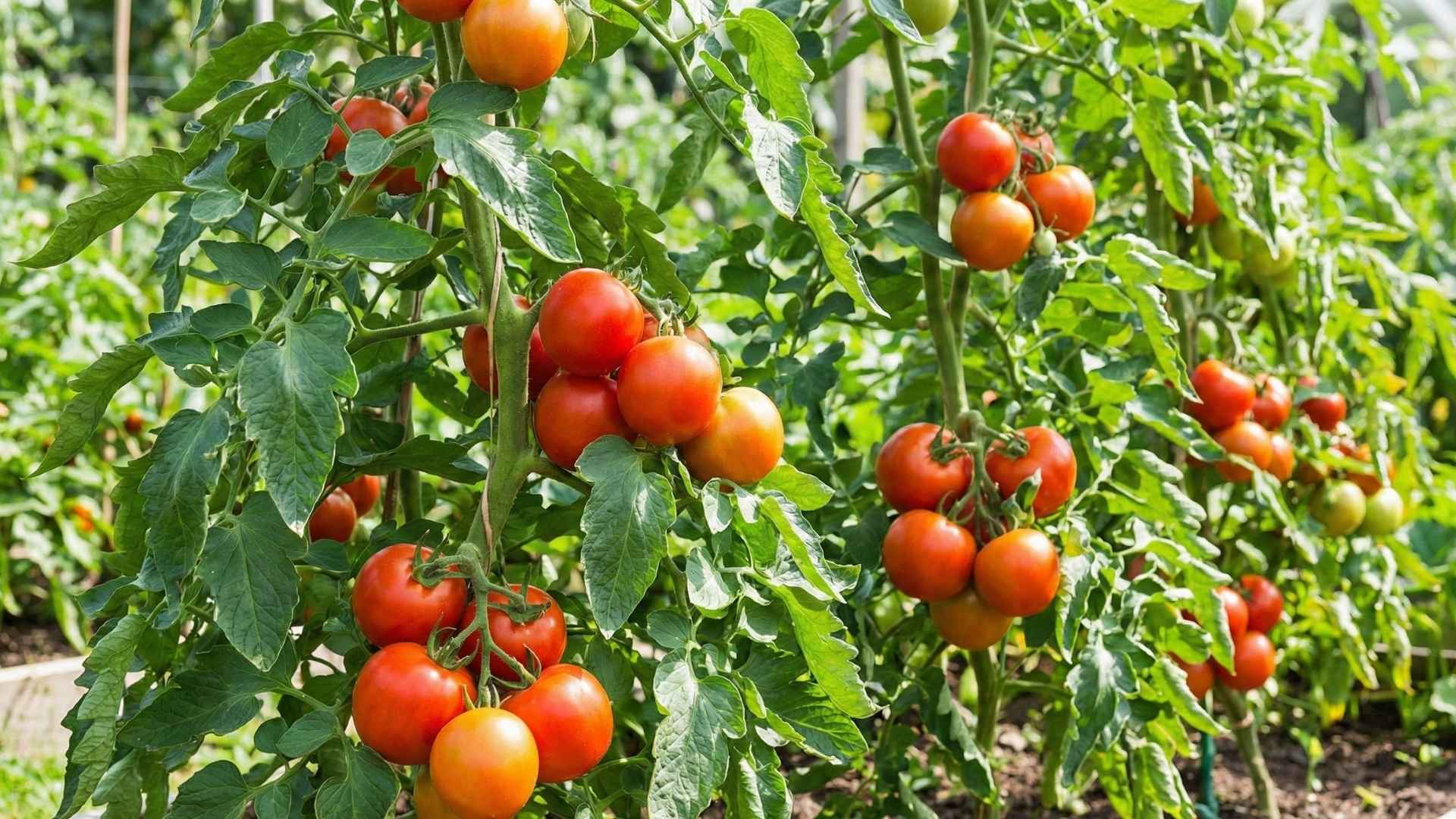
It was late summer when my prized tomato plants greeted me with leaves that were tinged with an unwelcome yellow glow and edges that looked like they had been delicately scorched by sunlight. I had tended these plants with great care, yet something was amiss. In search of answers, I embarked on a journey that would transform not only my garden but also my perspective on waste.
A chance conversation at a small-town farmer's market introduced me to the magical world of potassium. I learned how this vital nutrient plays an essential role in plant health, helping with water regulation, enzyme activation, and photosynthesis. Intrigued and determined to find a sustainable solution, I began researching ways to naturally fortify my plants with potassium using resources I'd never considered before: my own kitchen scraps.
Thus began my adventure into the world of homemade potassium fertilizers. It turns out, my answer didn't lie in expensive, synthetic fertilizers. Instead, the power to rejuvenate my plants was in the everyday waste I was too often discarding. This guide captures the magic of that discovery and offers you the knowledge to transform your kitchen waste into powerful nourishment for your garden.
The Importance of Potassium in Gardening
Before we dive into the practicalities of creating your own fertilizer, it's crucial to understand why potassium is so important for plants and how it aids in their growth and resilience.
The Role of Potassium in Plant Growth
Potassium is one of the three primary nutrients that plants need to thrive, often referred to as NPK (Nitrogen, Phosphorus, and Potassium). Here are the significant roles potassium plays:
- Water Regulation: Potassium helps control water usage in plants; it is critical for maintaining internal water balance, ensuring your plants are both hydrated and resistant to drought.
- Enzyme Activation: This nutrient activates various enzymes that are responsible for photosynthesis, enhancing the plant's ability to turn sunlight into food.
- Plant Stamina and Resistance: Plants with adequate potassium levels are stronger and more resistant to diseases and pests.
Signs of Potassium Deficiency
Recognizing the symptoms of potassium deficiency can help you take timely corrective action. Look out for:
- Yellowing and browning of leaf edges
- Curling or wilting leaves
- Poor root development
- Decreased fruit, flower quality, and yield
Understanding these symptoms not only aids in timely intervention but also points to the soil's need for reinforcement.
Transformative Kitchen Scraps for Potassium-Rich Fertilizers
Your kitchen isn't just for culinary creations—it’s a treasure trove of materials that can be repurposed into nourishing food for your plants.
Banana Peels
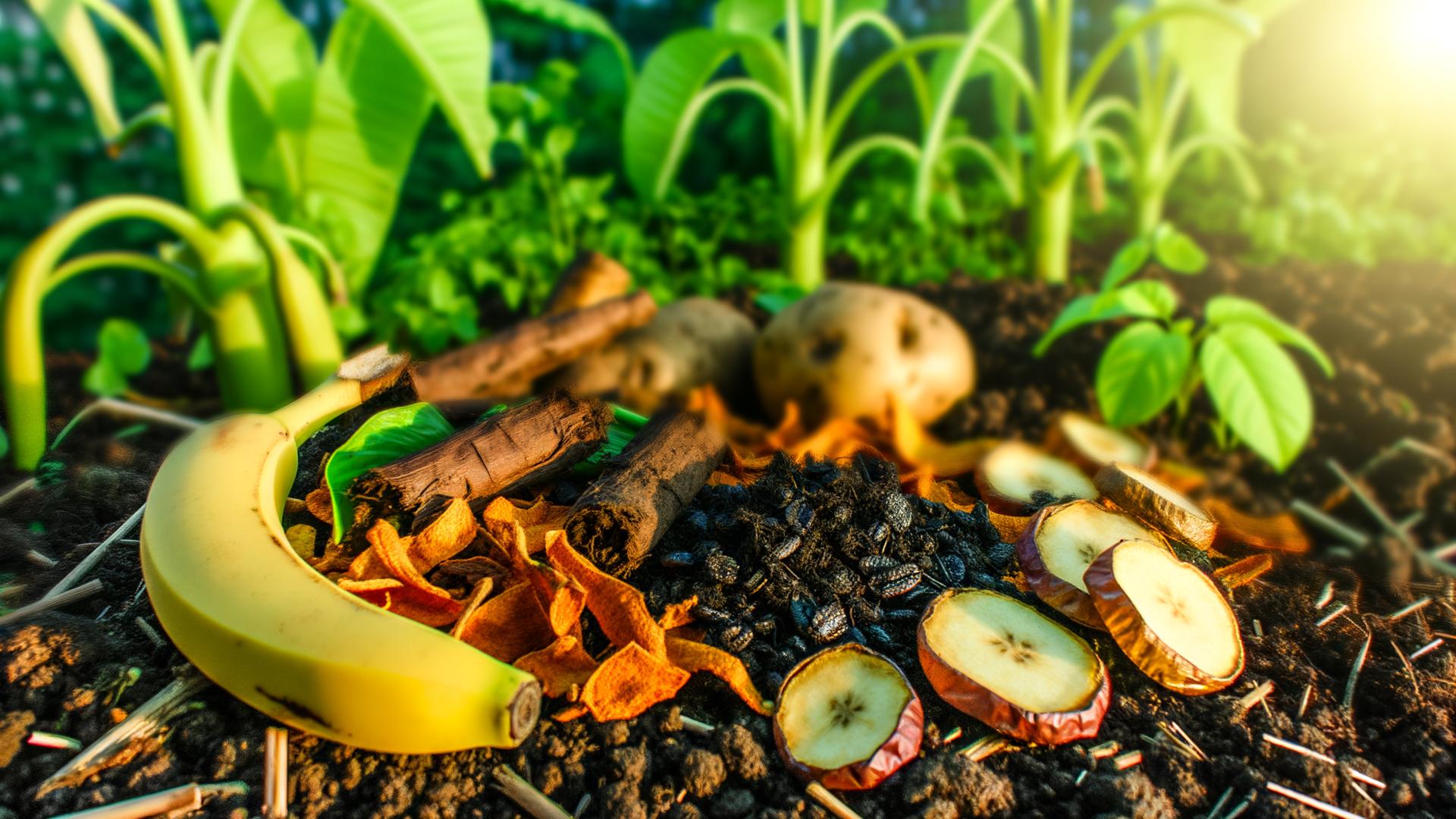
Banana peels are a gardener's best friend when it comes to boosting potassium levels in the soil. Here's how to use them:
- Banana Peel Tea: Steep banana peels in a liter of water for a couple of days. Use the resulting liquid as a fertilizer by pouring it directly onto the soil around your plants.
- Banana Peel Powder: Dehydrate the peels and grind them into powder, which can be sprinkled onto the soil.
- Direct Application: Simply bury banana peels in the garden soil, allowing them to decompose naturally, releasing potassium as they break down.
Wood Ash
If you have a wood-burning stove or fireplace, the resulting wood ash can be a great potassium source. Remember:
- Testing is Key: Use wood ash in moderation and ensure your soil isn’t already alkaline.
- Spread Evenly: Apply it during dry, windless conditions and spread evenly to prevent over-concentration of nutrients in one spot.
Coffee Grounds
Used coffee grounds are another fantastic way to add potassium and other minerals like magnesium and nitrogen into your soil:
- Compost Component: Add coffee grounds to your compost pile to enrich it with potassium over time.
- Direct Application: Sprinkle them lightly on the soil surface, or mix them into your potting mixes.
Composting Fruits and Vegetables
Composting is an excellent way to recycle kitchen scraps. Over time, compost enriches the soil with potassium as well:
- Ensure a mix of green and brown materials in your compost to balance nutrients.
- Turn the pile regularly to aerate it and speed up the decomposition process.
Sustainable Practices for Long-Term Gardening Success
As you harness your kitchen waste to benefit your garden, sustainability should remain at the forefront of your practices.
Creating Balanced Compost
Balanced compost is a rich amalgam of multiple nutrients. Here are essential tips:
- Diverse Input: Use a variety of compost materials—fruits, vegetables, egg shells, tea bags, and plant trimmings.
- Aeration: Turn your compost regularly. This process adds oxygen and prevents your compost from becoming anaerobic, which stops proper breakdown.
- Moisture Management: Your compost should be moist, not soaking. If it becomes too wet, add dry materials like leaves or straw.
Monitoring Soil Health
Regular soil testing is essential to determine nutrient levels and pH balance:
- Simple Kits: Use soil test kits available at garden centers to get a good sense of what nutrients your soil may be lacking.
- Professional Help: Consider sending soil samples to a lab for detailed analysis every couple of years.
Companion Planting
Integrating companion planting into your garden strategy can bolster plant health naturally:
- Holistic Growth: Some plants help boost potassium uptake by improving soil structure and nutrient availability.
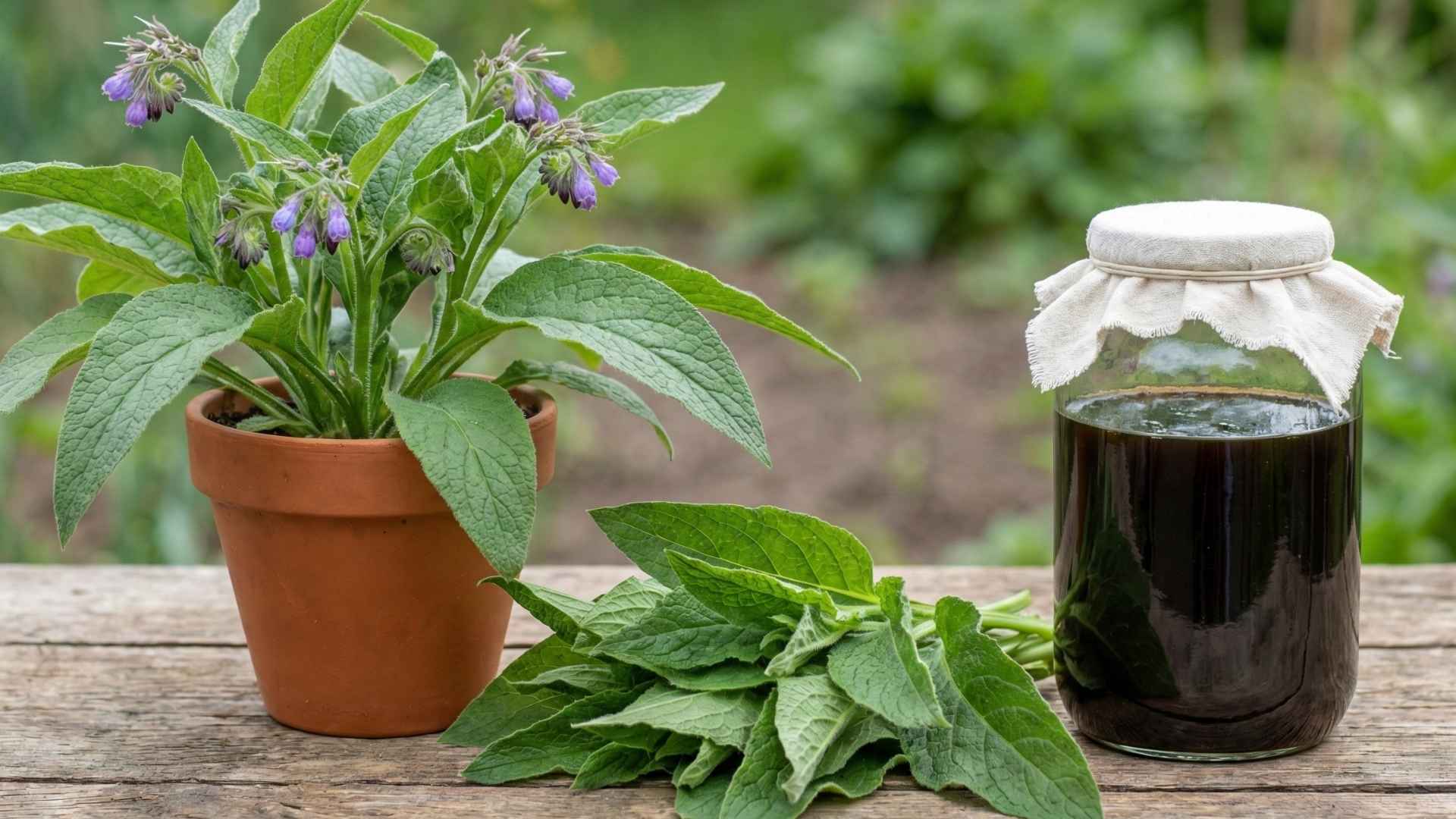
- Plant Pals: Consider plants like comfrey or legumes, which are known to aid in nutrient cycling.
FAQs about Natural Potassium Sources in the Garden
-
How often should I apply banana peel tea?
- Ideally, use banana peel tea every two to four weeks, depending on plant needs and growth stage.
-
Can I use both wood ash and coffee grounds in my garden?
- Yes, but apply them cautiously to avoid altering pH levels excessively.
-
Will composting speed be affected if I add a lot of potassium-rich scraps?
- No, but ensure you maintain a balance of brown and green materials in your compost to aid decomposition.
-
Is there any plant that doesn't benefit from potassium fertilizers?
- Most plants benefit, but always research specific needs for delicate plants in your garden.
-
Can I simply bury kitchen scraps in my garden instead of composting them?
- Yes, you can trench compost, but it should be done away from plant roots to prevent attracting pests.
-
Is there a risk of over-fertilization with natural potassium sources?
- Natural sources are less likely to cause over-fertilization, but it's a good idea to test soil if you're concerned.
-
Should I wash banana peels before using them in my garden?
- Yes, washing helps remove any pesticide residue that might have been on the peel.
-
How can I know if my soil's potassium levels are now adequate?
- Soil testing is the best way to measure potassium levels accurately.
-
Does the type of wood used for ash make a difference in nutrient content?
- Yes, hard woods generally contain more nutrients compared to soft woods.
-
Can I apply potassium-rich fertilizers during any season?
- They are most effective during the growing season when plants are metabolically active.
Discussion (0)
No comments yet. Be the first to start the conversation!
Leave a Reply