The Tale of the Forgotten Garden
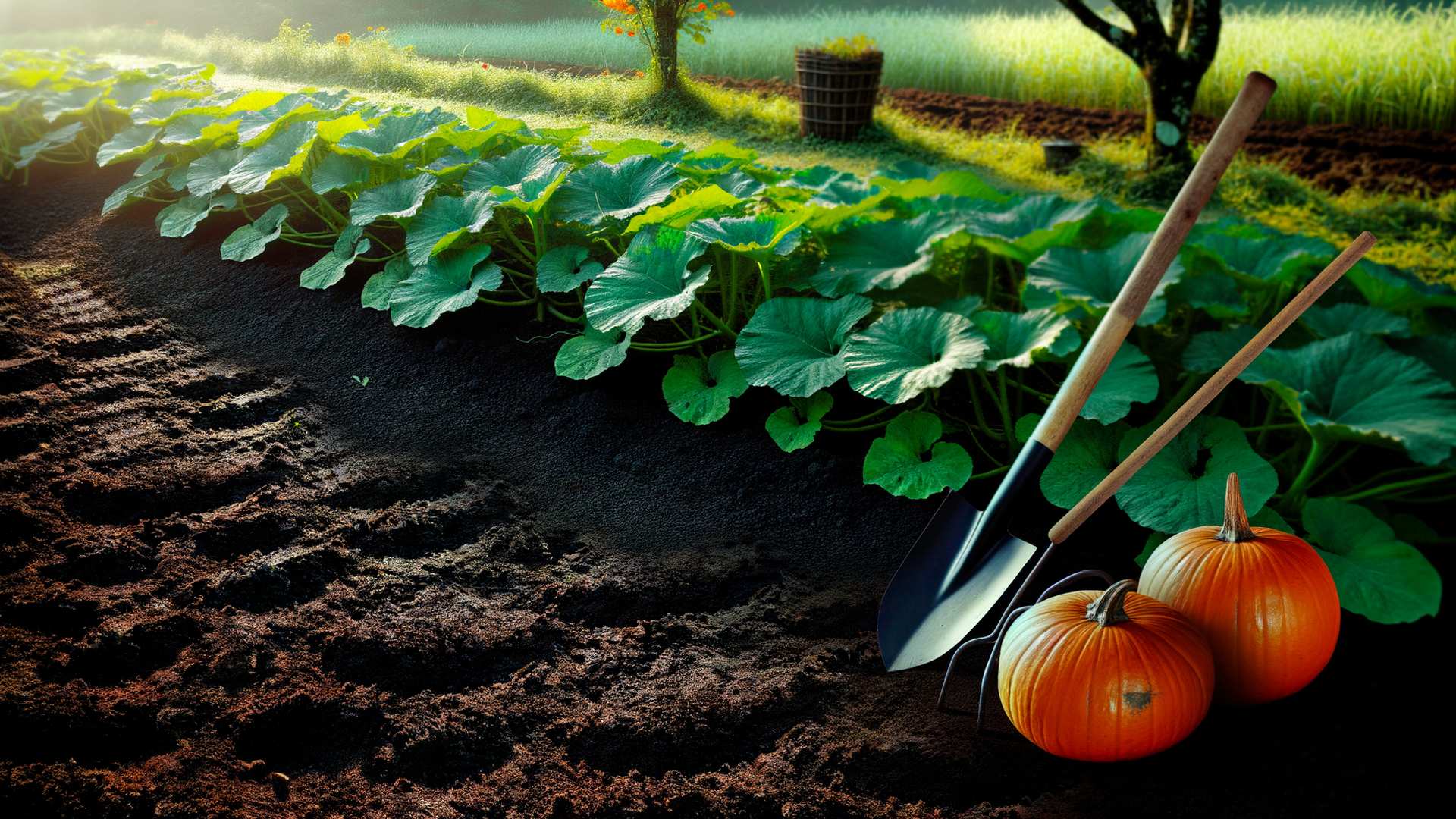
Years ago, I stumbled upon a neglected corner of my grandfather's old farmstead. It was overgrown with wild grasses and brambles, the soil seemed lifeless, and the memory of the thriving garden it once held had faded into whispers on the wind. My grandfather, a man of the earth, had called this patch his "Pumpkin Haven." Here, he grew pumpkins that were the envy of the town, colossal globes that morphed from vibrant green to a resplendent orange each autumn.
With a sense of duty and curiosity, I set out to resurrect this piece of family history. As someone who has always found solace in the rustling of leaves and the scent of fertile earth, I felt an emotional tug to return this neglected soil to its former glory. And so began my journey into mastering the art of pumpkin patches, discovering the perfect balance between nature's gifts and human toil. This guide is born from that journey, a pathway to help you craft your own pumpkin tale, beginning with the very essence of gardening: soil preparation.
Understanding Pumpkin Needs
The Pumpkin's Diet
Pumpkins are heavy feeders, requiring nutrient-rich soil to support their sprawling vines and hefty fruit. Their roots seek out essential nutrients such as nitrogen, phosphorous, and potassium, the holy trinity of plant growth, alongside other micronutrients like calcium and magnesium.
Space and Sunlight
Ample sunlight is a non-negotiable for pumpkin growth; they crave long, sunny days. Ideally, your pumpkin patch should receive at least six to eight hours of direct sunlight. Couple this with sufficient space; pumpkins are notorious for their wandering vines and far-reaching roots.
Water Wisdom
Consistent watering is critical. Pumpkins require about one inch of water per week, but the roots must not remain waterlogged—striking the right balance is key.
Soil and Its Secrets
Assessing Your Soil
Before planting a single seed, assess your soil's current state. A soil test kit can spell out the levels of essential nutrients and pH balance.
-
pH Levels: Pumpkins prefer a slightly acidic to neutral pH level, between 6.0 and 7.5.
-
Soil Composition: If your soil leans towards being heavy clay or sand, amendments will be necessary to achieve the desired loamy texture.
Improving Soil Quality
-
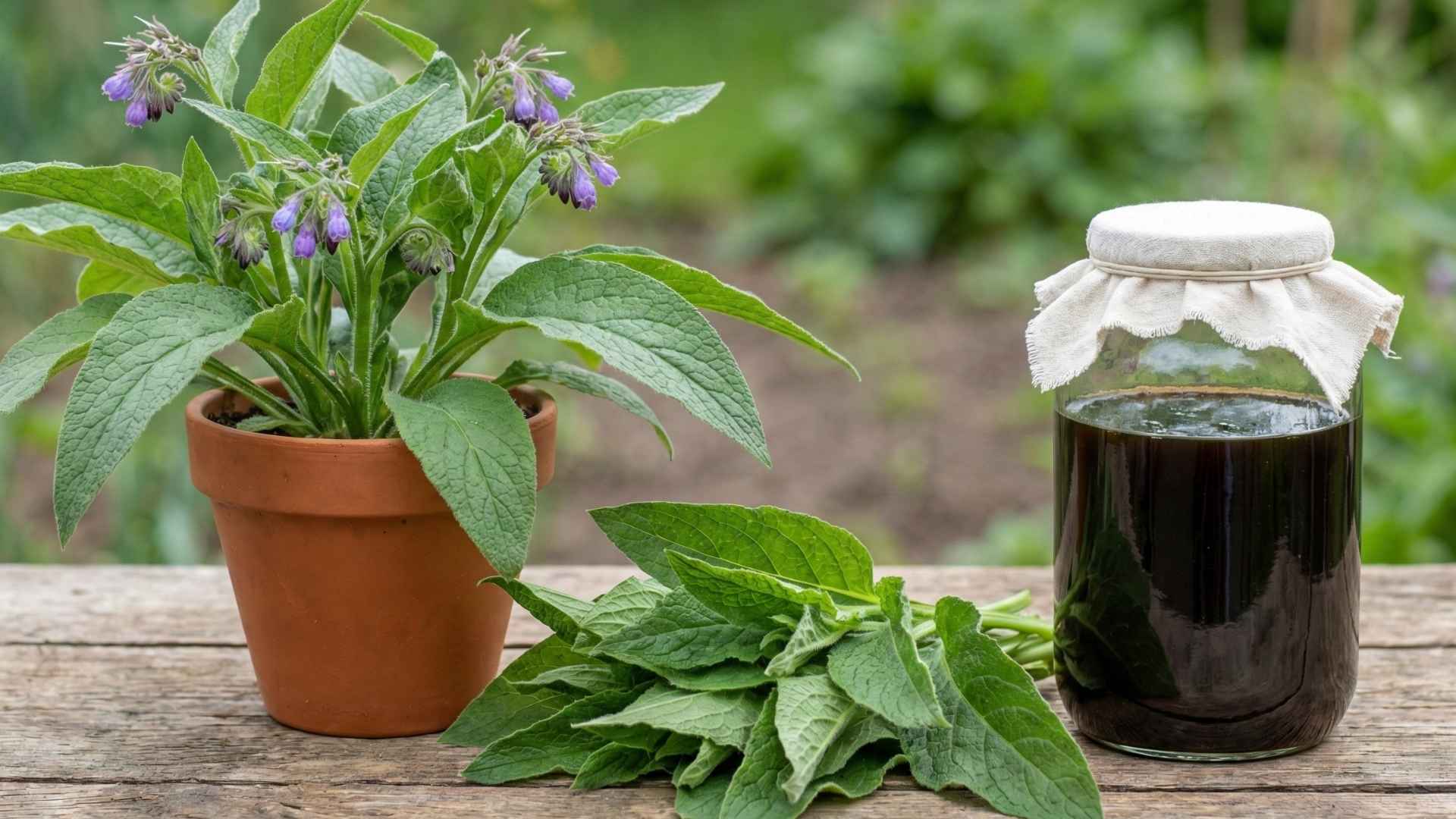
Composting: Rich, organic compost can transform tired soil into a nutrient-rich oasis. Homemade compost, cultivated from kitchen scraps and yard waste, will introduce a plethora of nutrients.
-
Manure Magic: Well-rotted manure is an excellent soil conditioner, offering a slow release of nutrients.
-
Green Manures: Planting cover crops during the fallow months can effectively add nutrients back into the soil; clover and vetch are excellent choices.
-
Mulching: Applying a thick layer of organic mulch helps retain moisture, regulate temperature, and gradually improve soil quality.
Planting Your Seeds
Timing is Everything
Plan to plant when the danger of frost has passed, as pumpkins are frost-sensitive. In most regions, this means waiting until late May or early June.
Seed Selection
Choose seeds that suit your needs—whether you desire a bounty of small sugar pumpkins for pies or massive gourds for Halloween carving.
The Planting Process
-
Soil Mounds: Plant seeds in small hills as it improves drainage and heat absorption, which benefits those tender seedlings.
-
Spacing: Ensure sufficient space between mounds; for larger pumpkin varieties, rows should be spaced at least 8-12 feet apart.
Cultivating Healthy Growth
Regular Maintenance
-
Weeding: Keep the soil clear of competing weeds to prevent them from stealing nutrients.
-
Support Systems: Consider trellising smaller pumpkin varieties to save space and protect fruit from pests and diseases.
-
Pest Patrol: Keep an eye out for common enemies like squash bugs and vine borers; natural remedies include neem oil and introducing beneficial insects like ladybugs.
Fertilizing Strategies
-
Initial Boost: At planting, mix in a balanced 10-10-10 fertilizer in moderation to provide a nourishing start.
-
Mid-Season Feeding: As flowers and fruit develop, switch to a formula higher in phosphorus and potassium to encourage fruiting and strengthen plants.
Harvesting and Storing
Recognizing Ripeness
Pumpkins are ready for harvest when they achieve a deep, solid color and sound hollow when tapped. The skin should be hard; if you can't pierce it with a fingernail, it's ready.
Proper Harvesting Techniques
Use a sharp knife or pruning shears to cut the pumpkin off the vine, leaving a sturdy 3-4 inch stem attached to prolong storage life.
Storage Solutions
Cure pumpkins in the sun for about 10 days before storing them in a cool, dry place. They can last for several months.
Troubleshooting Common Issues
Dealing with Disease
-
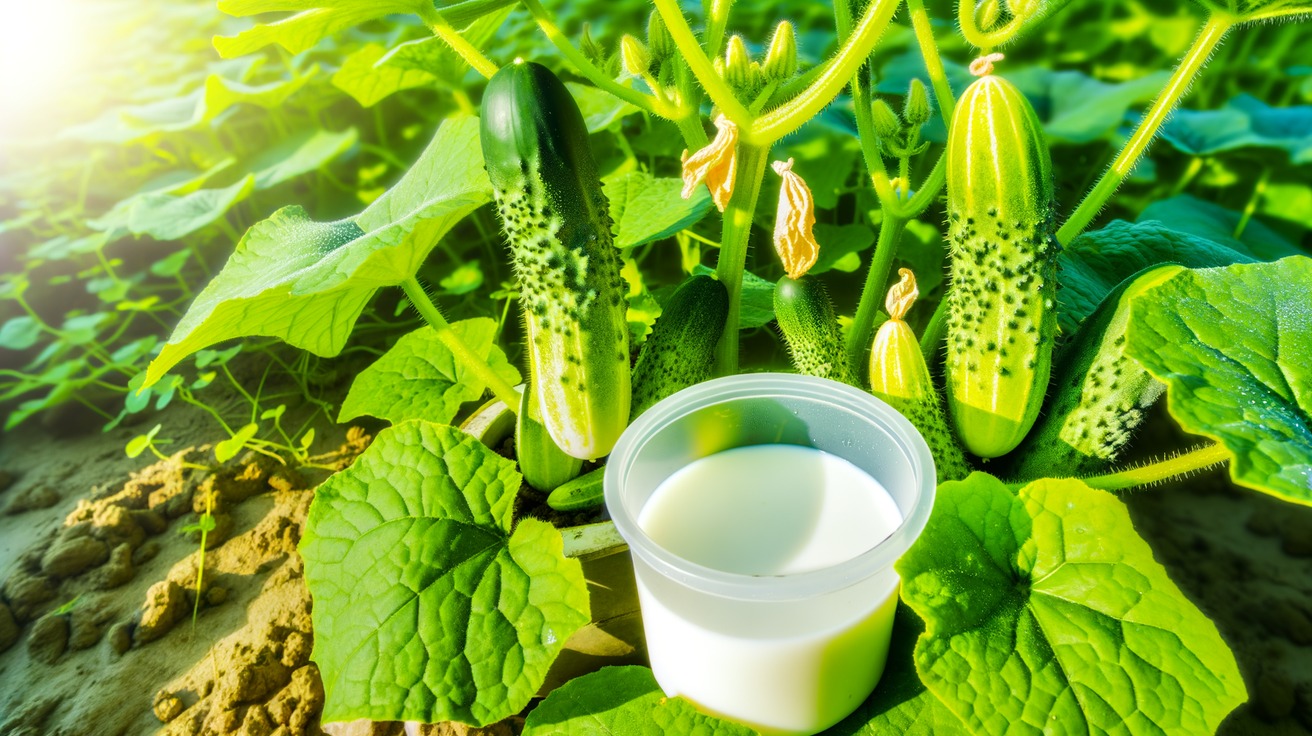
Powdery Mildew: Common during humid conditions, it can be managed with sulfur dusting or milk sprays.
-
Root Rot: Ensure proper drainage to prevent waterlogged soil, and remove diseased plants promptly.
Environmental Challenges
Excessive rain, drought, or unexpected frost can affect your pumpkin patch. In difficult weather, be proactive—cover plants during cold spells and ensure adequate watering during dry periods.
Frequently Asked Questions
1. How often should I test my soil?
Ideally, test your soil annually, prior to the planting season.
2. Can pumpkins grow in containers?
Yes, smaller varieties can thrive in large containers with sufficient soil volume (around 15-20 gallons).
3. What can I do to prevent powdery mildew?
Ensure good air circulation and avoid watering leaves during cool, humid evenings.
4. How do I control squash bugs?
Use floating row covers early in the season and hand-pick any visible bugs regularly.
5. What is the best way to propagate pumpkins?
It's easiest to grow pumpkins from seeds, directly sown into prepared mounds in your garden.
6. How long do pumpkins take to grow?
Most take between 90-120 days from planting to harvest, depending on the variety.
7. Why are my pumpkin vines producing flowers but no fruit?
This could be due to poor pollination; encourage bees and manual pollination if necessary.
8. What can I do to encourage bigger pumpkins?
Regular feeding with a high potassium fertilizer and ensuring plenty of space and water can help.
9. Can I use kitchen scraps directly as fertilizer for pumpkins?
Composting kitchen scraps first is advisable to avoid pests and ensure proper nutrient availability.
10. What's the secret to giant pumpkins?
In addition to good soil and growing conditions, selecting a giant variety and consistent watering and feeding are key.
Discussion (0)
No comments yet. Be the first to start the conversation!
Leave a Reply