Master Your Garden: Ultimate Guide to Identifying Pests Fast
Gardening is a journey where one nurtures life, encourages growth, and reaps the rewards of vibrant blooms and abundant harvests. Yet, on this path lie uninvited guests—pests—that can disrupt the harmony of your garden oasis. To maintain control and ensure the flourishing of your green space, pests must be identified swiftly and accurately. This guide is your trusted companion to mastering the art of pest identification with the precision and speed akin to a seasoned detective.
Understanding the Importance of Pest Identification
In the world of gardening, misunderstanding a friend for a foe or vice versa can lead to dire consequences. Identifying pests rapidly allows for timely and effective interventions, safeguarding your plants from potential destruction. Here’s how pest recognition can transform your gardening experience:
- Healthier Plants: Early identification leads to prompt action, minimizing damage and reducing stress on plants.
- Environmentally Friendly: Identifying the pest correctly allows for targeted solutions, often reducing the need for broad-spectrum pesticides.
- Effective Pest Management: Understanding the life cycle and behavior of pests leads to more effective control methods.
- Cost Efficiency: Early intervention can prevent large-scale damage, saving money on replacements and extensive treatments.
- Peace of Mind: With knowledge comes confidence, and with confidence comes a garden brimming with vitality.
Pests: The Usual Suspects
Each garden is a microcosm with its own ecosystem, inviting a diverse cast of characters. Some are harmless visitors, while others are the culprits behind devouring leaves, sucking life from stems, or spreading disease. Let's meet these frequent troublemakers:
Aphids: The Sap Suckers
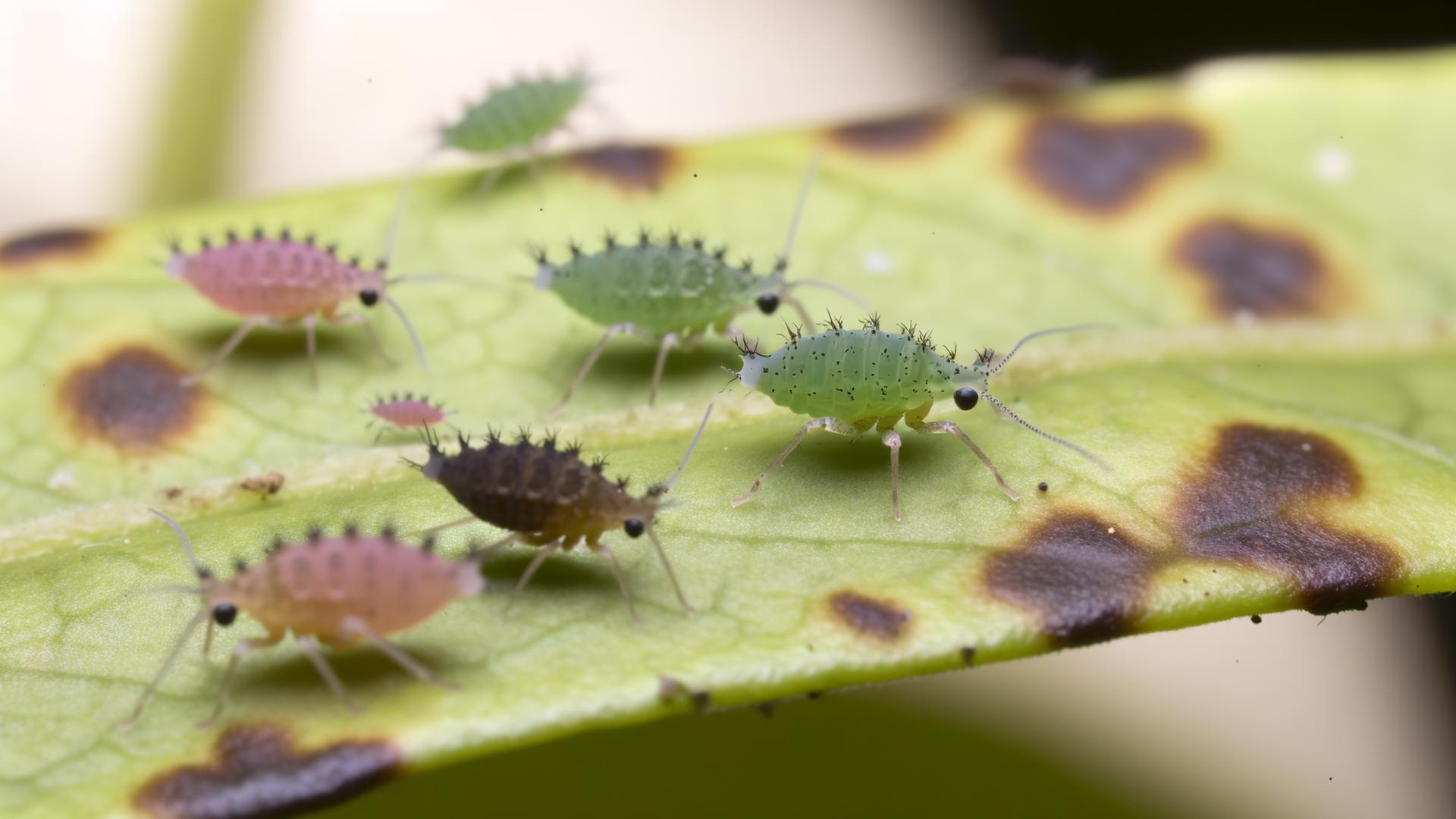
Tiny, soft-bodied insects that are often found in clusters, aphids come in an array of colors including green, black, brown, and pink. Though small, they can cause significant damage by sucking out plant juices, leading to distorted leaves and stunted growth. Aphids are also notorious for transmitting plant viruses and excreting sticky honeydew, which attracts sooty mold.
Caterpillars: The Voracious Feeders
Caterpillars are the larvae of moths and butterflies and are easily recognized by their segmented, worm-like bodies. These hungry little creatures can defoliate plants quickly, leaving only stems and leaf veins behind. While fascinating in transformation, when uncontrolled, caterpillars can wreak havoc in a garden, especially vegetable patches.
Whiteflies: The Clingy Commuters
These tiny, winged insects look like miniature moths and are often found on the undersides of leaves. Whiteflies feed on plant sap, leading to yellowing leaves and stunted growth. Like aphids, they excrete honeydew, encouraging the growth of mold and attracting ants. Whiteflies are especially problematic in warm climates or greenhouses.
Slugs and Snails: The Silent Munchers
These nocturnal nuisances leave tell-tale trails of slime as they move, feeding on tender leaves, seedlings, and fruits. Slugs and snails can be particularly destructive in damp conditions, and though slow-moving, their impact on a garden can be swift and severe.
Spider Mites: The Tiny Terrors
Barely visible to the naked eye, spider mites are tiny pests that cluster on the underside of leaves. They feed by piercing plant cells and sucking out the contents, causing a stippled discoloration. A severe infestation produces fine webbing on plants and can lead to leaf drop if not addressed promptly.
Japanese Beetles: The Gleaming Gluttons
Beautiful yet deadly to your garden, Japanese beetles are metallic green with copper-brown wing covers. They feed on plant leaves, flowers, and fruits, often skeletonizing leaves by devouring the tissue between the veins. These beetles are most active in the warm, sunny parts of the day.
Leaf Miners: The Covert Intruders
Leaf miners are not a specific type of insect but rather a group including the larvae of moths, beetles, and flies. They tunnel their way through the inside of leaves, leaving conspicuous trails or blotches that indicate their destructive path.
Scale Insects: The Armored Invaders
Often mistaken for disease due to their static lifestyle and scaly appearance, scale insects can be hard to identify. These pests attach themselves to stems, leaves, and fruit, sucking plant juices and causing weakness or death if untreated.
Thrips: The Stealthy Strippers
Thrips are tiny, slender insects with fringed wings that are difficult to see due to their minute size. They feed by puncturing plant cells and sucking out the contents, leading to unsightly silvery streaks or patches on leaves.
Mealybugs: The Cotton Ball Culprits
Easily recognized by their white, cottony appearance, mealybugs are soft-bodied insects that feed on plant juices, causing wilting and stunted growth. They often harbor in leaf nodes and on stems, producing honeydew that attracts more problems to your plants.
Tools of the Trade
To effectively tackle pest identification, a gardener must be equipped with the right tools. These essentials will empower you to become a more observant and informed gardener:
- Magnifying Glass or Hand Lens: Many pests are small and hard to see with the naked eye. Magnification can reveal their defining features.
- Insect Identification Guides: A guidebook specific to your region's insects can be invaluable for on-the-spot identification.
- Camera or Smartphone: Capturing high-quality images of pests and the damage they cause can be useful for later identification and consultations.
- Notebook: Journal observations, track pest appearances, and note weather conditions that might influence pest behavior.
- Diagnostic Apps: Several apps can assist in identifying insect pests through photos and descriptions.
Best Practices for Quick Identification
Mastering the art of pest identification hinges on a mix of knowledge, keen observation, and intuition. Here are proven practices to hone your skills:
Observe Regularly
Frequent inspections are vital. Walk through your garden every few days, paying close attention to leaf surfaces, stems, and the undersides of leaves where pests often hide. Early detection is the cornerstone of effective pest management.
Note the Symptoms
Each pest brings its signature of destruction—leaf curling, webbing, holes, or discoloration. Document these signs, as they provide critical clues for identification. Comparing symptoms with images from guides can narrow down the list of suspects.
Check Changes in Plant Health
Sudden changes, like drooping or yellowing leaves, often indicate a problem. These changes, when coinciding with droppings, webbing, or odd textures, can confirm pest activity.
Identify the Life Stage
Many pests look different at various stages of their lifecycle. Familiarize yourself with the egg, larval, pupal, and adult stages of common garden pests for easier recognition throughout the seasons.
Consult Local Resources
Local agricultural extensions, gardening clubs, and online forums can be invaluable resources for pest identification in your specific area. They can offer insights into current pest trends and tips from fellow gardeners.
Quick Diagnostic Guide
Each pest leaves behind certain ‘fingerprints’ that can serve as a guide for identification:
- Curling Leaves: Often associated with aphids or spider mites.
- Webbing: Look for spider mites or caterpillars.
- Yellowing Leaves: Could signal a whitefly infestation or nutrient deficiency.
- Slime Trails: Suggest the presence of slugs or snails.
- Skeletonized Leaves: Indicative of Japanese beetles or leaf miner activity.
- Cottony Residues: Points to mealybugs.
- Blotchy or Streaky Discoloration: Fits thrips or leaf miners.
- Sticky Residues: Honeydew from aphids, whiteflies, or mealybugs.
Implementing Control Methods
Successfully identifying pests is only the beginning; the next step is choosing the most effective control methods. While chemical options are available, integrated pest management (IPM) emphasizes balanced and sustainable approaches.
Cultural Controls
- Companion Planting: Certain plants naturally repel pests. Marigolds, for instance, deter nematodes and other pests.
- Crop Rotation: Changing the location of certain plants yearly can prevent pests from settling.
- Sanitation: Remove and destroy any diseased or infested plants to prevent the spread of pests.
- Proper Watering and Fertilization: Healthy plants are more resilient against pest invasions.
Mechanical Controls
- Hand Picking: Manually remove larger pests, like caterpillars and beetles.
- Traps: Use traps for monitoring and capturing pests such as slugs or larger insects.
- Barriers: Floating row covers can protect crops from insects while allowing light and water to penetrate.
Biological Controls
- Predatory Insects: Release beneficial insects, such as ladybugs or predatory wasps, that feast on harmful pests.
- Nematodes: Introduce beneficial nematodes to control soil-borne pests like grubs.
- Pathogens: Use microbial pesticides like Bacillus thuringiensis (Bt) to target caterpillar pests.
Chemical Controls
- Insecticidal Soaps and Oils: These can effectively control soft-bodied insects like aphids and spider mites when applied properly.
- Neem Oil: Derived from the neem tree, neem oil works as a repellent, disruptor of feeding, and growth inhibitor.
- Last Resort Pesticides: Use broader pesticides only as a last resort, selecting ones that target specific pests to minimize environmental impact.
Frequently Asked Questions (FAQs)
-
How can I tell if a plant is infested with pests?
- Look for changes in plant health, such as yellowing, wilting, or deformed leaves. Also, inspect for visible insects, webbing, holes, or sticky residues.
-
What signs can differentiate pest damage from other plant issues like diseases or nutrient deficiencies?
- Pest damage often shows distinct patterns like holes, chew marks, webbing, or trails, unlike diseases or deficiencies which often manifest as uniform discoloration or spots.
-
How often should I check my garden for pests?
- Ideally, inspect your garden every few days, especially during peak growing seasons, as quick detection can prevent widespread infestations.
-
Can I control pests without using chemicals?
- Yes, through cultural, mechanical, and biological methods such as companion planting, hand picking, and introducing beneficial insects.
-
Are there any apps for pest identification?
- Yes, numerous apps can assist in pest identification, including options that allow you to upload photos for analysis.
-
How can I prevent future infestations?
- Practice good garden hygiene, rotate crops, use companion planting, and maintain healthy soil to naturally deter pests.
-
What role do beneficial insects play in pest management?
- They are natural predators of pests, helping to control pest populations without harming plants or the environment.
-
How can I attract beneficial insects to my garden?
- Plant a variety of flowering plants that offer nectar and pollen, such as marigolds, dill, and lavender.
-
Should I always destroy plants that are infested by pests?
- Not necessarily. Assess the level of infestation; small or manageable pests can often be controlled without removing plants.
-
Can pests build resistance to control measures?
- Yes, especially to chemical control methods. Rotate treatments and integrate multiple pest management strategies to minimize resistance.
Discussion (0)
No comments yet. Be the first to start the conversation!
Leave a Reply