Master Tomato Pruning: The Ultimate Guide for Bountiful Harvests!
A Personal Journey
There's something undeniably nostalgic about the smell of fresh tomatoes newly plucked from the vine. It takes me back to my childhood summers spent at my grandmother's countryside home, where her garden was a lush paradise of red, green, and yellow hues. I still recall those sun-drenched afternoons, exploring the garden while she taught me the art of tomato pruning. Her hands, though worn with age, moved deftly through the green foliage as she imparted her wisdom. Her secret to a bountiful harvest was simple yet profound: pruning.
Back then, I didn't fully grasp why trimming plants could enhance their growth. I sometimes wondered if the plants felt sad at losing their parts, almost viewing them as tiny amputations. But each year, when the harvest came, it was clear her methods yielded results. The joy I felt sinking my teeth into a sun-ripened tomato, its juices running down my chin, cemented my love for gardening. Now, as a seasoned gardener, I've returned to this cherished tradition and am excited to share the art and science of tomato pruning with you.
Why Prune Tomatoes?
Understanding Plant Growth
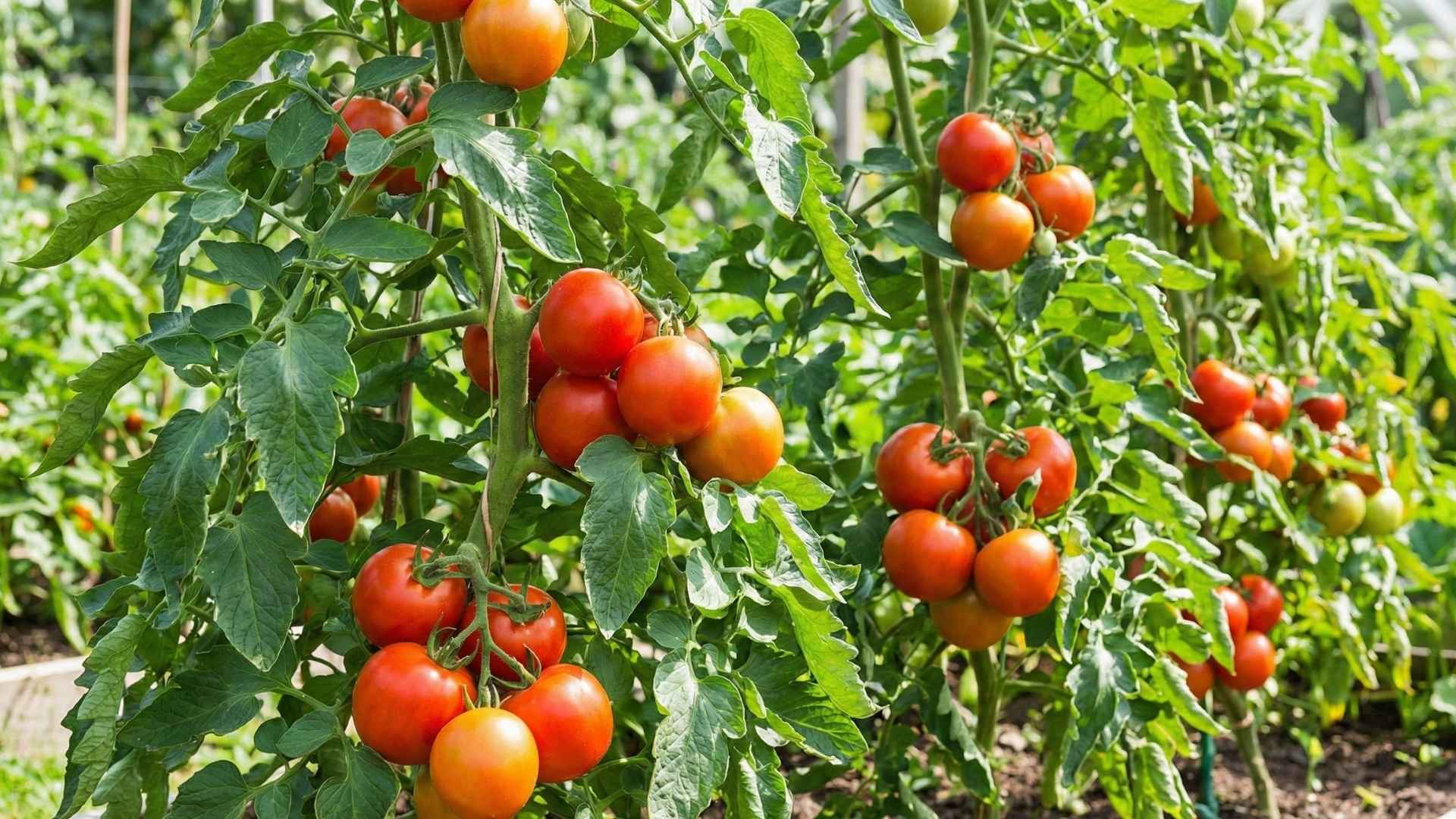
To master tomato pruning, it's crucial to understand how tomatoes grow. Tomato plants have two main growth styles: determinate and indeterminate. Determinate tomatoes are bush-type plants that grow to a set height and produce a single harvest. In contrast, indeterminate tomatoes continue to grow vertically and produce fruit throughout the growing season.
Pruning is primarily beneficial for indeterminate varieties because it directs the plant's energy from producing more foliage to developing large, flavorful fruits. By managing the plant's structure, pruning enhances air circulation, minimizes disease risk, and helps nourish larger, more plentiful tomatoes.
The Science Behind Pruning
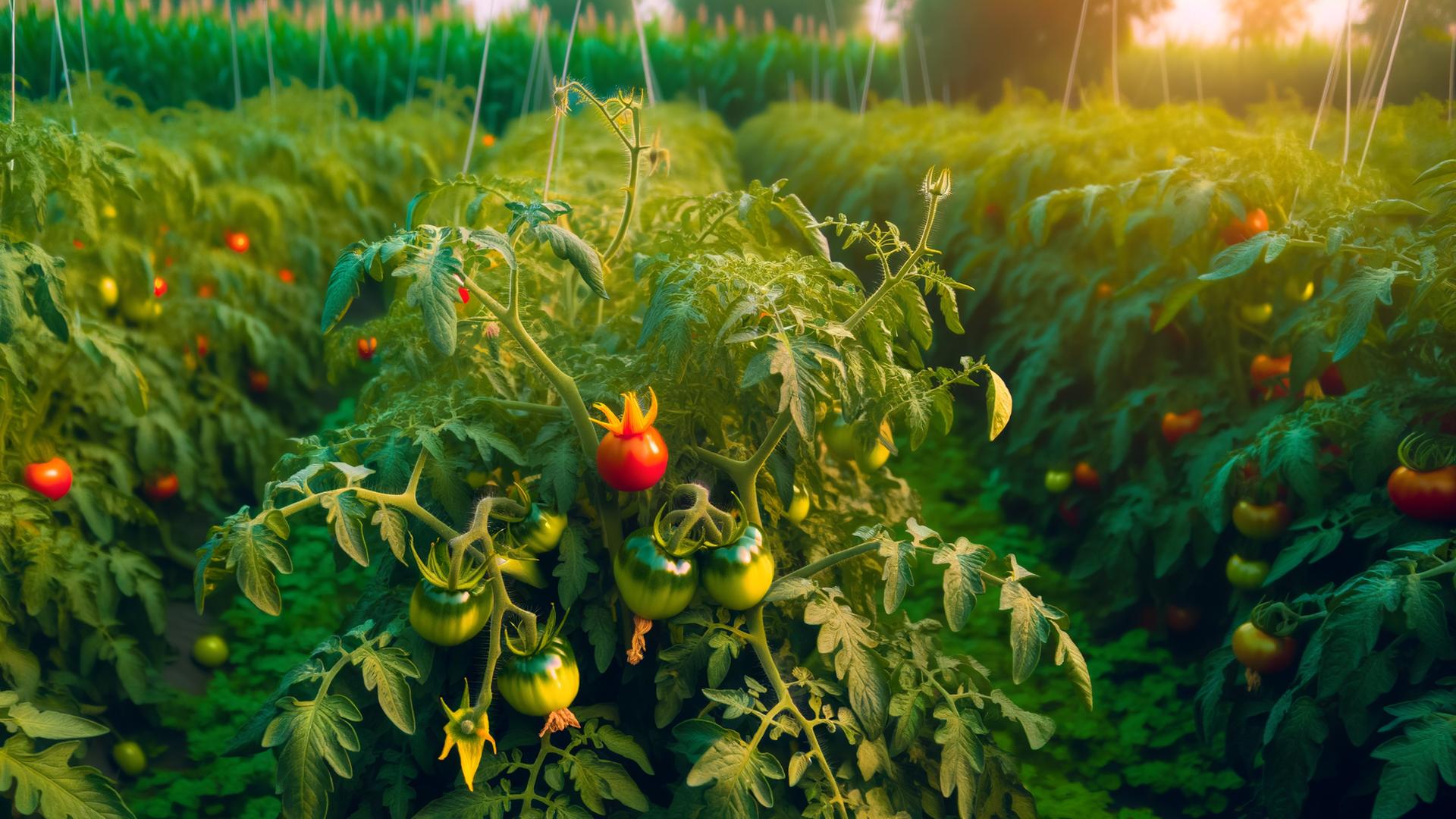
When a tomato plant isn't pruned, it can become an exuberant jungle of leaves, stems, and small fruits. Pruning involves removing non-essential parts of the plant, such as suckers—those extra shoots that form between the main stem and branches. These parts consume energy that could otherwise nourish fruit, so their removal is vital. Think of it as reallocating the plant's energy into growing juicier, more robust tomatoes.
Types of Pruning
Removing Suckers
Suckers are the primary target in pruning. These growths appear in the axil or crotch between leaf stems (called petioles) and the main stem. While some gardeners advocate for leaving a few suckers for added foliage, others prefer removing all but the most essential ones for sunlight exposure and growth management.
Leaf Pruning
Another approach is leaf pruning, removing certain leaves to prevent disease and improve airflow. Leaves shaded by upper foliage or those touching the ground should be pruned as they can harbor diseases like blight. This enhances sun exposure to the ripening fruit and increases photosynthesis efficiency.
Top Pruning
Toward the end of the growing season—typically a month before the first expected frost—top pruning is beneficial. By cutting back the top of the plant, you can focus the energy on ripening the existing fruits rather than supporting additional growth.
Tools of the Trade
Essential Pruning Toolkit
To prune efficiently, the right tools are essential. A sharp pair of pruning shears or snips ensures clean cuts, which are vital for plant health and recovery. Keeping tools sanitized is equally important to prevent spreading diseases across plants. Additionally, wearing gardening gloves can protect your hands and provide a better grip.
Step-by-Step Pruning Process
Step 1: Inspect Your Plant
Before starting, take a few moments to inspect your plant. Identify suckers, consider which leaves might be candidates for removal, and ensure no signs of disease are present.
Step 2: Remove Suckers
Start with the lower part of the plant and work your way upwards. Gently pinch or cut the suckers between your fingers or use your pruning shears for thicker shoots. Be mindful to avoid damaging the main stem.
Step 3: Prune Leaves for Health
Clip away any leaves that are discolored, diseased, or growing too close to the ground. This reduces the spread of disease and improves airflow.
Step 4: Manage Growth with Top Pruning
For indeterminate tomatoes nearing the end of their season, clip the top of the plant. This stunts new growth and redirects energy to ripening tomatoes. Make sure to leave at least a few sets of leaves to continue providing support for photosynthesis.
Common Pruning Mistakes
Over-pruning
A common mistake is over-pruning, which can strip the plant of too many leaves, reducing photosynthesis and leading to poor fruiting. Always strive to maintain a balance.
Ignoring Tools Hygiene
Failing to sterilize pruning tools between cuts can spread diseases. A simple solution is to dip tools in a disinfectant, such as rubbing alcohol, between uses on different plants.
Frequently Asked Questions
What are suckers on a tomato plant?
Suckers are additional shoots that develop in the axils of leaves. They consume energy that could otherwise be directed towards fruit production and are often removed during pruning.
Should I prune my determinate tomato plants?
While determinate tomatoes require less pruning, selectively removing a few suckers or leaves can still benefit them, particularly for allowing sunlight to reach the fruits.
How often should I prune my tomato plants?
Regular inspection and light pruning every 1-2 weeks help maintain plant health and optimize fruit growth. The frequency depends on your plant's growth rate and environmental conditions.
Can pruning help prevent tomato plant diseases?
Yes. Pruning improves air circulation, reducing the likelihood of fungal diseases. Removing diseased leaves prevents the spread to healthy parts of the plant.
Is it okay to prune tomato plants in hot weather?
Yes, but it's best to prune during cooler parts of the day, such as morning or late afternoon, to reduce stress on the plants.
How do I know if I'm over-pruning?
If many leaves are removed and the plant appears sparse, it's likely over-pruned. Maintain a balance, ensuring enough leaves remain for energy production through photosynthesis.
What should I do with removed suckers?
You can compost them or, if healthy, plant the largest suckers in soil. They can quickly develop into a new tomato plant.
Can I top-prune my plant mid-season?
Top-pruning is best done near the season's end to focus energy on ripening fruit. Mid-season, prioritize sucker and leaf pruning to manage growth.
Is top-pruning necessary for all tomato plants?
No, it's generally recommended for indeterminate varieties close to the season's end, ensuring full ripeness of existing tomatoes.
How can I sanitize my pruning tools?
You can dip your tools in rubbing alcohol or a solution of 1 part bleach to 9 parts water to keep them sanitized and prevent plant disease transmission.
Discussion (0)
No comments yet. Be the first to start the conversation!
Leave a Reply