Master Tomato Growing: Your Ultimate Guide to Timing and Stages!
There's a special kind of magic in growing tomatoes. This juicy, red fruit (yes, fruit!) holds the heart of the garden, everyone eagerly awaiting its arrival from seed to sumptuous plate. Whether you've been blessed with garden greatness or are just starting out, mastering tomato growing is a rite of passage. But to succeed, understanding the timing and stages of growth is essential. Let's delve into this botanical journey together!
The Journey Begins: Tomato Seeds and Seedlings
Choosing the Right Seed
The first step on your tomato-growing adventure is choosing the right variety that suits your palate and climate. There are countless types—beefsteak, cherry, heirloom, Roma, and the like, each with its unique flavor, shape, and color. But more crucially, consider your environment. Do you live in a cooler climate? Then you'll want to opt for a tomato variety with a shorter growing season or perhaps determinate varieties that mature earlier.
The Joyful Art of Sowing
Start your seeds indoors about 6-8 weeks before your last expected frost date. This timing allows your seedlings to become robust enough before they brave the outdoors. Fill seed trays or small pots with a fine seed starting mix. Sow the seeds about 1/4 inch deep and water gently.
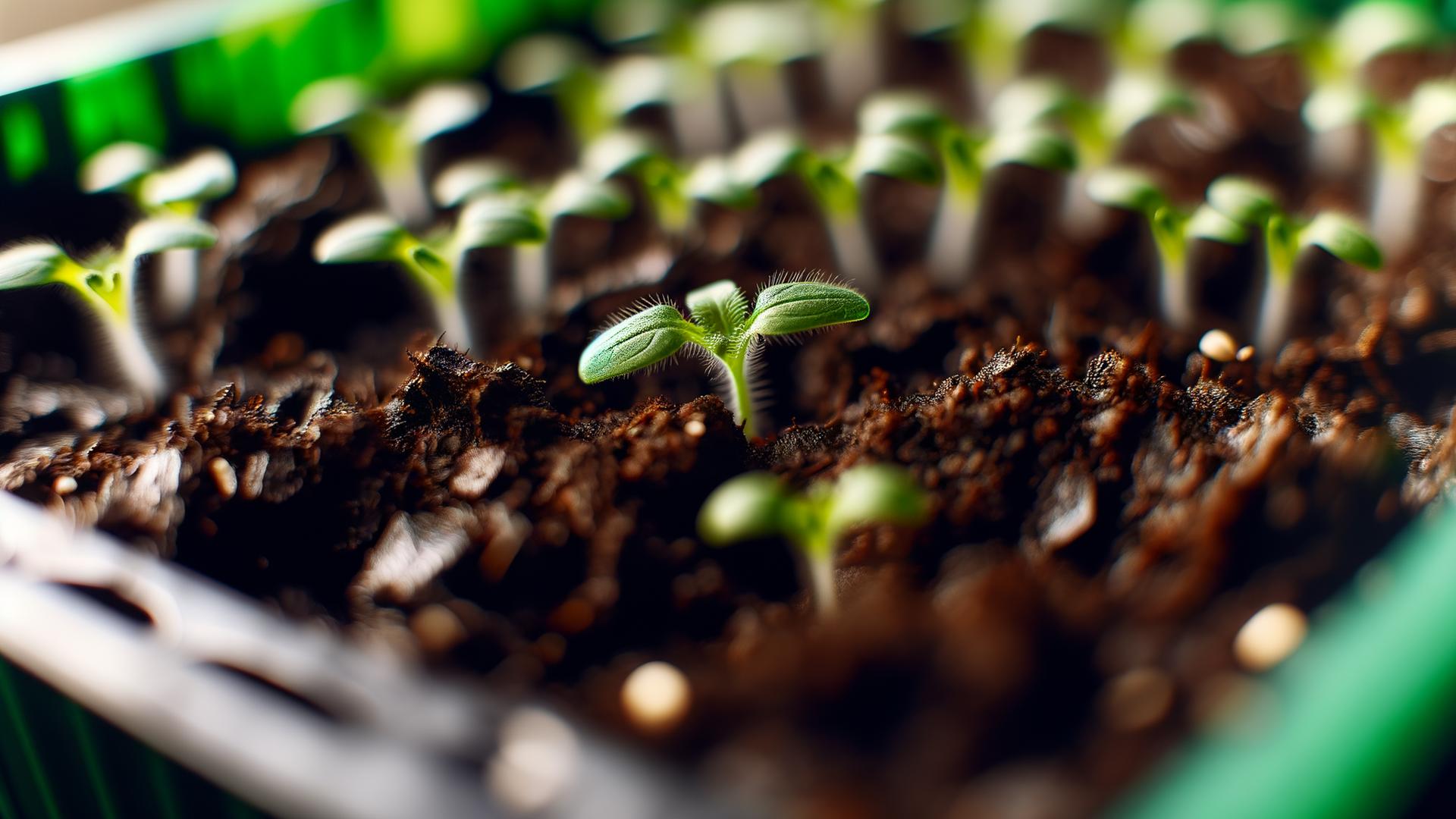
Maintaining a warm environment (around 70-80°F) is key to encouraging germination. If your space is cooler, consider using a heat mat under your trays. Within 5 to 10 days, you'll witness the first green sprouts peeking through the soil—the cotyledons. These are not true leaves but initiate the life cycle of your plant.
Nurturing Seedlings into Transplants
First True Leaves and Thinning
Once the cotyledons emerge, it’s time for the seedlings to showcase their first true leaves. This crucial stage marks their transition toward adulthood. As these leaves unfurl, it's a fine opportunity to thin out the weaker seedlings to give the stronger ones room to flourish. Keep only the sturdiest plant in each pot or cell.
Harden Them Off
Before transplanting outside, harden off your seedlings. Over about a week, gradually introduce them to outdoor conditions to minimize transplant shock. Start with a few hours of morning sun and slowly extend their outdoor time. This step is vital for their resilience.
Planting Outdoors: The Great Move
Timing Your Transplant
Once the last frost has safely passed and nightly temperatures consistently maintain around 50°F, it’s time for the great migration. Generally, this means late spring to early summer for many regions.
Preparation and Planting
Choose a sunny spot with well-draining soil. Tomatoes are sun-worshipers, requiring 6 to 8 hours of direct sun daily. Prioritize soil richness and nutrients, perhaps incorporating compost or well-rotted manure to boost fertility.
Plant the seedlings deeper than they were in their pots, burying part of the stem. This encourages root development along the submerged section, strengthening the plant. Space them about 18-36 inches apart, allowing ample room for growth. Indeterminate varieties need more distance owing to their vining nature compared to their determinate cousins.
The Growth Stages: From Blooms to Bounty
The Bud Phase
Tomato buds appear as the plants grow robust. This stage is vital as it sets the foundation for your eventual yield. Adequate watering (about 2 inches per week) and balanced fertilization are key. At this stage, it's wise to use a fertilizer with a higher phosphate content to encourage blooming.
Blossoms and Pollination
As the blossoms emerge, you're nearing the threshold of a fruitful harvest. Pollination is crucial here. While tomato plants are self-pollinating, a little assistance could boost your results. Gently shaking the plant or employing a small oscillating fan can help with pollen movement.
Fruit Set and Growth
Post-pollination, you'll spot tiny green tomatoes forming. At this growth juncture, regular watering becomes essential but avoid saturating them, which could encourage root rot.
Introduce a fertilizer richer in potassium to support fruit development. Proper staking or caging is critical to support the plants as they burgeon with tomatoes. This avoids soil contact, reducing disease risks.
The Ripening Process
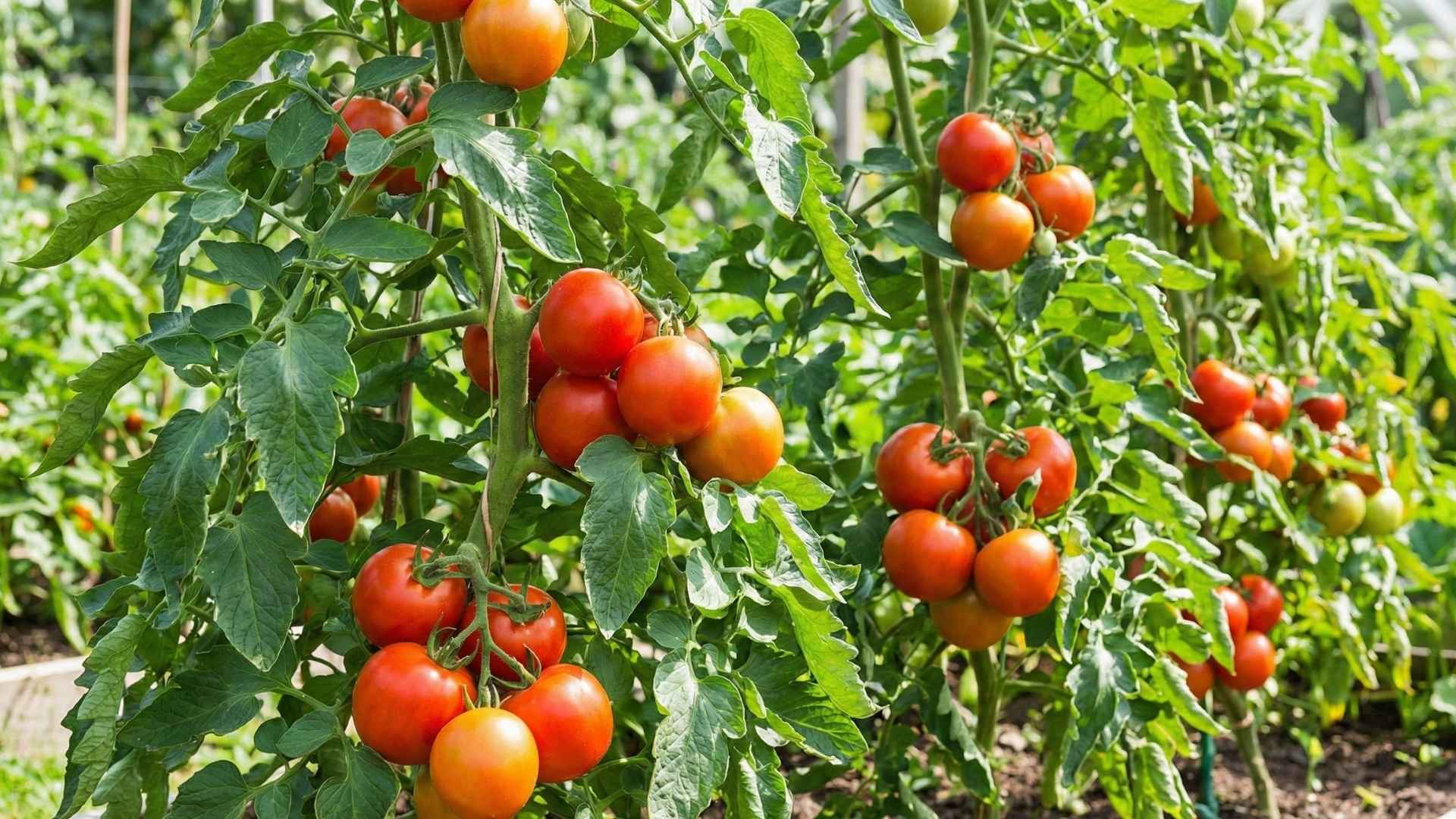
Ripening varies with climatic conditions and variety. Most often, tomatoes shift from green to their named hue—red, orange, or yellow—over weeks. The transformation can range from 20 to 30 days once the fruit is fully grown.
Remember, patience is a virtue. Picking them too early can compromise flavor, while waiting too long could lead to split skins or pest attacks. Harvest tomatoes by gently twisting or using shears to avoid stem damage.
Common Tomato Troubleshooting
Navigating Nuisances
Tomatoes, despite their hardy exterior, have some vulnerabilities. Blight, blossom end rot, and pest issues are common nuisances in tomato cultivation. Integrated pest management, proper plant spacing, and crop rotation can avert many of these troubles.
- Blight: Rotate crops and clean up fallen debris to prevent the spread.
- Blossom End Rot: Calcium deficiency often causes this; consistent watering and soil amendments can help.
- Pests: Handpick visible pests like hornworms, use insecticidal soaps, or introduce beneficial predators such as ladybugs.
Harvesting and Culinary Delights
The Joy of Harvest
Celebrate your bountiful harvest by picking your tomatoes early in the morning. At this point, the sugar content is at its peak, and the flavor, unbeatable.
Culinary Inspirations
Tomatoes are incredibly versatile, from their role in a fresh caprese salad to the highlight of hearty marinara sauces. Explore slicing beefsteak varieties for sandwiches or preserve heirlooms through canning for off-season enjoyment. Each variety brings unique possibilities to the table.
Frequently Asked Questions
-
When is the best time to plant tomatoes outdoors?
- After the last frost and once nighttime temperatures are consistently above 50°F.
-
How deep should I plant tomato seedlings?
- Bury a significant portion of the stem, allowing roots to grow from it, which stabilizes the plant.
-
Can tomatoes grow in shaded areas?
- Tomatoes need at least 6 to 8 hours of direct sunlight for optimal growth.
-
How often should I water tomato plants?
- Maintain consistent moisture levels; about 2 inches per week, adjusting for rainfall. Aim for infrequent, deep watering.
-
What causes yellow leaves on tomato plants?
- This can denote several issues: overwatering, nutrient deficiency, or disease. Assess soil moisture and check for pests or fungus.
-
How can I boost the flavor of my tomatoes?
- Adequate sun exposure, proper watering, and potassium-rich fertilizers enhance flavor.
-
Are there natural remedies for tomato pests?
- Yes, introduce beneficial insects like ladybugs or use neem oil for organic pest management.
-
How do I deal with tomato blight?
- Increase plant spacing, practice crop rotation, and promptly remove affected foliage.
-
Can I grow tomatoes indoors?
- With sufficient light, typically using grow lights, you can cultivate tomatoes indoors.
-
Why do my tomatoes crack?
- Irregular watering often causes cracking. Ensure consistent moisture levels to avoid this.
Embrace the fascinating journey of tomato growing! From seeds to steaming sauces, each step beckons with the promise of flavor and fulfillment. Happy gardening!
Discussion (0)
No comments yet. Be the first to start the conversation!
Leave a Reply