The Journey to a Bountiful Harvest: A Personal Tale
The cool breeze of spring was just the comforting nudge I needed to venture back into the garden. As a child, I remember the joy of running amongst rows of vegetables, my fingers brushing against luscious green leaves, the laughter of my grandmother echoing through the garden as she pointed out yet another bean ready for picking. Her enthusiasm was infectious, and from the time I was old enough to hold a watering can, she had me planting, tending, and nurturing. Her secret? Green beans. These twig-like treasures became a promise of summer's bounty, and I swore to continue her legacy.
Years later, with a garden of my own, I decided it was time to master this art myself. The journey was its own reward, one filled with lessons learned from stumbles and triumphs. If you share the passion for lush, green harvests, let me pass on the treasured knowledge of growing green beans. For once you start, you'll find that each season brings a new chapter in this rewarding tale.
Getting Started with Green Beans
Understanding Green Bean Varieties
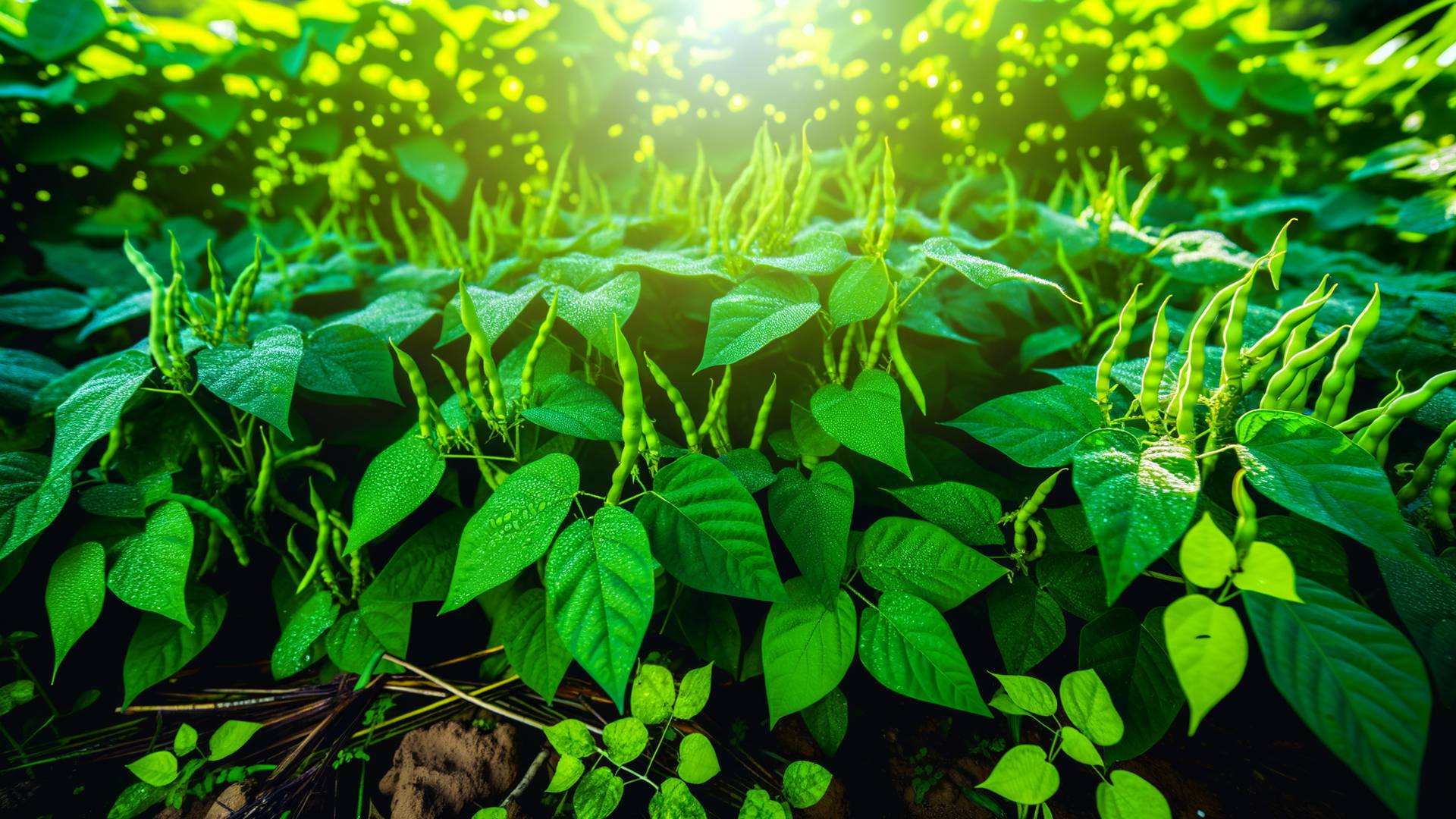
When setting out to grow green beans, it's crucial to begin with a bit of bean education. Green beans, also known as string beans or snap beans, come in an array of varieties. These can broadly be categorized into two types: bush beans and pole beans.
-
Bush Beans: Compact and requiring minimal support, bush beans are perfect for gardens with limited space. They typically reach a height of 1-2 feet and produce all their beans within a few weeks. This makes them excellent for successive planting if you aim to enjoy fresh beans throughout the season.
-
Pole Beans: These climbers can stretch up to 10-15 feet, depending on the variety, and will need a sturdy trellis or support structure. Pole beans produce continuously, offering a longer harvest period. They are ideal if you relish frequent picking and prolonged production.
Selecting the Best Varieties for Your Garden
Choosing the right variety is half the battle won. Consider your climate, space, and personal preferences.
- 'Kentucky Wonder': A classic favorite pole bean, known for its robust growth and prolific yields.
- 'Blue Lake': Available in both bush and pole forms, these beans are cherished for their tenderness and flavor.
- 'Contender': A bush variety that excels in hotter climates, maturing quickly and offering consistent yields.
Perfect Planting Conditions
Timing and Location
The key to a thriving green bean crop is timing. Green beans are sensitive to frost and prefer warm soil. Plant your seeds after the last frost date in your area, ideally when the soil has warmed to about 70°F (21°C).
Choose a sunny spot in your garden that receives at least 6-8 hours of sunlight daily. Ensure good air circulation to prevent fungal diseases, especially if you are planting pole beans.
Preparing the Soil
Rich, well-draining soil is imperative to green bean success. Before planting, enrich the soil with a combination of compost and well-rotted manure. This not just improves drainage but also boosts soil fertility.
- Test the soil pH; beans prefer a range of 6.0 to 6.8.
- Remove rocks and debris to ensure bean roots can establish freely.
- Consider using raised beds if your garden soil tends to remain waterlogged.
Planting Your Green Beans
Sowing Seeds
Green beans are best planted directly from seed. Seeds should be sown about 1 inch deep and spaced according to the type:
- Bush Beans: Sow seeds 3 inches apart in rows 18-24 inches apart.
- Pole Beans: Plant seeds 4-6 inches apart, with rows spaced about 3-4 feet apart. Install a trellis or poles before planting to avoid disturbing the plants later.
Watering and Feeding
While green beans love the sun, they need consistent moisture, particularly during flowering and pod development. Water deeply once a week, ensuring the roots receive ample hydration. Avoid overwatering as beans hate soggy roots.
Fertilization needs are minimal since beans naturally fix nitrogen in the soil. However, if growth appears stunted or leaves turn yellow, a light application of a balanced fertilizer can be beneficial.
Caring for Your Green Beans
Supporting and Training (for Pole Beans)
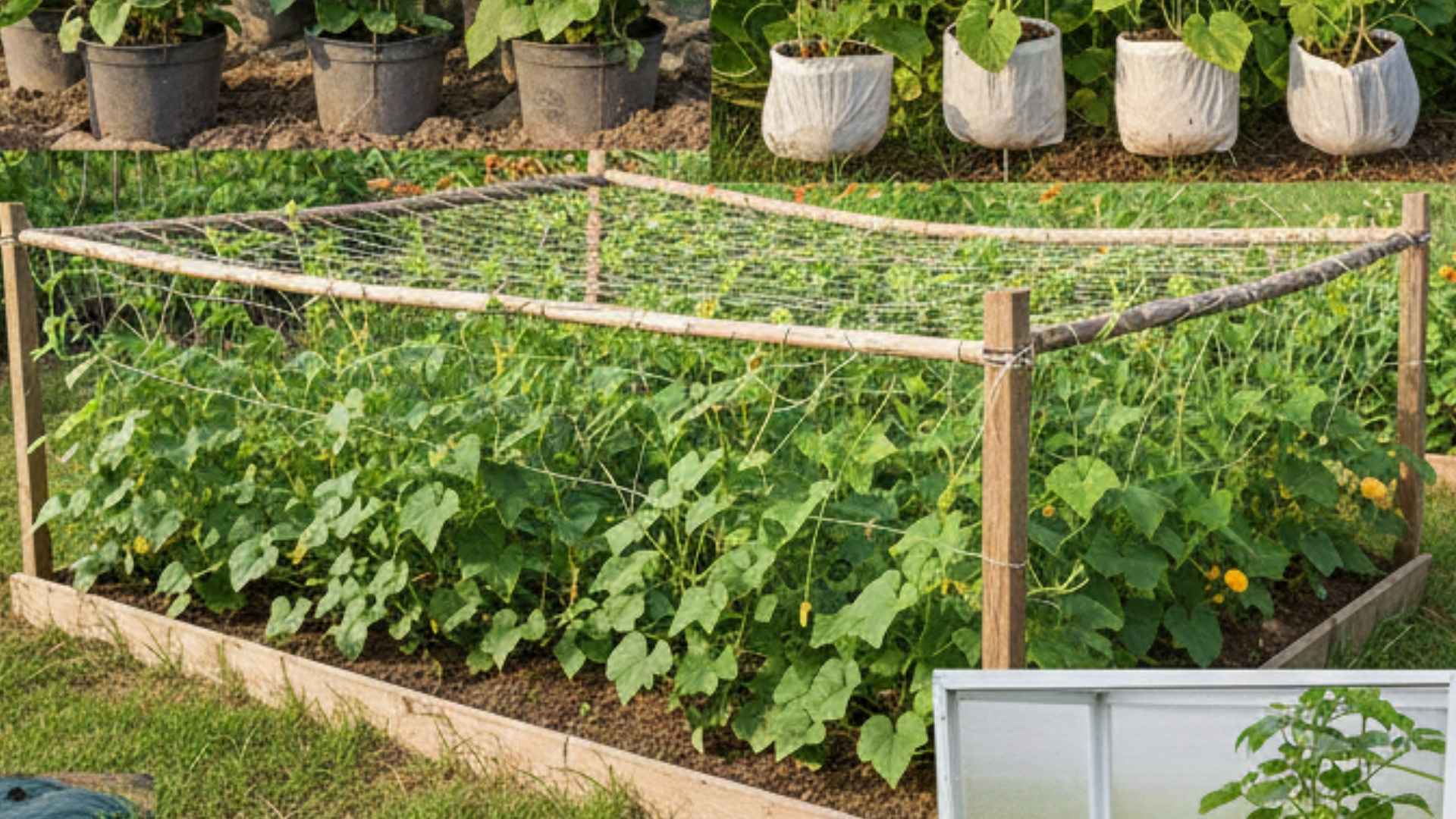
As pole beans grow, training them to climb is essential. You can use a variety of support systems:
- Trellises: Wire or netting trellises provide excellent support.
- Tepees: Arrange bamboo poles in a tepee fashion, allowing the beans to spiral upwards.
- Fences: Existing fences work well if space permits.
Pest and Disease Management
Beans can fall prey to several pests, the most common being the Mexican bean beetle and aphids. Regularly inspect plants and manually remove pests if infestations are minor. For severe cases, organic insecticidal soap or neem oil can control pests effectively.
Rust, mildew, and bacterial blight are common diseases in green beans. To minimize these, water early in the day, ensuring foliage dries quickly. Rotate crops annually and avoid planting beans in the same spot for consecutive seasons.
Harvesting for the Best Flavor
When to Harvest
Green beans are ready for harvest roughly 50-60 days after planting. The tell-tale signs are:
- Pods are firm, crisp, and about 4-7 inches long.
- Beans within should not bulge prominently as this indicates overripe beans.
Harvesting Tips
Regular harvesting, every few days, encourages the plant to produce more pods. Gently snap pods off the plant, taking care not to damage stems or leaves.
Storing and Using Your Green Beans
Once picked, store beans in the refrigerator, ideally in a perforated plastic bag. They remain fresh for up to one week.
Preserve your bounty through canning or freezing if you aim to enjoy the flavors of summer deep into winter. For freezing, blanch the beans first to maintain color and texture.
Common FAQs About Growing Green Beans
1. How long does it take for green beans to grow?
Green beans typically take 50-60 days from planting to harvest. This can vary slightly with different varieties and growing conditions.
2. Can I grow green beans in containers?
Yes, bush beans are particularly suited for container gardening. Choose deep containers (at least 12 inches) with good drainage.
3. What is the best fertilizer for green beans?
Compost and aged manure are ideal. If additional nutrients are necessary, use a balanced, water-soluble fertilizer sparingly.
4. How do I prevent my bean plants from wilting?
Ensure consistent watering, particularly during dry spells, and consider mulching to retain soil moisture.
5. Why are my green bean leaves turning yellow?
Yellowing usually indicates nitrogen deficiency or overwatering. Adjust watering habits and apply nitrogen-rich compost if needed.
6. Is it necessary to rotate crops when growing beans?
Yes, rotating reduces disease build-up and pests. Avoid planting beans in the same spot year after year.
7. Can I plant green beans side by side with other vegetables?
Absolutely! Beans grow well with corn, carrots, and cucumbers. Avoid planting with onions or garlic.
8. How tall will my pole beans grow?
Pole beans can climb up to 10-15 feet high, so ensure you have a sturdy support system.
9. Do green beans require pruning?
Bush beans do not require pruning. Pole beans may benefit from pinching the tops once they reach the desired height to encourage bushier growth.
10. Can I grow green beans indoors?
While more challenging, it is possible with ample sunlight or a grow light. Choose compact bush bean varieties for indoor gardening.
Discussion (0)
No comments yet. Be the first to start the conversation!
Leave a Reply