

A Humble Beginning: My Love Affair with Broad Beans
It was a chilly spring morning when I first plunged my hands into the earthy loam of my very own garden plot. At that moment, the world narrowed down to the simple joy of connecting with nature. Among the myriad of seeds I scattered that day, none captivated my heart as much as the broad bean. The sight of their vibrant growth, the gentle rustle of their leaves, and the promise of their lush pods stirred a fascination that has ripened into an enduring love.
I remember a mid-summer evening, bathed in a golden sunset, when I tenderly harvested my first crop. The satisfaction of popping open those plump, green pods remains unmatched—a testament to nature's artistry and humanity's nurturing touch. Fast forward to today, my modest experiment has turned into a lifelong passion for mastering the art of growing broad beans.
Through this guide, join me in this tales from the trenches of gardening, where we'll explore the top varieties of broad beans and share expert tips for your most bountiful harvest yet.
The Broad Bean: An Overview
What Are Broad Beans?
Also known as fava beans, broad beans (Vicia faba) belong to the legume family and are native to North Africa and Southwest Asia. These versatile plants offer both culinary and environmental benefits: they’re not only nutritious but also excellent for soil improvement due to their nitrogen-fixing properties.
Nutritional Benefits
Broad beans are a powerhouse of nutrition. Packed with protein, fiber, vitamins, and minerals such as iron and magnesium, they make an excellent addition to any diet. Their nutrient profile supports heart health, improved digestion, and sustained energy levels.
Top Broad Bean Varieties
Aquadulce Claudia
One of the most popular varieties, Aquadulce Claudia is known for its cold tolerance and hardy nature. Perfect for autumn and early spring sowing, they produce long, slender pods packed with plump, creamy beans.
Crimson Flowered
The Crimson Flowered broad bean is as beautiful as it is productive. Recognized for its stunning red-purple flowers, this variety boasts a delightful scent and is perfect for gardeners wanting both aesthetic appeal and culinary yield.
Imperial Green Longpod
Known for its high yield, the Imperial Green Longpod produces large pods with 6-9 vibrant green beans each. This variety is favored for its rich taste and robust growth, making it an excellent choice for novice and seasoned gardeners alike.
The Sutton
Ideal for smaller gardens, The Sutton is a compact variety producing bountiful pods of tasty beans. It is particularly recommended for windy sites due to its sturdy growth habit.
Witkiem Manita
Witkiem Manita is an early maturing variety, often sown in early spring for an early summer harvest. It’s loved for its flavorful beans and adaptability to various soil types.
Expert Growing Tips for Broad Beans
Selecting the Right Location
Broad beans thrive in well-drained, fertile soil with plenty of sunlight. If possible, choose a spot that receives at least six hours of direct sunlight a day to promote vigorous growth.
Preparing the Soil
Before sowing, enrich the soil with well-rotted compost or manure. Broad beans favor a slightly acidic to neutral pH, so consider testing your soil and adjusting accordingly with lime if needed.
Sowing Techniques
For an early crop, sow seeds in pots under cover in late autumn or winter. For direct sowing in the garden, wait until early spring when the soil has warmed up slightly. Plant seeds about 2 inches deep and 8 inches apart, ensuring enough space for airflow around plants to minimize disease risk.
Caring for Your Plants
Consistent Watering: Although broad beans are relatively drought-tolerant, they benefit from regular watering during dry spells, particularly when in flower and pod formation.
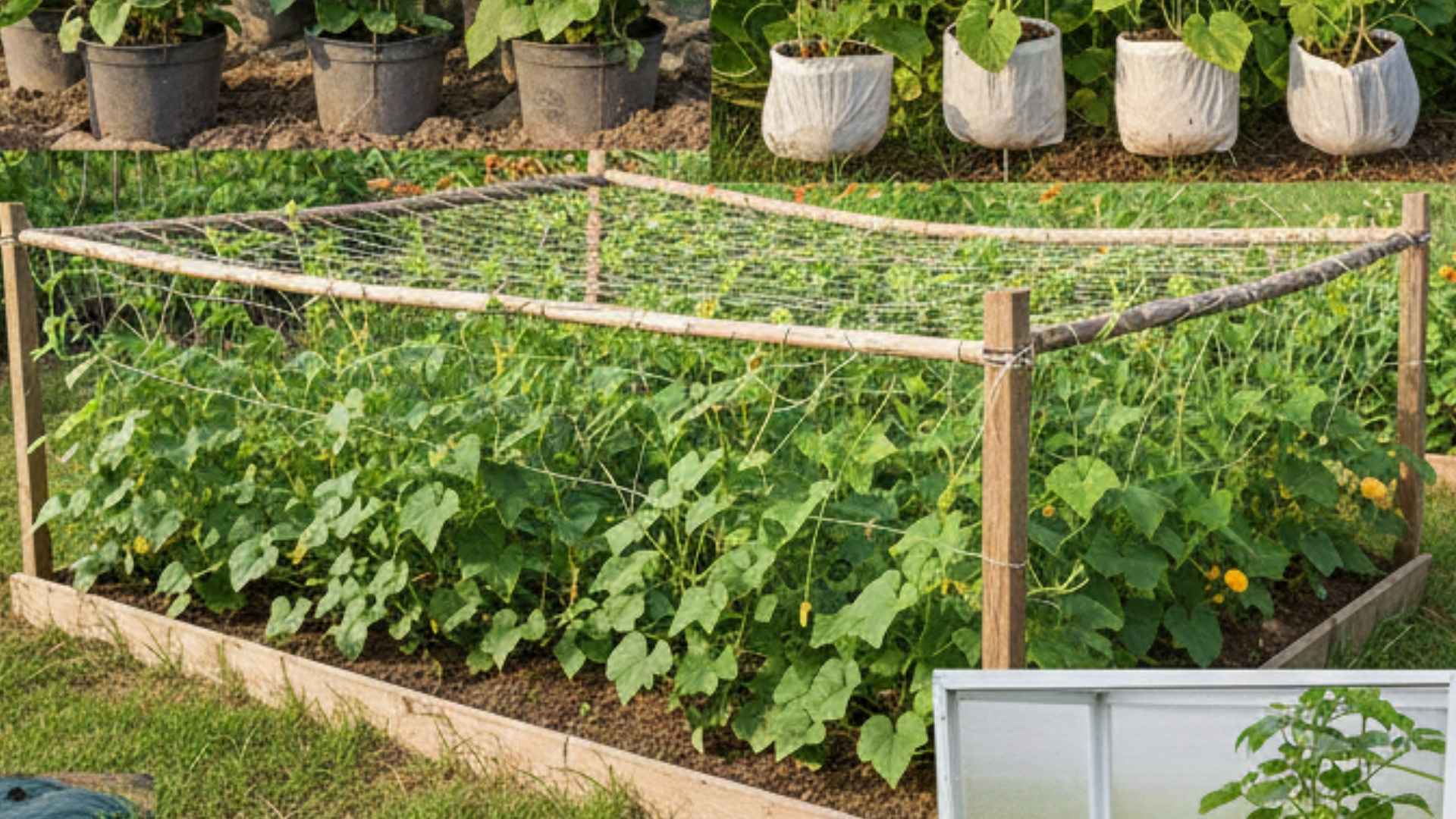
Support: As plants grow, use stakes or wire for support, particularly taller varieties. Strong winds can snap stems, so anchoring them will help maximize yield.
Pests and Diseases Management
Common predators like aphids can target broad beans. Encourage beneficial insects like ladybugs or use organic insecticidal soap for control. Watch for fungal diseases, especially in damp conditions. Practice crop rotation to maintain soil health and plant vigor.
Harvesting
Broad beans are typically ready for harvest 14-16 weeks after planting. Pods can be picked when beans visibly swell inside, although young pods can also be harvested for their tender taste and soft texture.
Cooking and Preserving Broad Beans
Preparing Your Harvest
To prepare broad beans, start by removing them from their pods. For young beans, this is sufficient, but mature beans benefit from blanching—boiling briefly and then removing their tough outer skins.
Recipe Ideas
Broad beans are versatile, perfect in salads, soups, stews, and even as a simple side dish drizzled with olive oil and mint. Their subtle, nutty taste complements a wide range of flavors.
Preserving Your Beans
Freeze surplus beans for future use by blanching them first. This process maintains their flavor and color, allowing you to enjoy your crop months after harvesting.
Frequently Asked Questions
1. What’s the best time to plant broad beans?
The optimal planting time varies with climate, but generally, late autumn or early spring is ideal.
2. Can broad beans grow in containers?
Yes, varieties like The Sutton do well in containers, given adequate depth for roots and consistent watering.
3. How do I prevent aphid infestations?
Introduce ladybugs or use an organic insecticidal soap to keep aphid populations in check.
4. Are broad beans self-pollinating?
While they can self-pollinate, bees and other pollinators significantly increase pod set.
5. How do I know when to harvest my beans?
Pick the pods when beans are plump and visible but still tender to taste.
6. Can I eat broad beans raw?
Young, tender broad beans are edible raw, but mature beans are best cooked to enhance digestibility and flavor.
7. Do broad beans improve soil health?
Yes, they fix nitrogen in the soil, enhancing its fertility for future plantings.
8. What’s the difference between broad beans and fava beans?
Broad beans and fava beans are the same; "broad bean" is the common name in Britain, whereas "fava bean" is often used in the U.S.
9. Is crop rotation important for broad beans?
Absolutely, rotate crops annually to prevent soil-borne diseases and maintain soil health.
10. What companion plants work well with broad beans?
Companions like carrots and celery are excellent as they have complementary nutrient and space requirements.
Discussion (0)
No comments yet. Be the first to start the conversation!
Leave a Reply