A Story to Begin
The sun was relentless that August afternoon, casting a golden hue and a harshness on everything it touched. I wiped the sweat from my brow, glancing at the orchard that had been more than a mere collection of fruit trees. It was a tapestry of memories, ripe with childhood summers spent lazily beneath the shade of its leaves. But now, its trees looked weary and ravaged by the sun, their bark blistering in the excessive heat.
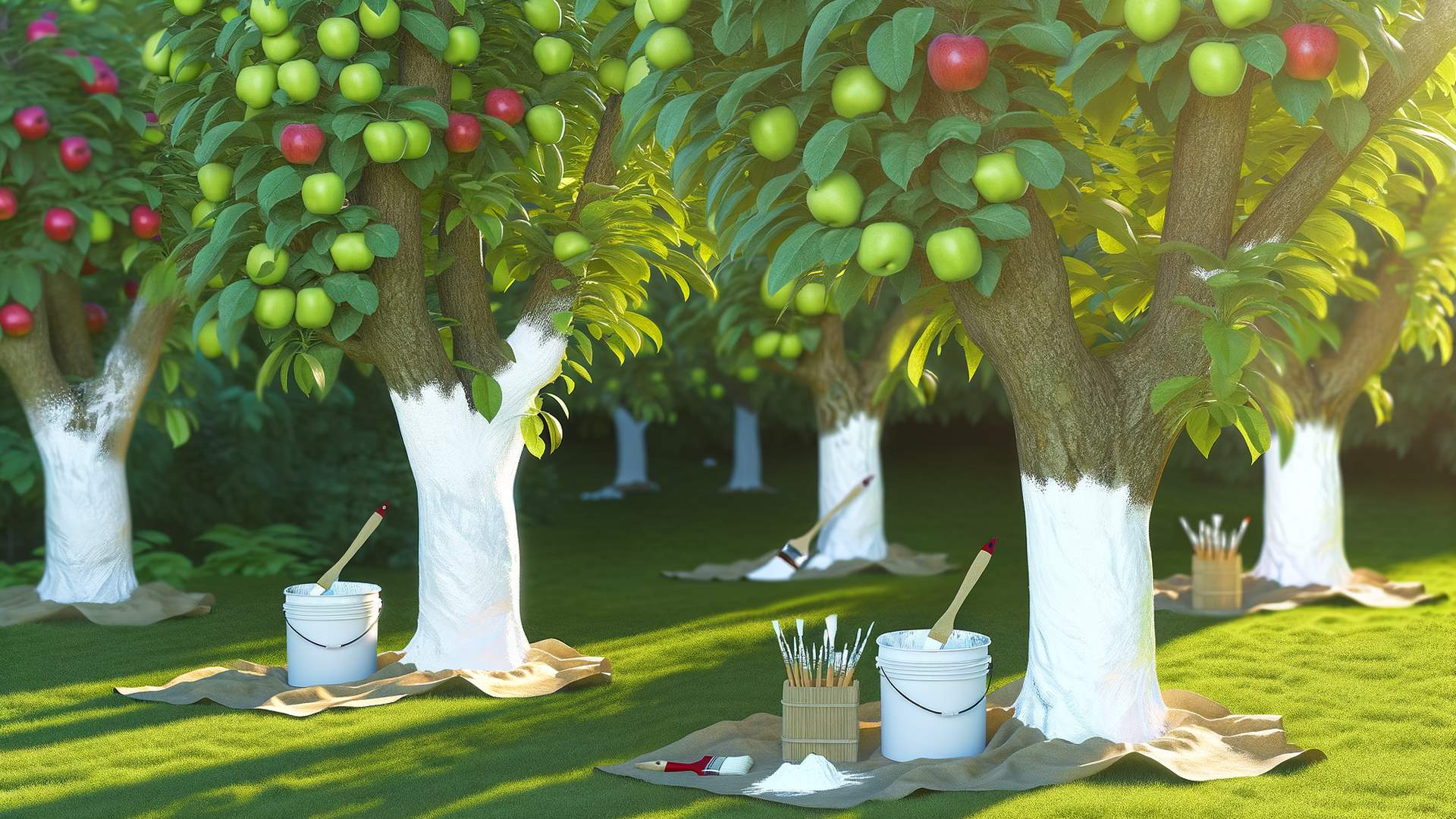
Determined to protect the legacy my father had cultivated, I remembered his words of wisdom—fruit tree whitening. Years ago, I’d watched as he lovingly brushed a milky white mixture onto the trunks of each tree, a silent promise of protection. That evening, under a sky painted in hues of orange and pink, I prepared the mixture, ready to carry on this tradition. This guide is a journey through that experience, one that will equip you with the knowledge and techniques needed to care for your own fruit trees, ensuring they stand strong for generations to come.
Understanding Fruit Tree Whitening
Fruit tree whitening is more than just a cosmetic treatment; it's a critical step in ensuring the health and vitality of your trees. Originating as a simple practice among seasoned gardeners, it serves as a protective barrier against a myriad of threats.
The Purpose of Fruit Tree Whitening
The primary purpose of whitening, often accomplished by painting tree trunks with a mixture, is to shield them from sunscald and pests. Sunscald, also known as “southwest injury,” occurs when the sun's intense rays cause the bark to expand and contract, leading to cracking and damage. Whitening reflects sunlight, thus regulating the tree's temperature.
The Science Behind the Whitening
Reflective Properties: The whitening mixture, typically made of a diluted white latex paint, reflects sunlight away from the trunk. This reflection is crucial during winter and early spring when clear skies and freezing nights create drastic temperature oscillations.
Moisture Retention: By preventing excessive evaporation from the bark, whitening aids in maintaining internal moisture levels essential for tree health. Bark that remains intact and moisturized is less likely to succumb to pests and diseases.
When to Whiten Your Fruit Trees
Timing is an essential element in the art of fruit tree whitening, ensuring the protection coincides with periods of vulnerability.
Ideal Seasons for Whitening
Late Fall to Early Winter: This is the optimal time to whiten fruit trees, especially in regions that experience freezing winters. Applying the whitening before the onset of extreme temperatures prepares the tree to endure winter challenges.
Early Spring: For areas with milder winters, whitening in early spring can be advantageous. This timing safeguards the trees against the increasing sunlight and temperature fluctuations.
Recognizing the Signs
Keeping an eye on tree bark is crucial. Cracks appear as vertical streaks or flaky layers, particularly on the south and southwest sides of trunks. If your trees start showing these signs, it’s an indication that emergency whitening or additional protective measures are necessary.
How to Whiten Fruit Trees
Embarking on the process of whitening requires knowledge of the right techniques and materials. Paying attention to detail can make all the difference.
Necessary Materials
- White Latex Paint: A safe and effective choice for whitening, when diluted correctly, poses no harm to the tree. Avoid oils and synthetic additives.
- Water: Used to dilute the paint, ensuring it's not too harsh.
- Paintbrush or Sprayer: For application, depending on preference and the scale of your orchard.
Preparing the Whitening Mixture
-
Mix Ratio: Combine one part white latex paint with one part water. This dilutes the paint enough to allow the bark to breathe while still providing protection.
-
Consistency: Aim for a consistency thick enough to adhere easily but thin enough to soak into crevices.
Application Technique
-
Clean the Trunk: Remove loose bark and debris with a soft brush.
-
Apply the Mixture: Using a paintbrush or sprayer, coat the trunk from the ground level to the first set of branches.
-
Multiple Coats: Two thin coats are often more effective than one thick coat.
-
Coverage: Ensure even coverage, paying special attention to the southern exposure where the sun's impact is most intense.
What to Use for Whitening
Choosing the right materials is pivotal to successful fruit tree whitening.
Alternatives to Latex Paint
While white latex paint is most commonly used, other options are available:
- Kaolin Clay: A natural alternative providing similar sun protection.
- Hydrated Lime: Offers protection and deters pests, though it can be harsher on the tree.
- Acrylic Whitewash: Commercially available, often easier to apply and weather-resistant.
Pros and Cons of Each Method
- White Latex Paint: Widely used for its effectiveness and availability, but requires careful dilution.
- Kaolin Clay: Environmentally friendly but can wash away easily in heavy rain.
- Hydrated Lime: Pest-repellant, though it may need reapplication more frequently.
- Acrylic Whitewash: Durable and easy to apply, though it might be more expensive.
FAQs About Fruit Tree Whitening
-
What are the main benefits of fruit tree whitening?
- It protects against sunscald, regulates temperature, and prevents pest infestations.
-
Can any type of paint be used for whitening?
- Only non-toxic white latex paint should be used, ensuring proper dilution.
-
Is it necessary to whiten trees every year?
- It's recommended in extreme climates due to fluctuating temperatures and sun exposure.
-
What alternative methods can be used for whitening?
- Kaolin clay and hydrated lime are viable alternatives, though each has its own application nuances.
-
What are the risks of improper whitening?
- Incorrect dilution can harm the tree, while inadequate application may not provide sufficient protection.
-
Do all fruit trees require whitening?
- Trees in sunny, exposed, or extreme climates benefit the most, particularly apple, cherry, and peach trees.
-
Can whitening harm beneficial insects?
- When appropriately applied, whitening should not harm insects. It primarily serves as a deterrent to pests.
-
What's the best time of day for application?
- Early morning or late afternoon, avoiding the intense midday sun which can cause rapid drying.
-
How does one ensure complete coverage?
- Multiple thin coats and attention to vulnerable southern exposures are key to thorough protection.
-
Can I use a sprayer for whitening?
- Yes, a sprayer can provide even application, especially for larger orchards.
Discussion (0)
No comments yet. Be the first to start the conversation!
Leave a Reply