A Tomato Tale: From My Garden to Yours
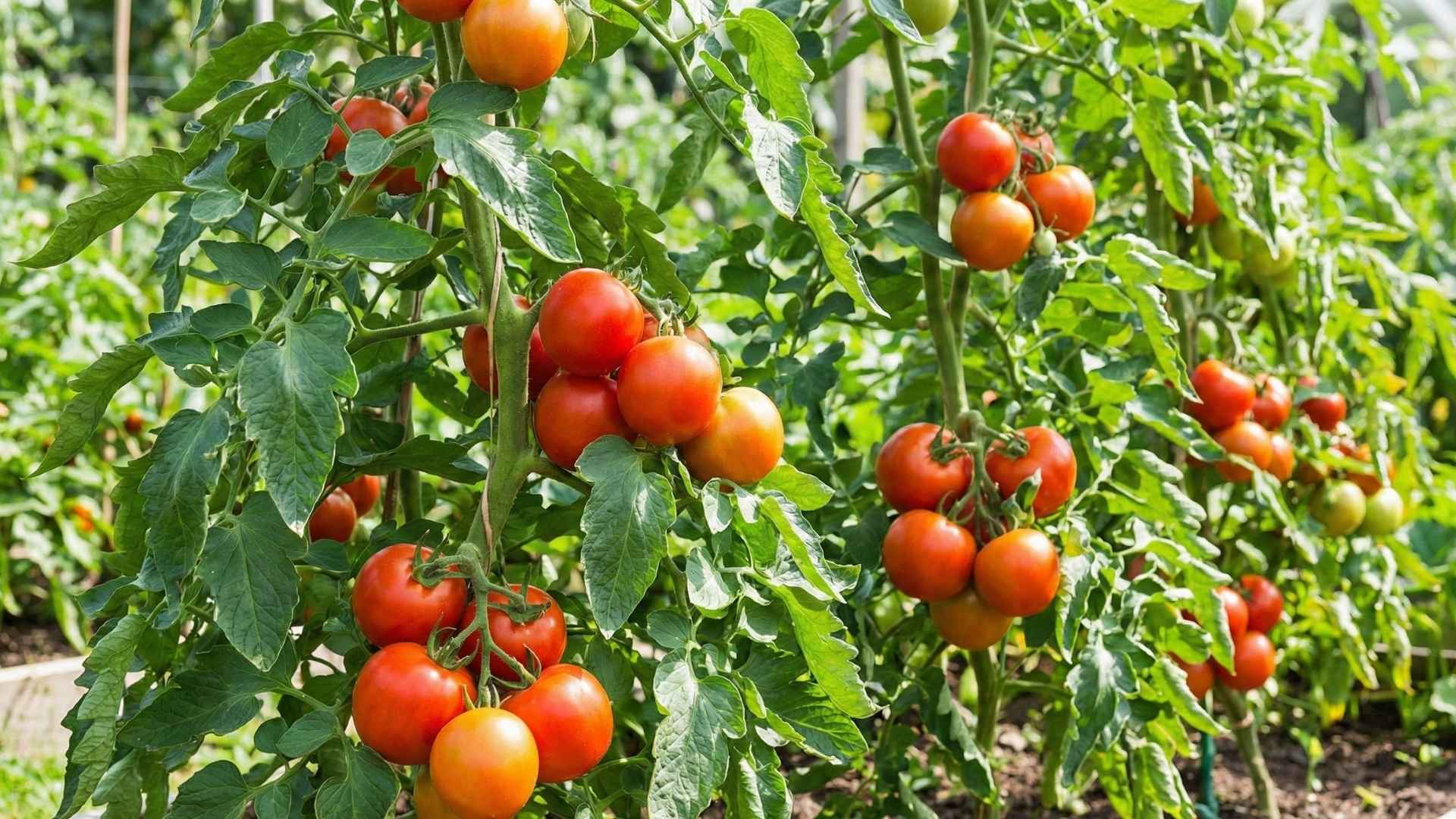
When I first moved into my small city apartment, I brought with me a piece of my old life: an abandoned tomato plant from my grandmother’s garden. I could still hear her voice in the whispers of those leaves: "Just because you’re rooted doesn’t mean you can’t travel." That tomato plant, confined within the confines of a clay pot, thrived in the glow of memories and rosy hopes. In time, it revealed to me the art and science of container gardening, especially with tomatoes. Today, as I lean over my terrace garden, a cascade of ruby-red fruits bearing the warmth of sunlight and the richness of the earth, I’m reminded of the journeys we can embark upon, no matter our roots or surroundings.
This is the Ultimate Guide to Thriving Pot Tomatoes. Let’s embark on this journey together—saving space and growing greatness.
Why Choose Container Gardening for Tomatoes?
Space Constraints
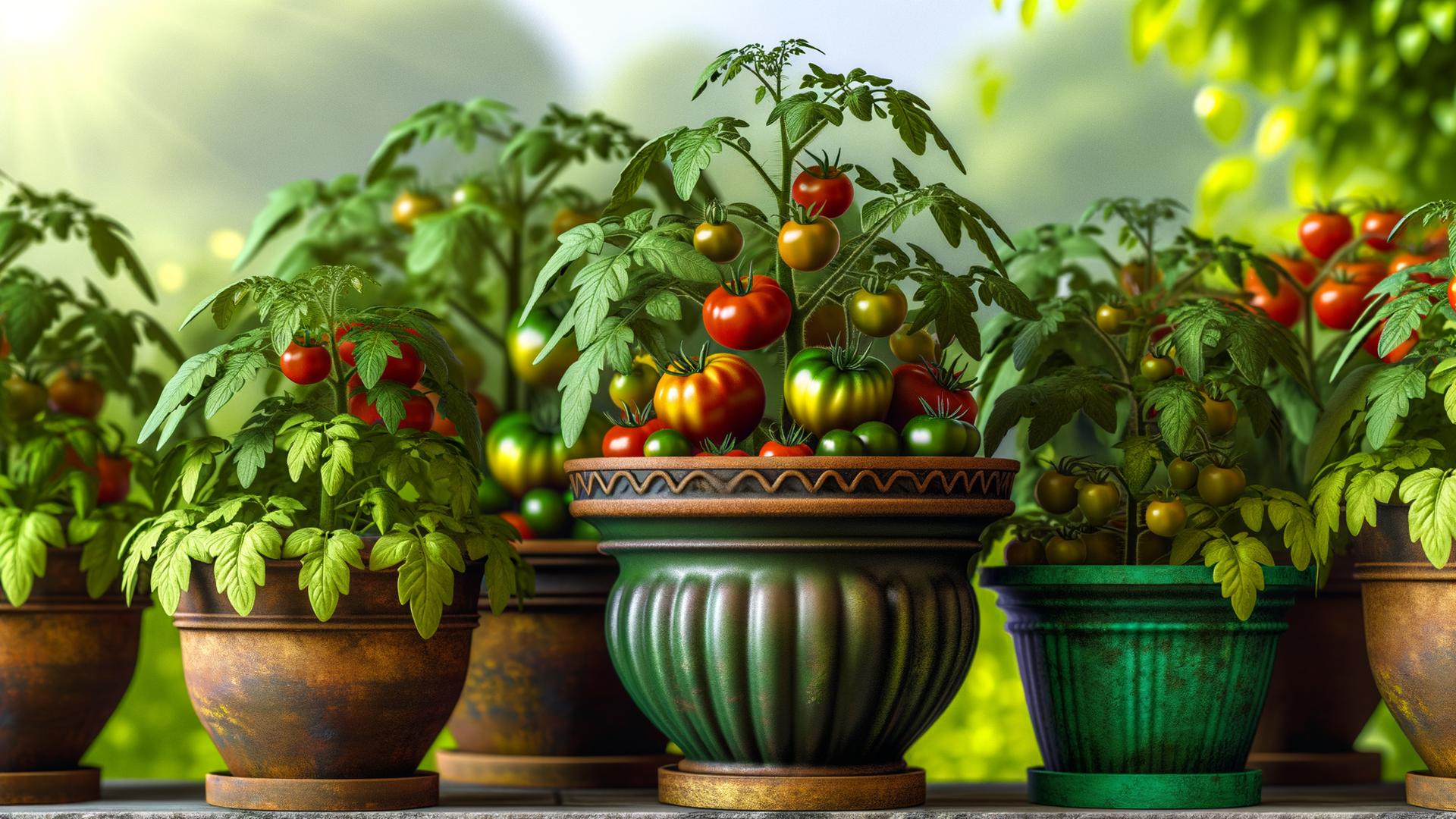
In metropolitan settings or homes with little to no immediate ground space, container gardening offers a flexible solution. Tomatoes, with their bright fruits and versatile uses, make excellent candidates for pots, allowing urban dwellers and space-constrained gardeners to enjoy the bounty of handmade harvests.
Micro-Climate Control
With container gardening, you can control the micro-environment around your tomatoes more effectively than in open soil. This means you can adjust sunlight, water, and soil properties easily, giving your plants the customized care they deserve.
Disease Management
Root diseases and soil-borne pathogens find it harder to wreck your container garden compared to plants grown directly in the ground. In case of diseased plants, isolated containers prevent cross-contamination.
Choosing the Right Tomato Variety
Determinate vs. Indeterminate
Tomatoes fall into two broad categories:
- Determinate tomatoes grow to a fixed mature size and ripen all their fruit in a short period.
- Indeterminate tomatoes grow, flower, and fruit continuously until frost.
For container gardening, determinate variants are recommended because their compact nature suits confined spaces.
Best Container-Friendly Varieties
- Patio Princess: Perfectly sized for smaller pots, offering clusters of juicy, rich tomatoes.
- Tumbling Tom: Cascading growth makes it ideal for hanging baskets and containers.
- Bush Early Girl: A determinate type that's fast growing, ensuring a quick harvest.
Selecting the Right Container
Size Matters
The size of your container dramatically affects your plant’s growth. Aim for at least a 5-gallon pot. This provides ample space for roots to explore, stabilizing the plant and optimizing nutrient uptake.
Material Considerations
- Clay pots are breathable, but dry out quickly.
- Plastic pots retain moisture but offer less breathing room for roots.
- Fabric grow bags strike a good balance, enhancing air circulation and root pruning.
Soil and Nutrient Essentials
Potting Mix Perfection
Start with a high-quality potting mix, which is lighter and holds water better than regular garden soil. A mix with organic matter and perlite will ensure adequate drainage and aeration.
Nutrient Management
Tomatoes are heavy feeders. Incorporate a slow-release fertilizer into the potting mix when planting and consider liquid fertilizers every few weeks as a supplement. Don’t forget Epsom salt for magnesium boosts during flowering and fruiting stages.
Planting Techniques and Care
Planting Depth and Technique
Bury two-thirds of the tomato seedling's stem when planting. This allows the stem to develop roots all along its buried length, increasing stability and nutrient uptake.
Water Wisely
Water consistently but not excessively. Aim for at least 1-1.5 inches per week, ensuring the growing medium is moist but not waterlogged. Consider a drip irrigation system or self-watering containers to maintain an even moisture level.
Tomato Plant Support
Staking and Caging
Even determinate tomatoes benefit from some support to keep fruits off the ground and prevent stem breakage. Use stakes or cages designed for or adaptable to smaller spaces to guide the plant as it grows.
Pruning Techniques
Remove suckers—the small shoots that develop between the main stem and leaf branches—because they divert energy from fruit production. Focus on maintaining 3-4 main stems.
Pests and Problems
Recognizing Common Pests
- Aphids: Small but damaging; treat with neem oil sprays.
- Tomato hornworms: Huge caterpillars; handpick or use bacillus thuringiensis (Bt) treatments.
- Spider mites: Tiny but destructive; manage with miticides and increase ambient humidity.
Disease Management
Prevent diseases such as blights and wilt by ensuring:
- Good air circulation.
- Avoid overhead watering.
- Sanitize tools and occasionally rotate container positions.
Harvesting: Knowing When and How
Visual Cues
Watch for a uniform color that matches the tomato variety. Feel for a slight softness indicative of ripeness.
The Right Way to Harvest
Gently twist or cut the fruit from the vine to avoid damaging the plant or neighboring fruits.
Top 10 FAQs about Container-Grown Tomatoes
-
Can tomatoes grow in small containers?
- While tomatoes can grow in smaller containers, at least a 5-gallon pot is recommended for optimal growth.
-
How much sunlight do tomato plants in containers require?
- Tomato plants need 6-8 hours of full sunlight per day to thrive.
-
How often should I water my container-grown tomatoes?
- Water consistently to keep the soil moist but never soggy. This often means daily water in hot and dry weather.
-
What should I do if my tomato plants are growing too tall?
- Prune the tops to maintain the desired height and encourage side growth.
-
Can I move my container tomatoes indoors?
- Yes, but ensure they receive adequate light, either naturally or with grow lights.
-
How can I prevent split tomatoes in my container garden?
- Regular, consistent watering and monitoring soil moisture can prevent splitting.
-
Should I prune my tomato plants regularly?
- Yes, regular pruning helps manage plant size and encourages healthier fruit production.
-
What are the signs of over-fertilizing tomatoes in containers?
- Look for excess foliage with little fruit production, or yellowing leaves.
-
Can I reuse soil for next year’s container tomatoes?
- It's best to start with fresh soil each year to prevent disease and nutrient depletion.
-
What are blossom-end rot and how do I prevent it?
- It's a calcium deficiency often prevented by maintaining consistent watering and a balanced fertilizer.
Discussion (0)
No comments yet. Be the first to start the conversation!
Leave a Reply