
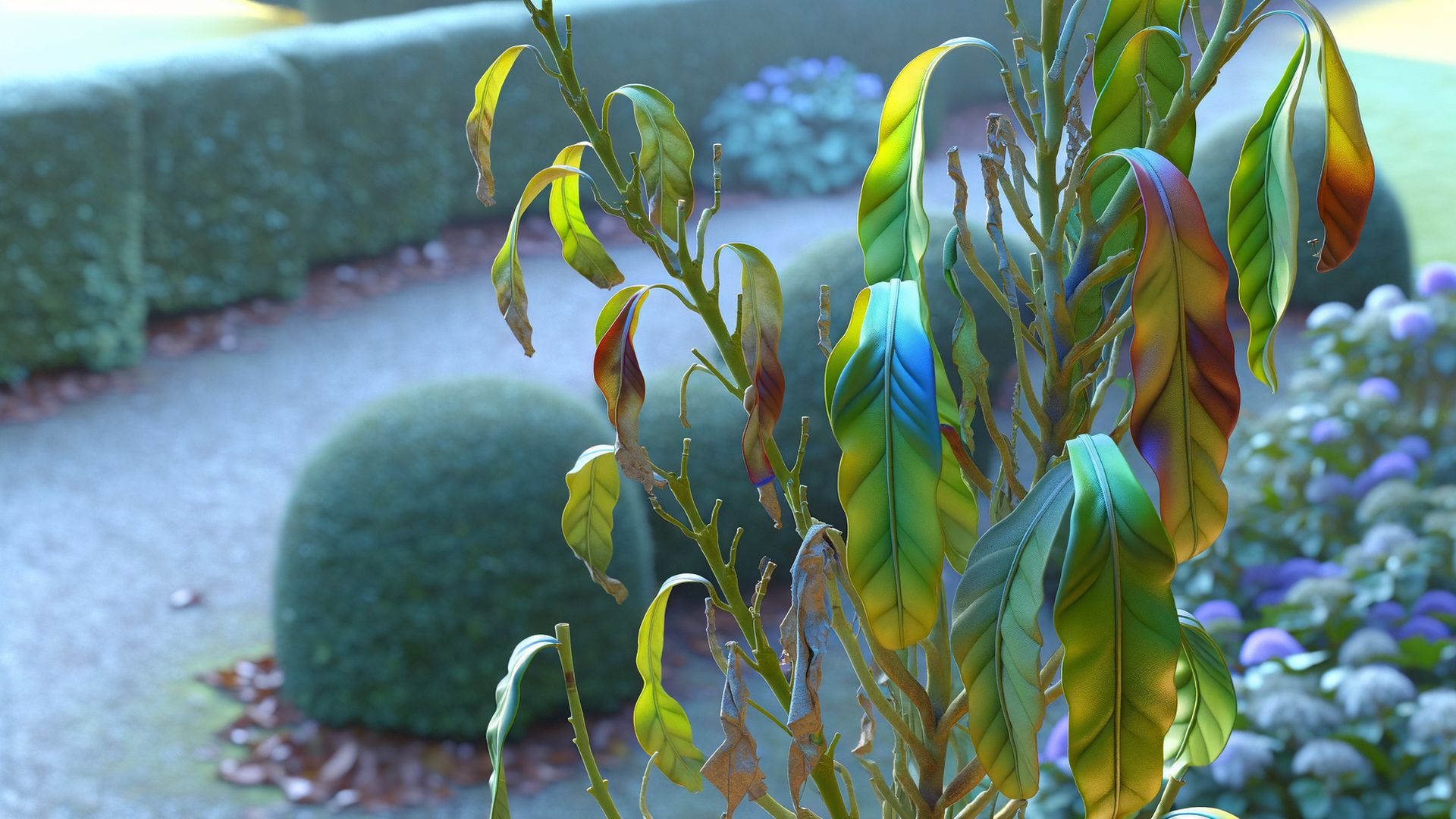
Once upon a winter evening, Jane sat by her window, sipping on a steaming cup of tea. The snow was gently falling outside, painting the world in serene whites and grays. Her cozy living room was a sanctuary from the cold, filled with warm lights and the subtle greenery of her beloved houseplants. Yet, her joy was marred by a single forlorn plant sitting away from the rest—a ZZ plant that seemed to be crying out for help. Jane had noticed its leaves turning yellow and drooping, a dreadful sign for the usually resilient plant. Little did she know, her journey to save this beloved plant would teach her more about life and nature than she ever imagined.
Is Your ZZ Plant Dying This Winter?
As Jane's story illustrates, even the hardiest plants can struggle during the winter months. The Zamioculcas zamiifolia, more affectionately known as the ZZ plant, is renowned for its toughness and ability to thrive in less-than-ideal conditions. Yet, it's not immune to trouble. This guide will walk you through the essential signs, hidden causes, and strategies to help your ZZ plant weather the winter months.
Sign 1: Yellowing Leaves
One of the first signs Jane noticed was the yellowing of the leaves—a classic indication that something was amiss. When the bright, healthy green pigments of the leaves start to fade into yellow, it's a cry for attention.
Possible Causes:
- Overwatering: This is the most common mistake as the plant needs less water in winter.
- Nutrient Deficiency: Lack of nutrients can also cause leaf discoloration.
Sign 2: Leaf Drop
Leaf drop is another cause for concern. Jane's ZZ plant started shedding leaves, leaving behind bare stalks that evoked an eerie sense of vulnerability.
Possible Causes:
- Low Humidity: Indoor air tends to be drier during winter.
- Temperature Fluctuations: Close proximity to heaters or drafty windows can induce leaf drop.
Sign 3: Root Rot
Jane’s suspicion grew, leading her to inspect the roots. When she gently removed her ZZ plant from its pot, a soggy, dark, and foul-smelling root system revealed itself—a textbook case of root rot.
Possible Causes:
- Poor Drainage: The lack of proper drainage can trap water around the roots.
- Constant Moisture: Overly moist conditions are a breeding ground for rot.
Sign 4: Stunted Growth
The once vigorous ZZ plant had ceased growing, its progress halted by some unseen force. Jane found herself asking, "Why won't my plant grow?"
Possible Causes:
- Low Light Levels: Winter light is often insufficient for plant growth.
- Nutrient Lockout: An imbalance in the soil's chemistry can prevent nutrient absorption.
Sign 5: Brown Edges
Crumbly, brown edges appeared on the plant's leaves, a sight that evoked a sense of urgency in Jane's heart. She knew this wasn't just a cosmetic issue.
Possible Causes:
- Underwatering: Contrary to overwatering, underwatering can also cause damage.
- Salt Buildup: Excessive fertilizers or water with high mineral content can lead to crispy leaves.
Sign 6: Wilting and Drooping
Finally, the most heart-wrenching scene for Jane was when her ZZ plant began to wilt and droop, lacking the vigor and structure it once boasted.
Possible Causes:
- Too Much Direct Sunlight: Winter sun can sometimes be harsher than expected.
- Cold Drafts: Exposure to chilly air can cause plants to droop and appear lifeless.
Discovering the Hidden Causes
Through her research and trials, Jane uncovered the hidden factors affecting her ZZ plant. Understanding these would lead to not only saving her plant but also strengthening their bond.
Understanding Light and Temperature
ZZ plants are native to Eastern Africa's warm climates. In winter, the shift in light availability and temperature can stress the plant.
- Solution: Position your plant near a south-facing window if possible and away from cold drafts or direct exposure to heating vents.
Managing Watering Habits
During the winter, the ZZ plant's need for water diminishes, yet many gardeners, like Jane, make the mistake of continuing their summer watering routine.
- Solution: Allow the soil to dry between waterings and ensure pots have adequate drainage.
Soil and Nutrient Management
Soil health can dramatically impact your plant. Compacted or poor-quality soils with nutrient deficiencies can sabotage even the most meticulously cared-for plants.
- Solution: Use well-draining soil and amend it with perlite or sand. Regularly check the pH and consider slow-release fertilizers for added nutrients.
Combatting Pests and Diseases
Winter can sometimes weaken a plant's defenses, making it more susceptible to pests like spider mites or diseases such as leaf spot.
- Solution: Regular routine checks for pests can prevent infestations. Use neem oil or insecticidal soaps as preventative measures.
FAQs
Why are my ZZ plant leaves turning yellow?
Yellowing leaves can be attributed to overwatering or nutritional deficiencies.
How often should I water my ZZ plant in winter?
During winter, water your ZZ plant sparingly, allowing the soil to dry completely.
What type of soil does a ZZ plant need?
A well-draining potting mix similar to cactus soil is ideal for ZZ plants.
Can I use regular tap water for my ZZ plant?
It depends on your tap water. If it contains high levels of chlorine or fluoride, it may harm the plant over time. Consider using filtered or distilled water.
What temperature is best for a ZZ plant?
Maintain indoor temperatures between 60°F to 75°F for optimal growth.
How can I increase humidity for my ZZ plant?
Placing a humidifier near your plant or using a pebble tray with water can increase humidity.
Is it okay to move my ZZ plant outdoors in summer?
Yes, but ensure that it's placed in indirect sunlight to prevent leaf burn.
Why are the tips of my ZZ plant leaves turning brown?
Brown tips may result from underwatering or excessive fertilizers causing salt buildup.
How do I propagate a ZZ plant?
Propagate by leaf cuttings or dividing rhizomes to create new plants.
Should I mist my ZZ plant?
ZZ plants don't generally require misting and prefer to stay out of excessive humidity.
In the end, with this newfound knowledge and understanding, Jane was able to nurse her precious ZZ plant back to life. She watched it thrive, standing tall against the winter chill. Her story is a testament to the resilience of both plants and those who tend to them. May your journey with your ZZ plant be as rewarding as Jane’s.
Discussion (0)
No comments yet. Be the first to start the conversation!
Leave a Reply