Is Your Tomato Plant Suffering? Discover the Shocking Causes of Leaf Holes and Sudden Defoliation!
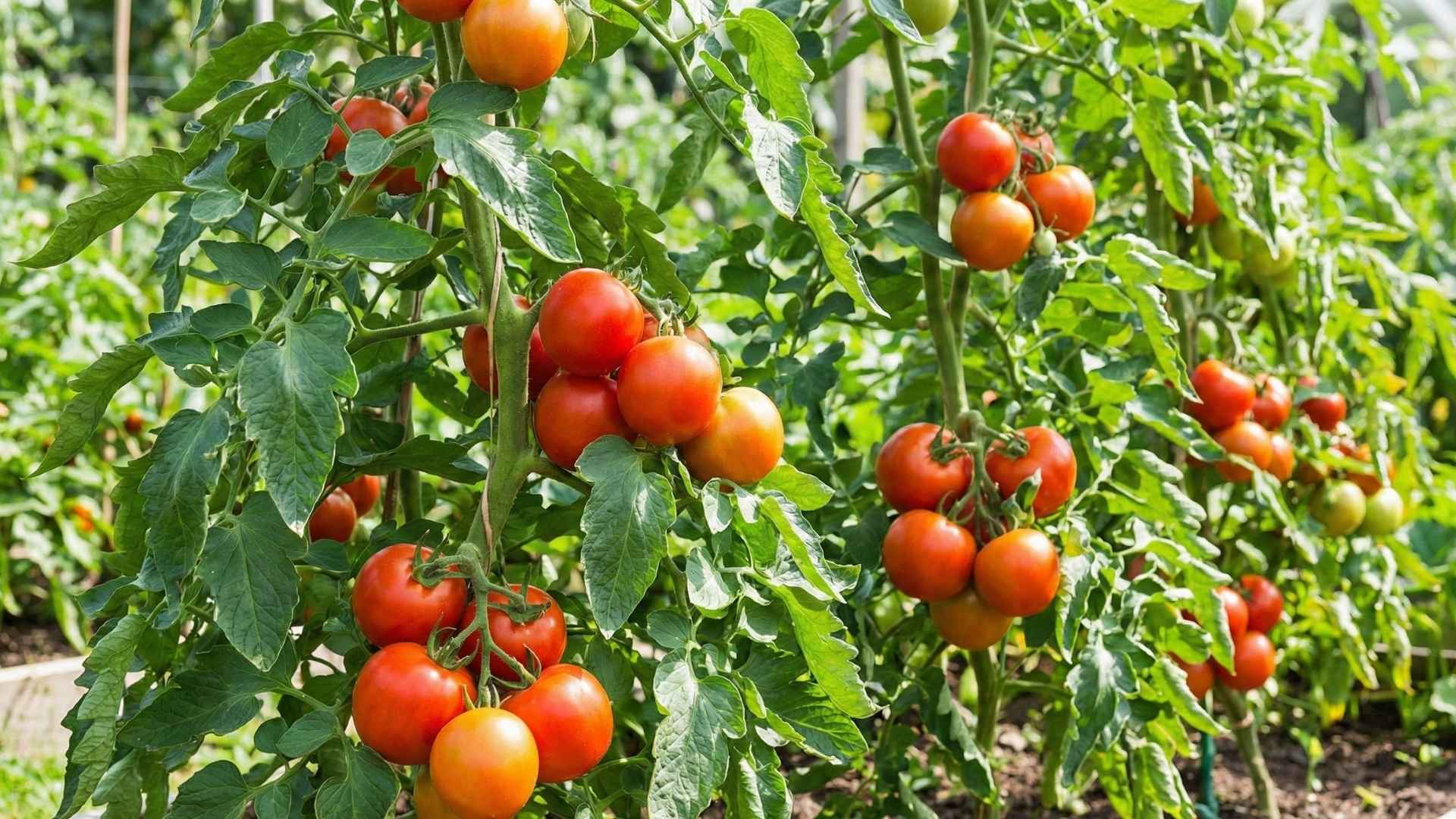
Ah, the joy of nurturing tomato plants in your home garden; from the first tiny, green buds poking through the soil to the lush, leafy promise of a bountiful harvest. Tomatoes can turn your garden into a vibrant palette, a visual feast that tantalizes your taste buds long before you pluck the ripe fruits. But what happens when those promising greens show signs of distress? The sight of holes chewed through leaves or, even worse, the sudden loss of foliage is enough to make any gardener despair. Fear not! Understanding the culprits and taking early action can rescue your tomato plants before it’s too late.
Why Are My Tomato Leaves Full of Holes?
It's natural to feel alarmed when you first spot holes in your tomato leaves. Could it be a new Arcimboldo-style art movement in the plant world? Unfortunately, no. The usual suspects for these unsightly holes are pests and environmental stressors. Let's dive into the most common reasons:
1. Caterpillars and Other Hungry Pests
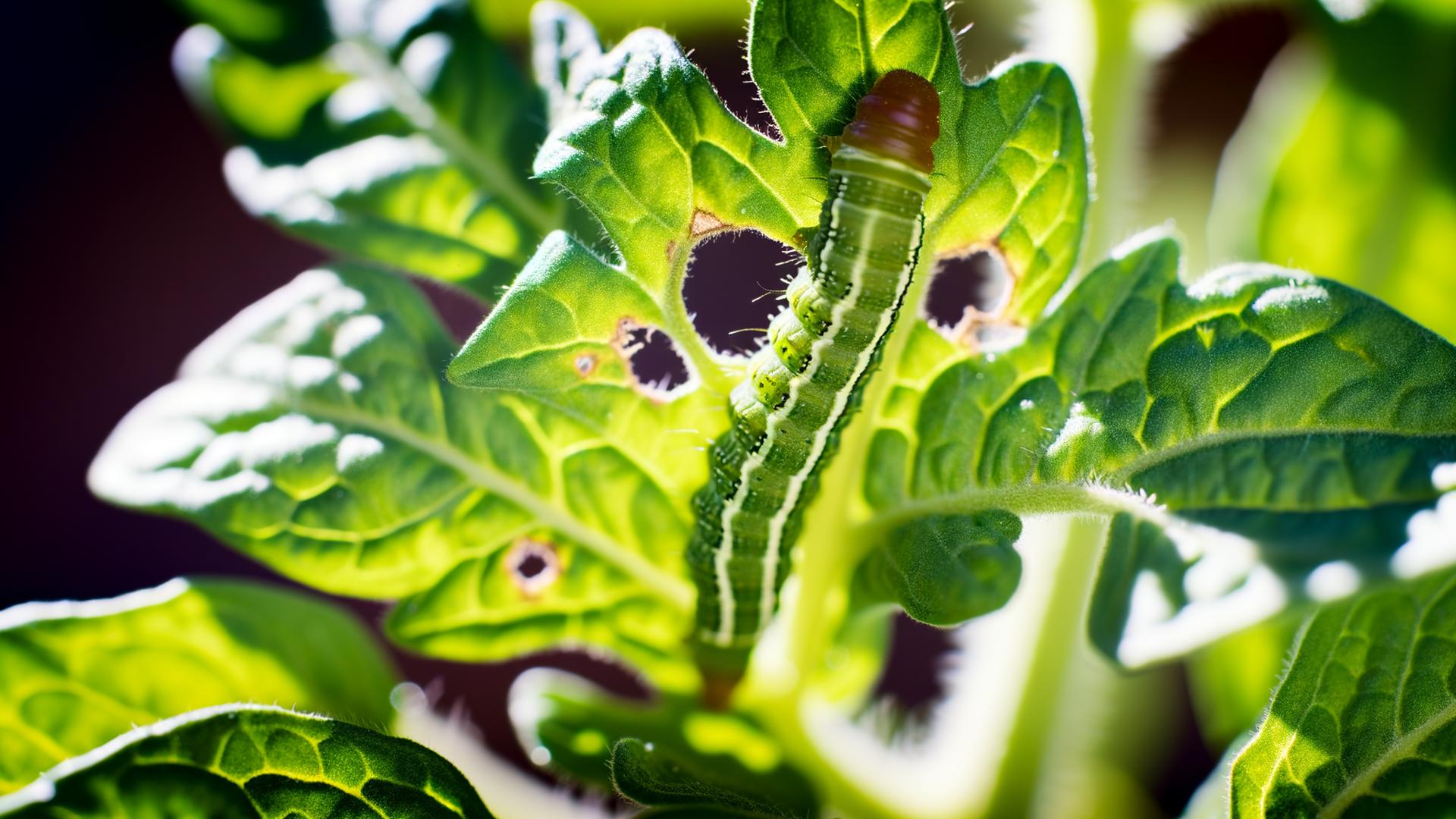
The first culprit on the list is often quite literally staring you in the face but can blend seamlessly into the foliage. Hornworms and other caterpillars, like the tomato fruitworm, have a voracious appetite for leaves. These little green munchers can decimate a plant in a manner of days if not weeks.
Hornworms, often mistaken for new leaves due to their green color and remarkable camouflage skills, enjoy feasting on the plant through the cool and dawn hours. To get ahead of them, inspect your plants regularly, especially during early morning hours when they are most active.
2. The Sneaky Slugs and Snails
Ever had the feeling something slimy is leaving a trail of destruction behind because precisely that might be happening! Slugs and snails venture out at night and leave behind a Swiss cheese pattern on leaves. The evidence often includes their signature slime trail. To counter their nighttime escapades, you might consider organic barriers or traps to lure them away.
3. Flea Beetles and Their Piercing Taste
Flea beetles might be small, but they pack a punch. These pint-sized pests create tiny holes in foliage and are especially relentless in warm, sunny weather. Often jumping between plants, they leave behind a trail of telltale tiny wound marks. Floating row covers serve as a handy defense mechanism until the early summer madness passes.
Sudden Loss of Foliage
The tragic sight of defoliation is enough to send a chill down any gardener's spine. While holes in leaves are bad, complete loss of foliage threatens the very survival of the plant:
4. Fungal Fears: Early Blight and Late Blight
Tomato plants are highly susceptible to fungal infections. Early blight, caused by the fungus Alternaria solani, starts as small black spots with concentric rings and can quickly escalate into leaf shedding. On the other hand, late blight (Phytophthora infestans) turns leaves into a water-soaked mess before they crumble away.
Both maladies thrive in damp conditions. Adequate spacing for air circulation and mulching to reduce soil splash can stave off these unwelcome pests. Regularly removing affected leaves and opting for resistant varieties can further guard against infection.
5. Stress From Overwatering or Underwatering
Tomato plants thrive on consistency. Sudden shifts between arid and drenched can trigger a stress response, leading to yellowing followed by defoliation. The golden rule: water deeply and infrequently, allowing the soil to breathe between sessions.
6. Nutrient Deficiencies: An Invisible Intruder
Much like humans, plants can suffer from poor nutrition. A lack of essential nutrients, particularly nitrogen, magnesium, and potassium, manifests as yellowing before leaf drop. Ensure your soil is rich, well-draining, and supplemented with a balanced fertilizer to provide the essentials.
7. The Silent Killer: Bacterial Wilt
Bacterial wilt (Ralstonia solanacearum) pulls no punches as it enters through the roots, swiftly cutting off a plant’s water supply. The initial wilting might be mistaken for underwatering, but despite best efforts, the plant continues to droop and shed leaves. Rotate crops regularly, and avoid planting susceptible species in succession.
Engaging in Active Defense
By now, you might feel like your tomato patch is under siege. But don't worry, you have not only the power to react but also to prevent much of this damage with some proactive care:
8. Natural Enemies: Encouraging Predators
Sometimes the enemy of your enemy can indeed be your friend. Ladybugs, spiders, and parasitic wasps feast on the very pests that target your plants. Cultivating these beneficial insects can create a natural line of defense.
9. The Power of Plant Companions
Nature provides solutions by way of companion planting. Marigolds, for instance, can repel nematodes, while basil can deter specific insects and enhance the flavor of your tomatoes.
10. Homemade Remedies: Embrace DIY Solutions
Concoct a soap spray using mild dish soap and water to combat small insect outbreaks. For slugs and snails, a simple beer trap can lure them away effectively. Just place a shallow dish of beer near your plants, and those nocturnal nibblers will find their last call.
FAQs
-
What are signs of pest infestations on tomato plants?
- Look for holes in leaves, slime trails, or visible insects like caterpillars.
-
How do I differentiate between fungal and bacterial issues?
- Fungal issues often show as spots on leaves, whereas bacterial problems might cause sudden wilt without spots.
-
Can over-fertilization cause leaf drop?
- Yes, excess of certain nutrients can burn the roots and stress the plant, leading to leaf drop.
-
How do I naturally protect my tomatoes from pests?
- Encouraging beneficial insects and planting companions like marigolds can aid in natural pest control.
-
What are common signs of underwatering?
- Wilting, yellowing, and dry, crispy leaves signal a need for increased watering.
-
Is damaged foliage salvageable after pest removal?
- Often, new growth can thrive once the pests are managed and conditions stabilized.
-
How can I prevent tomato diseases?
- Practice crop rotation, ensure good air circulation, and keep foliage dry to minimize disease risks.
-
What’s the best time for applying pesticides?
- Early morning or late afternoon to avoid harming beneficial insects active during the day.
-
What are practical methods to identify bacterial wilt?
- Perform a cut test; when a diseased stem is cut, sticky bacterial ooze may appear.
-
Can environmental factors like wind affect my tomatoes?
- Yes, high winds can damage leaves and lead to increased pest vulnerability. Use windbreaks to shield plants.
Discussion (0)
No comments yet. Be the first to start the conversation!
Leave a Reply