A Personal Journey to the Orchard
Planting an apple seed is an act of faith and patience, two qualities deeply rooted in my family's legacy. I remember being a curious child, wandering through my grandfather’s orchard with wide eyes and tiny hands stretched out to grasp any apple that fell to the ground. The sweet aroma, the rustle of the leaves, and the gentle hum of bees were my first lessons in the bounty of nature. Those golden memories fueled an unyielding desire to bring the orchard magic to my own backyard, starting with the humble seed of an apple.
Fast forward to today, and the thrill of witnessing an apple seed transform into a sprouting sapling never fails to evoke childhood wonder. Join me on this journey as we uncover the secrets to cultivating your own apple tree from seed, starting with the enigmatic process of stratification.
Understanding Apple Seeds: The Genesis of Growth
Before we delve into the stratification process, it’s crucial to grasp the basics of apple seeds. The seeds are essentially the embryos of the apple orchard, intricately packed within the core, waiting for conducive conditions to flourish. However, germination is not as simple as burying a seed in the soil. Nature has clever ways of ensuring that the seeds grow when the environment can support them.
The Anatomy of an Apple Seed
The apple seed comprises several layers, each with specific functions. The outermost layer, or seed coat, protects the embryo inside. Nestled within is the endosperm, a nutrient-rich source that feeds the embryonic plant during its initial phase of growth. This remarkable structure is precisely what we aim to coax into life.
The Dormancy Dilemma
Before germination, apple seeds undergo a period of dormancy. This is nature’s way of ensuring that seeds do not sprout prematurely in harsh conditions. To awaken these dormant seeds, replicating the natural winterizing process through stratification is necessary.
Stratification: Unlocking the Secret to Germination
Stratification is a critical, albeit lesser-known, step in the propagation of apple trees from seed. This process mimics the winter conditions that break the dormancy of seeds, setting the stage for successful germination.
The Science Behind Stratification
In a natural setting, apple seeds are exposed to cold temperatures over a period of time, a requirement for breaking down germination inhibitors. This cold-induced chemical change inside the seed is similar to Mother Nature’s programming to cue “start” when spring arrives.
The Step-by-Step Process
Stratifying apple seeds can be broken down into straightforward steps:
-
Gather Healthy Seeds: Start with ripe, organically grown apples. Cut open, remove the seeds, and rinse them thoroughly to eliminate any sugar or moisture residue.
-
Dry the Seeds: Spread the seeds on a paper towel. Allow them to air dry for several days to prevent mold formation during stratification.
-
Cold Storage Prep: Place the dried seeds in a resealable plastic bag with a damp paper towel or sphagnum moss. This moist environment is crucial for simulating cold winter.
-
Refrigerate: Store the bag in the refrigerator, ensuring the temperature remains around 34-40°F (1-5°C). Let the seeds rest for about 6 to 10 weeks, checking periodically for signs of sprouting.
-
Phase-In to Warmth: Following stratification, introduce the sprouted seeds to room temperature gradually over a few days before planting.
Plant with Confidence: From Seed to Sapling
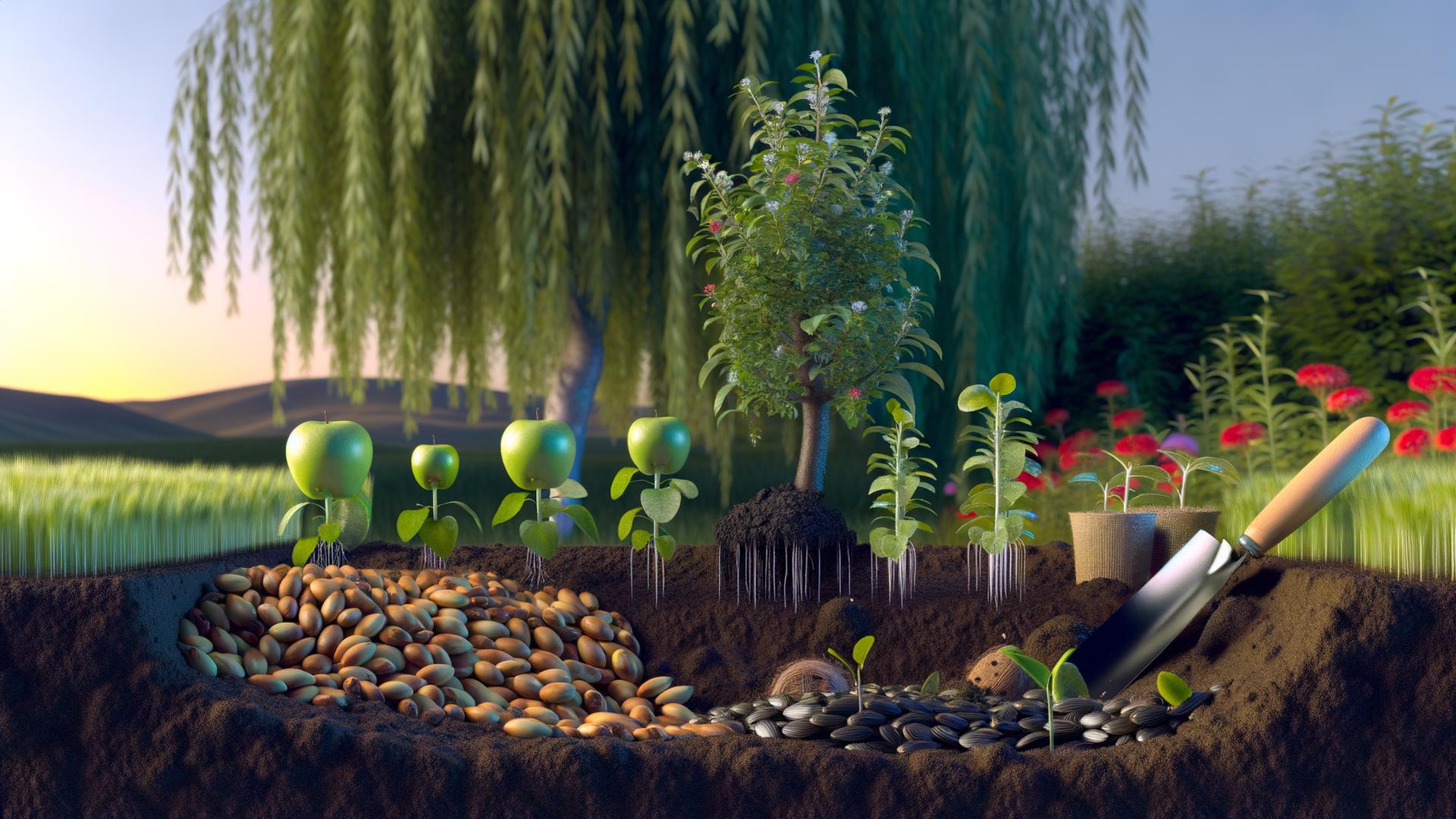
Once the seeds have successfully broken dormancy, the next step in your journey is planting them. Turning these tiny seeds into sturdy saplings requires attention, knowledge, and a touch of grace.
Preparing the Right Soil Mix
The first step is understanding that apple seeds thrive in well-drained, loamy soil. Mix equal parts of sand, peat moss, and perlite for a perfect starter soil mix, promoting optimal root establishment.
Planting the Seeds
When it’s time to plant your germinated seeds:
-
Container Selection: Opt for starter pots with proper drainage holes to nurture your saplings.
-
Seeding: Plant seeds about half an inch deep, lightly covering them with soil. Ensure thorough watering without waterlogging.
-
Sunlight and Watering: Position your pots in a spot that receives ample sunlight but not direct, harsh rays. Maintain consistent moisture in the soil without letting it dry out.
Caring for Young Saplings
Once the seedlings start emerging, maintain their growth by:
- Providing Support: Young plants might need small stakes to help them grow upright.
- Nutrient Boost: After a few weeks, supplement with organic fertilizer to enrich the growing environment.
Transplanting Outside: The Home Stretch
After nurturing your saplings indoors, it’s eventually time to transplant them into their permanent location in the garden, ensuring they continue to thrive and bear fruit.
Choosing the Perfect Spot
Select a site with full sun exposure and good air circulation. Apple trees need at least six hours of direct sunlight each day. Ensure spacing between trees to allow room for growth and airflow.
The Art of Transplanting
-
Acclimatize: Gradually introduce the young trees to the outdoor environment over a week to avoid transplant shock.
-
Digging the Hole: The planting hole should be twice as wide and as deep as the root ball of the sapling to give space for root expansion.
-
Planting: Place the tree in the hole, filling with soil and pressing down gently. Water thoroughly.
-
Mulching: Apply organic mulch around the base, keeping it a few inches away from the trunk to retain moisture and deter weeds.
Ensuring Blossoming Success: Long-Term Care
Caring for your apple trees does not end with planting. Routine maintenance and care are essential to foster a flourishing orchard.
Pruning
Pruning promotes a healthy structure and encourages fruit production. Best done in late winter, focus on removing any damaged, dead, or crowded branches. Train the main structure while the tree is young to funnel energy upwards.
Pest Management
Implementing organic pest control methods, like neem oil, or encouraging beneficial insects to inhabit your garden, can maintain a balanced ecosystem and safeguard your apple trees.
Fertilization Routine
Use balanced, organic fertilizers during the growing season to enhance fruiting. Be cautious not to over-fertilize as it can lead to excessive foliage growth at the expense of fruit production.
Celebrating Your First Harvest
The sweet fruition of patience and labor arrives when your apple tree finally bears fruit. Each apple represents the journey from seed to tree—a testament to your dedication and nature's miracles.
FAQs
How long does it take to grow an apple tree from seed to fruit?
It typically takes 7 to 10 years for an apple tree grown from seed to mature enough to bear fruit. However, some trees may begin to fruit slightly earlier, depending on the variety and growing conditions.
Can any apple seed be used to grow a tree?
While any apple seed can technically be planted, seeds from organically grown apples are preferable as they have not been genetically altered or exposed to chemicals that might affect their growth.
Do apple trees grown from seeds produce apples identical to their parent?
Not usually. Apples grown from seed are genetically distinct from their parent trees, often resulting in different fruit variety in terms of taste and appearance.
Is stratification necessary for all apple seeds?
Yes, stratification mimics natural winter conditions to break seed dormancy, essential for germination. Without it, seeds may not sprout.
How do I store apple seeds for planting?
After drying, store apple seeds in a cool, dry place or refrigerate them as part of the stratification process. Ensure seeds remain moist and do not dry out completely.
Can I grow an apple tree indoors?
While apple trees can start indoors, they need to be transplanted outside to receive adequate sunlight and space necessary for full growth and fruiting.
What pest issues should I watch for with apple trees?
Common apple tree pests include aphids, apple maggots, and codling moths. Organic pest control measures can help manage these issues effectively.
How does climate affect apple tree growth?
Apple trees thrive in climates with cold winters and moderate summers. They require a certain number of chilling hours to produce fruit effectively.
How often should apple trees be watered?
Young apple trees require consistent moisture. Water them deeply once a week, more often during dry spells, ensuring the soil remains damp but not waterlogged.
What is the role of cross-pollination in apple trees?
Most apple varieties need cross-pollination from another cultivar to produce fruit. Ensure a compatible pollinator tree is nearby to facilitate this process.
Discussion (0)
No comments yet. Be the first to start the conversation!
Leave a Reply