The Story of My First Pot of Chives
I still cherish the memory of the first time I successfully grew chives in a pot. It was one of those breathtakingly crisp spring mornings, the kind where the air is filled with the promise of new beginnings. After years of living in a small city apartment with no yard space, I decided to test my green fingers by starting with something simple: chives.
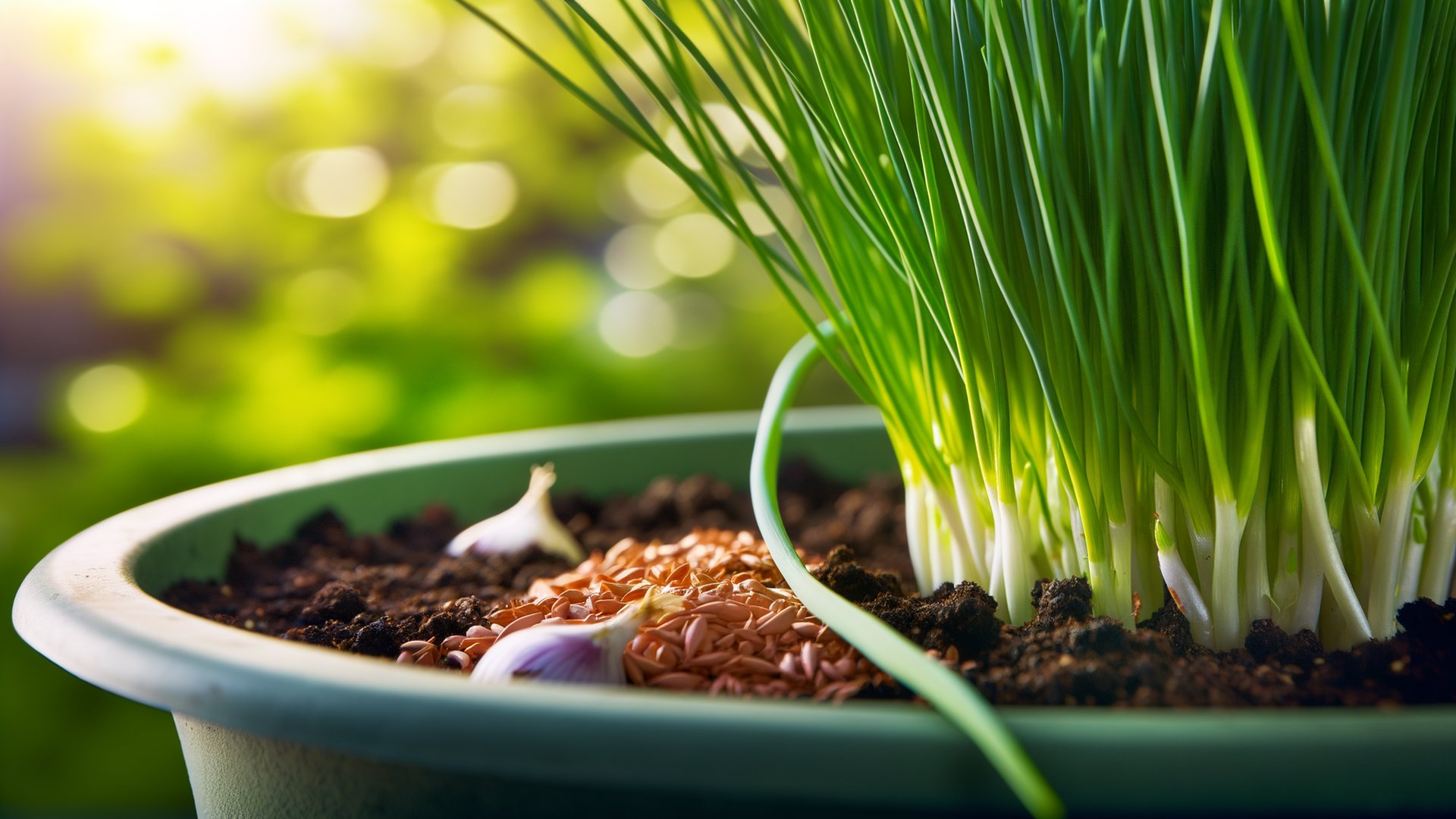
That morning, I stood by the old wooden table on my balcony. A few packets of onion seeds lay before me, promising not just fresh ingredients for garnishing my omelets but the start of a new hobby. As I sprinkled the tiny seeds into a pot filled with rich, dark soil, I felt a connection to the earth that I hadn’t experienced before.
Fast forward to six weeks later, and there they were: slender spires of chives swaying gently with the breeze, their vibrant green adding life to my little urban nook. There's something supremely satisfying about plucking fresh herbs you've grown yourself. It wasn't just about growing food; it was the joy of nurturing life, however small, in my corner of the world.
Understanding Chives
What Are Chives?
Chives, a member of the allium family, are closely related to onions, garlic, and leeks. Known for their delicate onion flavor, they are a popular addition to a variety of dishes, particularly when used fresh as a garnish. Unlike their relatives, chives are grown more for their leaves than their bulbs, making them perfect for pot cultivation.
Benefits of Growing Chives
Beyond the culinary delight, chives bring numerous benefits:
- Nutrient-Rich: Chives are packed with vitamins A, C, and K, calcium, and iron.
- Pollinator-Friendly: Their purple blossoms attract beneficial insects like bees.
- Natural Pest Repellent: Chives can help keep some pests at bay when kept close to other plants.
- Aesthetic Appeal: From delicate purple blossoms to their lush green fronds, chives can also serve as a stunning ornamental plant.
Preparing to Plant Chives in a Pot
Choosing the Right Pot
When it comes to selecting a pot, here are a few considerations:
- Size: Aim for a pot that's at least 6-8 inches deep and 8-10 inches wide to encourage root expansion and optimal growth.
- Material: Pots made of porous materials like terracotta are excellent as they allow for better air circulation, but any pot with good drainage will do.
Selecting the Soil
Opt for a well-draining potting mix to ensure the roots don't sit in water. A good potting mix for chives is one that includes a portion of sand or perlite for added drainage.
Gathering Supplies
You'll need:
- Quality onion seeds, preferably organic
- A suitable pot with drainage holes
- Potting mix that is light and well-draining
- A watering can or bottle with a spout for gentle watering
Planting Onion Seeds for Chives
Seed Starting
- Timing: The best time to start growing chives is in early spring. This gives the plant a head start as the warmer weather settles in.
- Soil Preparation: Moisten the potting mix slightly before filling the pot. This aids in seed settlement.
- Sowing Seeds: Sprinkle the onion seeds evenly over the surface of the potting mix. Cover them with a thin layer of soil, about 1/4 inch.
- Initial Watering: Gently water the soil to avoid displacing the seeds. Ensure it’s damp but not waterlogged.
Finding the Perfect Spot
Chives thrive best in:
- Full Sunlight: Aim for at least 6-8 hours of bright, indirect sunlight per day.
- Temperature: Keep the pot in a spot where the temperature stays between 60°F and 70°F, particularly when the seeds are germinating.
Caring for Growing Chives
Watering Routine
- Frequency: Water the chives evenly to keep the soil consistently moist. Avoid overwatering, which can lead to root rot.
- Method: Use a watering can with a narrow spout to gently water the soil, preventing damage to the seeds or roots.
Fertilizing Chives
Though chives aren’t demanding, a little boost can help:
- Organic Fertilizer: Apply a diluted liquid fertilizer once a month during the growing season.
- Balanced Nutrients: Look for fertilizers high in phosphorus to encourage better flowery growth.
Pruning for Health and Longevity
- Regular Harvests: Frequently snip the tops of the chives to encourage bushier growth.
- Remove Blossoms: Deadheading the purple flowers prevents the plant from going to seed, thus bolstering leaf production.
Common Challenges and Solutions
Overcrowding
When multiple seedlings sprout, gently thin them out to give the strongest plants room to grow.
Pests and Diseases
- Aphids and Slugs: Promptly remove pests by hand or wash them off with a gentle stream of water.
- Fungal Issues: Ensure that plants have good air circulation and avoid watering late in the evening to prevent mildew.
Yellowing Leaves
Yellowing can signal overwatering or a lack of nutrients. Adjust the watering schedule and consider a light feed with liquid fertilizer.
Enjoying Your Fresh Chives
Harvesting
- Timing: Begin harvesting when the plant reaches about 6 inches in height.
- Method: Use scissors to clip the chive leaves at the base, roughly 1-2 inches from the soil.
Usage Ideas
Use fresh chives to:
- Garnish soups, salads, and scrambled eggs
- Infuse oils or vinegars
- Make classic dishes like baked potatoes more flavorful
FAQs on Growing Chives in Pots
FAQ 1: Can chives be grown indoors?
Yes, chives can be successfully grown indoors as long as they receive enough sunlight or supplemental light.
FAQ 2: How often should I water my potted chives?
Water every few days, making sure the soil remains consistently moist but not soggy.
FAQ 3: How do I know when my chives are ready to harvest?
Chives can be harvested when they reach at least 6 inches in height.
FAQ 4: Can I use any type of potting soil to grow chives?
Use a well-draining potting mix, ideally one with sand or perlite for added drainage.
FAQ 5: What should I do if my chives start to flower?
Deadhead the flowers to encourage the growth of fresh leaves.
FAQ 6: Are there common pests that affect chives?
Aphids and slugs can be problematic but can be managed with regular checks and gentle washing.
FAQ 7: How much sun do chives need?
Chives require 6-8 hours of bright, indirect sunlight per day.
FAQ 8: Can chives survive winter outdoors?
Chives can tolerate some cold, but for potted plants, it's best to bring them indoors if the temperature drops significantly.
FAQ 9: Why are my chive leaves turning yellow?
Yellowing leaves might be due to overwatering or nutrient deficiency; adjust care routines accordingly.
FAQ 10: Is it necessary to regularly prune my chives?
Yes, regular pruning encourages bushier growth and prevents the plants from becoming spindly.
Discussion (0)
No comments yet. Be the first to start the conversation!
Leave a Reply