
A Winter Reflection: My Journey
On a crisp February morning, as the frost shimmered delicately on each leaf in my garden, I found myself reflecting on the gentle rituals of the season. It was that time of year again—the time when I would embark on the quiet but essential task of pruning my shrubs. I remember how my grandmother, with her weathered hands and soft smile, taught me the art of pruning. As a child, I watched in awe as she transformed what seemed like a tangled mess into a vibrant tapestry of life come spring. This memory has always anchored my understanding of gardening: it's about the delicate dance between patience and action, between winter's slumber and the vibrant promise of spring.
Understanding the Art of Pruning
The Science Behind Pruning
The concept of pruning a shrub is intertwined with both the science and art of gardening. Scientifically, pruning is about removing dead or overgrown branches to encourage healthy development and growth. It promotes air circulation and helps plants use nutrients more efficiently. The art, however, lies in how you shape the shrub, respecting its natural form while enhancing its potential beauty.
Why February?
February is an ideal month for pruning shrubs, particularly for those that bloom in summer. During this period, most shrubs are in a dormant state, which minimizes the shock to the plant and reduces the risk of pest infestation. Temperatures in most climates haven't warmed up enough to initiate rapid growth, making it a prime time for maintenance.
Essential Tools for Pruning
Selecting Your Tools
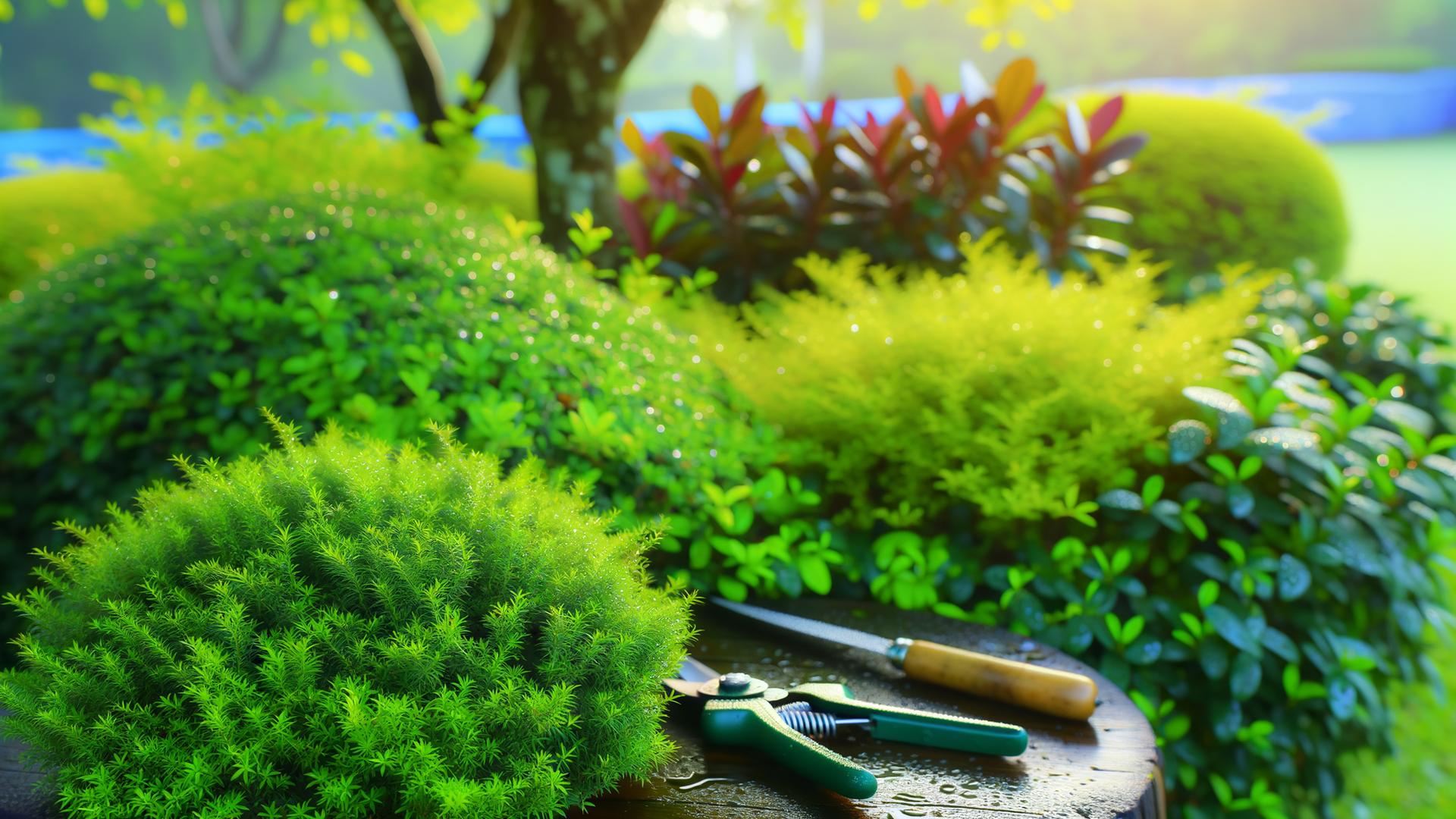
Embarking on a pruning project without the right tools is like trying to paint a masterpiece with a wet mop. For effective shrub pruning, invest in high-quality tools such as bypass pruners, loppers, and saws. Each tool has its purpose, from trimming small twigs to tackling thicker branches.
Maintaining Your Tools
It’s crucial to keep your tools sharp and clean. Sharpen blades regularly to ensure clean cuts, and sanitize your tools with a bleach solution after each session to prevent the spread of diseases. Remember, clean tools don’t just make the job easier—they also protect your plants.
Techniques and Tips for Pruning
Understanding Growth Patterns
Before you commence pruning, observe the growth patterns of your shrubs. Some, like roses, prefer a more aggressive cut, while others need a gentler approach. Study each type of shrub, focusing on its natural shape and identifying any dead wood that can be removed without hesitation.
The Cut: Timing and Precision
When making cuts, hold the tool at a 45-degree angle above a healthy bud facing outwards. This angle encourages water to run off instead of accumulating and risking rot. Start by trimming away dead, damaged, or crossing branches. Next, thin out dense areas to improve airflow and light penetration. Always make cuts above a bud that faces outward to promote outward growth.
Specific Shrub Considerations
Evergreens
Evergreen shrubs such as junipers and spruces require minimal pruning. Focus on removing damaged limbs and shaping the plant without cutting into old wood that won't resprout.
Flowering Shrubs
For flowering shrubs like hydrangeas and lilacs, understand their blooming cycle. Summer-flowering shrubs that bloom on current year’s growth should be pruned in late winter, whereas spring-flowering shrubs blooming on last year's growth should be pruned after they finish blooming.
Roses
Roses benefit significantly from February pruning in many climates. Remove any dead or weak stems, open up the bush for better air circulation, and cut above outward-facing buds to promote desirable growth.
Common Mistakes to Avoid
Over-Pruning
A common pitfall for many gardeners is over-pruning. While it might be tempting to achieve a perfectly sculpted look, excessive cutting can stress the plant and inhibit growth. Preserve the plant's natural form whenever possible.
Ignoring Timing
Pruning at the wrong time can lead to a loss of blooms and even plant damage. Always research and adhere to the best time to prune each specific type of shrub in your garden.
Using Dull Tools
Attempting to prune with dull tools is not only frustrating but harmful to plants. It can crush stems, invite diseases, and make plants prone to pest infestations.
Preparing Your Garden for Spring
Clean-Up and Maintenance
After pruning, clear away all of the debris, ensuring you dispose of any diseased plant material properly to prevent spreading issues later. Renew organic mulch around the base of the shrubs to help retain moisture and suppress weeds as the temperature warms.
Refreshing Soil and Nutrients
February is also an excellent time to consider the nutrient needs of your shrubs. Test your soil and amend it if necessary with compost or a balanced, slow-release fertilizer to support the new growth you'll foster with your careful pruning.
The Emotional Reward of Pruning
While February pruning is certainly a practical task, it's also deeply reflective. As you trim away the old and encourage the new, you form a connection with the cycle of life, growth, and rejuvenation. It's a moment to appreciate the dormant beauty of winter and anticipate the vibrant burst of life that will soon follow in your garden.
Frequently Asked Questions
What are the best tools for pruning shrubs in February?
The best tools for pruning shrubs include bypass pruners, loppers, and pruning saws. These tools help make precise cuts needed for healthy plant maintenance.
Why is February an ideal month for pruning shrubs?
February is ideal because shrubs are generally in a dormant state, which reduces shock and the risk of infestation. Additionally, you're prepping the plant for vigorous spring growth.
How do I know if I'm over-pruning?
Signs of over-pruning include too many cuts leaving the shrub sparse, a reduction in flower or leaf production, and stressed plant appearance. Always follow guidelines for the specific plant species.
Can I prune all types of shrubs in February?
Not all shrubs should be pruned in February; only those that bloom on the current year's growth, typically summer-flowering shrubs. Spring-flowering shrubs should be pruned after flowering.
How do I sharpen pruning tools?
Use a sharpening stone or file, maintain a consistent angle, and run the stone along the blade’s edge away from yourself. This keeps tools in optimal condition.
Is pruning necessary every year?
Yes, annual pruning helps maintain plant health, encourages growth, and improves flowering by removing dead or diseased wood and encouraging proper shape and form.
What is the correct way to dispose of pruning debris?
Compost healthy debris or use it as mulch. Dispose of diseased plant material away from the garden to prevent spread, ideally through municipal disposal means.
Can I use an electric hedge trimmer for all shrubs?
While electric hedge trimmers can be efficient for shaping, they are not as precise as hand tools for detailed pruning, especially on thicker branches or when removing specific diseased limbs.
What should I do if I accidentally cut too much off my shrub?
Monitor the shrub carefully. New growth will often occur over time. Avoid further pruning stress, and support the plant's recovery with proper watering and nutrient application.
How can I prevent disease spread during pruning?
Sanitize your tools with a bleach solution before and after each pruning session, especially when moving between plants, to minimize the risk of spreading disease.
Discussion (0)
No comments yet. Be the first to start the conversation!
Leave a Reply