
February in the Garden: Essential Tasks for a Thriving Spring
As I walked through my snow-dusted garden on a crisp February morning, I was overcome with a sense of anticipation. The air was laced with the faint scent of promise and potential, as if nature was whispering secrets of what was to come. Watching the bare branches swaying gently in the winter breeze, I recalled the first time I truly embraced winter's end as a gardener. Back then, February merely seemed like an extension of the dormant, cold months. Little did I know, it was a critical juncture—a time to lay the foundations for a flourishing spring that would burst forth with renewed life and color.
The Awakening of the Garden Spirit
Gardening in February is like setting the first notes of a symphony, each task harmonizing to prepare for the grand crescendo of spring. From pruning the rugged winter survivors to nourishing the soil, every effort is a step toward vibrant blooms and bountiful harvests. Over the years, I’ve learned that this month isn't just about waiting for spring; it’s about preparing for it.
Preparing Soil for Spring Planting
Clearing Debris and Mulch
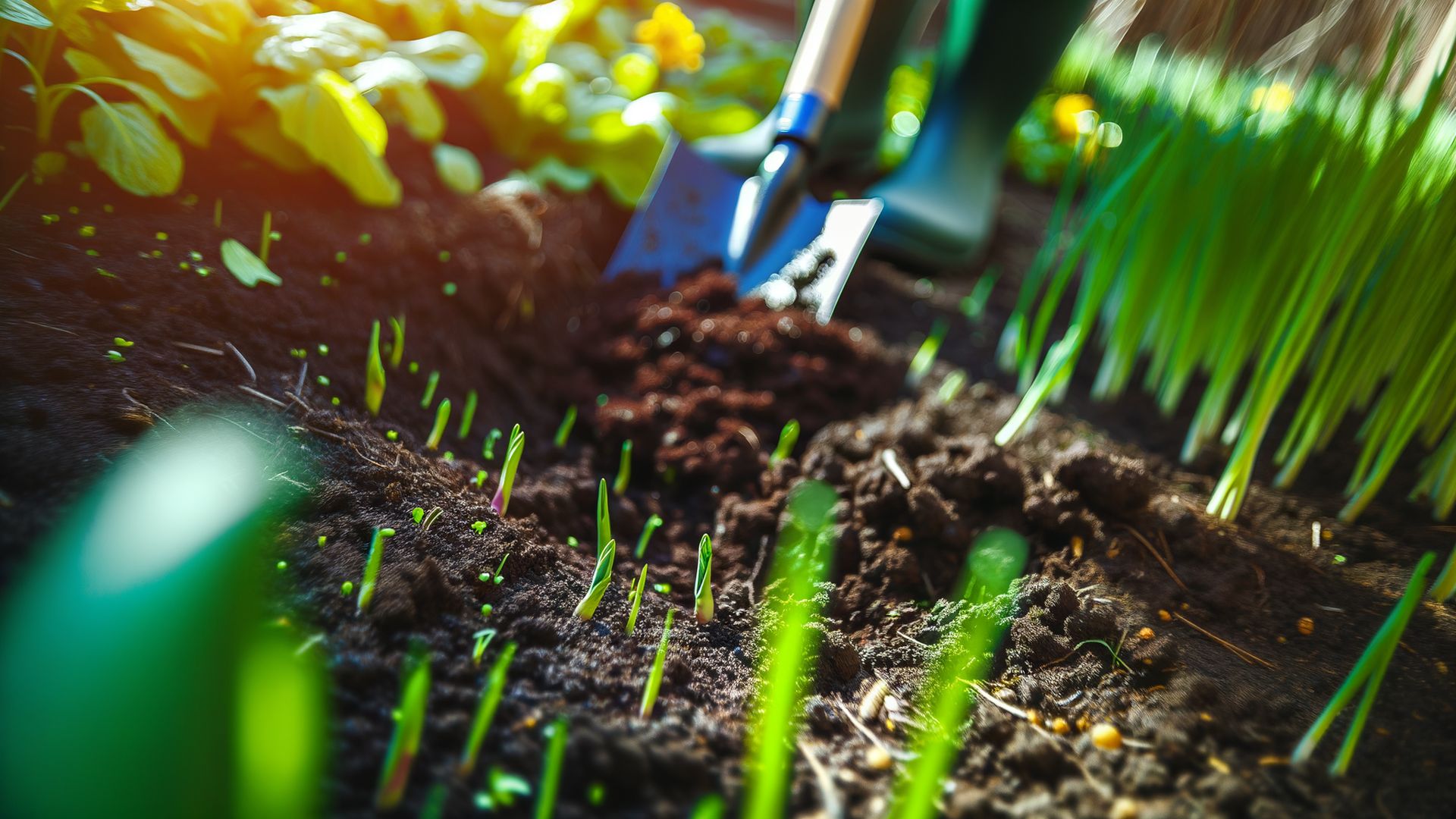
As winter recedes, shedding its icy grip, the first order of business in the February garden is clearing debris. Leaves, twigs, and dead annuals need to be gathered and composted. This simple act not only tidies up the garden but also opens the ground to essential sunlight and warmth.
Soil Testing and Amendment
The next step is to test your soil to determine its pH and nutrient levels. A simple test kit will guide you on how to amend your soil. Whether it’s adding lime to balance acidity or incorporating organic matter for improved texture, amending your soil now will set the stage for flourishing growth.
Composting is essential this month. Refresh your compost heap by turning it and adding in organic materials such as dried leaves and kitchen scraps. This nutrient-rich compost can then be integrated into your garden beds, ensuring they are ready for planting.
Pruning and Caring for Perennials and Trees
Pruning Techniques
Late winter is an ideal time for pruning because it encourages healthy growth. Prune fruit trees and hardy shrubs like roses and hydrangeas while they are still dormant. The goal is to remove dead or crossing branches and open up the center of the plant to light and air.
Maintenance of Perennials
Cut back the dead stems of perennials such as ornamental grasses. Be careful not to disturb new shoots appearing at the base. Divide and transplant any overgrown perennials to maintain their vigor and prevent crowding.
Starting Seeds Indoors
Seed Selection
Start by choosing seeds for hardy crops and flowers. Consider cool-season vegetables such as lettuce, kale, and broccoli. For flowers, choose pansies and snapdragons which thrive in cooler temperatures.
Equipment and Tips
Invest in quality seed-starting trays and a compact, adjustable grow light. Fill your trays with seed-starter mix, sow your seeds at the recommended depth, and keep them moist. Placing them on a warm windowsill will speed up germination.
Planting Bare-Root Plants
February is the perfect time to plant bare-root plants, such as roses and fruit trees. These are sold in their dormant state and are easier to establish. Ensure the planting site is well-prepared and that roots are spread out and not overcrowded.
Enhancing Garden Structures
Repairing and Building
Assess any garden structures such as fencing, trellises, and raised beds for damage after the winter months. Repair and enhance these structures to ensure they can support your garden throughout the growing season.
Planning Hardscaping Projects
February offers the opportunity to plan new hardscaping projects. Consider adding pathways, patios, or water features to create a more engaging garden environment.
Wildlife and Pest Management
Encouraging Beneficial Wildlife
Welcome natural allies such as birds and insects that control unwanted pests. Install birdhouses and keep feeders stocked to encourage their presence. Plant native shrubs that provide food and shelter.
Pest Control Strategies
Monitor your garden for signs of pests emerging. Implement non-toxic methods such as companion planting and physical barriers to protect your plants without harming the ecosystem.
Indoor Garden Care
Houseplant Maintenance
February is also ideal for tending indoor plants. Prune leggy growth, increase humidity with misting, and check for pests. Gradually acclimate houseplants to increased light by moving them closer to bright windows.
Propagation Projects
Experiment with propagation by taking cuttings from indoor plants. This not only expands your collection but also gives a deeper sense of connection to your greenery.
Planning a Companion Planting Scheme
Understanding Companion Planting
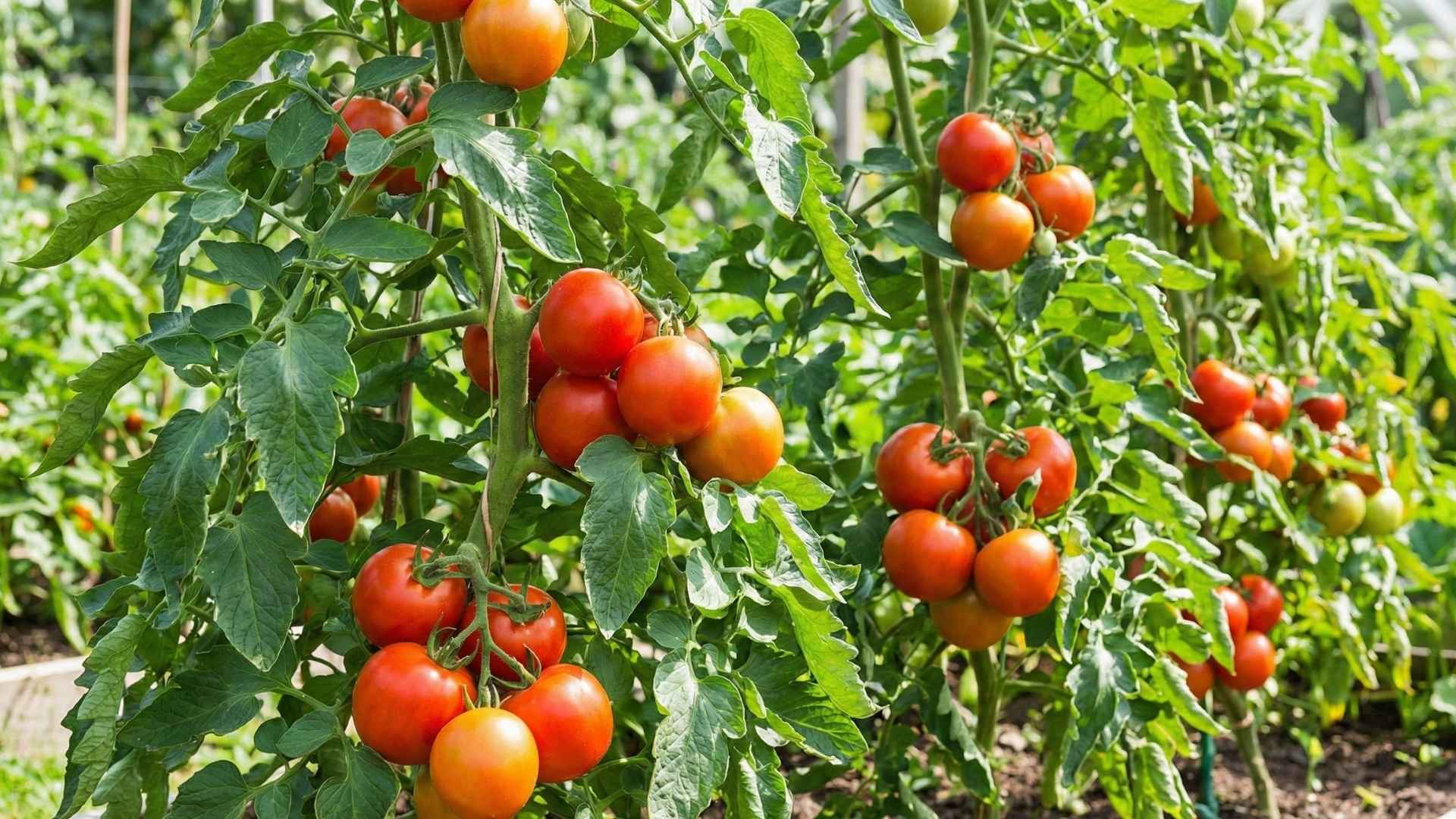
Companion planting involves pairing plants that benefit each other. Research which combinations improve growth and deter pests. Marigolds, for instance, planted alongside tomatoes repel nematodes and other pests.
Implementing a Plan
Devise a planting layout that incorporates beneficial companionship. This reduces the need for chemical interventions and promotes thriving plant relationships.
Conclusion: The Promise of Spring
As the days grow longer and the earth begins to stir, February in the garden becomes a month of meaningful preparation. Each task undertaken is a testament to the seasons' cyclical nature and the gardener’s role in both nurturing and respecting this cycle. As we relish these moments of labor and connection with the soil, we set the stage for a vibrant, flourishing spring.
FAQs
1. What can I plant in February for a spring garden?
In February, you can start cool-season crops like lettuce, kale, and broccoli indoors. You can also plant bare-root trees and perennials outside.
2. Why is pruning important in February?
Pruning in February helps remove dead branches, promotes new growth, and ensures better air circulation for healthier plants, especially for dormant fruit trees and shrubs.
3. How do I prepare the soil for spring planting?
Begin by clearing debris, then test the soil to understand its nutrient makeup. Add compost and necessary amendments to improve soil structure and fertility.
4. Which garden structures should be checked for repairs in February?
Check fences, trellises, and raised beds for any winter damage. February is an ideal time to strengthen or replace these structures.
5. Can I propagate indoor plants in February?
Absolutely! February is a great time to take cuttings from indoor plants for propagation, as the growing conditions start to improve with increasing daylight.
6. How do I manage pests organically?
Utilize companion planting, maintain garden cleanliness, and encourage the presence of beneficial insects and birds to manage pests organically.
7. What is bare-root planting?
Bare-root planting involves shrubs and trees sold in a dormant state without soil. Plant them in February to establish strong root systems in the coming seasons.
8. How do I start seeds indoors?
Use seed trays or pots with seed-starter mix, sow seeds at the appropriate depth, and place them under grow lights or a warm, sunny window to encourage germination.
9. Should I divide perennials in February?
Yes, February is an excellent time to divide and transplant overgrown perennials to rejuvenate them and prevent overcrowding.
10. What are the benefits of companion planting?
Companion planting improves plant health, deters pests, enhances pollination, and can increase yield without the need for chemical fertilizers.
Discussion (0)
No comments yet. Be the first to start the conversation!
Leave a Reply