A Spring Awakening: My Floral Journey
As winter's chill began to fade, a sense of hope and rebirth filled my heart. It was a crisp morning in early March, and I found myself eagerly stepping into my garden — a cherished haven I've nurtured for years. The air was tinged with the promise of renewal, carrying the soft melodies of awakening nature. Kneeling down to inspect the dormant beds, I could almost feel the pulsating life beneath the soil, a latent energy yearning to explode into color and fragrance. With each passing day, the garden transformed into a kaleidoscope of blooms, and I, its humble custodian, found joy and tranquility that only nurturing nature can bring.
It is this journey of nurturing that I wish to share with you. Whether you are a seasoned gardener or a newcomer to the world of flowering plants, caring for your spring garden flowers offers both challenges and delights. Let's explore some essential tips to help your garden flourish and become a haven of beauty and serenity.
Preparing Your Garden for Spring
Cleaning Up the Garden
Before planting, it is crucial to clean up your garden. Remove any debris, dead plants, and weeds from the garden area to create a clean slate for new growth. This will help prevent the spread of disease and allow your plants to begin on a healthy note.
Soil Preparation
Healthy flowers begin with great soil. Test your soil's pH level to determine if any adjustments are necessary. Most spring flowers thrive in slightly acidic to neutral soil. Incorporate organic matter, such as compost or well-rotted manure, to improve soil structure and fertility.
Planning Your Layout
Dreaming up your garden's layout can be an exercise in creativity. Consider factors like color schemes, plant height, and sun exposure when planning your garden design.
Selecting Your Spring Flowers
Hardy Perennials
Perennials are a gardener’s best friends as they return year after year, growing stronger each season. Opt for hardy perennials such as peonies, daylilies, and hostas to form the backbone of your spring garden.
Annuals for Instant Color
Annuals can provide a burst of color and fill in gaps as perennials establish themselves. Consider vibrant choices like marigolds, petunias, and impatiens, which are easy to grow and maintain.
Bulbs: Nature’s Sleepers
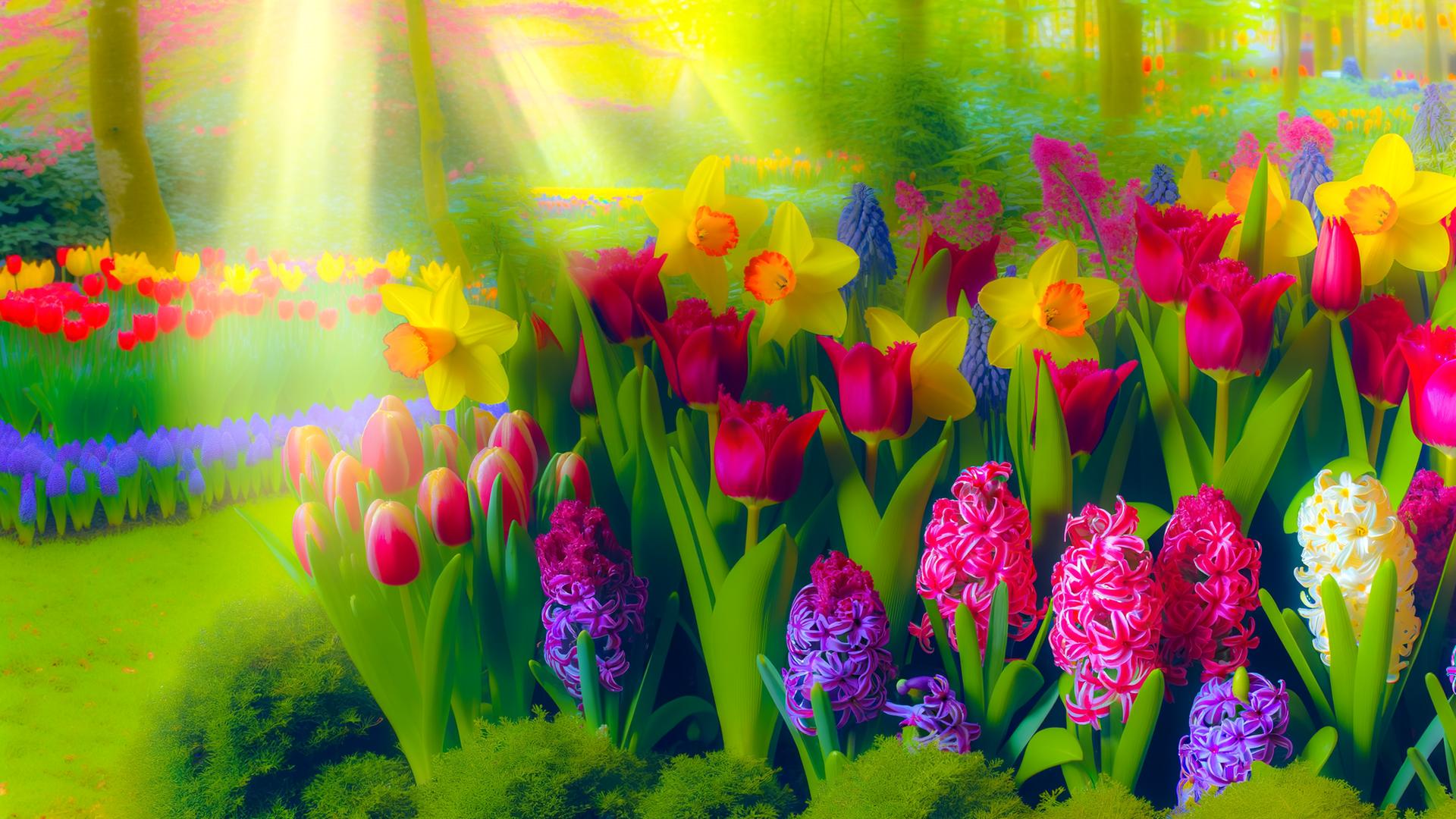
Fall-planted bulbs like daffodils, tulips, and hyacinths welcome spring with a dynamic display. Make sure to plant them in well-drained soil, adding a layer of mulch to protect from late frosts.
Essential Care Practices
Watering Wisely
Proper watering is a linchpin of successful gardening. With most spring flowers, aim for a balance — neither overwatering nor letting the soil dry out completely. Consider morning watering sessions that allow foliage to dry and minimize disease risk.
Fertilizing for Growth
Feed your flowers with a balanced fertilizer to promote vigorous growth. A slow-release formula is ideal, gradually supplying nutrients throughout the growing season.
Mulching for Moisture
Mulching around your plants not only conserves moisture but also suppresses weeds and regulates soil temperature. Use organic materials like bark chips, straw, or dried leaves for best results.
Pruning and Deadheading
Regular pruning and deadheading encourage an extended blooming season. By removing faded blooms, you prevent your plant from going to seed and prolong its flowering period.
Pest and Disease Management
Identifying Common Pests
Spring gardens can attract an array of pests such as aphids, slugs, and snails. Regular inspection of plants will help you catch pest issues early. Introduce beneficial insects like ladybugs as natural predators.
Disease Prevention
Promote good air circulation by spacing plants properly and pruning excess foliage. Look for disease-resistant varieties and practice crop rotation when replanting bulbs.
Eco-Friendly Solutions
Choose environmentally friendly pest control methods, such as neem oil or insecticidal soap, which are gentle on plants and beneficial insects.
Encouraging Pollinators
Designing a Pollinator-Friendly Garden
Invite pollinators into your garden by incorporating a variety of plants that flower at different times. Use native flowers and plant in clumps, creating a reliable resource for bees, butterflies, and birds.
Providing Water and Shelter
Consider adding a simple water feature or birdbath to your garden. Provide shelter with bushes or plant dense foliage to create a habitat where pollinators can thrive.
FAQs
What are the easiest spring flowers to grow for beginners?
Beginners might start with pansies, daffodils, and tulips. These are relatively hardy and provide instant gratification.
How do I know if my garden soil is suitable for planting?
You can conduct a soil test using a simple kit available at gardening stores. It will check pH and nutrient levels.
How often should I water my spring garden flowers?
This depends on your climate and soil. Typically, you should water once or twice a week, ensuring soil stays moist but not waterlogged.
Can I plant my bulbs once spring has already begun?
It's ideal to plant bulbs in the fall, but certain early spring bulbs can handle planting as soon as the soil is workable.
What can I do to prevent pests without using chemicals?
Introduce natural predators like ladybugs or utilize plant-based insecticides like neem oil for pest control.
How can I ensure my garden has color all season?
Choose a mix of perennials and annuals, focusing on staggered blooming times to ensure continuous color.
What are the best plants for attracting pollinators?
Pollinator-friendly plants include lavender, coneflowers, and butterfly bush.
How can I prevent weeds without harming my flowers?
Strategically use mulch and landscape fabric. These methods suppress weeds while conserving moisture.
Why are my spring flowers not blooming?
This could be due to inadequate sunlight, poor soil nutrition, or improper watering.
When should I start fertilizing my flowers in spring?
Begin fertilizing once new growth appears, using a balanced, slow-release fertilizer.
Discussion (0)
No comments yet. Be the first to start the conversation!
Leave a Reply