The Whispering Winds of February
Picture this: It’s a chilly February morning. The crisp air carries whispers of promises yet to be fulfilled. You step into your garden, wrapped in a cozy knit sweater, a warm mug of tea cradled in your hands. The bare branches of your beloved fruit trees stand resilient against the winter sky. Memories of last year's bountiful harvest dance in your mind, and you find yourself dreaming of the seasons to come.
As you tread the dew-kissed grass, you recall your grandmother, a passionate gardener, who always stressed the importance of February in the garden—a pivotal month when the groundwork for a healthy, flourishing year could be established. Her words echo in your heart: "Caring for your fruit trees now is a promise you make for a fruitful future." Inspired by her wisdom, you smile, ready to nurture those trees she so lovingly tended. So, let's embark on our journey to understand the essential February sprays for healthy fruit trees.
Understanding the Importance of February Sprays
Awakening the Dormant Season
February is the twilight of winter, and for our fruit trees, it marks the dawn of activity. The sprays you apply now bolster the health of your trees before the bustle of spring. But why should you care about sprays in February? This question takes us to the heart of plant health and disease prevention.
The Role of Preventive Care
Just as we take preventive measures during cold and flu season, our fruit trees also benefit from a protective regimen. By applying sprays during this dormant period, you’re not only shielding them from potential diseases and pests, but you’re also fortifying their defenses against Mother Nature's unpredictability. It’s an act of love you extend to your garden, ensuring vibrancy and productivity.
Types of Sprays for Fruit Trees
Dormant Oil Sprays
These are among the heavyweights in the gardener's toolkit. Dormant oils are especially designed to target overwintering insects and their eggs. This gentle oil smothers pests like aphids and mites, cutting off their life cycle before spring’s arrival.
- Benefits: Environmentally friendly, non-toxic to humans and pets, excellent for trees.
- Application Tips: Apply during dry weather, ensuring temperatures don’t fall below freezing.
Copper Fungicide Sprays
Copper fungicides are your trusty companions in the fight against fungal diseases. By using copper-based sprays, you can prevent common afflictions like apple scab and peach leaf curl.
- Benefits: Widely effective against a variety of fungi, minimal environmental impact.
- Application Tips: Follow label instructions for dosage, avoid application when rain is imminent to prevent runoff.
Sulfur Sprays
Sulfur is renowned for its fungicidal properties and is an excellent alternative for organic gardeners. Sulfur-based sprays tackle a host of issues from powdery mildew to rust.
- Benefits: Safe for use in organic gardens, useful for sulfur-loving plants.
- Application Tips: Do not use alongside oil sprays; allow at least 30 days between applications with oils.
Bordeaux Mixture
This age-old concoction of copper sulfate and lime has stood the test of time. The Bordeaux mixture is a versatile spray effective against both fungi and bacteria.
- Benefits: Dual action against bacteria and fungi, highly effective.
- Application Tips: Mix fresh before use to prevent settling, adhere closely to application warnings regarding temperature and timing.
How to Properly Apply Sprays
Timing is Everything
Timing your spray applications is critical. You’ll want to ensure all applications are done during dormant season, preferably before buds begin to swell. This reduces the stress on trees and maximizes efficacy.
Tools of the Trade
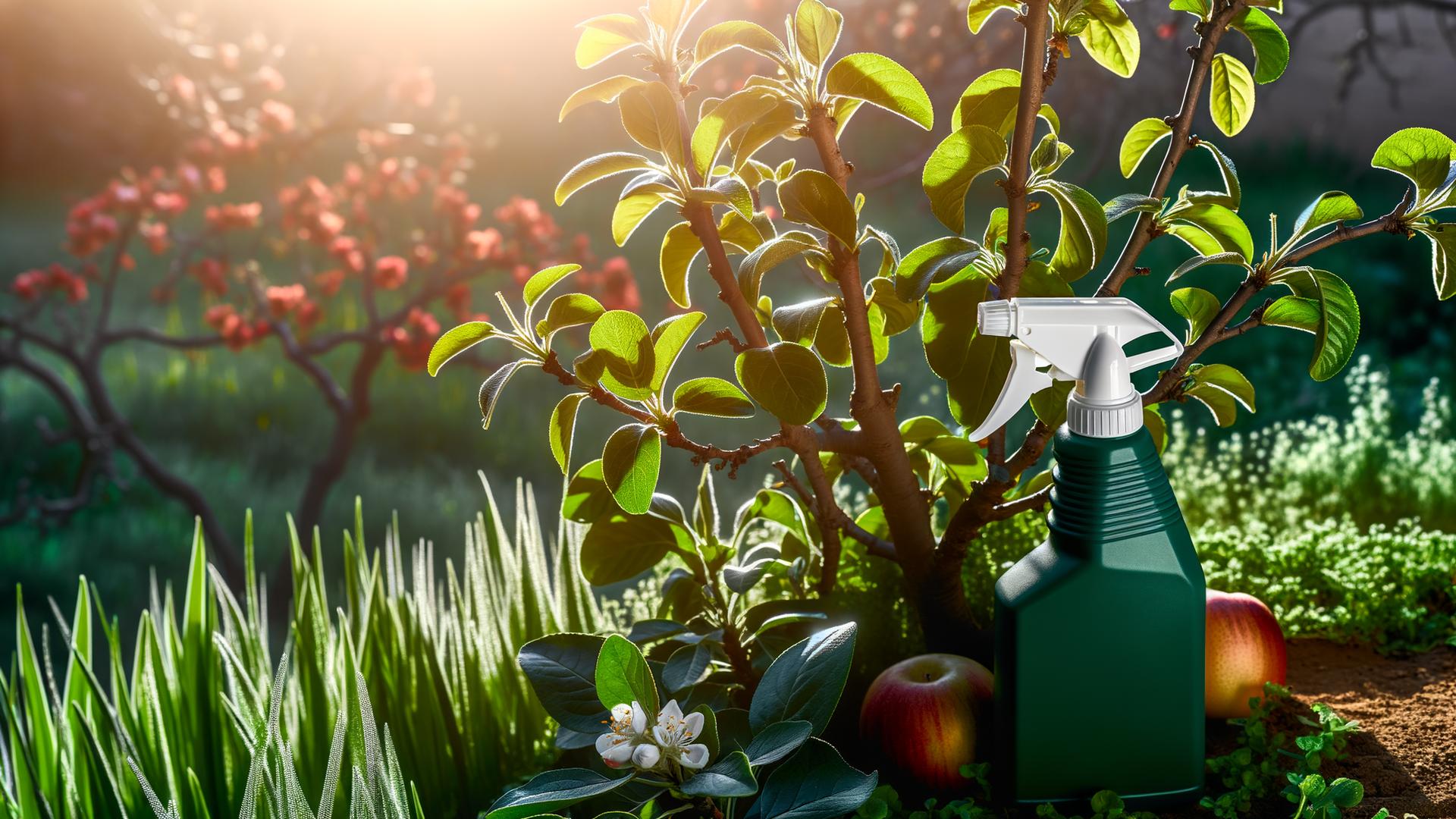
Invest in a high-quality sprayer with adjustable nozzles. This ensures even coverage and lets you reach every nook and cranny where pests might be lurking.
Ensuring Safety
Personal safety is paramount. Wear protective gear such as gloves, masks, and goggles to guard against contact with sprays. Protecting yourself is as vital as protecting your trees.
Common Challenges and Solutions
Weather Constraints
Unpredictable weather can play havoc with spray schedules. It’s best to monitor short-term forecasts, rolling with the punches, and seizing dry, calm days for applications.
Misidentifying Issues
Knowing when to spray means knowing what you’re up against. Proper identification of pests and diseases is crucial. Consult with local extensions or use online resources for proper diagnosis.
Overapplication
More doesn’t mean better. Overapplication can harm the trees and lead to runoff issues. Stick to recommended dosages.
Long-term Impact: Health and Yield
The fruits of your labor, quite literally, emerge in the seasons to come. By taking these pivotal steps in February, you’re setting the stage for a bountiful harvest, improved tree health, and longevity. The trees become more resilient and less vulnerable to future attacks, ensuring continuity of care and yield for years.
FAQs
What are dormant sprays specifically used for?
Dormant sprays target overwintering insects and diseases. They are intended to minimize threats to fruit trees before the growing season begins.
Can dormant oil sprays be mixed with other sprays?
Generally, dormant oils should not be mixed with sulfur sprays as it can cause damage to the plants. It’s crucial to follow the specific product instructions.
How often should I apply these sprays?
For most sprays, a single, thorough application during the dormant season suffices. However, if you have a history of severe pest or disease issues, a repeat application might be necessary.
Are there any environmental concerns with using copper sprays?
Copper is considered less harmful than synthetic chemicals; however, overuse can accumulate in soil and potentially impact microbial life. Adhere to recommended usage guidelines.
Can I make Bordeaux mixture at home?
Yes, Bordeaux mixture can be made at home using hydrated lime and copper sulfate. It’s essential to follow precise measurement guidelines to ensure effectiveness.
What is the ideal temperature for applying dormant sprays?
The ideal temperature is above freezing, typically between 40°F and 70°F. Avoid spraying if a frost is expected.
Are sulfur sprays suitable for all types of fruit trees?
Sulfur sprays are generally safe for many fruit trees, but they may not be ideal for sensitive varieties. Check product labels for specific instructions.
What should I do if it rains after applying a spray?
If heavy rain follows shortly after application, consider a reapplication once the tree and conditions have dried.
Is it necessary to spray every year?
Not necessarily. Annual spraying is beneficial when facing regular disease or pest challenges, but it isn’t mandatory if your trees consistently remain healthy.
How can I dispose of leftover sprays?
Follow local regulations for disposal of chemical sprays. Many areas have designated drop-off points for household chemicals.
Discussion (0)
No comments yet. Be the first to start the conversation!
Leave a Reply