The Allure of the Tomato: A Journey from Garden to Palette
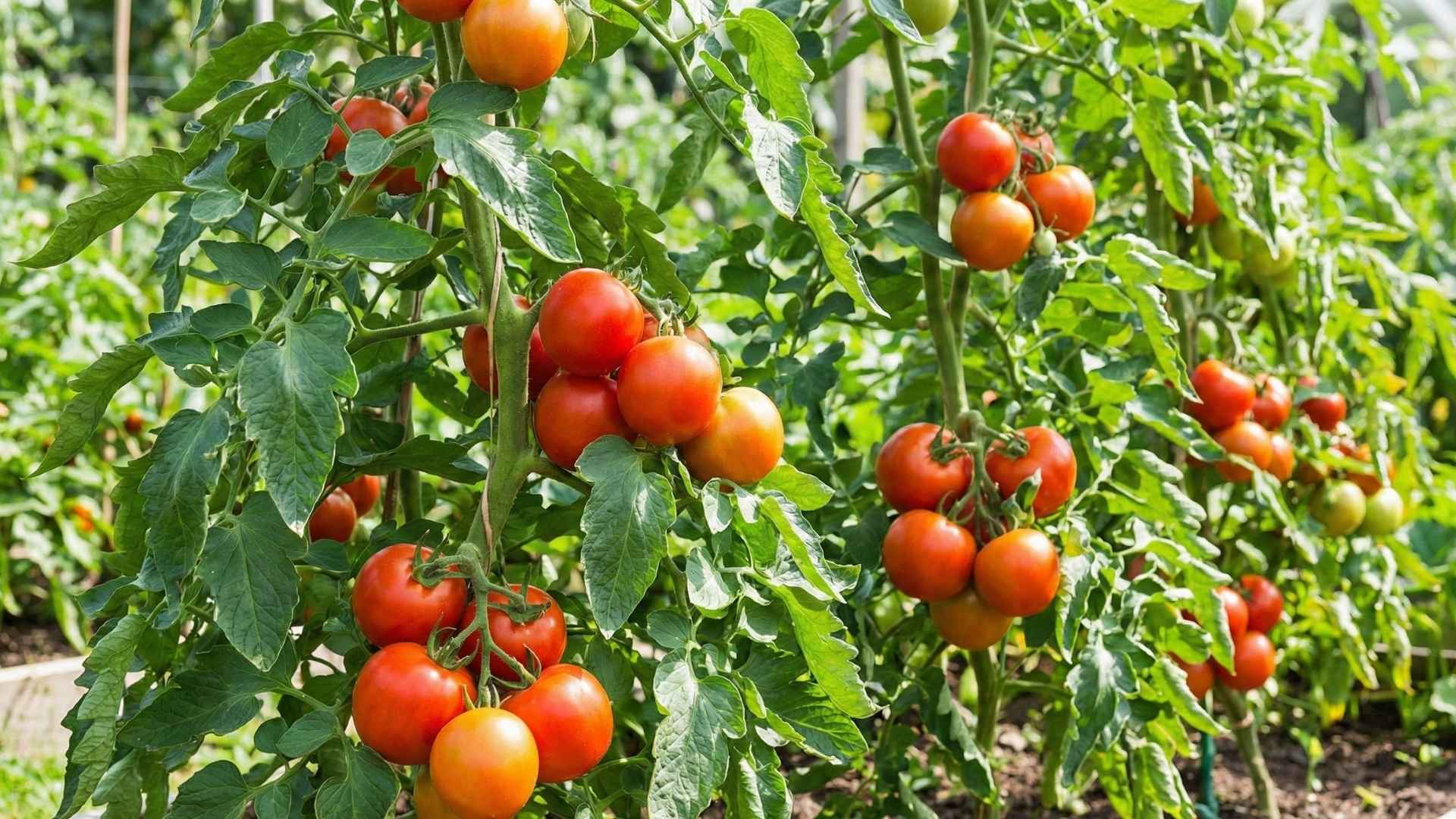
When I first sunk my hands into garden soil, it was my grandmother's hands guiding mine. Her garden was a chaotic symphony of colors and scents—a robust basil plant here, a riot of marigolds there—but it was always the tomatoes that captured my imagination. I remember her leaning in close, whispering as if sharing a secret meant only for us: "Once you grow a tomato, you’ll fall in love."
That love affair started with a plump, ruby-red heirloom tomato. My first bite was transformative, a burst of sweetness followed by an earthy undertone that only a homegrown tomato can provide. As I grew, so did my garden and its variety of tomatoes. I realized that each tomato was a narrative, a little piece of a much larger story that spanned continents and centuries.
Today, I invite you to embark on this journey with me as we discover the world of tomatoes and explore unique varieties from across the globe.
A Brief History of Tomatoes
Origins in the Americas
The story of the tomato began thousands of years ago in the highlands of Peru and Ecuador, where wild tomatoes thrived. The ancient Aztecs and Incas were among the first to cultivate these curious fruits, integrating them into their diets long before Europeans set eyes on them.
Tomatoes Cross the Ocean
When explorers like Christopher Columbus and Hernán Cortés arrived in the Americas, they brought tomato seeds back to Europe. Initially met with suspicion, tomatoes were believed to be poisonous by Europeans due to their relation to the nightshade family. It wasn't until the late 19th century that tomatoes gained widespread acceptance and began to be embraced in European cuisine.
A Symbol of Global Cultivation
Today, tomatoes are celebrated globally, used in cuisines from Italian to Indian and beyond. Let's delve into the fascinating world of tomato varieties, each a testament to the resilience and adaptability of this beloved fruit.
Exploring Tomato Varieties
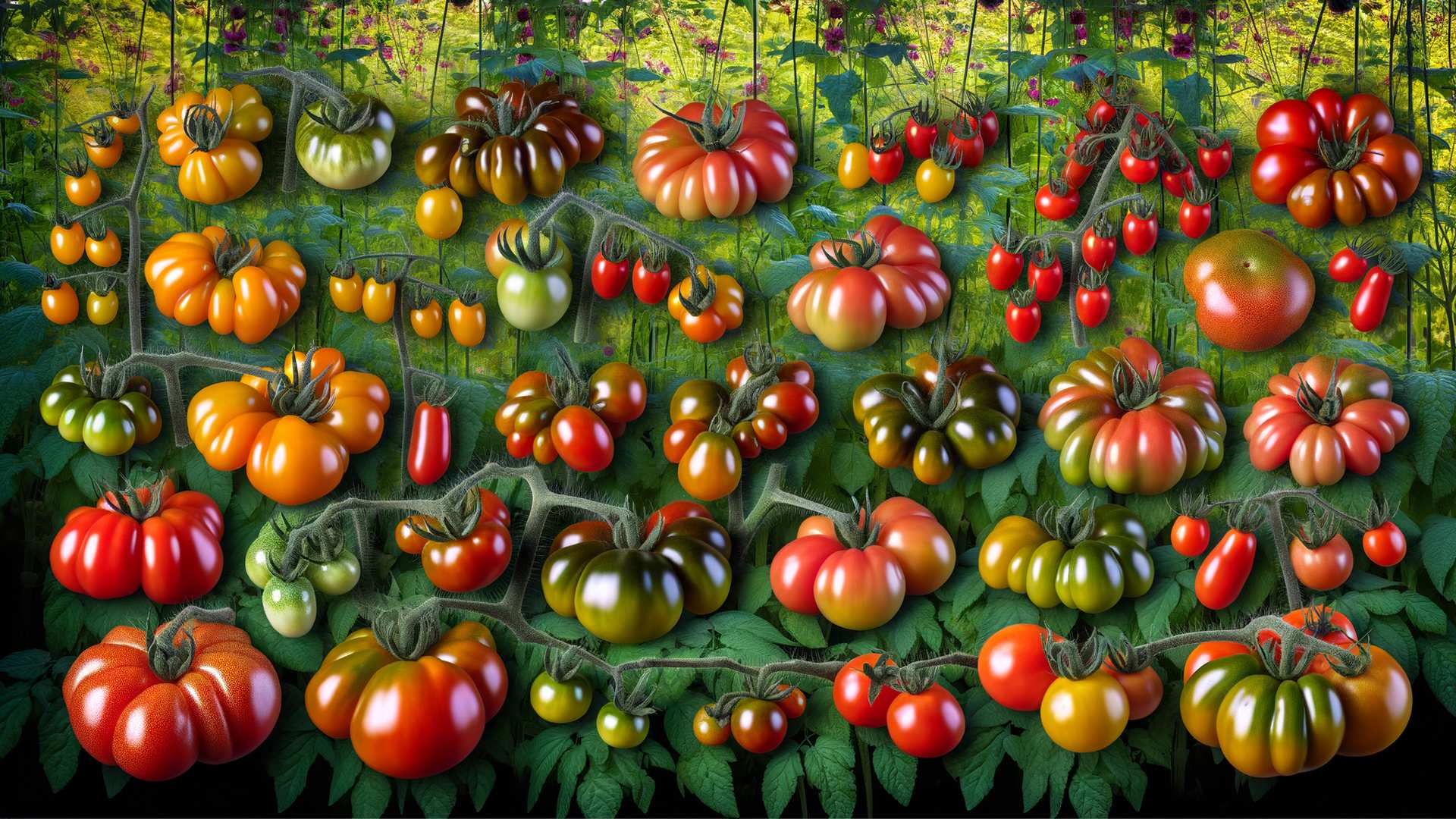
Heirloom Tomatoes: The Heritage Keepers
Heirloom tomatoes are the undisputed champions of flavor. They've been passed down through generations, each variety carrying stories of the past.
- Brandywine: Known for its sweet, robust flavor, this American heirloom has been cultivated since the late 1800s.
- Cherokee Purple: This deep, smoky-hued tomato hails from Tennessee, named after the Cherokee tribe who originally cultivated it.
Cherry Tomatoes: The Sweet Treats
Cherry tomatoes, with their bite-sized sweetness, are the snackers’ favorite.
- Sungold: Bursting with sugary sweetness, these vibrant orange gems are perfect for fresh salads.
- Sweet 100: True to its name, this variety offers abundant clusters of juicy, sweet treats.
Beefsteak Tomatoes: The Juicy Giants
Ideal for sandwiches, beefsteak tomatoes are known for their size and juiciness.
- Mortgage Lifter: A legendary variety bred during the Great Depression to help families pay off their mortgages, noted for its massive fruit and rich taste.
- Big Beef: This hybrid combines the flavor of heirlooms with disease resistance, ensuring robust and juicy production.
Plum Tomatoes: The Saucy Staples
Plum tomatoes are the go-to for rich tomato sauces and pastes.
- San Marzano: Revered in Italian cuisine, these tomatoes are perfect for making authentic sauces.
- Roma: A staple of American gardens, Romas are excellent for canning and cooking.
Exotic Varieties: A World of Flavor
For those seeking adventure, exotic tomato varieties offer unique flavors and appearances.
- Green Zebra: With its striking green stripes, this tomato offers a tangy, yet sweet taste.
- Black Krim: Originating from Crimea, its rich, smoky flavor is coupled with a deep, dusky color.
Growing Your Own Tomatoes
Choosing the Right Variety
Selecting the right tomato variety depends on climate, space, and usage. Consider whether you want tomatoes for fresh eating, sauces, or both.
Essentials of Soil and Light
Tomatoes thrive in well-drained, nutrient-rich soil with a pH between 6.0 and 6.8. Full sun is crucial—aim for six to eight hours of sunlight each day.
Planting and Care
- Seed Starting: Begin indoors 6-8 weeks before the last frost date.
- Transplanting: Once seedlings have two sets of true leaves, and after all risk of frost has passed, it's safe to transplant them outside.
- Watering: Consistent watering is essential, particularly during fruit set. Aim to water deeply and regularly.
Pest and Disease Management
- Companion Planting: Basil, marigold, and onions can ward off pests.
- Common Pests: Keep an eye out for aphids, caterpillars, and whiteflies. Neem oil and insecticidal soap are effective organic treatments.
- Diseases: Practice crop rotation and look for resistant varieties to combat issues like blight and blossom end rot.
Tomato Recipes: From Garden to Table
Fresh Tomato Salad
Ingredients:
- Sliced heirloom or cherry tomatoes
- Fresh basil leaves
- Mozzarella
- Olive oil
- Balsamic reduction
Steps:
- Arrange sliced tomatoes and mozzarella on a platter.
- Sprinkle fresh basil over the top.
- Drizzle with olive oil and balsamic reduction.
Classic Tomato Sauce
Ingredients:
- Fresh plum tomatoes
- Garlic
- Olive oil
- Onion
- Herbs (basil, oregano)
Steps:
- Sauté garlic and onion in olive oil.
- Add chopped tomatoes and herbs.
- Simmer until thickened, then blend until smooth.
The Future of Tomatoes: Beyond Traditional Varieties
The world of tomatoes is ever-evolving, with ongoing work in genetic research for flavor, disease resistance, and climate adaptability.
- Hybrid Varieties: Continually developed to offer disease resistance and uniformity.
- Organic Practices: Growing importance of sustainable and organic cultivation methods.
- Culinary Innovations: Chefs and home cooks alike are finding new, exciting ways to use tomatoes, tapping into their versatility.
Tomato FAQs
How should I store fresh tomatoes?
Store ripe tomatoes at room temperature, away from direct sunlight, to preserve their flavor and texture. Avoid refrigeration, which can ruin their taste.
What are some common pests and how can I manage them organically?
Common pests include aphids, spider mites, and tomato hornworms. Use insecticidal soap, neem oil, or introduce beneficial insects like ladybugs.
How do I know when my tomatoes are ready to harvest?
Tomatoes are typically ready to harvest when they reach full color for their variety and have a slight give when gently squeezed.
What is the best way to start growing tomatoes indoors?
Start seeds indoors 6-8 weeks before your area's last expected frost. Use seed-starting trays under grow lights, and transplant them outdoors once the danger of frost has passed.
Can tomatoes grow in containers?
Yes, tomatoes can thrive in containers. Ensure they’re at least five gallons in size with adequate drainage. Use a quality potting mix and support the plants with stakes or cages.
Are there low-acid tomato varieties?
Yes, varieties like Yellow Pear and Ace 55 are known for their low acidity.
How do hybrid tomatoes differ from heirloom tomatoes?
Hybrid tomatoes are bred for specific traits like disease resistance and uniformity, while heirlooms are traditional varieties passed down through generations for their unique flavors.
Why do my tomato plants have yellow leaves?
Yellow leaves can be a sign of overwatering, under-watering, or insufficient nutrients. Evaluate your watering practices and consider a balanced fertilizer.
How can I prevent blossom end rot?
Blossom end rot is often caused by calcium deficiency. Ensure even watering practices and consider adding calcium to the soil if needed.
What makes heirloom tomatoes special?
Heirloom tomatoes have been passed down through generations, prized for their flavors and rich diversity. They’re open-pollinated, allowing their unique characteristics to be preserved and celebrated.
Discussion (0)
No comments yet. Be the first to start the conversation!
Leave a Reply