Discover the Ultimate Alternative to Soil: 4 Surprising Uses for Volcanic Rock Granules
A Personal Journey: Discovering the Magic of Volcanic Rock Granules
There was a time when I stood on the edge of the Haleakalā crater in Maui, engulfed in the vastness of nature's power. The blackened earth stretched before me, an endless sea of volcanic rock granules—tiny reminders of millennia of volcanic fury. At that moment, I felt the pulse of Earth's heart and a spark of inspiration ignited a new possibility for my garden. As I stooped to pick up a handful of this ancient rubble, I was unaware that these innocuous stones would redefine my gardening practices forever.
What started as mere curiosity quickly blossomed into an experiment with transformative results for my plants. Now, I'm excited to share with you how these volcanic marvels can revolutionize your garden too.
What are Volcanic Rock Granules?
Understanding the Basics
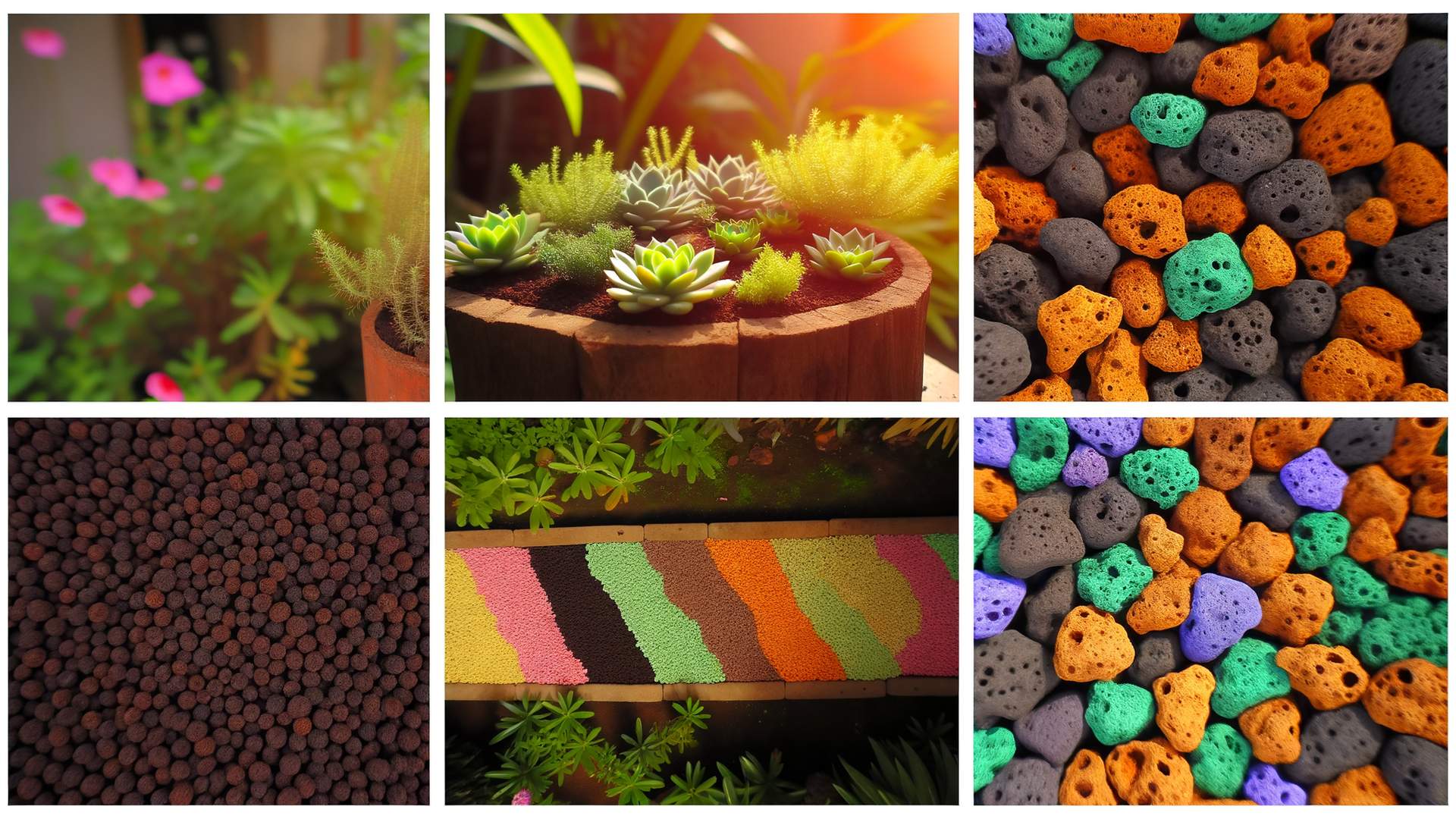
Volcanic rock granules, also known as volcanic ash or lava rock, are derived from solidified lava that has been fragmented. This material is naturally porous and rich in essential minerals that provide a host of benefits to plants.
Origins and Benefits
Originating from volcanic eruptions, these rocks break down into granules that boast a high mineral content, such as silicon, calcium, magnesium, and iron. These elements are integral to plant health, promoting growth, resilience, and disease resistance.
Using Volcanic Rock Granules in Gardening
A Superior Soil Amendment
Volcanic rock granules serve as an exceptional soil amendment. Mixing them with regular soil enhances aeration and drainage, two crucial factors for root health. Their porous nature allows for better oxygen penetration and moisture retention, ensuring your plants have the best possible environment to thrive.
Perfect for Succulents and Cacti
If, like me, you're fascinated by these resilient plants, you'll appreciate that volcanic rock granules mimic their natural growing conditions. Succulents and cacti prefer well-drained soils, making lava rock a perfect component of their growing medium.
Boosting Plant Resilience
Including volcanic rock granules in your soil mix can do wonders for your plant's resilience. They mimic natural mineral deposits that plants would encounter in the wild, promoting stronger root systems and enhancing the plant's overall ability to withstand adverse conditions.
Surprising Uses for Volcanic Rock Granules
1. Natural Insect Repellent
Beyond their use in soil, volcanic rock granules can act as a natural insect repellent. The granules can be scattered around the base of plants to deter pests without resorting to chemicals.
2. Creating a Robust Mulch Layer
Utilizing volcanic rock granules as mulch provides a robust barrier that helps retain moisture and suppress weeds. Unlike organic mulch, these rocks won't decompose over time, making them a durable and aesthetically pleasing addition.
3. Enhancing Drainage for Potted Plants
Potted plants often suffer from poor drainage. Incorporating volcanic rock granules at the bottom of pots enhances drainage, prevents root rot, and ensures plants avoid waterlogged conditions.
4. Innovative Landscaping Designs
Lastly, the distinctive look of volcanic rocks makes them an attractive choice for creating beautiful and unique landscaping designs. Their colors and textures can create striking contrasts and showcase nature's artistry in your garden space.
DIY: How to Use Volcanic Rock Granules in Your Garden
Preparing the Soil Mix
To create the perfect soil mix with volcanic rock granules, start by mixing one part volcanic granules with two parts compost and three parts garden soil. This blend balances drainage, nutrient content, and water retention.
Planting and Maintenance
When planting, place your plants in the prepared mix, covering the base with a layer of granules. This top layer acts as mulch, maintaining soil temperature and protecting roots. Regularly check your plants for moisture needs, adjusting watering frequency as necessary since volcanic rock retains more water than typical soil alone.
Frequently Asked Questions
1. Are volcanic rock granules suitable for all plants?
While most plants benefit from improved drainage and mineral-rich conditions, some may require specific soil formulations, especially those with particular pH needs.
2. Where can I purchase volcanic rock granules?
These granules are often available at garden centers, nurseries, and specialty garden supply stores. They can also be bought online.
3. How do volcanic rock granules compare to perlite?
Both materials improve soil aeration and drainage. However, volcanic rock granules are denser and provide minerals that perlite does not.
4. Can I use volcanic rock granules in hydroponics?
Yes, they make an excellent medium for hydroponic systems, supporting plant roots and maintaining even moisture distribution.
5. Are there any plants that don't benefit from volcanic rock granules?
Plants needing high moisture levels and certain aquatic plants might not thrive as well with volcanic rocks due to their moisture-regulating properties.
6. Do volcanic rock granules affect soil pH?
Volcanic rock granules have a neutral pH, so they generally do not alter the soil's acidity or alkalinity.
7. How long do volcanic rock granules last in the soil?
They can last indefinitely as they don't break down over time, providing long-term benefits.
8. What are the environmental impacts of using volcanic rock granules?
Extracting volcanic rocks is generally considered sustainable if conducted responsibly, with minimal impact compared to mining or harvesting other materials.
9. Can volcanic rock granules be used in organic gardening?
Yes, they are a natural and eco-friendly option for enhancing soil quality in organic farming.
10. Do volcanic rock granules need to be replaced or replenished?
Typically, they don't need replacement, but you may need to add more over time to maintain the desired soil structure as the granules settle and compact.
Discussion (0)
No comments yet. Be the first to start the conversation!
Leave a Reply