The Sweet Embrace of Spring Peppers
As I walked through the remnants of my winter garden, the air was crisp with the fading chill of February. The earth, sleeping beneath its frost-kissed blanket, seemed to whisper promises of the spring to come. I closed my eyes and imagined the vibrant colors that my garden would soon host. You see, February is the time I typically start my peppers—specifically, sweet peppers. Their promise of warmth and sunshine motivates me to prepare for the upcoming growing season.
In those early months, I eagerly await the arrival of small seedlings that will, in time, bear the most incredible fruit sensations. My hands itch to dig into the soil, cradling each seed with the care it requires. There's nothing quite like the anticipation of pepper-growing season, the delicate dance between nature and care, culminating in a bountiful harvest. This journey is why I feel compelled to share with you my top five sweet pepper varieties to plant in February 2026—a time you'll also inevitably find hope fluttering on the cusp of each new leaf unfurled. Let's embark on this path together.
Why Plant Sweet Peppers?
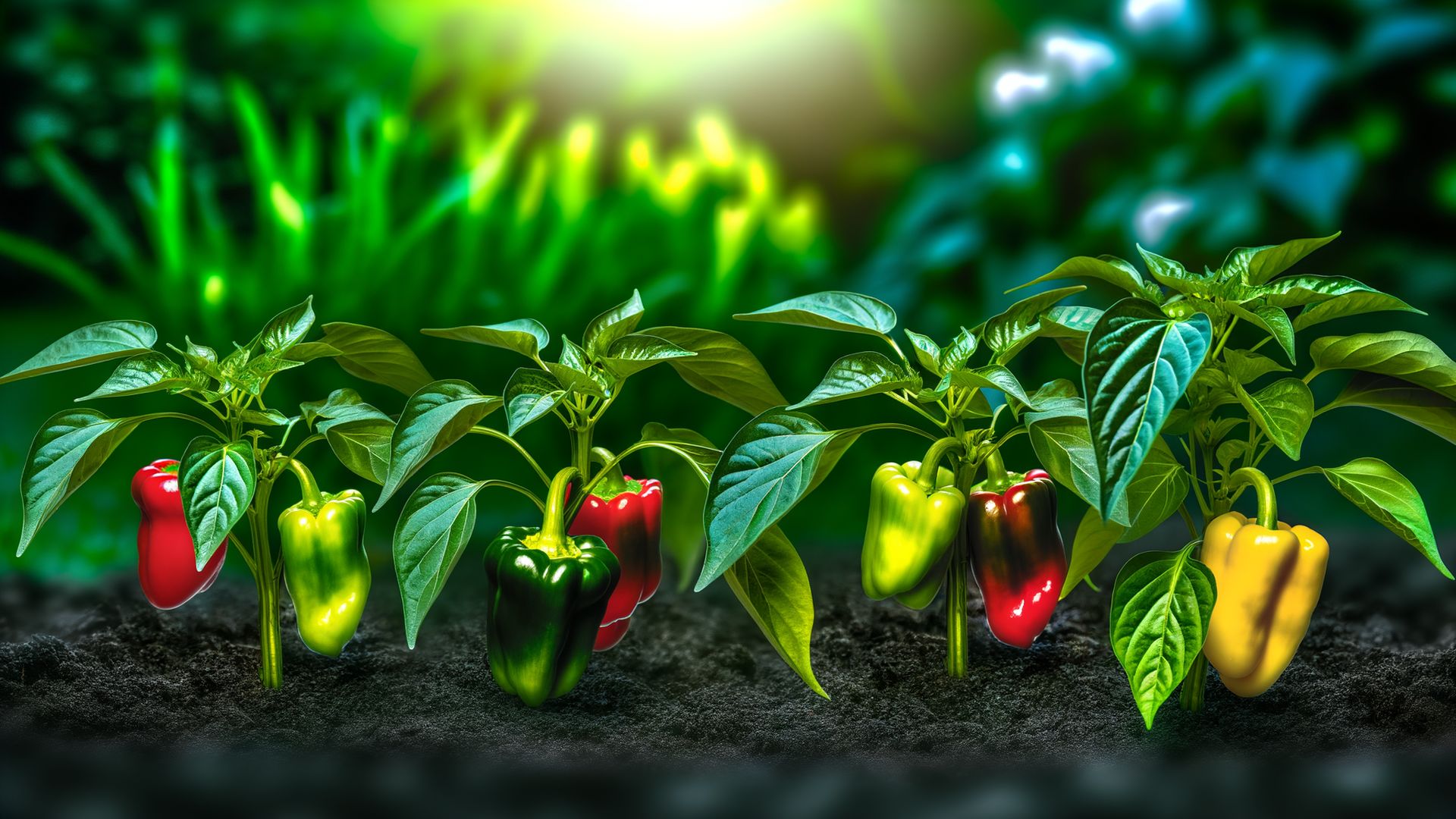
Sweet peppers are not only visually striking with their vibrant hues ranging from red to orange, yellow, and even purple, but they also offer a delightful range of flavors. These peppers are sweeter and more flavorful, and they're also packed with vitamins A and C. Starting them in February ensures you'll have a head start on the growing season, providing ample time to develop strong, healthy plants before the heat of summer sets in.
Top 5 Sweet Pepper Varieties to Plant
1. California Wonder
The California Wonder variety is a timeless classic in the world of sweet peppers. Known for its blocky, thick-walled fruit, this pepper ripens from deep green to vibrant red, adding a splash of color and taste to your garden. Its versatility makes it perfect for stuffing, sautéing, or even enjoying raw.
- Planting Tips: Start seeds indoors about 8-10 weeks before the last frost date, which makes early to mid-February just the right time to begin.
- Growing Conditions: Requires full sun and warm temperatures, ideally between 70-85°F.
- Harvesting: Typically ready to harvest in 70-75 days post-planting. Pick when the peppers are firm and fully colored.
2. Sweet Banana
With a name like Sweet Banana, there's no mystery as to what makes this variety so appealing. These lovely, elongated fruits ripen from yellow to orange-red and are renowned for their moderate size and mild, tangy sweetness.
- Planting Tips: Start seeds indoors in February to ensure a robust growth period.
- Growing Conditions: These peppers thrive in full sun with consistent watering and well-drained soil.
- Harvesting: Ready for picking about 60-75 days after planting. Harvesting once fruits turn bright yellow will yield the sweetest flavor.
3. Bullhorn
Also known as Corno di Toro, this pepper is celebrated for its horn-like shape and rich, savory taste. The fruits range from red to yellow and are a magnificent addition to both your garden and your kitchen, often appearing fantastic in salads or grilled.
- Planting Tips: Sow seeds indoors by mid-February to secure a successful growing season.
- Growing Conditions: Prefers long, sunny days and consistent moisture.
- Harvesting: Usually matures in 70-85 days. Best picked when the skin is glossy and firm.
4. Pimento
Pimentos are smaller but pack a delightful punch with their incredibly sweet taste and heart-shaped appearance. A staple in pimento cheese recipes, they also serve beautifully when roasted or stuffed.
- Planting Tips: Begin indoor planting in early February for optimal results.
- Growing Conditions: Ensure plenty of sunshine and rich, loose soil for healthy growth.
- Harvesting: Expect to see mature peppers approximately 80 days after germination.
5. Gypsy
The Gypsy pepper variety is a gardener’s delight, known for its tapered shape and incredible color transformation from green to pale yellow, then to orange and red. These peppers are ideal for frying but are equally delightful when eaten fresh.
- Planting Tips: Start seeds indoors in the early part of February.
- Growing Conditions: Thrive under warm, sunny conditions with regular watering.
- Harvesting: Typically ready 60-70 days after planting, offering a multitude of ways to savor their sweet flavor.
Gardening Tips for Sweet Peppers
Choosing the Right Soil
Sweet peppers prefer well-drained, loamy soil rich in organic matter. Before planting, consider enriching the soil with compost to provide additional nutrients. Peppers thrive best in a pH range between 6.0 and 6.8, so testing your soil in advance can ensure a favorable environment for growth.
Watering Wisely
While sweet peppers need regular watering, avoid overwatering, which can lead to root rot. Aim to keep the soil consistently moist but not waterlogged. Drip irrigation systems or soaker hoses can provide the right balance and prevent diseases that spread through wet foliage.
Fertilizing
Incorporate a balanced fertilizer every couple of weeks after your plants are established. Peppers benefit from calcium-rich supplements which help to prevent blossom end rot.
Pest Management
Pests like aphids and pepper weevils can threaten your pepper plants. Integrated pest management techniques include introducing beneficial insects like ladybugs or using neem oil as a deterrent.
Harvest Time
The timing of your harvest can influence the sweetness of your peppers. While picking peppers early can prevent issues like rotting, waiting until they are fully mature will typically enhance their sweetness. Using sharp scissors or pruning shears can prevent damage when removing peppers from their stems.
FAQs
1. Can sweet peppers be grown in containers?
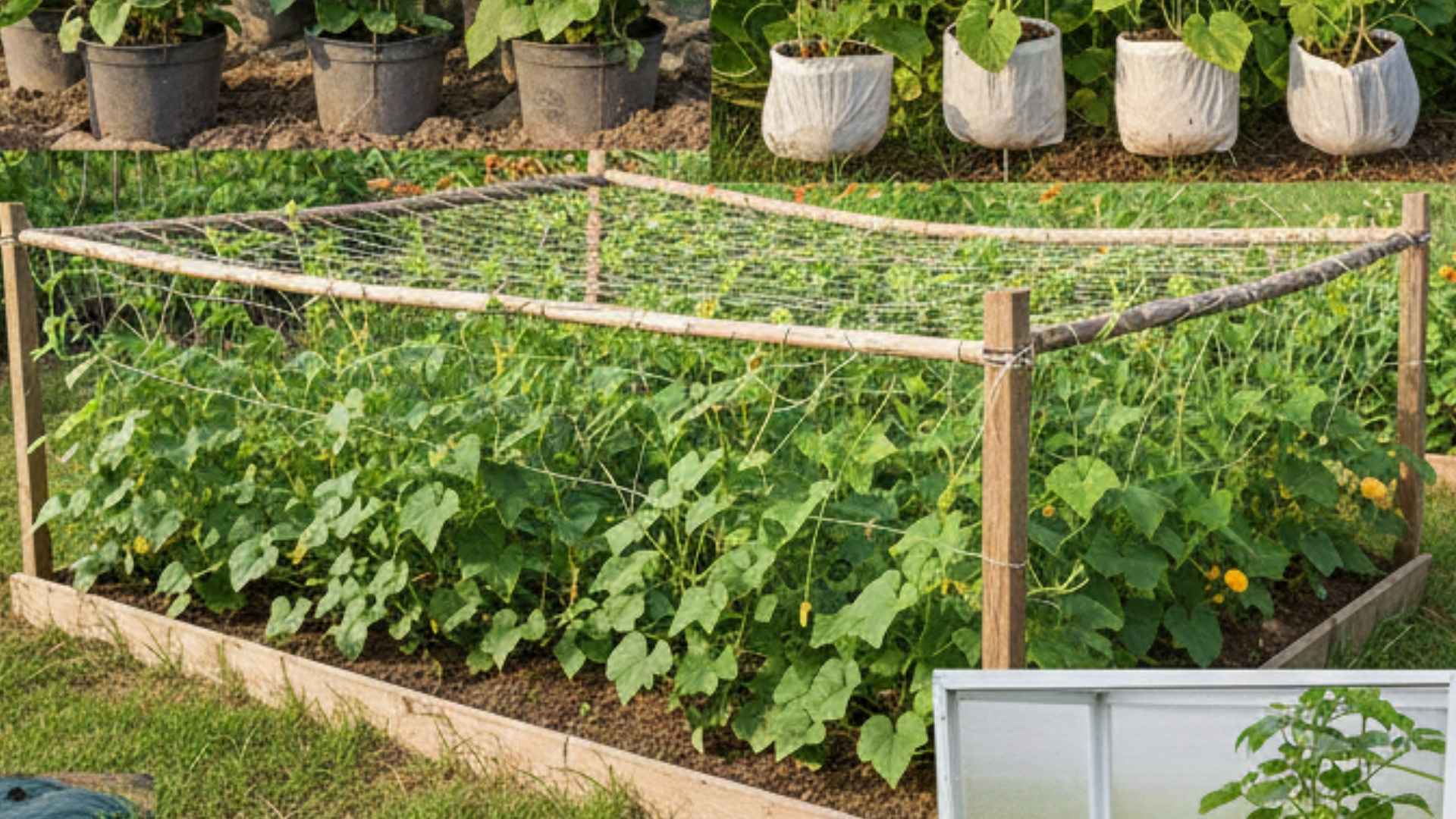
Yes, many sweet pepper varieties thrive in containers. Ensure the container is at least 12 inches deep and wide, and has good drainage.
2. How much sunlight do sweet peppers need?
Sweet peppers require full sunlight, ideally six to eight hours per day, for the best growth and fruiting outcomes.
3. How can I make my sweet peppers even sweeter?
Increasing their exposure to sunlight and ensuring they are fully ripe before harvesting can enhance sweetness. Consistent watering and nutrient-rich soil also contribute.
4. What is the best temperature range for growing sweet peppers?
Sweet peppers do best with day temperatures between 70-85°F and cooler night temperatures, around 60°F.
5. Are sweet peppers perennial?
In tropical climates, sweet peppers can be perennial. However, in most regions, they are grown as annuals due to frost susceptibility.
6. How can I protect my sweet pepper plants from frost?
Using row covers or cloches can provide protection from unexpected frost, extending the growing season in marginal climates.
7. What are some common diseases affecting sweet peppers?
Common diseases include pepper mosaic virus, bacterial spot, and powdery mildew. Ensuring proper spacing, good airflow, and sanitation can minimize risks.
8. How do I know when my sweet peppers are ready to harvest?
Sweet peppers are ready when they reach their full color and are glossy and firm to the touch.
9. Can I save seeds from my sweet pepper plants for next season?
Yes, but to ensure true-to-type seeds, avoid cross-pollination by growing only one variety or isolating different types by distance.
10. How long do sweet pepper plants produce fruit?
Under optimal conditions, pepper plants can produce fruit throughout the growing season, from late spring until the first frost.
Discussion (0)
No comments yet. Be the first to start the conversation!
Leave a Reply